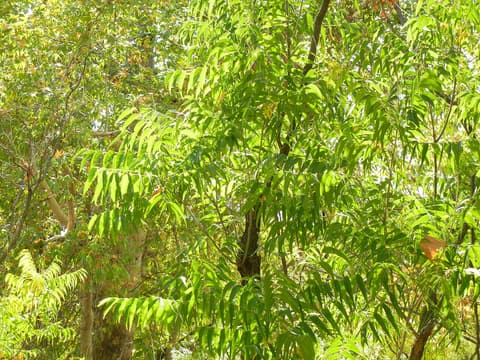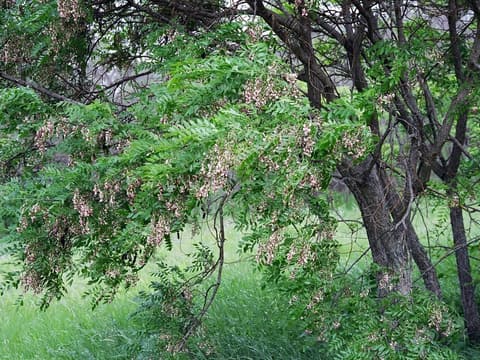
Eve's Necklace
Styphnolobium affine Small tree Zones 7–9 15–30 ft
Shares rocky ground, dry uplands, old fields and edges in the wild.

A native we do not grow
Juniperus ashei. Small tree, 10 to 50 feet, zones 7 to 9; full sun or part shade; dry or average ground.
We do not grow Ashe juniper, and it is not in our shop. This page gathers what our tools say about it and the natives we grow for the same ground.
Many Texas landowners clear Ashe juniper. Without fire it has spread from rocky slopes and canyons into the grasslands around them, and its winter pollen gives many people an allergy. Yet it was already common in central Texas when the first European explorers arrived, and its berries feed many birds and small mammals. The golden-cheeked warbler, an endangered bird that nests only in central Texas, builds its nest from strips of the tree's shaggy bark, so it needs mature juniper and oak woodland. Clearing those woodlands for houses, roads and pasture is why the warbler is endangered. Range scientists favor a mix of open juniper stands and grassland over clearing every tree.
| Other names | Rock cedar, Texas cedar, brake cedar, Mexican juniper, blueberry juniper, Ozark white cedar |
|---|---|
| Form | Small tree |
| Height, feet | 10 to 50 |
| Spread, feet | Up to 25 |
| Zones | 7 to 9 |
| Sun | Full sun or part shade |
| Soil moisture | Dry or average ground |
| Growth | Slow |
| Leaves | Evergreen |
| Traits | Wildlife value, hedge or screen, street tree, erosion control |
| Pollen | December to May |
| Fruit | Berries, August to November |
| First crop | 10 to 20 years |
| Pollination | Separate male and female trees. Male and female cones grow on separate trees, so a female tree bears berries only with a male nearby. |
| Lifespan | Can live 500 years, and the oldest dated one was at least 281. The Gymnosperm Database reports no cross-dating between the samples, so it is unclear whether this species makes annual rings. |
| Black walnut | Not named on the Morton Arboretum's lists |
| Ground | Rocky ground, dry uplands, old fields and edges |
| Native in | 4 states |
Ashe juniper is native in 4 states: Arkansas, Missouri, Oklahoma and Texas. The states are the USDA PLANTS Database's records, with the native range read from the Fire Effects Information System and NatureServe Explorer.
These trees we grow share the most of Ashe juniper's natural communities in the wild, by the companion species tool's rules.
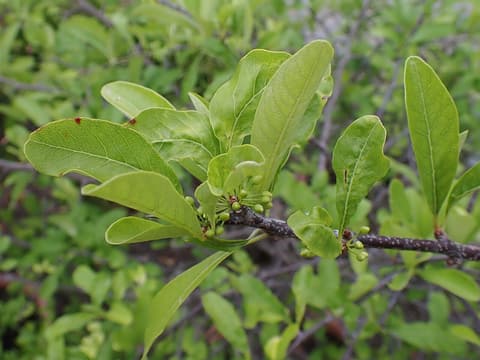
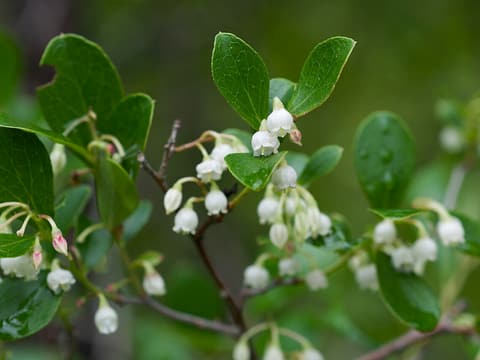
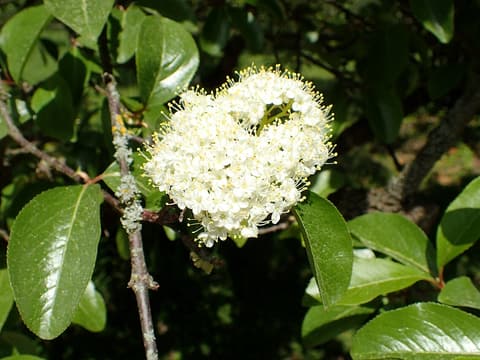
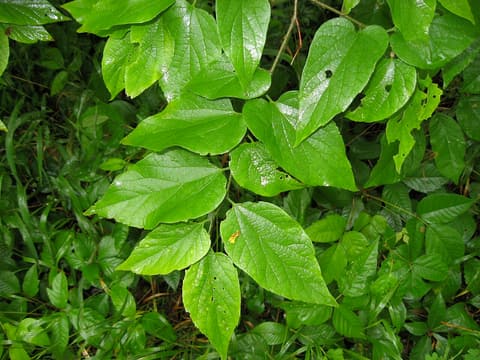
Shares rocky ground, dry uplands, old fields and edges in the wild.
Shares rocky ground, dry uplands, old fields and edges in the wild.
Shares rocky ground, dry uplands, old fields and edges in the wild.
Shares rocky ground, dry uplands, old fields and edges in the wild.
Shares rocky ground, dry uplands, old fields and edges in the wild.
Shares rocky ground, dry uplands, old fields and edges in the wild.
Its figures come from the Forest Service's Fire Effects Information System, the Woody Plant Seed Manual, the USDA PLANTS Database, the Wildflower Center, UF/IFAS Extension, the Missouri Department of Conservation, the Gymnosperm Database, the Native Plant Society of Texas, Zenodo and Texas Parks and Wildlife Department.