Photo: sonnia hill, CC BY 2.0, cropped · Wikimedia Commons
Eve's Necklace
Styphnolobium affine
Also called Texas sophora, pink sophora, necklace tree, Eve's necklacepod, Sophora affinis.
A small tree of limestone country with fragrant, rose-pink flowers like wisteria in spring and black pods like strings of beads, for dry, well-drained ground.
Be first when Eve's necklace is priced
Saplings ship bare-root or in a pot, usually 12 to 18 inches tall, in the dormant season, and their height and age are stated here with the price, once available.
We grow it as saplings and seed. One email when it is listed with prices, and nothing else. Or ask, and we reply with what is ready now. Live plants ship February to May and October to November.
Limited timeSign up now and get 10% off when it is ready.
Share: copy link
Eve's Necklace at a glance
- Type
- Small tree
- Mature height
- 15–30 ft
- USDA zones
- 7–9
- Growth rate
- Medium
- Flowers
- March to May
- Fruit
- Pods, August to November
- First crop
- Under 10 years
- Mature spread
- 20 ft
- Sun
- Full, Part, Shade
- Soil moisture
- Dry, Average
- Grows wild in
- Rocky ground, dry uplands, stream banks, the forest understory, old fields and edges
- Native range
- Arkansas, Louisiana, Oklahoma and Texas See what is native in your state
Eve's necklace is a small tree of limestone hills and stream banks from Oklahoma, Arkansas and Louisiana to central Texas. Its name comes from the black, beadlike pods that follow its sweet-scented pink spring flowers, which bees visit. It stands heat and drought and wants dry, well-drained ground in sun or part shade. Its pods give it winter interest, and it can serve as a small street tree where its low branches are pruned up. Use it as an accent tree, alone in a sunny lawn or bed, where it stays full instead of spindly.
Size, growth and what to expect
Eve's necklace grows at a medium pace, about a foot and a half a year in our growth estimator. Expect 15 to 30 feet with an upright, oval crown 10 to 20 feet wide, often on several trunks. It is a short-lived tree.
Fragrant, rose-pink flowers hang in clusters like wisteria from March to May. The black pods, pinched between the seeds like a string of beads, ripen in late summer and fall and hang on into winter. Birds nest in its branches.
It grows wild from Oklahoma, Arkansas and Louisiana to north central and central Texas, mostly on limestone. It is found on rocky uplands, wooded slopes, stream banks, floodplains and roadsides. NatureServe ranks it imperiled to vulnerable in Arkansas and vulnerable in Oklahoma.
How to grow Eve's Necklace
Eve's necklace grows in full sun, part shade or the shade of taller trees, but it flowers most in full sun. In dense shade it grows thin and almost vine-like. It takes clay, loam, sand and limestone soils, acid or alkaline. It stands heat and drought, but its soil must drain well, or its leaves turn yellow. Plant it 15 feet from a wall and at least 15 feet from overhead wires, and set trees 10 feet apart.
Saplings ship bare-root or potted. Plant them dormant, from leaf fall until bud swell, in a hole wider than the roots and no deeper. Set the root flare at the soil line, put the native soil back in, and keep the mulch clear of the trunk. Each seed has a hard coat, so nick it with a knife or file through the coat, then soak it in warm water until it swells. Sow it half an inch deep once the soil has warmed in spring. Seed that is only soaked, without nicking, comes up unevenly over two years.
Water weekly through the first summer, then only in long droughts. Keep mowers and string trimmers off the trunk, since the thin bark is easily damaged. Guard young trees with a tube or cage where deer are many, though deer browse it only moderately. Prune the low branches where people or cars must pass, or let it grow with several trunks.
Each flower carries both male and female parts, so there are no male and female plants to pair. Bees visit the flowers, which last about two weeks. It has no serious pests or diseases, but its roots send up suckers. The flowers and seeds are poisonous if eaten, and the seeds can cause vomiting and diarrhea, so keep them from children.
Heights and zones are typical ranges for the species in cultivation; local conditions and seed source shift them.
Sources (10)
- NC State Extension Gardener Plant Toolbox: Styphnolobium affine
- Lady Bird Johnson Wildflower Center: Styphnolobium affine
- Flora of North America, vol. 11: Styphnolobium affine
- Texas A&M Forest Service, Trees of Texas: Texas sophora
- Texas A&M AgriLife Extension, Texas Native Plants Database: Eve's Necklace
- UC Davis Arboretum and Public Garden, Texas tree trial database: Eve's Necklace
- USDA Forest Service, Woody Plant Seed Manual (2008), Sophora chapter
- NatureServe Explorer: Sophora affinis
- USDA NRCS PLANTS Database: Styphnolobium affine
- NC State Extension Gardener Plant Toolbox: Styphnolobium japonicum, Japanese pagoda tree
Plan the planting
Check your site for it What to plant with it How big, how fast How much to water How to sow it How many for a crop When it flowers and fruits When to plant it where you live How far from the house and wires How old is yours Moving one you already have
Read before planting
- Ten planting mistakes that quietly kill trees
- Transplanting young trees: timing, water and protection
- Protecting young trees from voles, rabbits, deer and squirrels
- How fast every tree and shrub we grow gets tall: growth rate, A to Z
- Multistem or single stem? Sometimes the trunk is hiding the answer
- Leaf litter, not wood chips, under the canopy
Grows in the same conditions
Plants that share its sun and soil
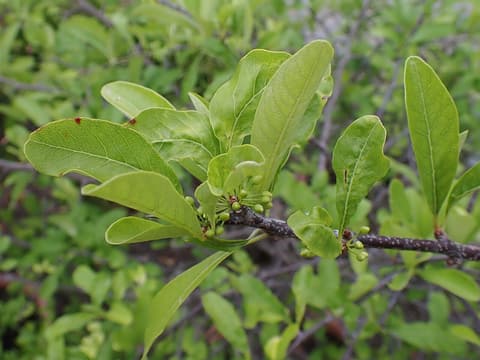
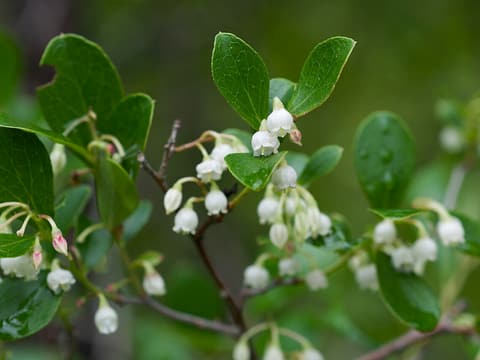
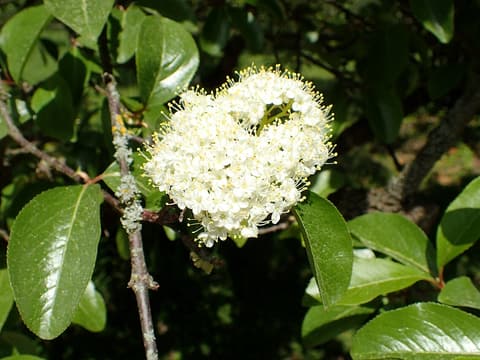
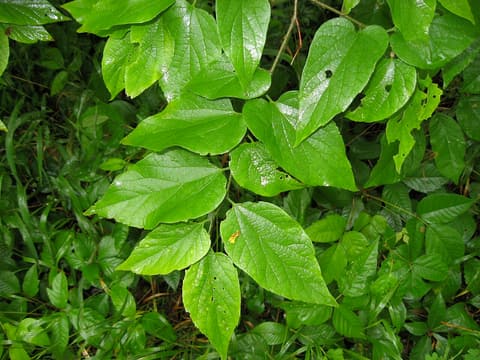
Trees to plant it under: Common Hackberry, Cedar Elm and Rock Elm.
More like this