Native nursery · Grown from seed
Rare, hardy native trees for a changing climate.
Uncommon oaks, hickories, fruit trees, flowering trees and shrubs for birds and bees. Grown from seed collected off parent trees with proven form, vigor and hardiness.
Shop by need: Shade trees 105Shady spots 111Wet soil 169Hedges and screens 40Fall color 136Edible 97Evergreen 71 Tree trouble

Live plants ship February to May and October to November. Acorns, nuts and seed ship year-round. Local pickup is free. A plant that arrives dead or damaged, or does not leaf out, is fully replaced, credited or refunded. Saplings are sold young, usually 12 to 18 inches tall, and often catch up with a big transplanted tree.
Why buy here
Climate-ready genetics
Species with wide tolerance of heat, drought and flooding, and seed from parents that thrive at the warm edge of their range in a changing climate.
Rare species, kept alive by planting
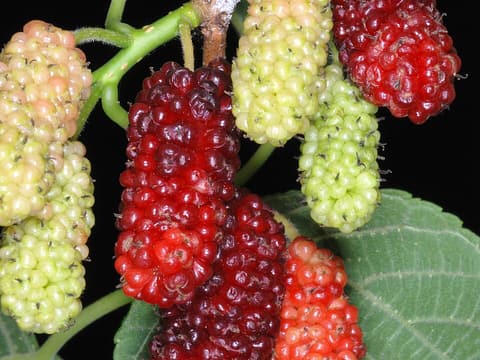
Oglethorpe oak, blue ash, leatherwood, red mulberry: the surest way to keep a rare tree in the world is to grow it in a thousand yards.
Habitat, not just trees
Leaf litter, stick piles, exposed root flares and uncompacted soil are half of what makes a tree thrive. Every order ships with planting notes.
Collections
Trees you will not find at the garden center
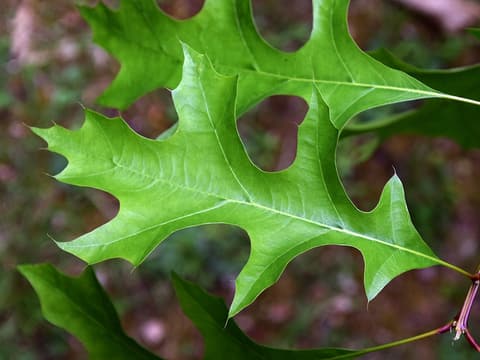
Scrub oaks, coastal-plain post oaks and southern white oaks you will not find at a garden center.
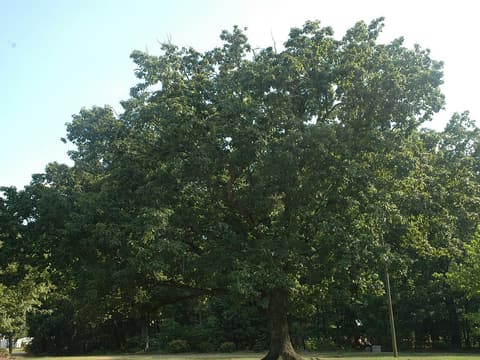
White, red, bur, pin and the other oaks every yard and woodland knows, grown from seed for shade and for the wildlife their acorns feed.
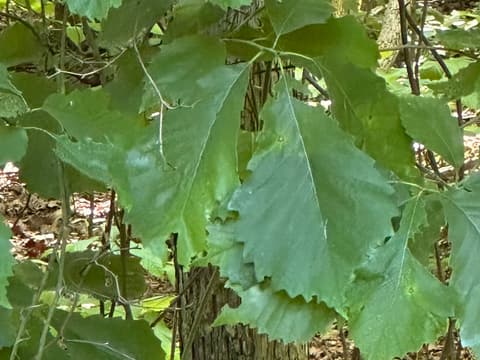
Acorns and seedlings collected from named, proven parent trees.
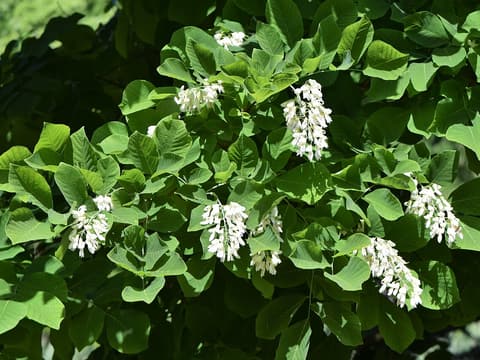
Native shade and flowering trees that deserve far more use than they get.
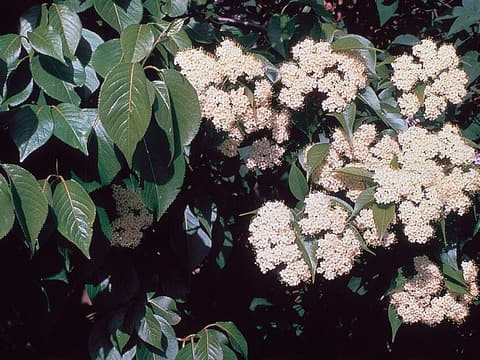
Understory and hedgerow shrubs for birds, pollinators and privacy.
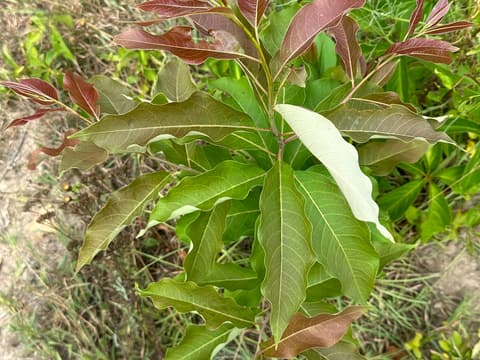
Pecan, hickory, walnut, pawpaw, persimmon and other native food trees.
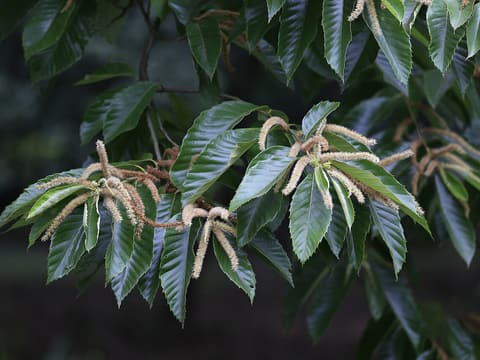
Native chinquapins, the American chestnut and the blight-resistant Chinese chestnut, grown from seed for nuts, wildlife and a chestnut in the yard again.
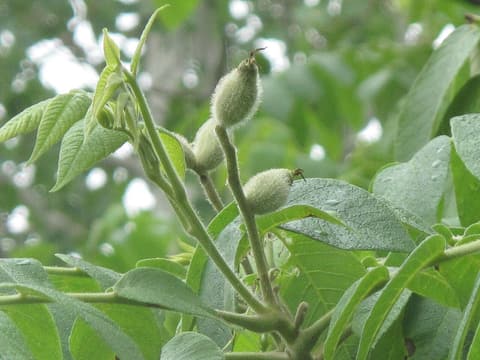
Acorns, nuts and seed to sow, collected from the same proven parent trees as our saplings.
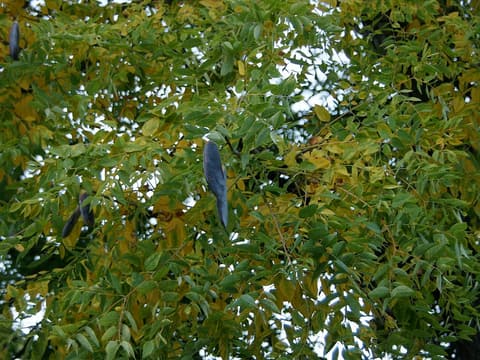
Native trees and shrubs that are uncommon in the wild or in nurseries, grown from seed.
Free tools
Decide with numbers, not guesses
Find my tree
Your zone, sun and soil narrow every tree and shrub we grow to the ones that fit.
Tree age calculator
How old a tree is from its trunk, or a shrub from its height, by the growth estimator's own rules.
Planting-site check
A plain verdict on whether a species will thrive, struggle or fail on your site.
Seed sowing planner
When to chill, check and sow acorns, nuts and seed, and when seedlings come up.
Bloom and fruit calendar
When every tree and shrub we grow flowers and fruits, month by month.
Native trees by state
Which of our trees and shrubs the USDA records growing wild in your state.
Growth estimator
How tall and how thick a tree will be in 10, 20 or 50 years, by species and site.
Companion species
Pick one tree and see the natives that grow with it in the wild and in the yard.
Watering calculator
Gallons at each watering and how often, for a new tree or shrub, from its trunk, the weeks since planting and the rain.
Featured
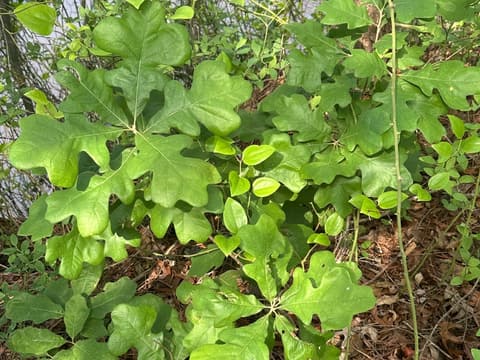
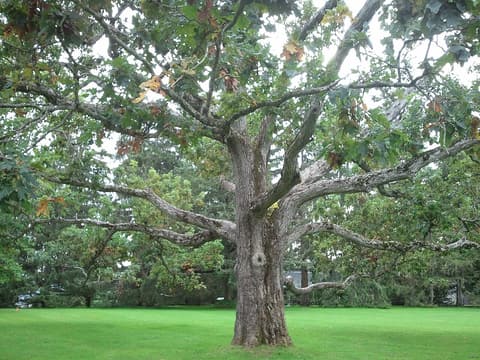
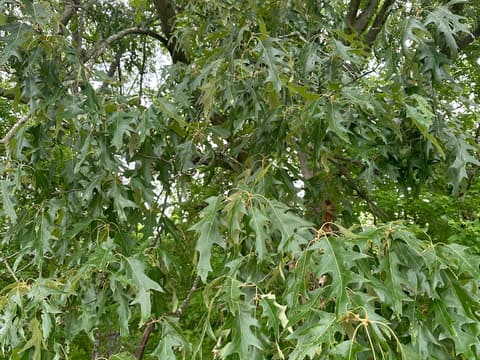
From proven parent trees
From the notebook
The newest articles

How to tell chinquapin oak from chestnut oak by leaf, acorn and bark, how fast each grows, how long it lives, and which suits limestone or a dry, acid ridge.
Why reservoirs and drinking watersheds are surrounded by forest, and what the trees do for the water

Why cities buy and keep woods around their drinking water, how forest soil, roots and shade protect it, how wide a stream buffer should be, and what to plant.

What a silk tent, a web at a branch tip, bags on an evergreen or oaks bare in June mean, why most need nothing, and when and how to step in without spraying.
Seasonal reading
Reading for October

Whether to plant trees in fall or spring where you live, how late in the year is too late, and how bare-root, potted and seed stock each keep their own season.

How to tell white oak acorns from red oak acorns, which oaks drop the biggest and smallest, what nuts look like acorns, and how many years until an oak bears.

Why fall leaves turn yellow, orange or red, what the red protects, how frost, drought and a warm fall change the show, and which native trees give each color.
Trees for honey
Plant the nectar flow
Black locust and basswood give two of the lightest, most sought-after honeys in the East, and black gum is a good honey tree in its own right. Sourwood, persimmon and summersweet fill the gaps in the season.
See the Honey Tree Trio


