Photo: Alice Wondrak-Biel, CC BY 2.0, cropped · Wikimedia Commons
Western Soapberry
Sapindus saponaria var. drummondii
Also called wild China tree, wild chinaberry, Indian soap plant, jaboncillo, Sapindus drummondii.
A tough tree of the southern Plains whose see-through golden berries lather like soap and hang on into winter, after yellow-gold fall color.
Be first when western soapberry is priced
Saplings ship bare-root or in a pot, usually 12 to 18 inches tall, in the dormant season, and their height and age are stated here with the price, once available.
We grow it as saplings and seed. One email when it is listed with prices, and nothing else. Or ask, and we reply with what is ready now. Live plants ship February to May and October to November.
Limited timeSign up now and get 10% off when it is ready.
Share: copy link
Western Soapberry at a glance
- Type
- Medium tree
- Mature height
- 20–50 ft
- USDA zones
- 5–9
- Growth rate
- Medium
- Flowers
- May to June
- Fruit
- Berries, September to February
- First crop
- 8 years
- Mature spread
- 30 ft
- Sun
- Full, Part
- Soil moisture
- Dry, Average
- Grows wild in
- Stream banks, dry uplands, rocky ground, floodplain forests, old fields and edges
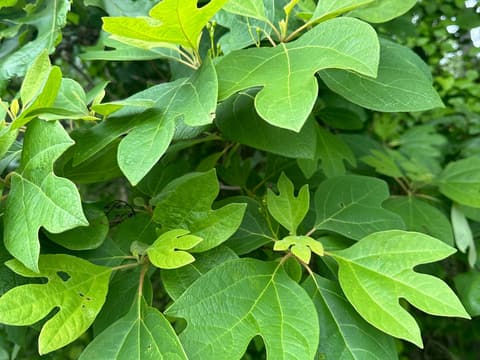
Western soapberry is a deciduous tree of the southern Plains and the Southwest, with long leaves of 8 to 18 slender leaflets and gray bark that breaks into scaly plates. Its berries are rich in saponin and lather in water, and Native Americans and early settlers made soap from them. The dark brown seeds were strung into necklaces and used as buttons. It shrugs off wind, heat, poor soil and city air. Its scaly trunk and persistent fruit give it winter interest, and it can serve as a street tree. Grow it as a shade or patio tree on dry, windy ground, or let it sucker into a small grove.
Size, growth and what to expect
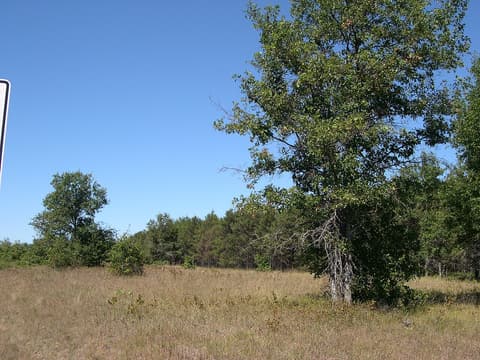
Western soapberry grows at a medium pace, about a foot and a half a year in our growth estimator. Expect a tree of 20 to 50 feet with a rounded crown 25 to 30 feet wide. It stays small in shallow soil and grows larger in deep soil.
Large clusters of creamy white flowers, up to 10 inches long, open in May and June. On female trees the berries, about half an inch across and see-through yellow, ripen in September and October. They turn black and hang on into late winter. Birds eat them, doves and songbirds nest in the crown, and the leaves feed the caterpillars of the soapberry hairstreak. The leaves turn yellow-gold in fall.
It grows wild from southwest Missouri and Kansas to Louisiana, Texas, New Mexico, Arizona, southern Colorado and northern Mexico. Look for it along streams, on dry limestone uplands and rocky hillsides, and at wood edges. NatureServe ranks it imperiled in Missouri and Colorado.
How to grow Western Soapberry
Western soapberry takes full sun or part shade, in dry to average soil that drains well. It grows in clay, sand or rocky limestone ground, takes alkaline soil and stands long droughts once established. It can sucker into a grove on a good site, so give it room. Plant it 15 feet from a wall and more than 50 feet from overhead wires, and set trees 25 feet apart.
Saplings ship bare-root or potted. Plant them dormant, from leaf fall until bud swell, in a hole wider than the roots and no deeper. Set the root flare at the soil line, put the native soil back in, and keep the mulch clear of the trunk. Soak the cleaned seed in cold water for five to seven days. Seed that swells can be sown three quarters of an inch deep, in fall or spring. Seed that stays small and hard needs hot water poured over it, then 60 to 90 days damp in the refrigerator before a spring sowing.
Water every week or two through the first summer, then only in a long drought. Seedlings put their first years into a strong taproot, so expect little top growth at first. Deer seldom browse it, but a tube keeps rabbits off the young stem. Pull or mow suckers where you want a single trunk.
Most trees are male or female, and only females bear the golden berries, so plant three or more seedlings for a male and a female. Female trees bear heavy crops nearly every year. Powdery mildew, leaf blight and leaf spot may appear in some areas. In Texas the soapberry borer, a beetle from Mexico first reported there in 2003, has spread to about 50 counties. Infested trees die back from the top and may die within three years, and soapberries show little resistance. The berries are poisonous if eaten, causing nausea, vomiting and diarrhea.
Heights and zones are typical ranges for the species in cultivation; local conditions and seed source shift them.
Sources (14)
- USDA Forest Service, Fire Effects Information System: Sapindus saponaria var. drummondii, Tirmenstein 1990
- USDA Forest Service, Woody Plant Seed Manual (2008), Sapindus chapter, Read and Zasada
- Missouri Botanical Garden Plant Finder: Sapindus drummondii
- Missouri Botanical Garden Plant Finder: Sapindus saponaria
- Lady Bird Johnson Wildflower Center: Sapindus saponaria var. drummondii
- NC State Extension Gardener Plant Toolbox: Sapindus drummondii
- Texas A&M Forest Service, Trees of Texas: western soapberry
- Texas A&M Forest Service: Soapberry Borer
- Texas A&M AgriLife, Texas Tree Selector: Western Soapberry
- Trees and Shrubs Online, International Dendrology Society: Sapindus drummondii
- Virginia Tech Dendrology: soapberry, Sapindus saponaria
- USDA NRCS PLANTS Database: Sapindus saponaria var. drummondii
- NatureServe Explorer: Sapindus saponaria var. drummondii
- Missouri Department of Conservation: Missouri Species and Communities of Conservation Concern Checklist 2024
Plan the planting
Check your site for it What to plant with it How big, how fast How much to water How to sow it How many for a crop When it flowers and fruits When to plant it where you live How far from the house and wires How old is yours Moving one you already have
Read before planting
- Ten planting mistakes that quietly kill trees
- Transplanting young trees: timing, water and protection
- Protecting young trees from voles, rabbits, deer and squirrels
- How fast every tree and shrub we grow gets tall: growth rate, A to Z
- Multistem or single stem? Sometimes the trunk is hiding the answer
- Leaf litter, not wood chips, under the canopy
Grows in the same conditions
Plants that share its sun and soil
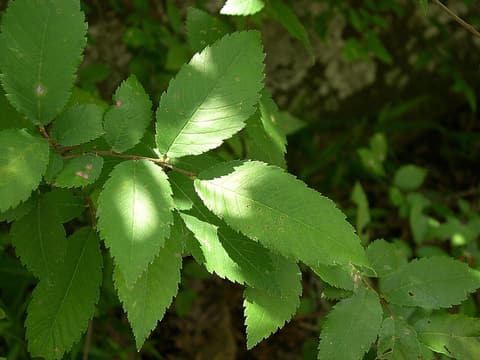
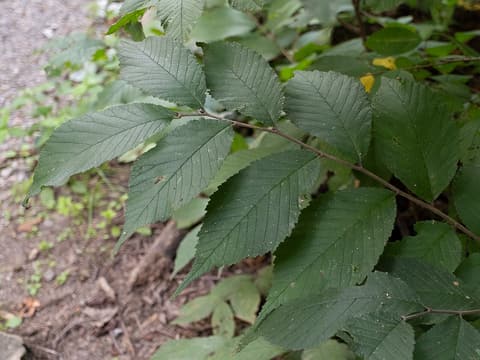
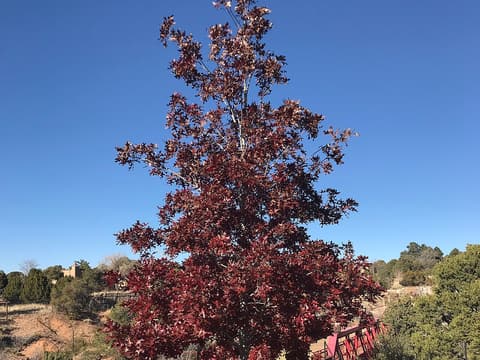
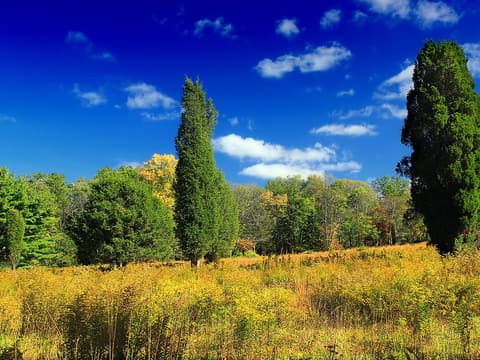
Under its canopy: Roughleaf Dogwood, Gray Dogwood and Downy Arrowwood.
More like this