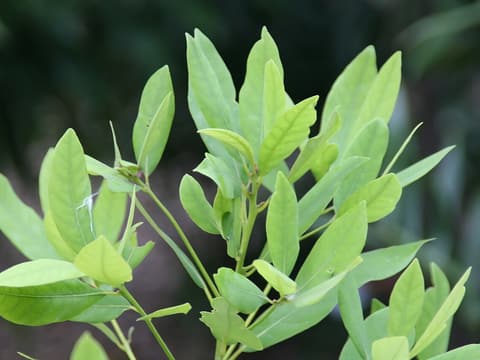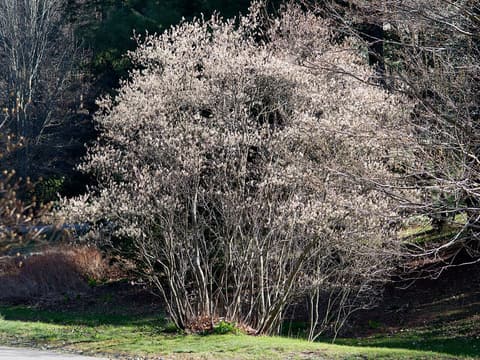
Shadblow Serviceberry
Amelanchier canadensis Small tree Zones 3–8 6–25 ft
Shares the coast, the forest understory, swamps and wet flats in the wild.

A native we do not grow
Persea palustris. Medium tree, 25 to 50 feet, zones 7 to 10; full sun, part shade or shade; dry, average or wet ground.
We do not grow swamp bay, and it is not in our shop. This page gathers what our tools say about it and the natives we grow for the same ground.
Laurel wilt has killed hundreds of millions of swamp bay and redbay trees across the coastal plains of the Southeast, along the Atlantic and the Gulf. Where the disease arrives, nearly all mature swamp bays may die within three to five years. Within two years of its arrival, nearly every bay in a stand dies back to the ground, except stems under an inch across.
| Form | Medium tree |
|---|---|
| Height, feet | 25 to 50; up to 73 in its native stands |
| Zones | 7 to 10 |
| Sun | Full sun, part shade or shade |
| Soil moisture | Dry, average or wet ground |
| Growth | Medium |
| Leaves | Evergreen |
| Traits | Wildlife value |
| Flowers | May to June |
| Fruit | Drupes, September to October |
| Pollination | Not known whether one bears alone |
| Black walnut | Not named on the Morton Arboretum's lists |
| Ground | The coast, the forest understory, swamps and wet flats |
| Native in | 11 states |
Swamp bay is native in 11 states: Alabama, Delaware, Florida, Georgia, Louisiana, Maryland, Mississippi, North Carolina, South Carolina, Texas and Virginia. The states are the USDA PLANTS Database's records, with the native range read from the Wildflower Center.
Its growth rate and its state champions are in the growth rate table and the state champion table.
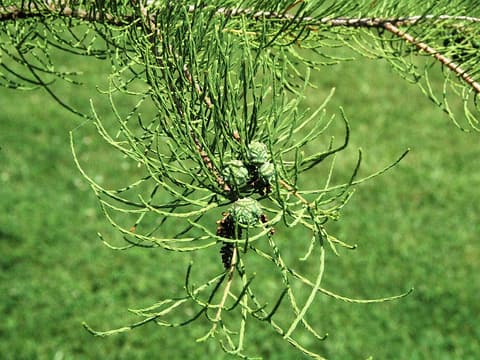
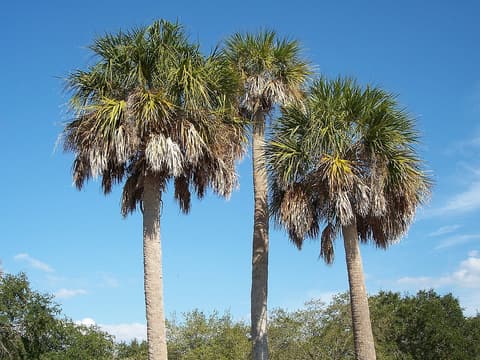
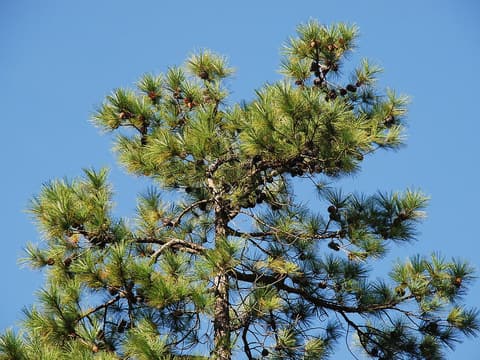
These trees we grow share the most of swamp bay's natural communities in the wild, by the companion species tool's rules.
Shares the coast, the forest understory, swamps and wet flats in the wild.
Shares the coast, swamps and wet flats in the wild.
Shares the coast, swamps and wet flats in the wild.
Shares the coast, swamps and wet flats in the wild.
Shares the coast, swamps and wet flats in the wild.
Shares the coast, swamps and wet flats in the wild.
Its figures come from the US Forest Service, the USDA PLANTS Database, NC State Extension, the Wildflower Center and the Florida Forest Service.