Photo: Melissa McMasters, CC BY 2.0 · Wikimedia Commons
Carolina Laurelcherry
Prunus caroliniana
Also called Carolina cherry laurel, cherry laurel, laurel cherry, Laurocerasus caroliniana.
A fast native evergreen for screens and hedges, with glossy leaves, fragrant late-winter flowers and black fruit for birds.
Carolina Laurelcherry at a glance
- Type
- Small tree
- Mature height
- 15–40 ft
- USDA zones
- 7–10
- Growth rate
- Fast
- Sun
- Full, Part, Shade
- Soil moisture
- Dry, Average
- Grows wild in
- The coast, sandy barrens, stream banks, old fields and edges
- Native range
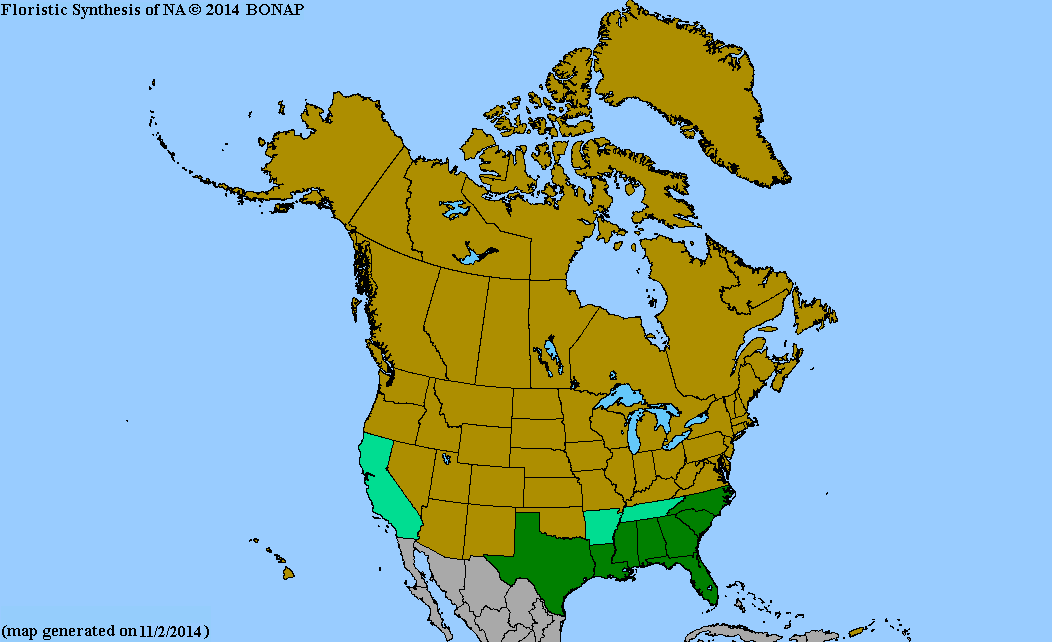
- 8 states, north to North Carolina, south to Florida and west to Texas Also recorded in 2 other states, outside its native range. See what is native in your state
List all 8
Alabama, Florida, Georgia, Louisiana, Mississippi, North Carolina, South Carolina and Texas
Carolina laurelcherry is an evergreen cherry of the southeastern Coastal Plain, probably native first to the maritime forests of the barrier islands. Its dense, glossy foliage made it a favorite for screens and clipped hedges across the Southeast. Unlike the wild plums and cherries we grow, it keeps its leaves all year. Crushed leaves and green twigs smell of maraschino cherry. Trained to one trunk it makes a small to medium street tree that fits a sidewalk tree pit or a strip 3 feet wide. Plant it as a quick evergreen screen or a tall hedge along a property line.
Size, growth and what to expect
Carolina laurelcherry grows fast, and our growth estimator gives it about two and three quarter feet a year while young. It makes a dense, upright tree 15 to 40 feet tall with a crown 15 to 25 feet wide, and it is often smaller in the open.
Small, creamy white flowers open in short, dense spikes among the leaves from February into April, and they are fragrant. The shiny black fruit, about half an inch long, ripens in September and October, and some hangs on through winter. Songbirds, wild turkeys, quail, raccoons and foxes eat it. Its leaves feed the caterpillars of the eastern tiger swallowtail and the coral hairstreak.
It grows wild on the Coastal Plain from southeastern North Carolina to Florida and west to eastern Texas, in maritime forests, stream bottoms and thickets. Most inland stands, as in Arkansas, grew from garden plants spread by birds, and now and then it escapes in California.
How to grow Carolina Laurelcherry
Carolina laurelcherry grows best in full sun and also takes part or full shade. It wants a well-drained soil of sand, loam or clay. Acid or alkaline soil suits it, and once rooted it takes drought. Do not plant it where water stands, since wet soil rots the roots. It takes some salt wind but not direct salt spray. Plant it 15 feet from a wall and 15 feet from overhead wires, and set trees 10 feet apart for a screen.
Saplings ship bare-root or potted. Plant them from fall into early spring, in a hole wider than the roots and no deeper. Set the root flare at the soil line, put the native soil back in, and keep the mulch clear of the trunk. Sow the cleaned pits in fall, half an inch deep under hardware cloth. For spring, keep them damp and warm for one to two months, then chill them in the refrigerator for two to three months.
Water weekly through the first summer, then only in a long drought, since too much water yellows and kills it. Regular trimming keeps a hedge dense. Keep prunings away from livestock and pets, since the leaves are poisonous, above all as they wilt. It self-sows freely, and hundreds of seedlings can come up under one tree in a year, so pull the ones you do not want.
A single tree sets fruit without a partner. Bees crowd the flowers. Borers attack trees weakened by drought, and mites, leaf spot and fire blight also show up.
Heights and zones are typical ranges for the species in cultivation; local conditions and seed source shift them.
Sources (10)
- Flora of North America, vol. 9: Prunus caroliniana
- NC State Extension Gardener Plant Toolbox: Prunus caroliniana
- UF/IFAS Extension, ENH-664/ST505: Prunus caroliniana, Cherry-Laurel
- Missouri Botanical Garden Plant Finder: Prunus caroliniana
- Lady Bird Johnson Wildflower Center: Prunus caroliniana
- Florida Native Plant Society: Prunus caroliniana
- Virginia Tech Dendrology: Carolina laurelcherry
- USDA Forest Service, Woody Plant Seed Manual (2008), Prunus chapter
- NatureServe Explorer: Prunus caroliniana
- BONAP North American Plant Atlas (2014): Prunus caroliniana state map
Check your site for it What to plant with it How big, how fast How much to water How to sow it How many for a crop When it flowers and fruits
- Ten planting mistakes that quietly kill trees
- Transplanting young trees: timing, water and protection
- Protecting young trees from voles, rabbits, deer and squirrels
- Multistem or single stem? Sometimes the trunk is hiding the answer
- Leaf litter, not wood chips, under the canopy
- Native trees and shrubs for butterflies and moths: host plants first, nectar second
Grows in the same conditions
Plants that share its sun and soil


More like this