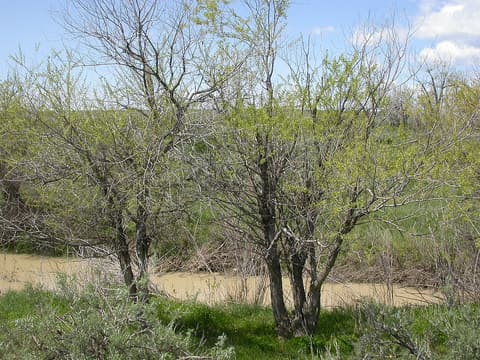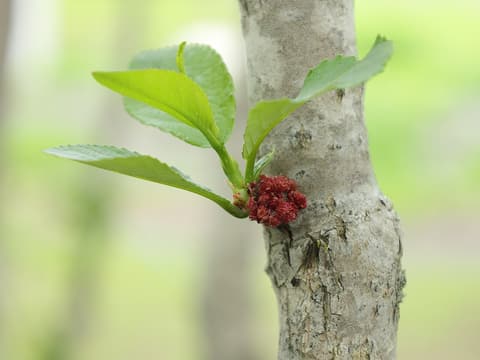
Balsam Poplar
Populus balsamifera Large tree Zones 2–5 30–100 ft
Shares swamps and wet flats in the wild.

A native we do not grow
Chamaecyparis lawsoniana. Large tree, 40 to 60 feet where planted, zones 5 to 10; full sun or part shade; average or wet ground.
We do not grow Port Orford cedar, and it is not in our shop. This page gathers what our tools say about it and the natives we grow for the same ground.
The root disease Phytophthora lateralis kills Port Orford cedar: once infected, seedlings and saplings die within weeks, and large trees within one to four years. It reached the wild stands from nurseries in the early 1950s and has caused wide dieback through most of the range. Its spores travel in water, and mud on equipment, livestock and nursery stock carries it to stands uphill and in other watersheds.
| Other names | Lawson cypress, Lawson falsecypress, Port Orford white cedar, Oregon cedar |
|---|---|
| Form | Large tree |
| Height, feet | 40 to 60 where planted; up to 266 in its native stands |
| Spread, feet | Up to 20 |
| Zones | 5 to 10 |
| Sun | Full sun or part shade |
| Soil moisture | Average or wet ground |
| Growth | Medium |
| Leaves | Evergreen |
| Traits | Wildlife value, hedge or screen, erosion control |
| Pollen | March |
| Fruit | Cones, September to October |
| First crop | 5 to 20 years |
| Pollination | One tree bears alone. Male and female cones grow on the same tree, often on the same branches, and the wind carries the pollen. A lone tree can pollinate itself. |
| Lifespan | Can live 1,755 years, and the oldest dated one reached 418. The 1,755 rings were counted on one stump. The Forest Service's reviews give lower maximums: near 600 years in the Fire Effects Information System and past 560 in Silvics. |
| Black walnut | Not named on the Morton Arboretum's lists |
| Ground | Rich moist slopes, swamps and wet flats |
| Native in | 2 states |
Port Orford cedar is native in 2 states: California and Oregon. The states are the USDA PLANTS Database's records, with the native range read from the Fire Effects Information System, NC State Extension and the Jepson eFlora.
Its growth rate, its lifespan and its state champions are in the growth rate table, the lifespan table and the state champion table.
These trees we grow share the most of Port Orford cedar's natural communities in the wild, by the companion species tool's rules.
Shares swamps and wet flats in the wild.
Shares swamps and wet flats in the wild.
Its figures come from Silvics of North America, the Forest Service's Fire Effects Information System, the Woody Plant Seed Manual, the USDA PLANTS Database, the Missouri Botanical Garden, NC State Extension, Oregon State University's Landscape Plants, Cal Poly's SelecTree, the Gymnosperm Database and the International Tree-Ring Data Bank.