California: the native trees and shrubs we grow
14 of the 444 trees and shrubs we grow are native to California by the USDA PLANTS records. A state record is a start, not a verdict on your ground.
14 of our 444 trees and shrubs are native to California
Recorded there by the USDA PLANTS Database, and native there by the tool's rules.
Native here does not mean hardy where you are. Each card gives its zones, and the ZIP code tool finds yours.
Want one of these? Email me when it is ready to order. Notify me
1 small tree
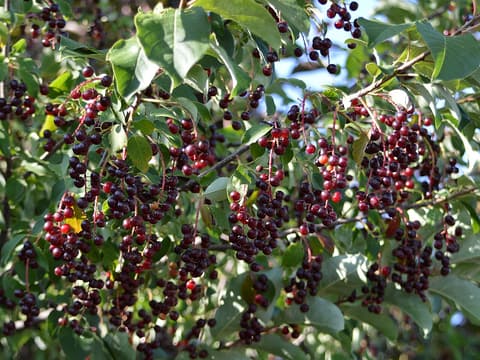
Ask what is ready: put it on my request list.
Want one of these? Email me when it is ready to order. Notify me
13 shrubs
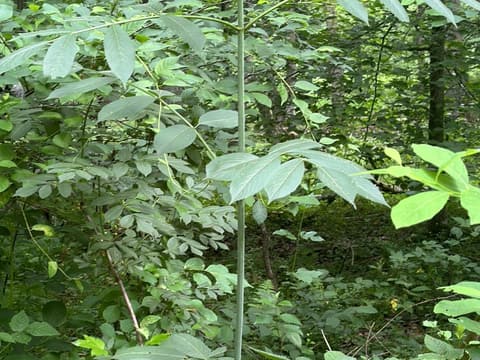
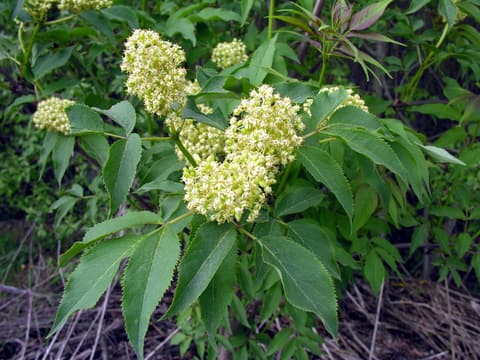
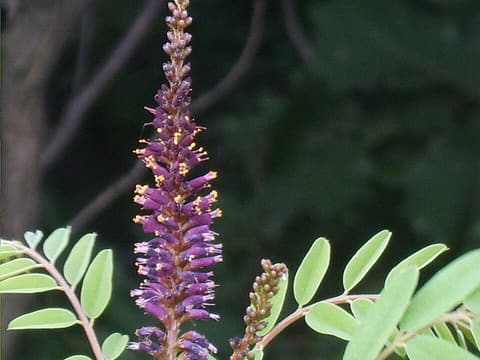
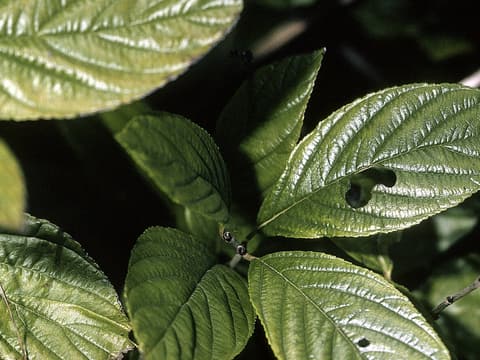
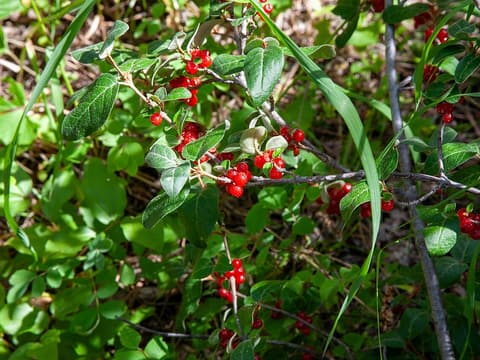
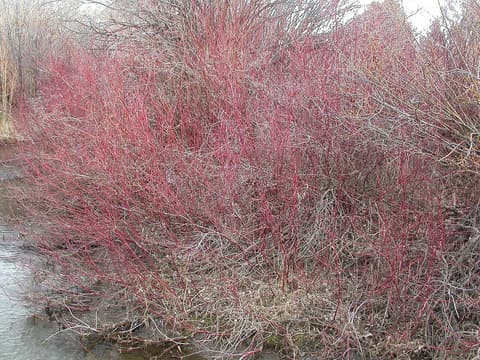
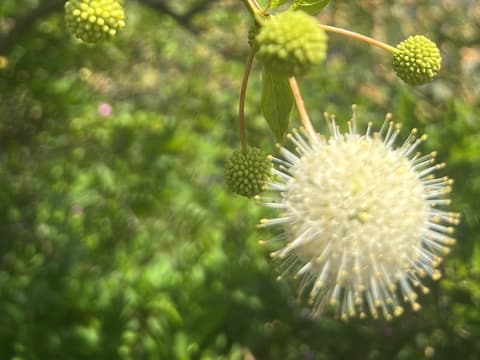
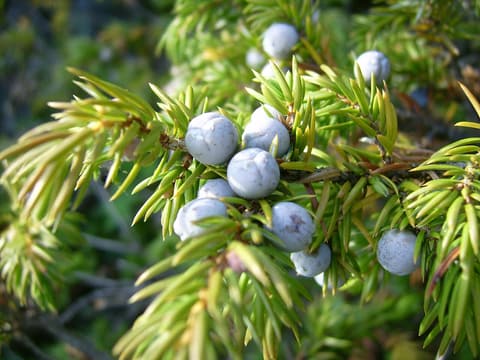
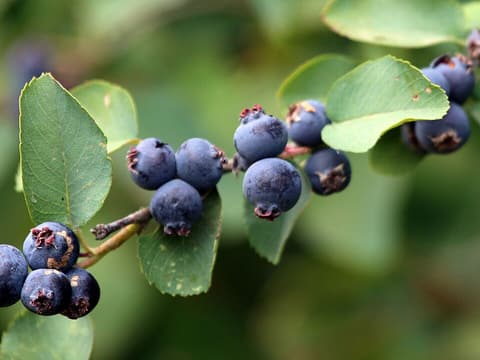
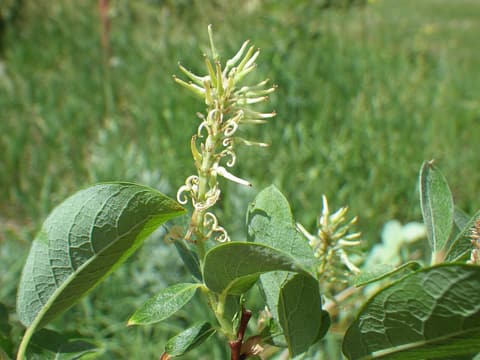
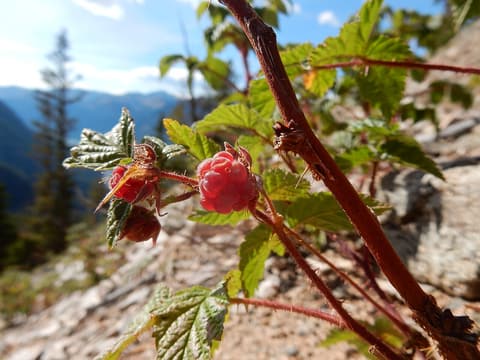
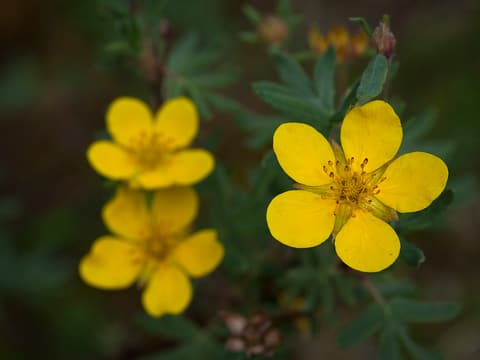
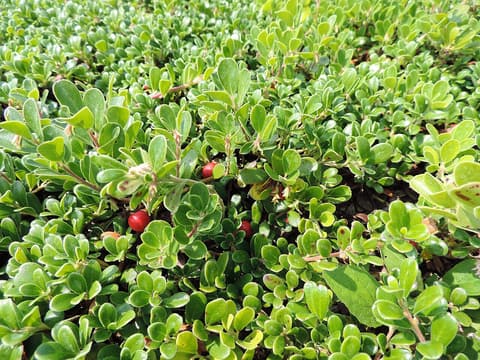
Recorded in California
Native only to part of the country
PLANTS records these growing wild in California, but their native range does not reach it. Each has spread here from planting or rests on an old or mistaken record. The sentence under each gives its native range or the reason.
Black Locust Robinia pseudoacacia
It grows wild in two blocks, the Appalachians from central Pennsylvania and southern Ohio south to northern Georgia and Alabama, and the Ozarks of Missouri, Arkansas and Oklahoma. It has since spread across the country.
American Persimmon Diospyros virginiana
It grows wild from southern Connecticut to southern Florida, west through central Pennsylvania, southern Ohio and central Illinois to Iowa, and south through Kansas and Oklahoma into Texas.
Bristly Locust (Rose Locust) Robinia hispida
It grows wild in the mountains from Virginia to Kentucky and south to Georgia and Alabama, in open woods, on mountain slopes and on sand hills, and it has spread far beyond that range.
Beaked Hazelnut Corylus cornuta
A western form, the California hazelnut, grows near the Pacific coast.
Chickasaw Plum Prunus angustifolia
Its original range probably lay west of the Mississippi, from Missouri and Kansas south to Texas and Louisiana, and Native peoples carried it east in prehistoric times.
Sugarberry Celtis laevigata
The USDA PLANTS Database counts the West's netleaf hackberry as a variety of sugarberry, so its map runs to Washington.
Carolina Laurelcherry Prunus caroliniana
Most inland stands, as in Arkansas, grew from garden plants spread by birds, and now and then it escapes in California.
Southern Catalpa Catalpa bignonioides
Its native ground is the Gulf coastal plain, from southwest Georgia and the Florida panhandle west through Alabama and Mississippi to Louisiana. After three centuries of planting it grows wild across most of the East.
Squashberry Viburnum edule
It grows wild from Alaska to Newfoundland, south to Oregon, Colorado, Minnesota and Pennsylvania.
Balsam Poplar Populus balsamifera
It grows wild across Canada and Alaska and south to Minnesota, Michigan, New York and Maine, with scattered stands as far south as Iowa, Pennsylvania and West Virginia.
Large Cranberry Vaccinium macrocarpon
It is grown on the Pacific coast too, and it has escaped there.
Trumpet Creeper Campsis radicans
Vines from gardens have also gone wild in New England, Michigan, Iowa and Colorado.
Allegheny Blackberry Rubus allegheniensis
It has strayed into British Columbia and California, where it is rare.
Summer Grape Vitis aestivalis
It grows wild from southern Maine and Ontario west to Minnesota and Kansas, and south to Florida and Texas.
Native to California
64 other native trees and shrubs we do not grow
Common natives of California by the USDA PLANTS Database's records, with each one's native range read from the sources its page names. We do not grow them, so there is no price or sign-up for them here; each name opens a page of what our tools say about it.
Alaska Yellow Cedar Callitropsis nootkatensisBigleaf Maple Acer macrophyllumBitter Cherry Prunus emarginataBlack Cottonwood Populus trichocarpaBlue Oak Quercus douglasiiBoxelder Acer negundoCalifornia Bay Laurel Umbellularia californicaCalifornia Black Oak Quercus kelloggiiCalifornia Buckeye Aesculus californicaCalifornia Red Fir Abies magnificaCalifornia Sycamore Platanus racemosaCanyon Live Oak Quercus chrysolepisCoast Live Oak Quercus agrifoliaCoast Redwood Sequoia sempervirensColorado Pinyon Pinus edulisCurlleaf Mountain Mahogany Cercocarpus ledifoliusDouglas-fir Pseudotsuga menziesiiEngelmann Spruce Picea engelmanniiFremont Cottonwood Populus fremontiiGiant Chinquapin Chrysolepis chrysophyllaGiant Sequoia Sequoiadendron giganteumGrand Fir Abies grandisGray Pine Pinus sabinianaGreat Basin Bristlecone Pine Pinus longaevaHoney Mesquite Prosopis glandulosaIncense Cedar Calocedrus decurrensInterior Live Oak Quercus wislizeniJeffrey Pine Pinus jeffreyiKnobcone Pine Pinus attenuataLimber Pine Pinus flexilisLodgepole Pine Pinus contortaMonterey Cypress Hesperocyparis macrocarpaMonterey Pine Pinus radiataMountain Hemlock Tsuga mertensianaNarrowleaf Cottonwood Populus angustifoliaNoble Fir Abies proceraOregon Ash Fraxinus latifoliaOregon Crabapple Malus fuscaOregon White Oak Quercus garryanaPacific Dogwood Cornus nuttalliiPacific Madrone Arbutus menziesiiPacific Silver Fir Abies amabilisPacific Yew Taxus brevifoliaPonderosa Pine Pinus ponderosaPort Orford Cedar Chamaecyparis lawsonianaQuaking Aspen Populus tremuloidesRed Alder Alnus rubraSingleleaf Pinyon Pinus monophyllaSitka Spruce Picea sitchensisSnowberry Symphoricarpos albusSubalpine Fir Abies lasiocarpaSugar Pine Pinus lambertianaTanoak Notholithocarpus densiflorusUtah Juniper Juniperus osteospermaValley Oak Quercus lobataVine Maple Acer circinatumWater Birch Betula occidentalisWestern Hemlock Tsuga heterophyllaWestern Juniper Juniperus occidentalisWestern Red Cedar Thuja plicataWestern White Pine Pinus monticolaWhite Alder Alnus rhombifoliaWhite Fir Abies concolorWhitebark Pine Pinus albicaulis
Recorded in California
6 more we do not grow, growing wild here but not native
The USDA PLANTS Database records these growing wild in California, beyond the native range their records give, so they count here as naturalized, not native. We do not grow them; each name opens a page of what our tools say about it.
Honeylocust Gleditsia triacanthosOsage-orange Maclura pomiferaSilver Maple Acer saccharinumSmooth Sumac Rhus glabraSweetgum Liquidambar styracifluaVelvet Mesquite Prosopis velutina
416 of our trees and shrubs are not recorded in California
Not recorded growing wild there by PLANTS. Many still grow well there when planted: hardiness, soil and sun decide that, not the state line. Every tree and shrub we grow, A to Z gives each one's zones, and the tree finder narrows them to your zone, sun and soil.
The California Native Plant Society's Calscape helps gardeners select, find and grow local California native plants. Its list of California nurseries links to the inventory each nursery keeps on Calscape. CAL FIRE's Reforestation Services Program grows native conifer seedlings for private and public forest land, ordered the year before pickup.
A tree or shrub shipped into California may fall under the state's own quarantine rules. The National Plant Board publishes each state's summary for shippers, and our terms ask you to comply with your state's plant-import rules. For the spot itself, the planting-site check asks about its zone, sun and soil.
Be first
Email me when any of these 12 is ready to order
Limited timeSign up now and get 10% off when it is ready.
One email per plant you tick, when it is priced, and nothing else. Each carries a code for 10% off the plants in that order, not shipping or tax. Or ask, and we reply with what is ready now.
While you wait, ask what is ready now.
More about this tool
How the lists are made
A tree or shrub is listed when the USDA PLANTS Database records it growing wild in the state. It counts as native there unless PLANTS lists it as introduced, or a narrower native range is on record. The range records come from the Forest Service's Silvics of North America, NatureServe Explorer, the NRCS plant guides or the state floras. Then it is listed as introduced, or apart under its page's own range sentence. The ten rules in full, their sources and what a state line can and cannot tell you are on the native trees by state page. Each plant page states its native range in words. Every species we grow, with the states where it is native, is in the native range table, A to Z.
Sources: USDA, NRCS. The PLANTS Database (https://plants.usda.gov), state records read between 2026-09-23 and 2026-11-09. National Plant Data Team, Greensboro, NC USA. NatureServe. 2026. NatureServe Explorer (https://explorer.natureserve.org), state records read on 2026-10-05. NatureServe, Arlington, Virginia.
The address carries the native trees by state tool's inputs, so a link opens it filled in, and Copy link on a result writes one: state (a state's two letters, such as OH), sort (featured, name, price-asc, price-desc, height, hardy or fast). For example, /tools/native/?state=MD.