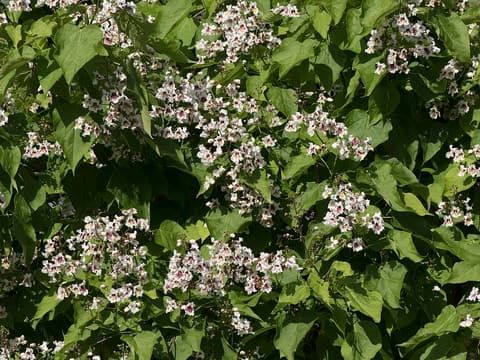
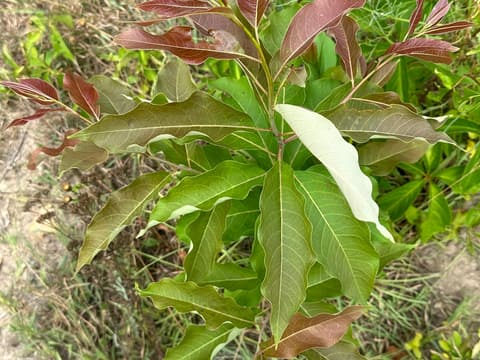
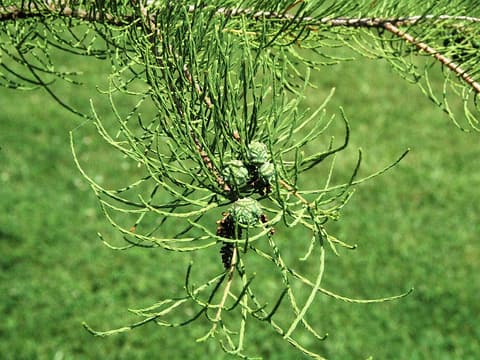
Photo: Matt Lavin, CC BY-SA 2.0, cropped · Wikimedia Commons
Peachleaf Willow
Salix amygdaloides
Also called almond willow, Wright willow, Salix nigra var. amygdaloides.
The tallest native willow of the prairie states, a fast tree for stream banks and wet ground with peach-like leaves that are whitish beneath.
Be first when peachleaf willow is priced
Saplings ship bare-root or in a pot, usually 12 to 18 inches tall, in the dormant season, and their height and age are stated here with the price, once available.
We grow it as saplings. One email when it is listed with prices, and nothing else. Or ask, and we reply with what is ready now. Live plants ship February to May and October to November.
Limited timeSign up now and get 10% off when it is ready.
Share: copy link
Peachleaf Willow at a glance
- Type
- Medium tree
- Mature height
- 35–60 ft
- USDA zones
- 2–8
- Growth rate
- Fast
- Flowers
- April to June
- Fruit
- Cottony seed, May to June
- First crop
- 5 to 10 years
- Mature spread
- 35 ft
- Sun
- Full, Part
- Soil moisture
- Average, Wet
- Grows wild in
- Stream banks, floodplain forests, swamps and wet flats
- Native range
- 29 states, north to North Dakota, south to Texas, east to Vermont and west to Oregon See what is native in your state
List all 29
Arizona, Colorado, Idaho, Illinois, Indiana, Iowa, Kansas, Kentucky, Michigan, Minnesota, Missouri, Montana, Nebraska, Nevada, New Mexico, New York, North Dakota, Ohio, Oklahoma, Oregon, Pennsylvania, South Dakota, Texas, Utah, Vermont, Washington, West Virginia, Wisconsin and Wyoming
Peachleaf willow is the most common tree willow of the eastern Great Plains and the tallest native willow of the prairie states. It grows on river bars, stream and pond banks, sloughs and wet sand from Quebec to British Columbia and south to Texas and Arizona. Its long, pointed leaves are yellow-green above and whitish beneath, shaped like a peach's. Its roots run fast and deep, among the quickest of any streamside tree. It is important in protecting riverbanks from erosion. Use it to hold a stream bank or a pond edge, or for quick shade on low, wet ground.
Size, growth and what to expect
Peachleaf willow grows fast, about 2.75 feet a year in our growth estimator. Expect 35 to 60 feet, on one trunk or several, with a spreading, slightly weeping crown 25 to 35 feet wide. It is short-lived.
Catkins open with the leaves from April to June, and the female catkins shed tiny seeds on silky hairs in May and June, when spring floods spread them. Deer, moose, elk and beavers eat the twigs, and house wrens, woodpeckers, flickers, doves and ducks nest in it. Bald eagles nest in tall trees, and the leaves feed mourning cloak and viceroy caterpillars.
It grows wild from Quebec and New York west to British Columbia and Washington, and south to Kentucky, Texas, New Mexico and Arizona. It is most common along the rivers of the Great Plains. NatureServe ranks it critically imperiled in Vermont and West Virginia, and it is gone from Kentucky.
How to grow Peachleaf Willow
Peachleaf willow needs full sun or light shade and ground that stays moist, with a high water table. It grows in sand, silt or gravel and takes flooding, but not heavy clay that dries hard or salty soil. Its roots spread wide and fast toward water, so keep it away from drains, septic fields and foundations. Plant it 30 feet from a wall and more than 50 feet from overhead wires, and set trees 25 feet apart.
Saplings ship bare-root or potted. Plant them dormant, from leaf fall until bud swell, in a hole wider than the roots and no deeper. Set the root flare at the soil line, put the native soil back in, and keep the mulch clear of the trunk. The seed lives only a few days, too short a time to sell it as a packet. To raise your own, sow it on the surface of wet, bare soil the day the capsules open, and keep it moist. It sprouts within a day, though dormant cuttings root more easily than seed.
Water weekly through the first summer unless the ground stays wet. Guard young trees with a cage against deer, rabbits and beavers for the first few years. Prune in the dormant season to the strongest trunks, since it often grows several that lean.
Trees are male or female, and only females shed the cottony seed. Willow seedlings bear their first seed at 5 to 10 years. Its wood is soft and weak, so wind and ice can break limbs, and the tree is short-lived. Insects, diseases and wind damage are its main troubles.
Heights and zones are typical ranges for the species in cultivation; local conditions and seed source shift them.
Sources (12)
- USDA Forest Service, Fire Effects Information System: Salix amygdaloides
- USDA NRCS Plant Guide: peachleaf willow, Salix amygdaloides
- Flora of North America, vol. 7: Salix amygdaloides
- Lady Bird Johnson Wildflower Center: Salix amygdaloides
- University of Minnesota, Urban Forestry: Peachleaf willow, Salix amygdaloides
- Minnesota Department of Natural Resources: Peachleaf willow
- USDA Forest Service, Woody Plant Seed Manual (2008), Salix chapter
- USDA NRCS PLANTS Database: Salix amygdaloides
- NatureServe Explorer: Salix amygdaloides
- Kentucky State Nature Preserves Commission: Kentucky Rare Plant List 2022
- Vermont Fish and Wildlife Department: Rare and Uncommon Native Vascular Plants of Vermont, 2024
- West Virginia Division of Natural Resources: Rare, Threatened and Endangered Plants
Plan the planting
Check your site for it What to plant with it How big, how fast How much to water How to sow it How many for a crop When it flowers and fruits When to plant it where you live How far from the house and wires How old is yours Moving one you already have
Read before planting
- Ten planting mistakes that quietly kill trees
- Transplanting young trees: timing, water and protection
- Protecting young trees from voles, rabbits, deer and squirrels
- How fast every tree and shrub we grow gets tall: growth rate, A to Z
- Multistem or single stem? Sometimes the trunk is hiding the answer
- Leaf litter, not wood chips, under the canopy
Other willows (Salix) we grow: Bebb's Willow, Carolina Willow, Florida Willow and Missouri River Willow.
Grows in the same conditions
Plants that share its sun and soil
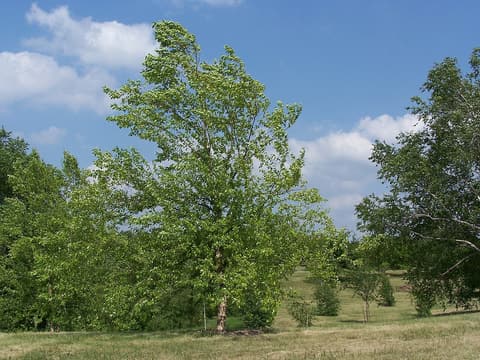
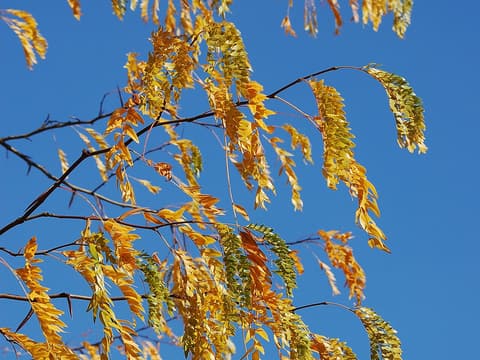
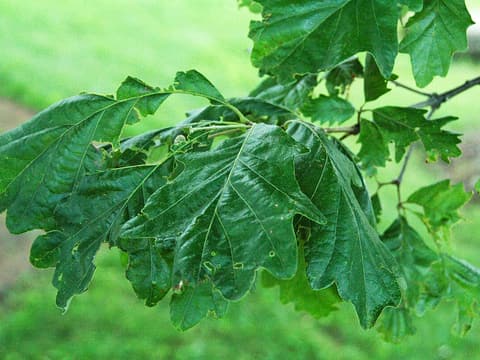
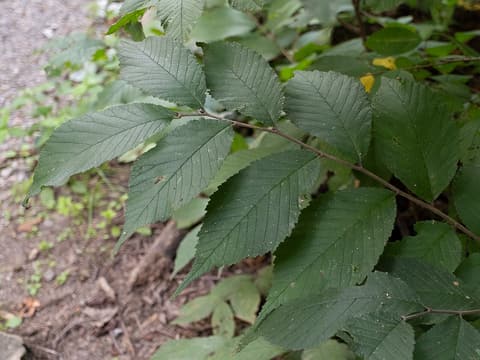
Under its canopy: Virginia Sweetspire, Dwarf Palmetto and Wild Black Currant.
More like this