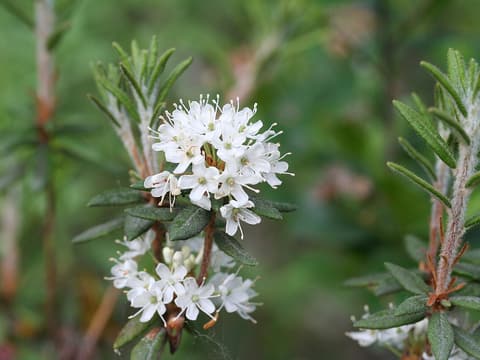
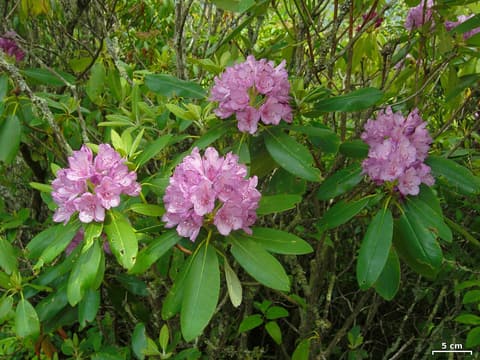
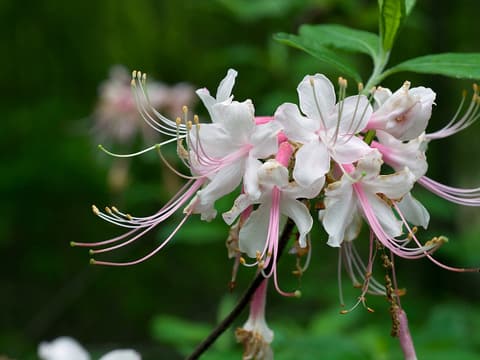
Photo: Raul654, CC BY-SA 3.0, cropped · Wikimedia Commons
Chapman's Rhododendron
Rhododendron chapmanii
Also called Chapman rhododendron, Rhododendron minus var. chapmanii.
An evergreen rhododendron that stands Deep South heat, with rose-pink flower clusters in early spring, wild only in a few counties of north Florida.
Be first when Chapman's rhododendron is priced
Saplings ship in a pot, usually 12 to 18 inches tall, in the dormant season, and their height and age are stated here with the price, once available.
We grow it as saplings and seed. One email when it is listed with prices, and nothing else. Or ask, and we reply with what is ready now. Live plants ship February to May and October to November.
Limited timeSign up now and get 10% off when it is ready.
Share: copy link
Chapman's Rhododendron at a glance
- Type
- Shrub
- Mature height
- 3–8 ft
- USDA zones
- 7–9
- Growth rate
- Medium
- Flowers
- March to April
- Fruit
- Capsules, September to November
- First crop
- About 3 years
- Mature spread
- 6 ft
- Sun
- Part
- Soil moisture
- Average
- Grows wild in
- Sandy barrens, swamps and wet flats
- Native range
- Florida See what is native in your state
Chapman's rhododendron is an evergreen shrub that grows wild only in Florida. It may be the only evergreen rhododendron that takes the heat of the Deep South and is easy to grow there. Some botanists treat it as a variety of our Piedmont rhododendron. It differs in its rounded leaf tips, shorter leaf stalks and stiff, upright branches, and it grows about 120 miles from the nearest wild Piedmont rhododendron. It is listed as endangered under the federal Endangered Species Act. Florida lists it as endangered too. Mass it in light shade at a woodland edge, where its spring flowers light up a southern garden.
Size, growth and what to expect
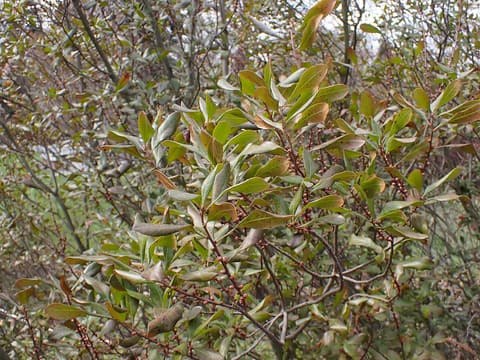
Chapman's rhododendron grows at a medium pace, about a foot and a half a year in our growth estimator. It makes an open, upright shrub 3 to 8 feet tall and 3 to 6 feet wide, and old wild plants reach 10 feet. Its thick, leathery leaves run 1 to 3 inches long, rounded at the tip, curled under at the edges and dotted with rusty scales beneath.
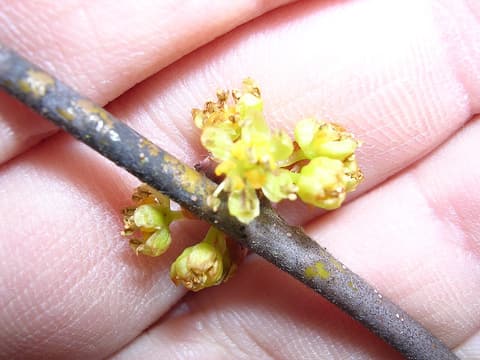
Rose-pink, funnel-shaped flowers 1 to 1.5 inches long open in March and April, in clusters of 4 to 12 at the branch tips. Bumble bees find them especially valuable, and hummingbirds visit too. The narrow capsules ripen in fall and stay on the plant nearly all year. In the wild a fire now and then spurs it to sprout and flower.
It grows wild only in north Florida, mostly in Gadsden, Liberty and Gulf counties near the Apalachicola River. Its home is the seasonally wet edge where longleaf pine flatwoods and sandhills meet titi bogs. The last full survey, in 1997, counted 2,642 plants, and NatureServe ranks it critically imperiled.
How to grow Chapman's Rhododendron
Chapman's rhododendron does best in high, bright shade or part shade, since full sun can scorch its leaves. It wants a moist, acid, sandy loam rich in organic matter that drains well, and its roots rot where water stands. Keep it out of salt spray. Set plants 4 feet apart and keep them 3 feet from a wall. At its size it can go within 15 feet of overhead wires.
Saplings ship potted. Plant them in early spring or fall, in a hole three times as wide as the root ball and no deeper. Set the top of the ball a little above the soil, put the native soil back in, and mulch with pine needles or leaves, kept off the stems. The seed is dust-fine and needs light but no chilling. Sow it in winter on the surface of damp milled sphagnum, uncovered, at room temperature, with at least 8 hours of light a day. Most seedlings come up within a month.
Water weekly through the first two summers. Deer damage it often, so cage young plants where deer are common. Prune, if at all, right after it flowers, since next year's flower buds form by mid to late summer.
Each flower carries both male and female parts. In its close relative Piedmont rhododendron, each flower sheds its pollen days before it can receive pollen, so bees must carry it. Plant two or more seedlings from different parents for a fuller set of seed. Lace bugs, aphids and mites can mark the leaves, and root rot takes plants in soil that stays wet. Every part of the plant is poisonous if eaten. Saplings and seed are shipped only in state and otherwise pickup only.
Heights and zones are typical ranges for the species in cultivation; local conditions and seed source shift them.
Sources (10)
- NC State Extension Gardener Plant Toolbox: Rhododendron minus var. chapmanii
- Lady Bird Johnson Wildflower Center: Rhododendron chapmanii
- Flora of North America, vol. 8: Rhododendron minus var. chapmanii
- NatureServe Explorer: Rhododendron chapmanii
- Florida Natural Areas Inventory: Field Guide to the Rare Plants of Florida, Chapman's rhododendron, 2000
- Florida Natural Areas Inventory: tracking list
- Florida Administrative Code, Rule 5B-40.0055, Regulated Plant Index, effective January 8, 2020
- U.S. Fish and Wildlife Service: 50 CFR 17.12, Endangered and threatened plants, Electronic Code of Federal Regulations
- USDA Forest Service, Woody Plant Seed Manual (2008), Rhododendron chapter, Blazich and Rowe
- Arocha, Blazich, Warren, Thetford and Berry 1999, Seed germination of Rhododendron chapmanii: influence of light and temperature, Journal of Environmental Horticulture 17(4): 193-196
Plan the planting
Check your site for it What to plant with it How big, how fast How much to water How to sow it How many for a crop When it flowers and fruits When to plant it where you live How far from the house and wires How old is yours
Read before planting
- Ten planting mistakes that quietly kill trees
- Transplanting young trees: timing, water and protection
- Protecting young trees from voles, rabbits, deer and squirrels
- How fast every tree and shrub we grow gets tall: growth rate, A to Z
- The habitat around a tree is part of the tree
- Invasive vines and shrubs are what is killing your woods
We grow 21 other rhododendrons and azaleas (Rhododendron): see them all.
Grows in the same conditions
Plants that share its sun and soil
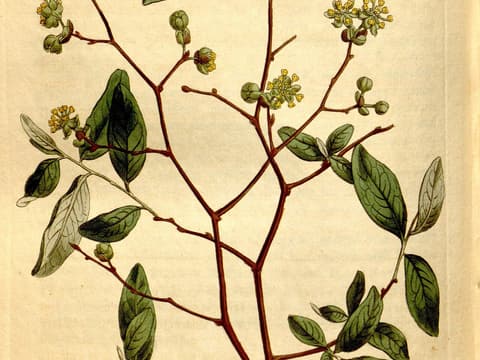
Trees to plant it under: Loblolly Bay, Pond Pine and Redbay.
More like this