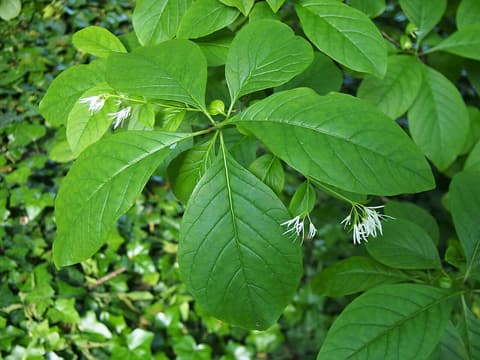
Chalk Maple
Acer leucoderme Small tree Zones 5–9 25–30 ft
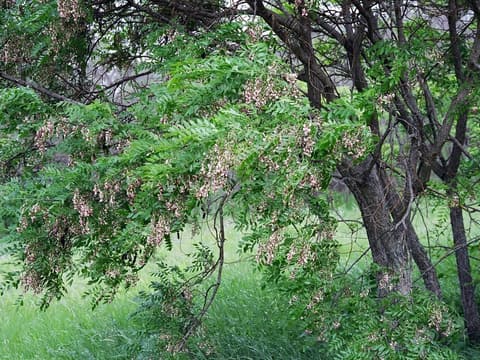
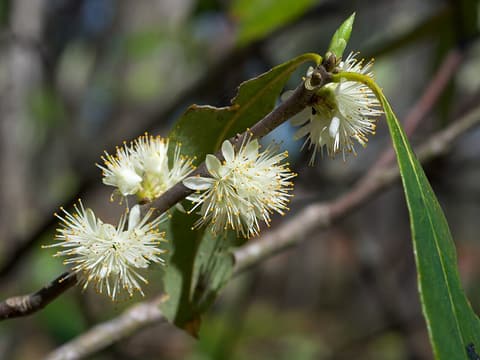
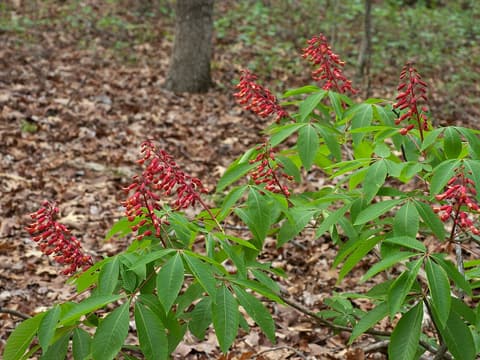
Shares stream banks, rich moist slopes and the forest understory in the wild.

A native we do not grow
Acer grandidentatum. Small tree, 10 to 50 feet, zones 3 to 8; full sun, part shade or shade; dry or average ground.
We do not grow bigtooth maple, and it is not in our shop. This page gathers what our tools say about it and the natives we grow for the same ground.
| Other names | Western sugar maple, Rocky Mountain sugar maple, big-toothed maple, Uvalde bigtooth maple, southwestern bigtooth maple, Sabinal maple, western mountain sugar maple, Acer saccharum subsp. grandidentatum |
|---|---|
| Form | Small tree |
| Height, feet | 10 to 50 |
| Spread, feet | Up to 35 |
| Zones | 3 to 8 |
| Sun | Full sun, part shade or shade |
| Soil moisture | Dry or average ground |
| Growth | Medium |
| Leaves | Deciduous |
| Traits | Fall color, wildlife value, street tree, erosion control |
| Flowers | March to July |
| Fruit | Samaras, August to November |
| Pollination | Separate male and female trees. Some bigtooth maples carry only male flowers, while others carry female flowers or both, so plant several if you want seed. |
| Lifespan | The oldest tree dated by its rings was at least 168 years. Only a tiny share of trees has ever been aged, and one New Mexico inventory tree was counted at 250 years in 1999, against 180 for the next oldest. |
| Planting season | Fall or spring. FEIS advises moving young trees in early spring while they are dormant, and Utah State University Extension digs dormant trees in fall or early spring. |
| Black walnut | Not named on the Morton Arboretum's lists |
| Ground | Stream banks, rich moist slopes, the forest understory and dry uplands |
| Native in | 9 states |
Bigtooth maple is native in 9 states: Arizona, Colorado, Idaho, Montana, Nevada, New Mexico, Texas, Utah and Wyoming. The states are the USDA PLANTS Database's records, with the native range read from the Fire Effects Information System, the Wildflower Center and NatureServe Explorer. The USDA PLANTS Database also records it growing wild beyond that range in Washington, where it is naturalized, not native.
These trees we grow share the most of bigtooth maple's natural communities in the wild, by the companion species tool's rules.
Shares stream banks, rich moist slopes and the forest understory in the wild.
Shares stream banks, the forest understory and dry uplands in the wild.
Shares stream banks, rich moist slopes and the forest understory in the wild.
Shares stream banks, rich moist slopes and the forest understory in the wild.
Shares stream banks, rich moist slopes and the forest understory in the wild.
Shares stream banks, rich moist slopes and the forest understory in the wild.
Its figures come from the Forest Service's Fire Effects Information System, the USDA PLANTS Database, UF/IFAS Extension, Utah State University Extension, Oregon State University's Landscape Plants, the University of Arizona Cooperative Extension, Virginia Tech's dendrology site, the Wildflower Center and the US Forest Service.