Colorado: the native trees and shrubs we grow
37 of the 444 trees and shrubs we grow are native to Colorado by the USDA PLANTS records. A state record is a start, not a verdict on your ground.
37 of our 444 trees and shrubs are native to Colorado
Recorded there by the USDA PLANTS Database, and native there by the tool's rules.
Native here does not mean hardy where you are. Each card gives its zones, and the ZIP code tool finds yours.
Want one of these? Email me when it is ready to order. Notify me
2 large trees
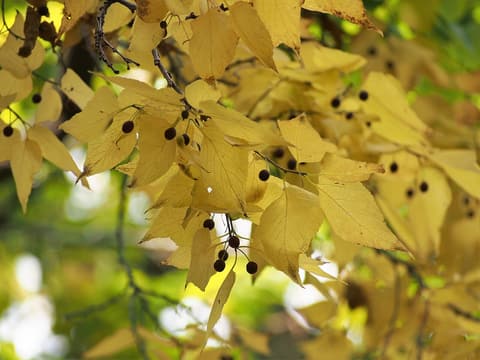
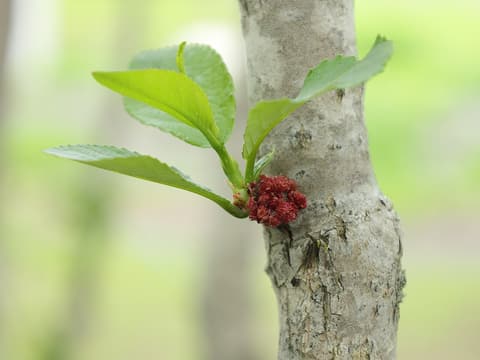
Ask what is ready: put these 2 on my request list.
Want one of these? Email me when it is ready to order. Notify me
3 medium trees
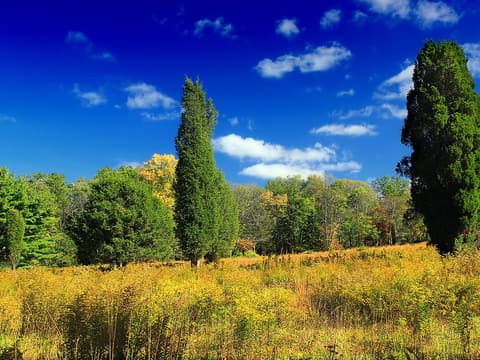
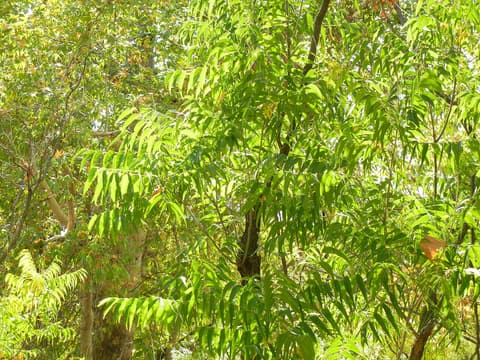
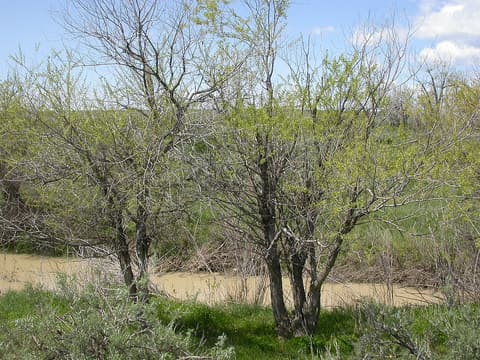
6 small trees
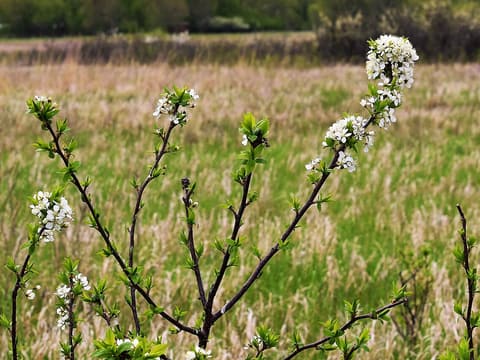
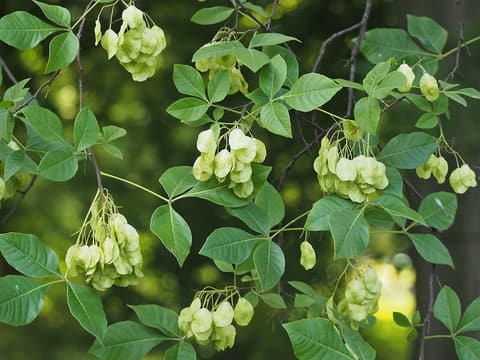
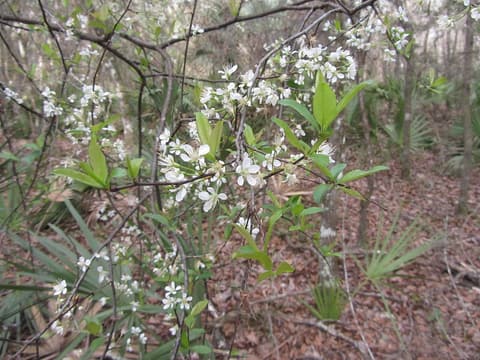
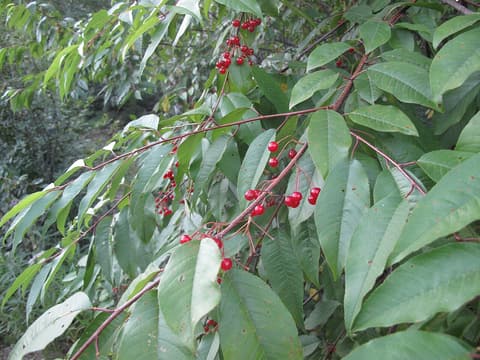
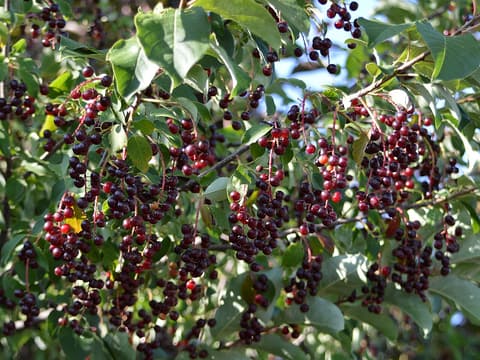
26 shrubs
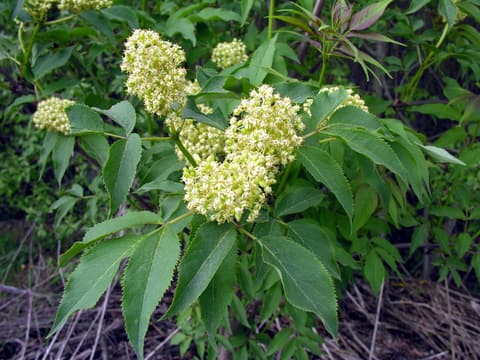
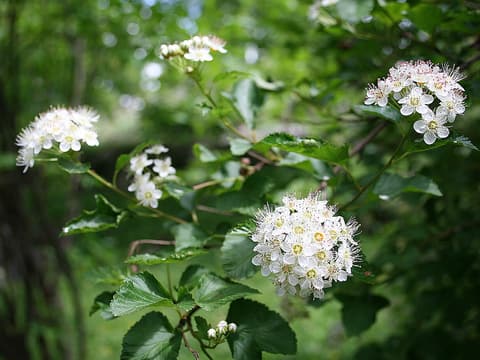
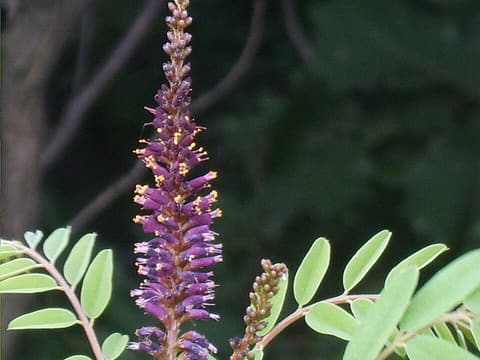
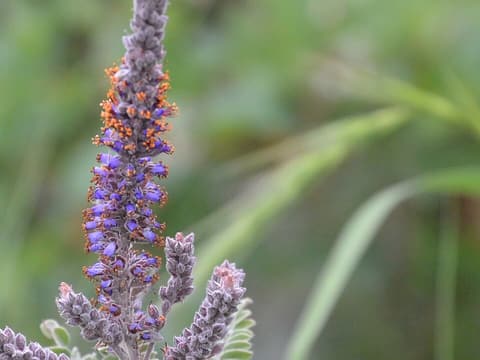
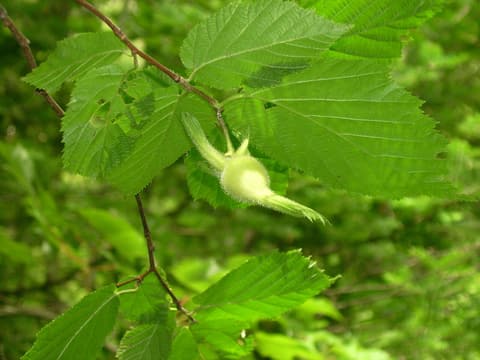
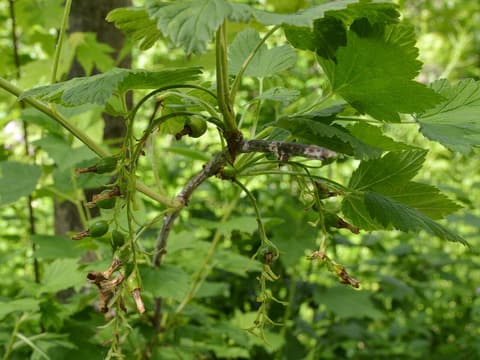
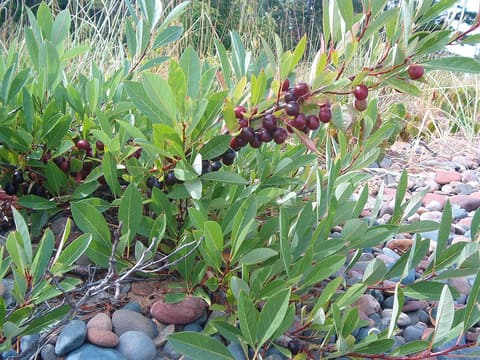
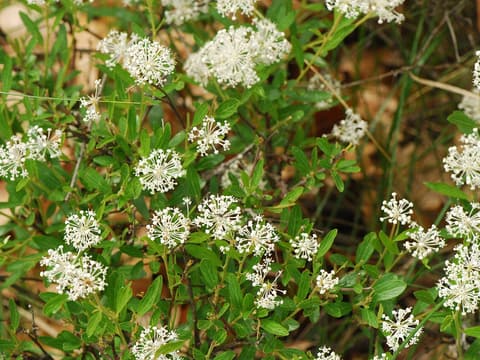
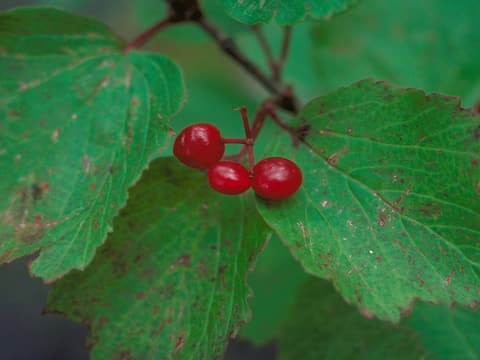
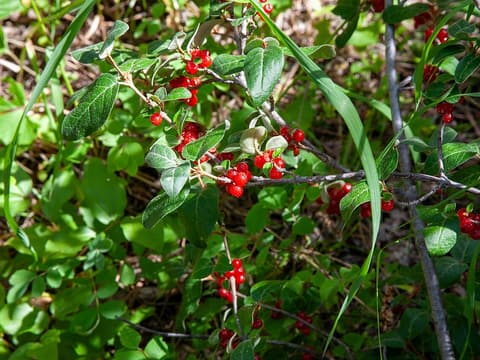
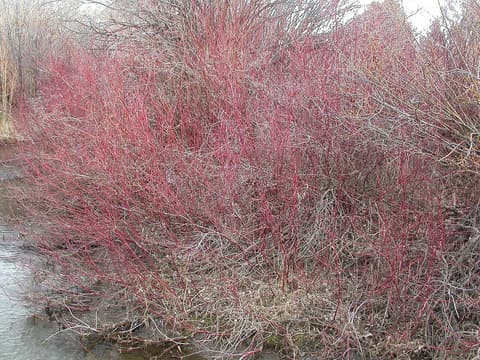
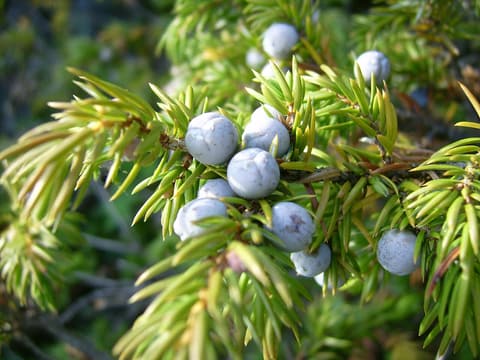
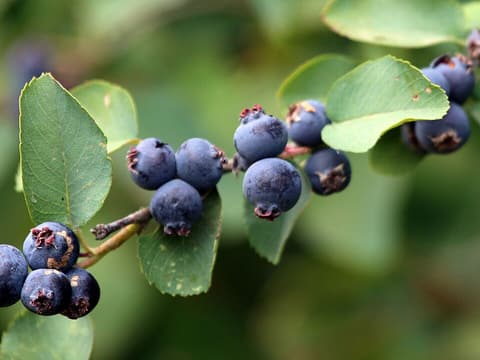
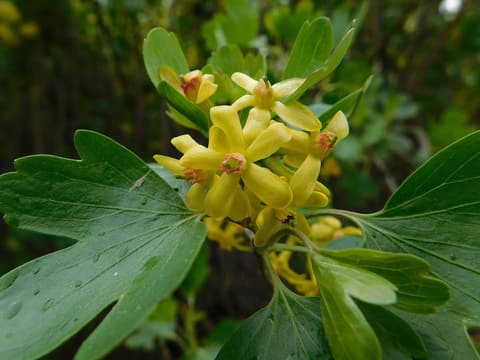
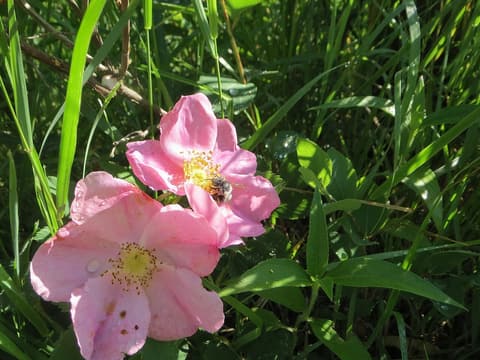
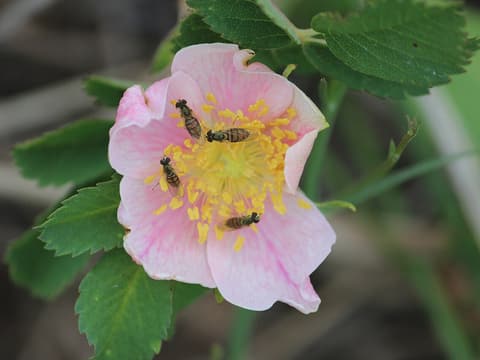
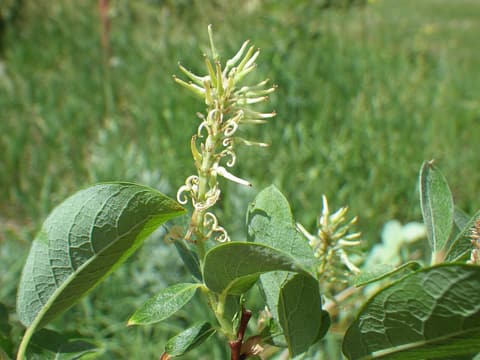
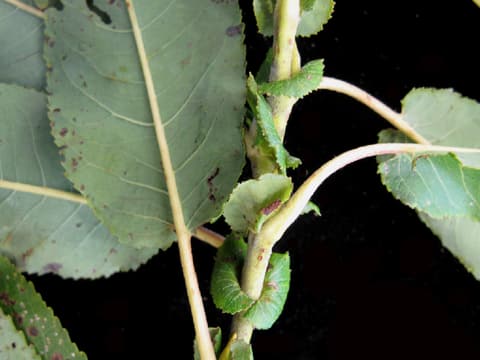
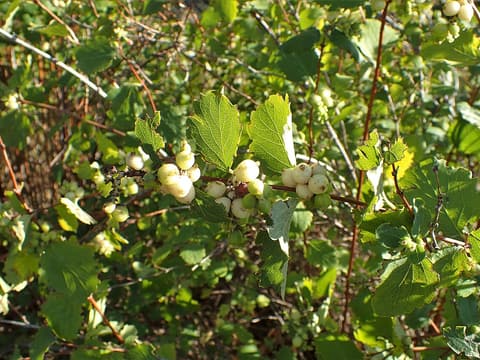
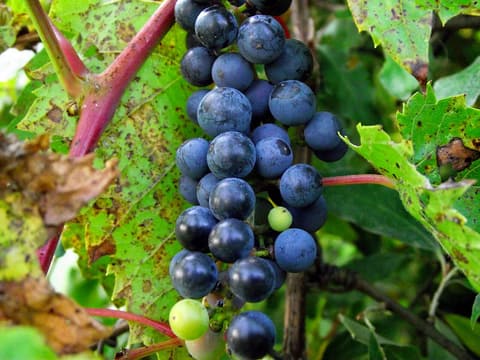
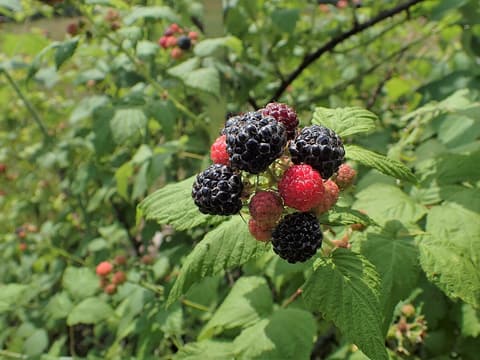
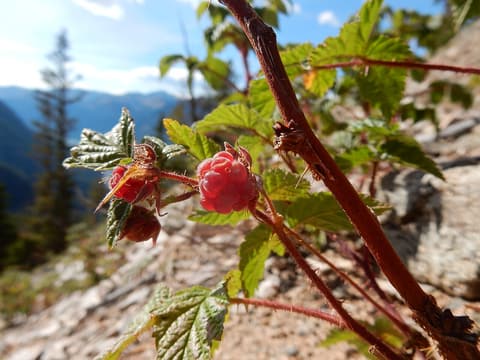
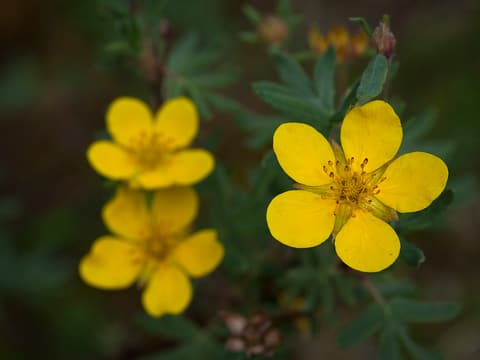
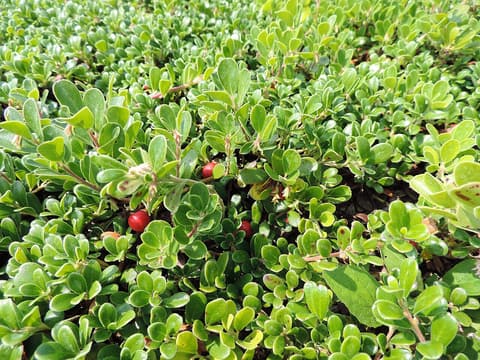
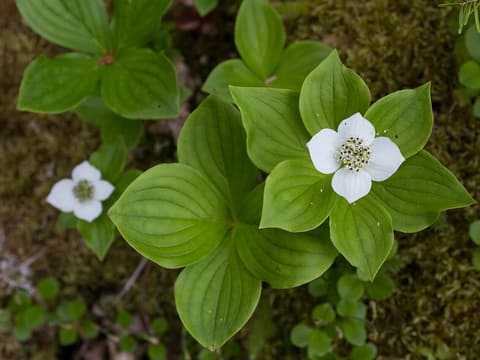
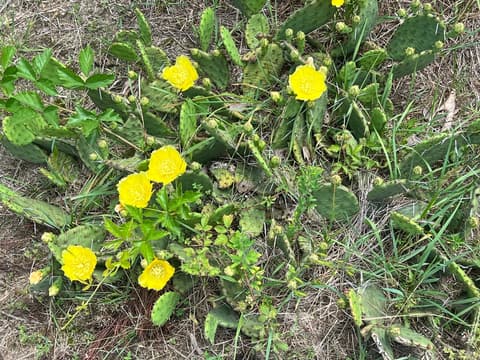
Recorded in Colorado
Native only to part of the country
PLANTS records these growing wild in Colorado, but their native range does not reach it. Each has spread here from planting or rests on an old or mistaken record. The sentence under each gives its native range or the reason.
Black Locust Robinia pseudoacacia
It grows wild in two blocks, the Appalachians from central Pennsylvania and southern Ohio south to northern Georgia and Alabama, and the Ozarks of Missouri, Arkansas and Oklahoma. It has since spread across the country.
Northern Catalpa Catalpa speciosa
Its native ground is a small area of the central Mississippi Valley in western Tennessee, northeast Arkansas, eastern Missouri, western Kentucky and southern Illinois and Indiana. After 200 years of planting it grows across most eastern states.
Black Walnut Juglans nigra
It grows wild as scattered trees from Vermont and Massachusetts west to southern Ontario, Minnesota and Nebraska, and south to Oklahoma and central Texas.
Nannyberry Viburnum lentago
It grows wild from New Brunswick and Quebec west to Saskatchewan and south to Colorado, Nebraska, West Virginia and Pennsylvania, in low woods, swamp borders and rich valleys near streams. Kew's checklist and NatureServe count it as introduced in Colorado.
Black Elderberry Sambucus canadensis
It grows wild across the eastern and midwestern United States and southeastern Canada, along streams and in the bottomlands beside them.
Bristly Locust (Rose Locust) Robinia hispida
It grows wild in the mountains from Virginia to Kentucky and south to Georgia and Alabama, in open woods, on mountain slopes and on sand hills, and it has spread far beyond that range.
Sugarberry Celtis laevigata
The USDA PLANTS Database counts the West's netleaf hackberry as a variety of sugarberry, so its map runs to Washington.
American Elm Ulmus americana
It grows wild from Nova Scotia and southern Saskatchewan south to central Florida and central Texas, and west to eastern Montana and Wyoming.
Slippery Elm Ulmus rubra
It grows wild from southwestern Maine and southern Quebec west to eastern North Dakota, and south to central Texas and northwestern Florida.
Virginia Creeper Parthenocissus quinquefolia
It grows wild from Nova Scotia and Quebec south to Florida and west to Minnesota, South Dakota and Texas.
Trumpet Creeper Campsis radicans
Vines from gardens have also gone wild in New England, Michigan, Iowa and Colorado.
Native to Colorado
27 other native trees and shrubs we do not grow
Common natives of Colorado by the USDA PLANTS Database's records, with each one's native range read from the sources its page names. We do not grow them, so there is no price or sign-up for them here; each name opens a page of what our tools say about it.
Bigtooth Maple Acer grandidentatumBlack Willow Salix nigraBlue Spruce Picea pungensBoxelder Acer negundoColorado Pinyon Pinus edulisCurlleaf Mountain Mahogany Cercocarpus ledifoliusDouglas-fir Pseudotsuga menziesiiEastern Cottonwood Populus deltoidesEngelmann Spruce Picea engelmanniiFremont Cottonwood Populus fremontiiGambel Oak Quercus gambeliiLimber Pine Pinus flexilisLodgepole Pine Pinus contortaNarrowleaf Cottonwood Populus angustifoliaOneseed Juniper Juniperus monospermaPaper Birch Betula papyriferaPonderosa Pine Pinus ponderosaPussy Willow Salix discolorQuaking Aspen Populus tremuloidesRocky Mountain Bristlecone Pine Pinus aristataRocky Mountain Juniper Juniperus scopulorumSmooth Sumac Rhus glabraSnowberry Symphoricarpos albusSubalpine Fir Abies lasiocarpaUtah Juniper Juniperus osteospermaWater Birch Betula occidentalisWhite Fir Abies concolor
Recorded in Colorado
6 more we do not grow, growing wild here but not native
The USDA PLANTS Database records these growing wild in Colorado, beyond the native range their records give, so they count here as naturalized, not native. We do not grow them; each name opens a page of what our tools say about it.
Gray Oak Quercus griseaGreen Ash Fraxinus pennsylvanicaHoney Mesquite Prosopis glandulosaHoneylocust Gleditsia triacanthosOsage-orange Maclura pomiferaWhite Ash Fraxinus americana
396 of our trees and shrubs are not recorded in Colorado
Not recorded growing wild there by PLANTS. Many still grow well there when planted: hardiness, soil and sun decide that, not the state line. Every tree and shrub we grow, A to Z gives each one's zones, and the tree finder narrows them to your zone, sun and soil.
Colorado has about 24 million acres of forest, from plains cottonwoods along the Arkansas River at 3,350 feet to spruce-fir forests in the mountains at up to 12,000 feet, says the Colorado State Forest Service.
Our regional guide for eastern Colorado: Native trees for the Great Plains.
A tree or shrub shipped into Colorado may fall under the state's own quarantine rules. The National Plant Board publishes each state's summary for shippers, and our terms ask you to comply with your state's plant-import rules. For the spot itself, the planting-site check asks about its zone, sun and soil.
Be first
Email me when any of these 12 is ready to order
Limited timeSign up now and get 10% off when it is ready.
One email per plant you tick, when it is priced, and nothing else. Each carries a code for 10% off the plants in that order, not shipping or tax. Or ask, and we reply with what is ready now.
While you wait, ask what is ready now.
More about this tool
How the lists are made
A tree or shrub is listed when the USDA PLANTS Database records it growing wild in the state. It counts as native there unless PLANTS lists it as introduced, or a narrower native range is on record. The range records come from the Forest Service's Silvics of North America, NatureServe Explorer, the NRCS plant guides or the state floras. Then it is listed as introduced, or apart under its page's own range sentence. The ten rules in full, their sources and what a state line can and cannot tell you are on the native trees by state page. Each plant page states its native range in words. Every species we grow, with the states where it is native, is in the native range table, A to Z.
Sources: USDA, NRCS. The PLANTS Database (https://plants.usda.gov), state records read between 2026-09-23 and 2026-11-09. National Plant Data Team, Greensboro, NC USA. NatureServe. 2026. NatureServe Explorer (https://explorer.natureserve.org), state records read on 2026-10-05. NatureServe, Arlington, Virginia.
The address carries the native trees by state tool's inputs, so a link opens it filled in, and Copy link on a result writes one: state (a state's two letters, such as OH), sort (featured, name, price-asc, price-desc, height, hardy or fast). For example, /tools/native/?state=MD.