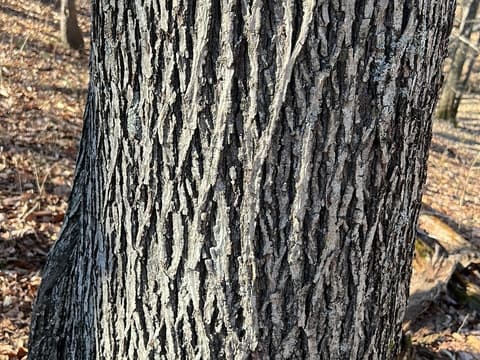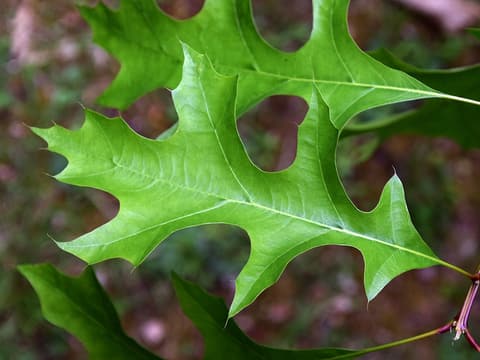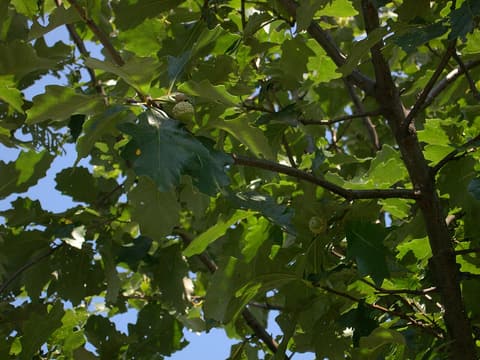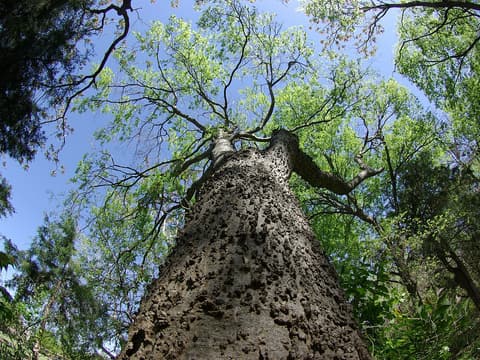
American Elm
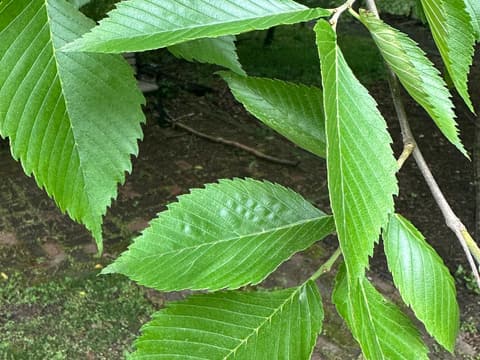
Ulmus americana Large tree Zones 2–9 60–80 ft
Shares stream banks and floodplain forests in the wild.

A native we do not grow
Populus angustifolia. Large tree, 30 to 65 feet, zones 3 to 9; full sun; average or wet ground.
We do not grow narrowleaf cottonwood, and it is not in our shop. This page gathers what our tools say about it and the natives we grow for the same ground.
| Other names | Mountain cottonwood, narrow-leaved cottonwood, narrowleaf poplar, willow-leaved poplar, bitter cottonwood, willow cottonwood, willow-leaf cottonwood, Rydberg cottonwood, smooth-bark cottonwood |
|---|---|
| Form | Large tree |
| Height, feet | 30 to 65; up to 100 in its native stands |
| Spread, feet | Up to 45 |
| Zones | 3 to 9 |
| Sun | Full sun |
| Soil moisture | Average or wet ground |
| Growth | Fast |
| Leaves | Deciduous |
| Traits | Fall color, wildlife value, erosion control |
| Flowers | April to June |
| Fruit | Capsules, May to July |
| First crop | About 15 years |
| Pollination | Separate male and female trees. Narrowleaf cottonwoods are male or female trees, so a female bears seed only with a male nearby. The wind carries the pollen. |
| Lifespan | Typically lives 100 to 200 years. |
| Planting season | Spring. Utah State University Extension takes cuttings in winter and plants them in spring. The NRCS plant guide sets young plants out in late summer or the next spring. |
| Black walnut | Not named on the Morton Arboretum's lists |
| Ground | Stream banks and floodplain forests |
| Native in | 13 states |
Narrowleaf cottonwood is native in 13 states: Arizona, California, Colorado, Idaho, Montana, Nebraska, Nevada, New Mexico, Oregon, South Dakota, Texas, Utah and Wyoming. The states are the USDA PLANTS Database's records, with the native range read from the Fire Effects Information System, the Wildflower Center and the NRCS plant guide.
Its growth rate, its lifespan and its state champions are in the growth rate table, the lifespan table and the state champion table.
These trees we grow share the most of narrowleaf cottonwood's natural communities in the wild, by the companion species tool's rules.
Of the poplars we grow, balsam poplar shares its ground, states and zones.
Shares stream banks and floodplain forests in the wild.
Shares stream banks and floodplain forests in the wild.
Shares stream banks and floodplain forests in the wild.
Shares stream banks and floodplain forests in the wild.
Shares stream banks and floodplain forests in the wild.
Shares stream banks and floodplain forests in the wild.
Its figures come from the Forest Service's Fire Effects Information System, the Woody Plant Seed Manual, the USDA PLANTS Database, Oregon State University's Landscape Plants, Utah State University Extension, Colorado State University Extension, the Colorado State Forest Service, Cal Poly's SelecTree, the Wildflower Center, Calscape and the Jepson eFlora.