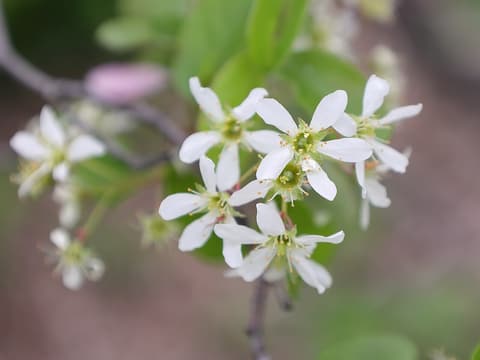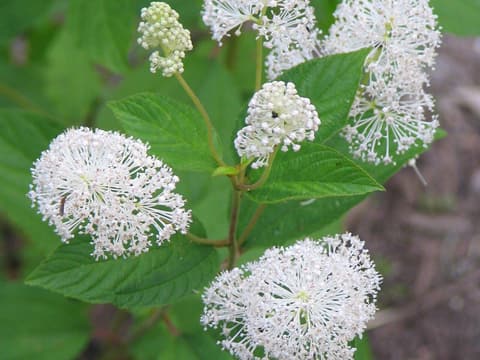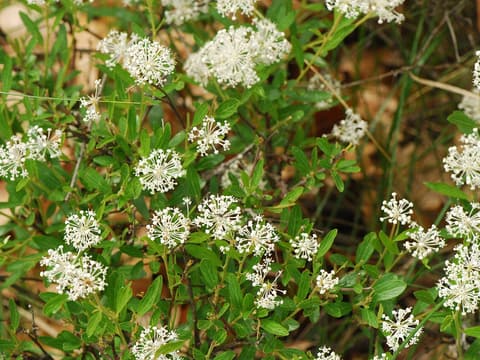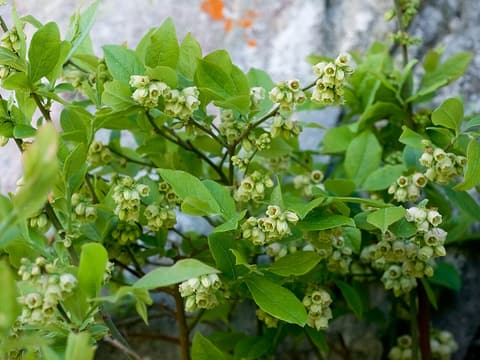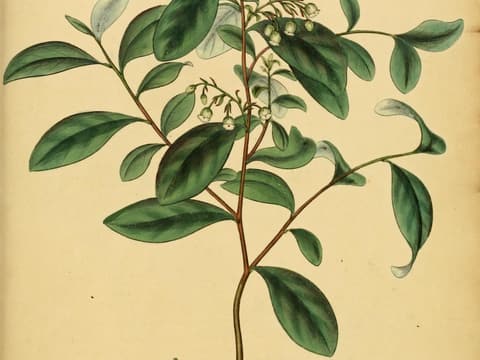
Dangleberry
Gaylussacia frondosa Shrub Zones 5–9 2–6 ft
Shares sandy barrens, dry uplands, old fields and edges in the wild.

A native we do not grow
Comptonia peregrina. Shrub, 1 to 5 feet, zones 2 to 6; full sun or part shade; dry, average or wet ground.
We do not grow sweetfern, and it is not in our shop. This page gathers what our tools say about it and the natives we grow for the same ground.
| Form | Shrub |
|---|---|
| Height, feet | 1 to 5 |
| Spread, feet | Up to 8 |
| Zones | 2 to 6 |
| Sun | Full sun or part shade |
| Soil moisture | Dry, average or wet ground |
| Growth | Slow |
| Leaves | Deciduous |
| Traits | Wildlife value, nitrogen fixing, salt tolerant, erosion control |
| Flowers | April to June |
| Fruit | Nutlets, July to November |
| First crop | 2 to 3 years (sexual maturity) |
| Pollination | Not known whether one bears alone |
| Transplanting | The Morton Arboretum's page on sweetfern says: "May be difficult to transplant." |
| Black walnut | Not named on the Morton Arboretum's lists |
| Ground | Sandy barrens, dry uplands, old fields and edges |
| Native in | 24 states and the District of Columbia |
Sweetfern is native in 24 states and the District of Columbia: Connecticut, Delaware, Georgia, Illinois, Indiana, Kentucky, Maine, Maryland, Massachusetts, Michigan, Minnesota, New Hampshire, New Jersey, New York, North Carolina, Ohio, Pennsylvania, Rhode Island, South Carolina, Tennessee, Vermont, Virginia, West Virginia, Wisconsin and the District of Columbia. The states are the USDA PLANTS Database's records, with the native range read from Silvics of North America and NatureServe Explorer.
These shrubs we grow share the most of sweetfern's natural communities in the wild, by the companion species tool's rules.
Shares sandy barrens, dry uplands, old fields and edges in the wild.
Shares sandy barrens, dry uplands, old fields and edges in the wild.
Shares sandy barrens, dry uplands, old fields and edges in the wild.
Shares sandy barrens, dry uplands, old fields and edges in the wild.
Shares sandy barrens, dry uplands, old fields and edges in the wild.
Shares sandy barrens, dry uplands, old fields and edges in the wild.
Its figures come from Silvics of North America, NC State Extension, the Missouri Botanical Garden, the Morton Arboretum, the Wildflower Center, the Forest Service's Fire Effects Information System, the University of Connecticut's plant database and the USDA PLANTS Database.