Tennessee: the native trees and shrubs we grow
265 of the 444 trees and shrubs we grow are native to Tennessee by the USDA PLANTS records. A state record is a start, not a verdict on your ground.
265 of our 444 trees and shrubs are native to Tennessee
Recorded there by the USDA PLANTS Database, and native there by the tool's rules.
Native here does not mean hardy where you are. Each card gives its zones, and the ZIP code tool finds yours.
Want one of these? Email me when it is ready to order. Notify me
47 large trees
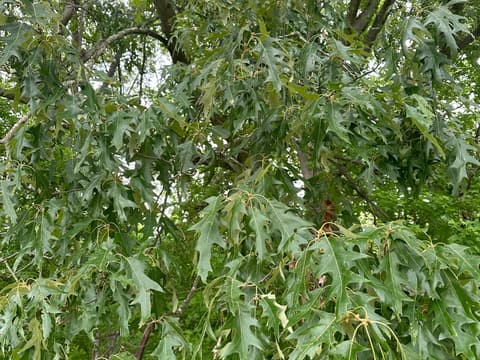
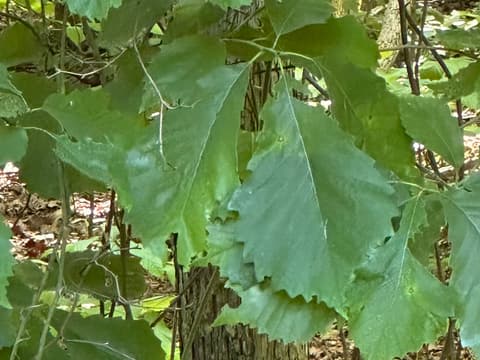
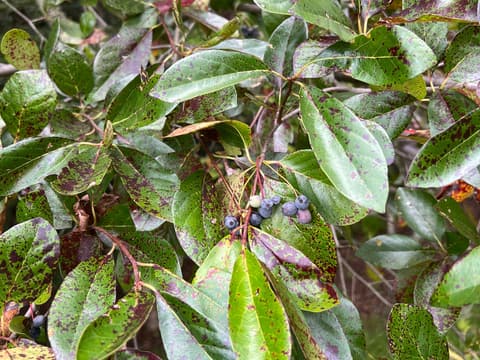
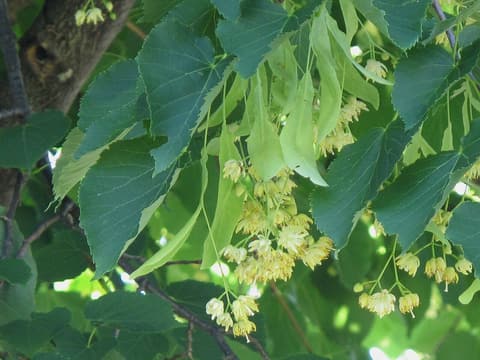
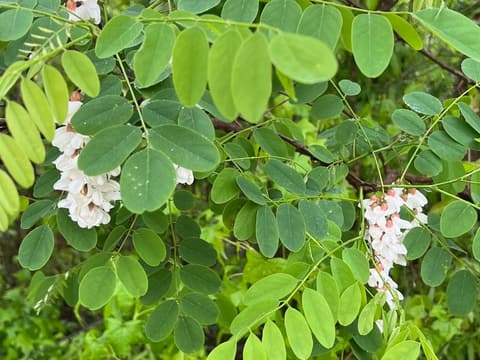
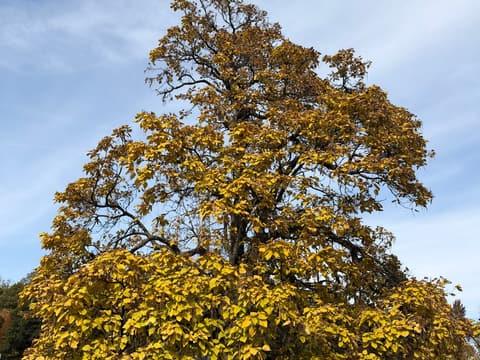
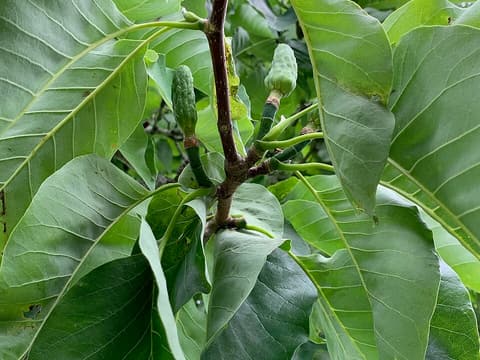
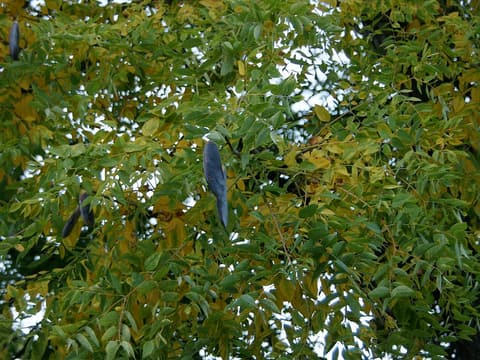
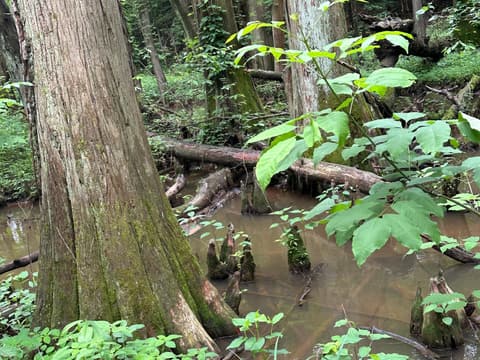
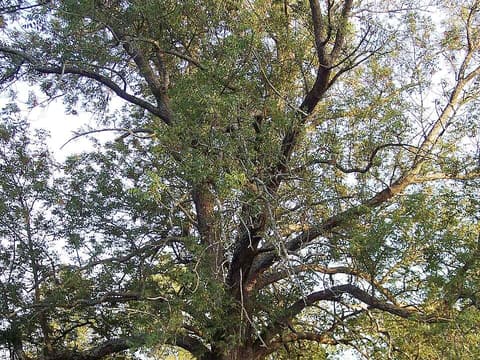
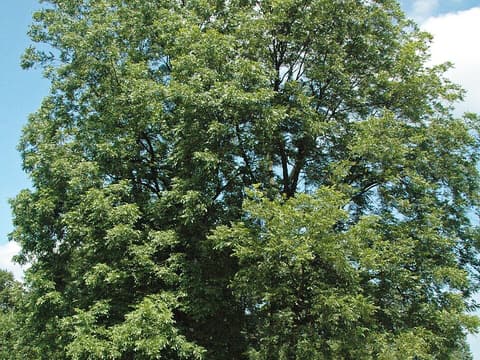
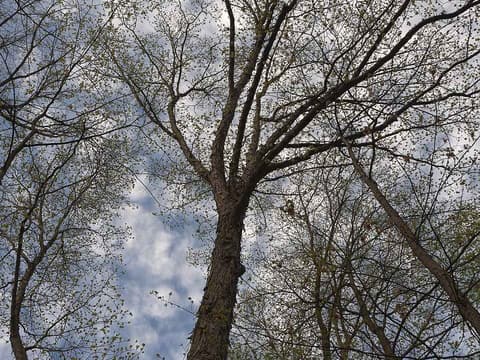
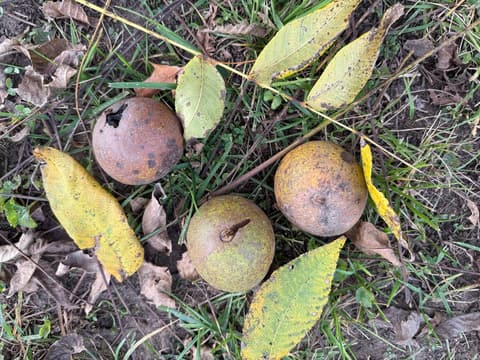
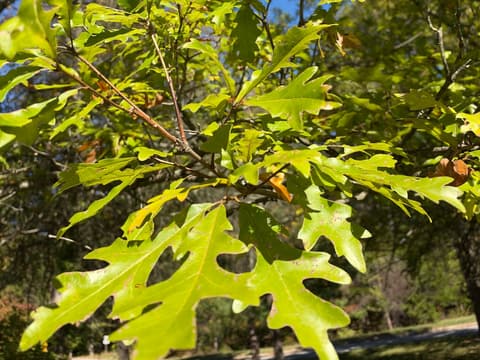
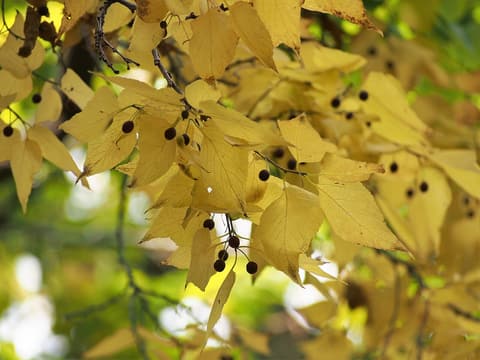
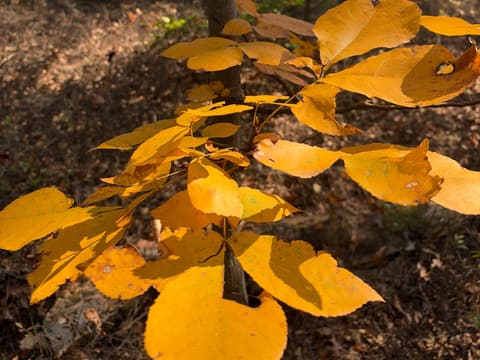
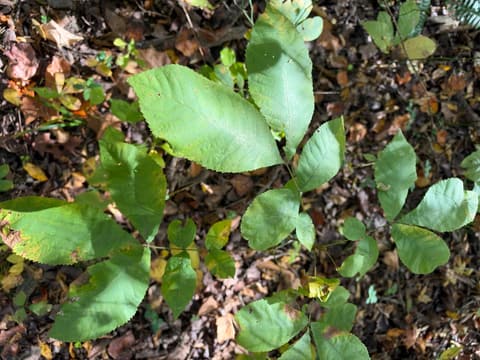
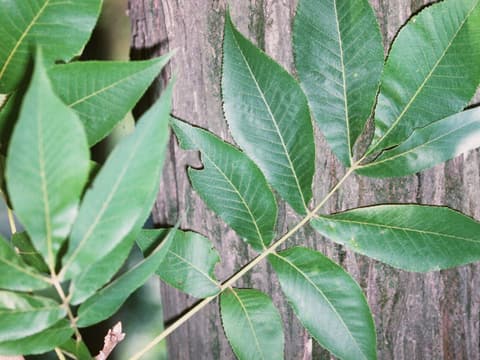
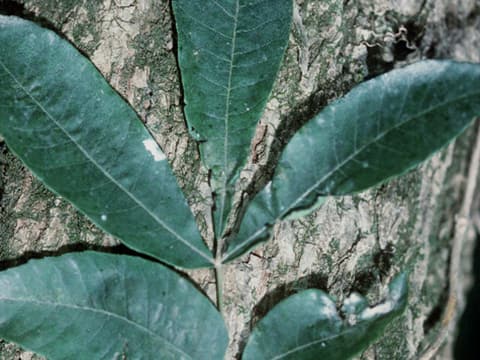
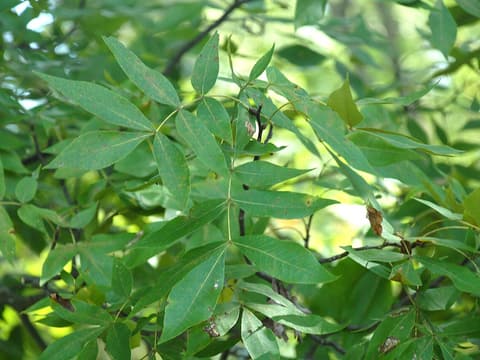
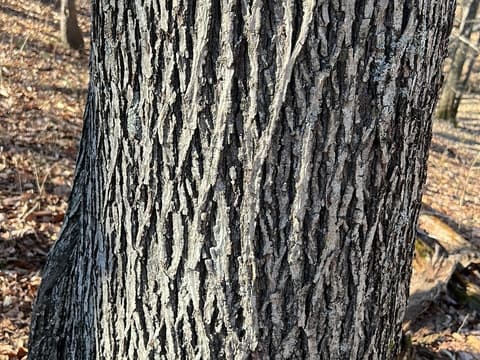
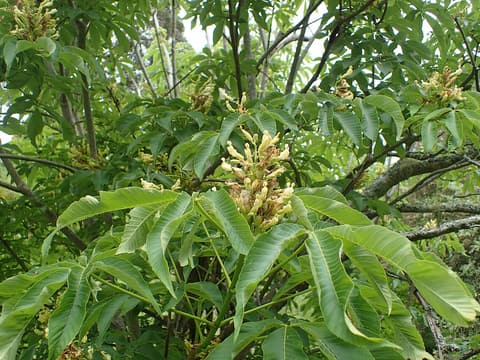
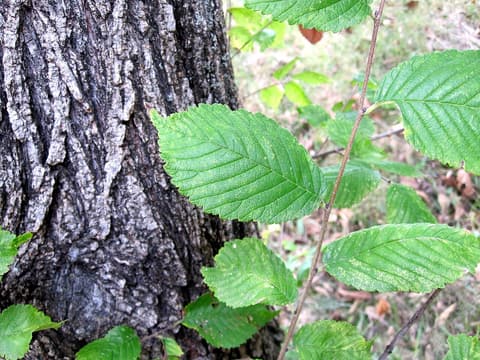
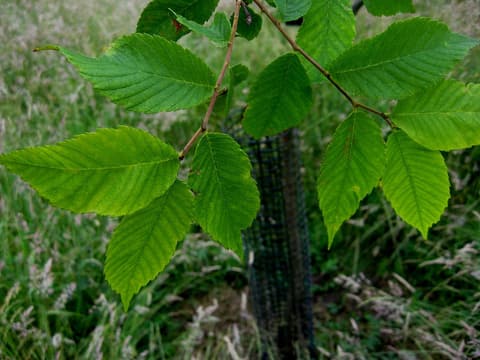
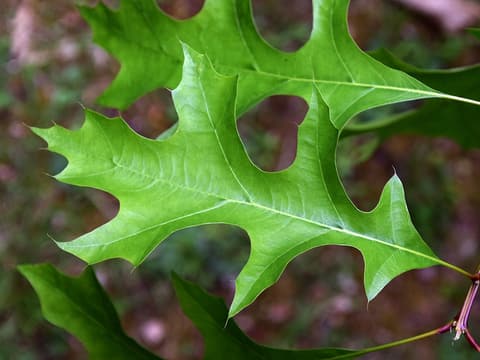
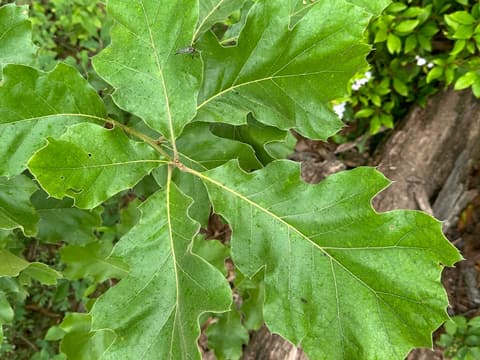
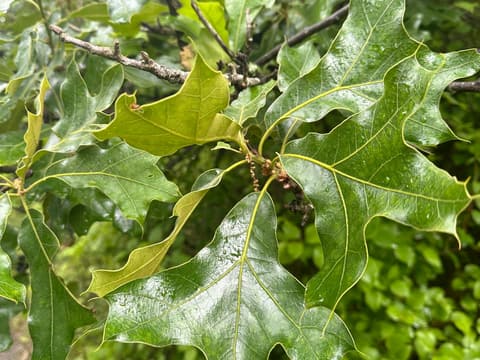
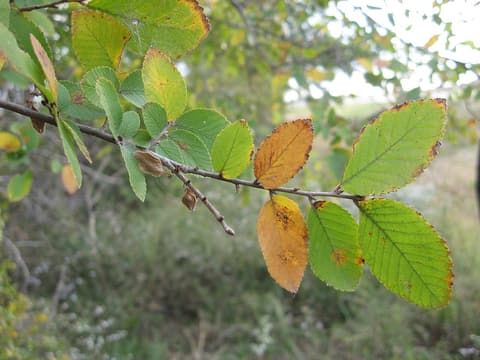
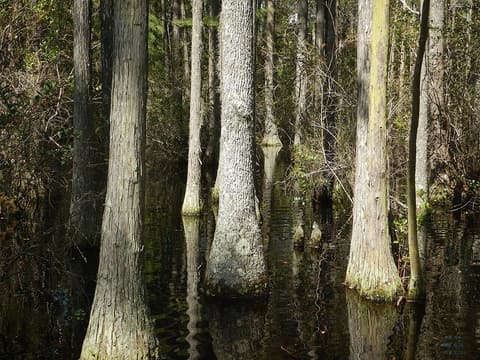
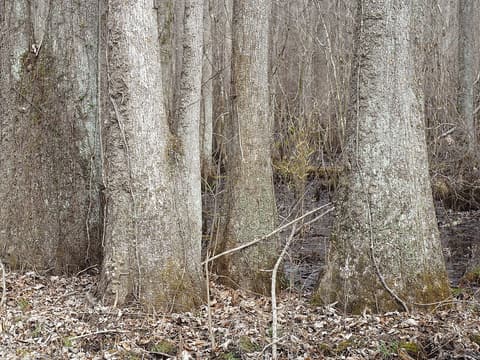
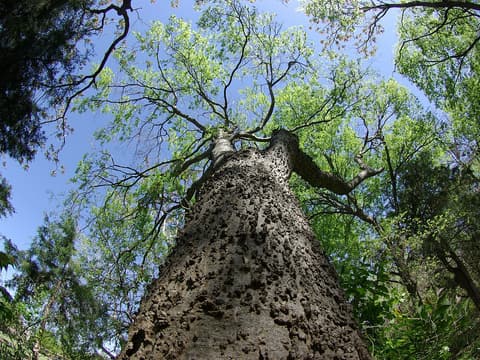
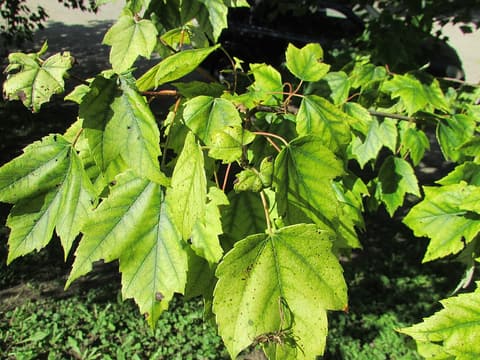
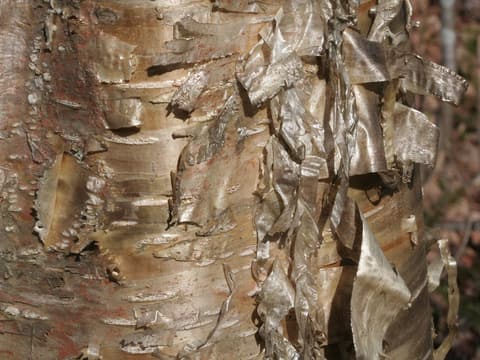
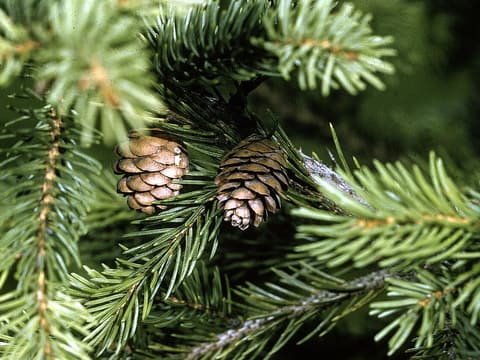
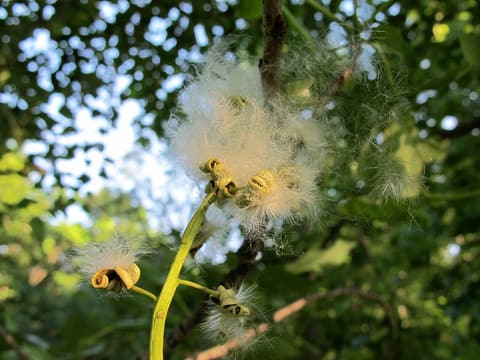
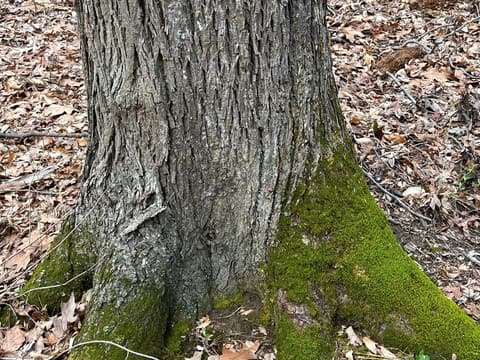
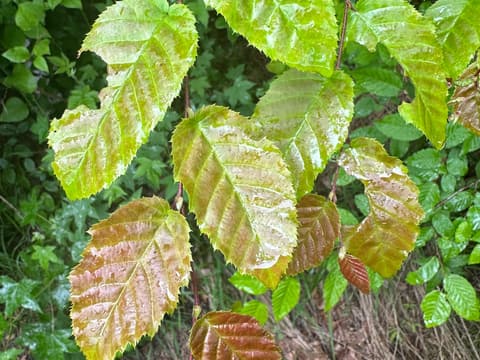
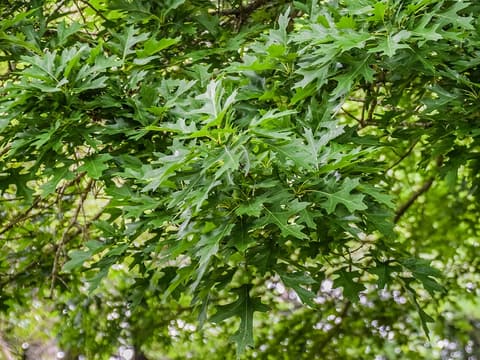
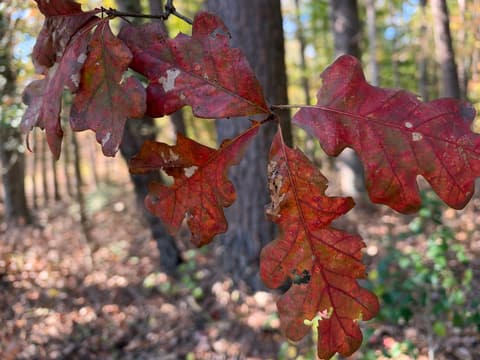
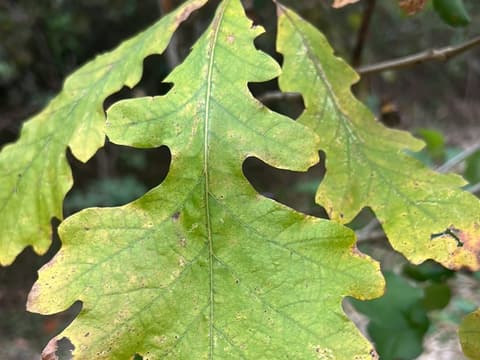
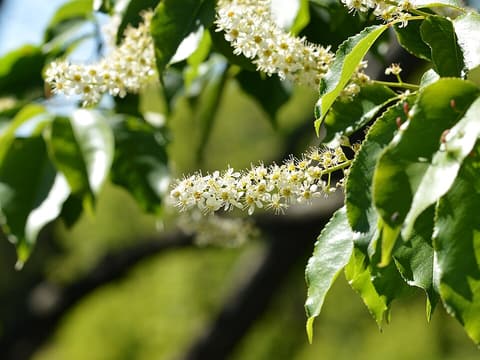
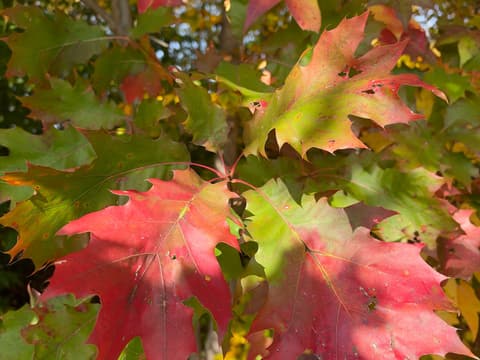
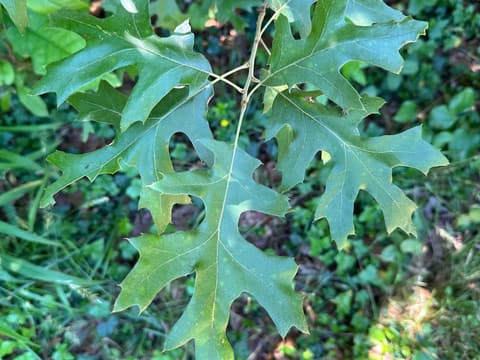
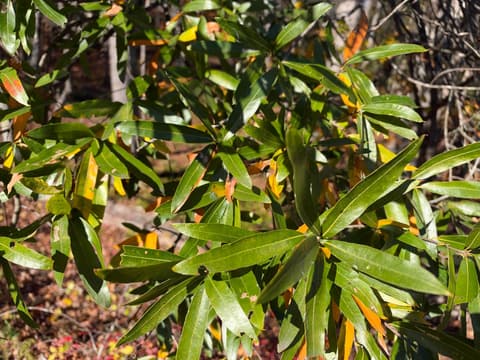
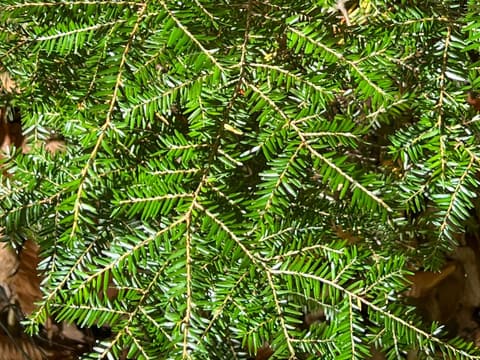
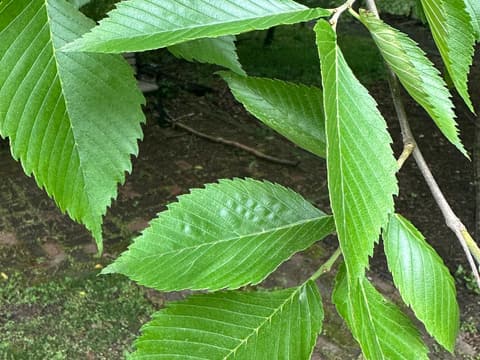
Ask what is ready: put the first 12 on my request list.
Want one of these? Email me when it is ready to order. Notify me
29 medium trees
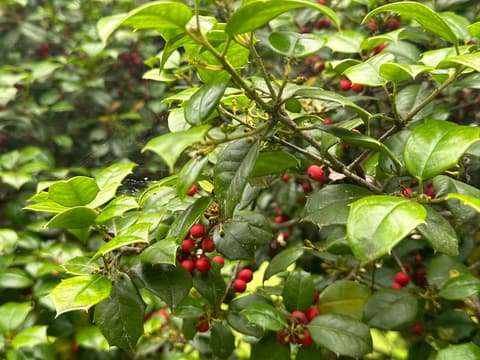
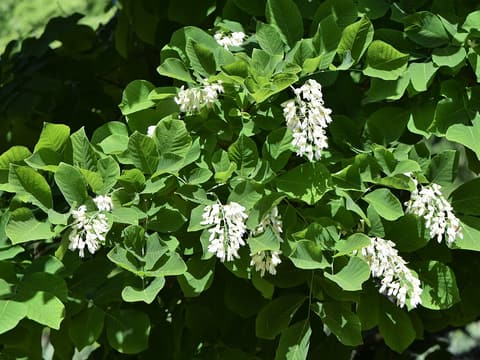
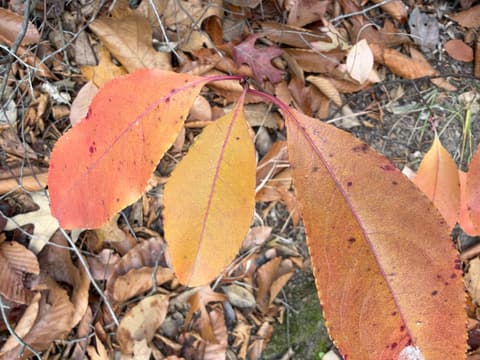
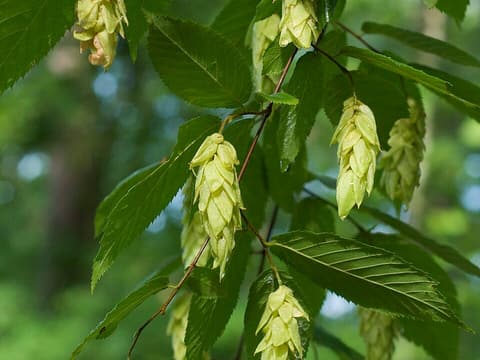
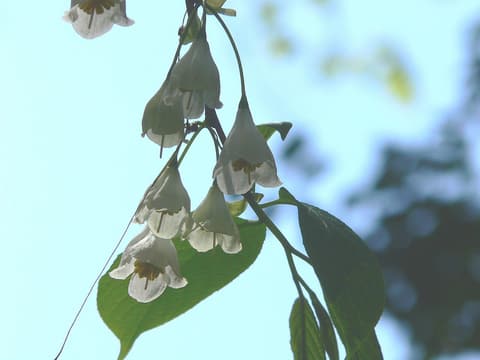
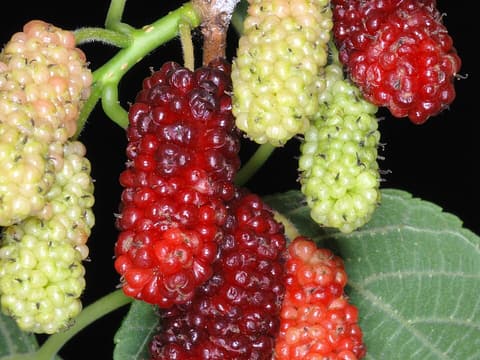
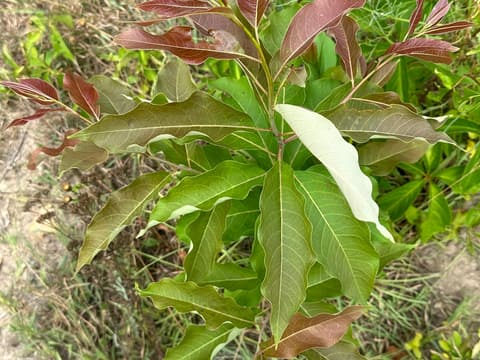
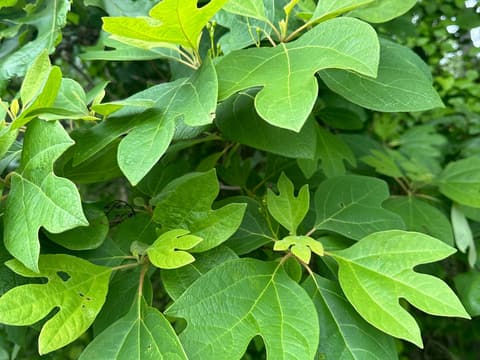
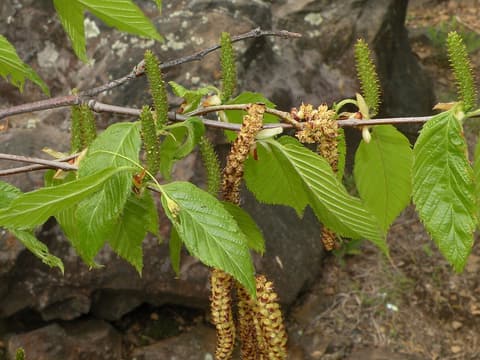
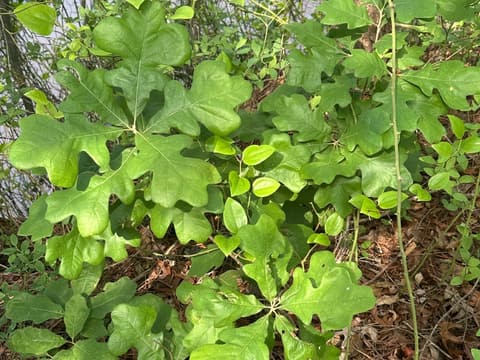
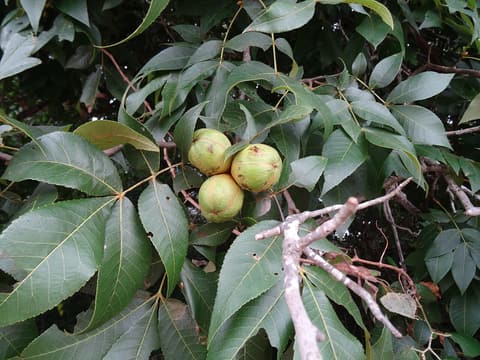
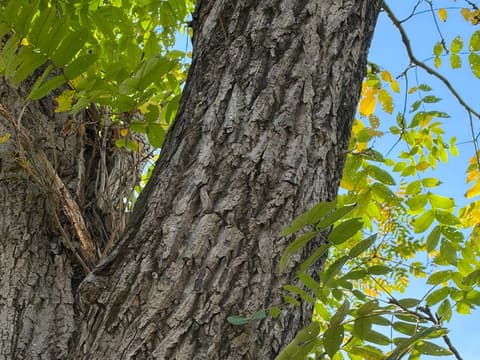
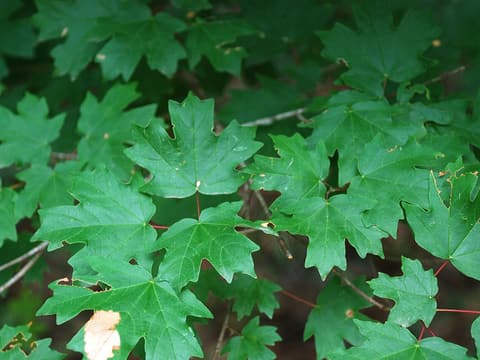
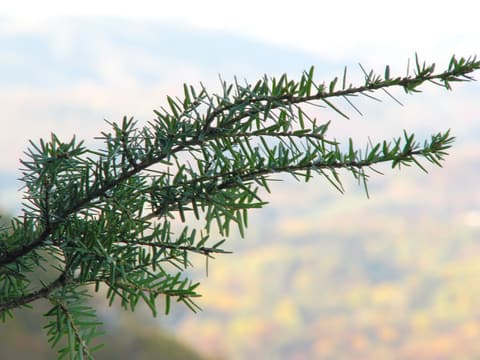
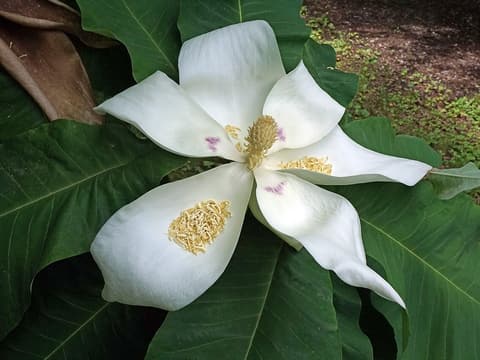
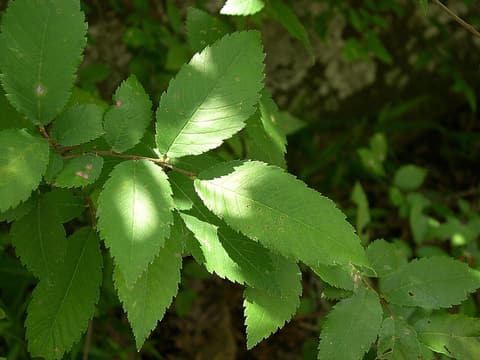
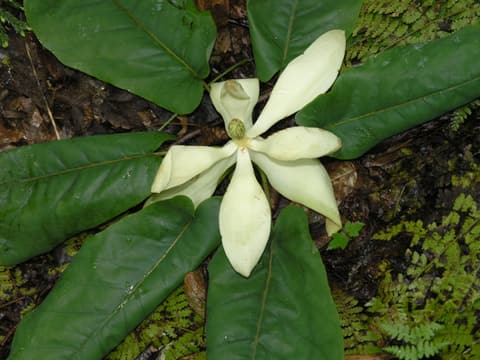
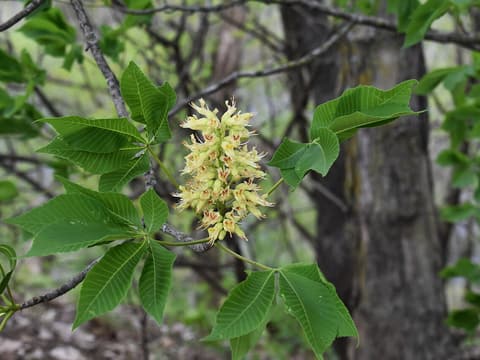
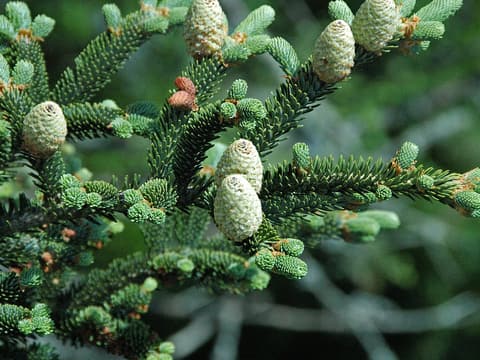
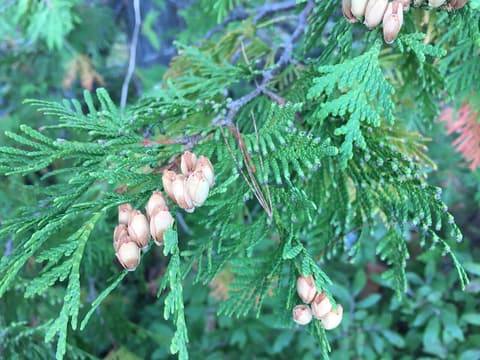
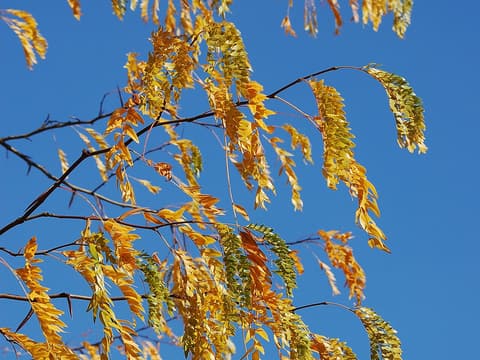
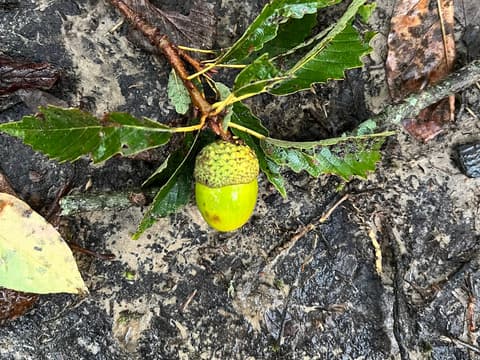
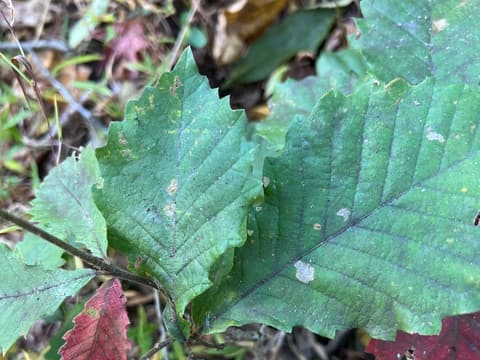
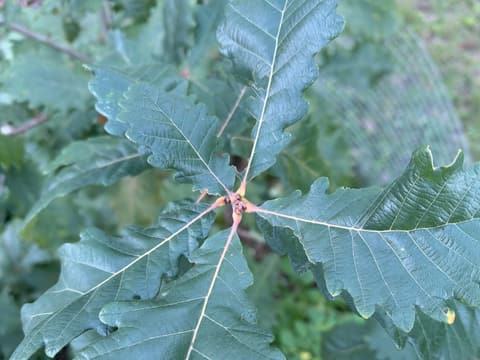
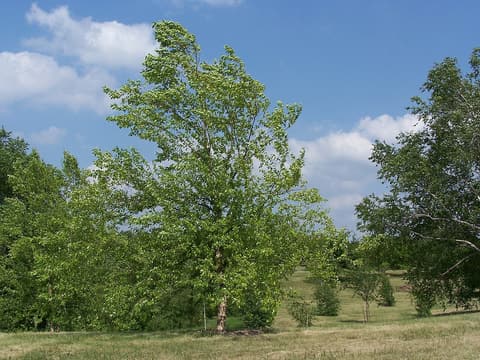
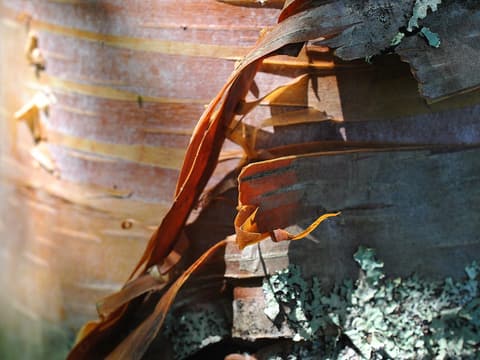
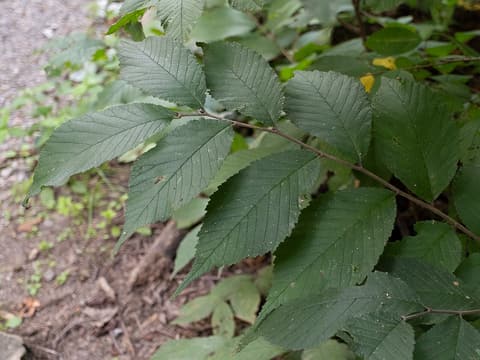
54 small trees
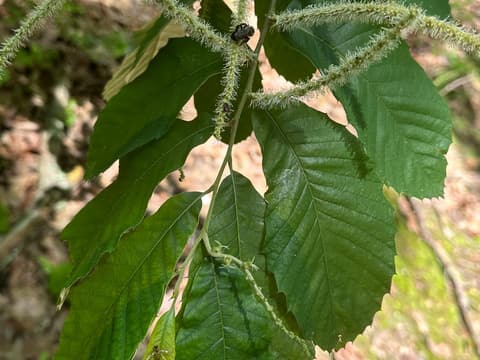
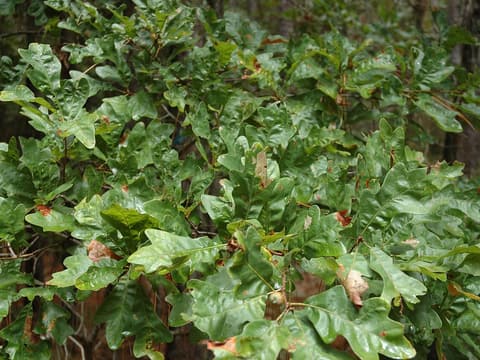
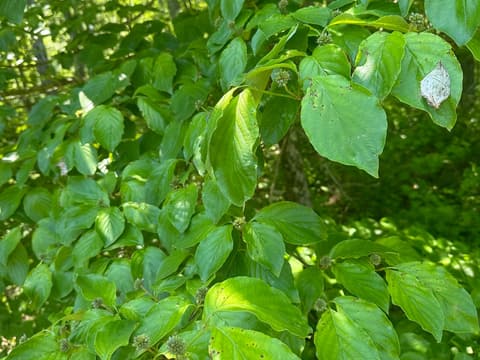
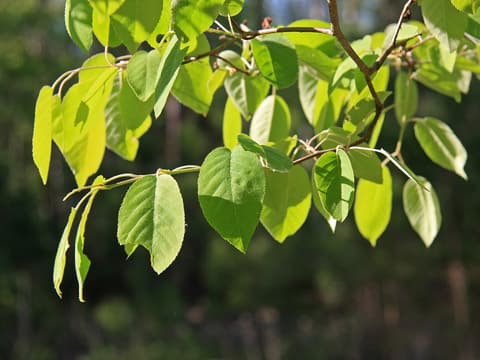
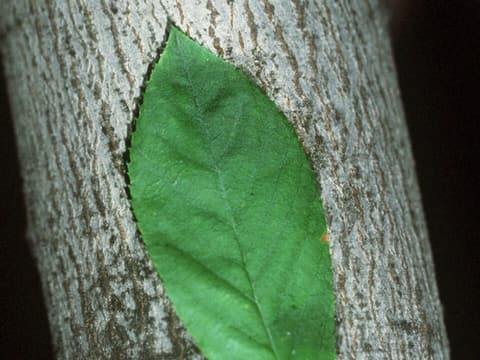
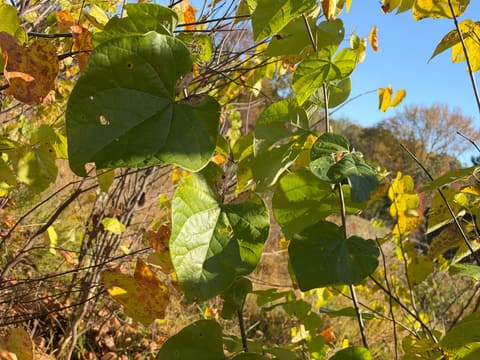
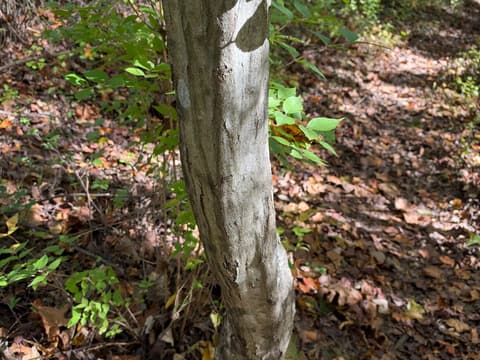
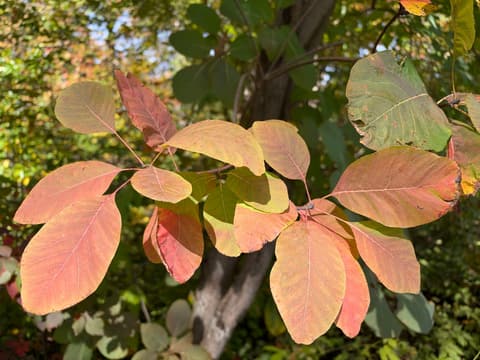
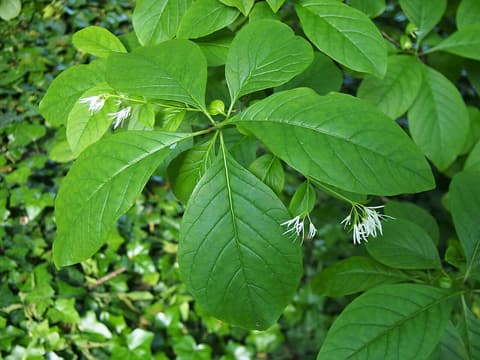
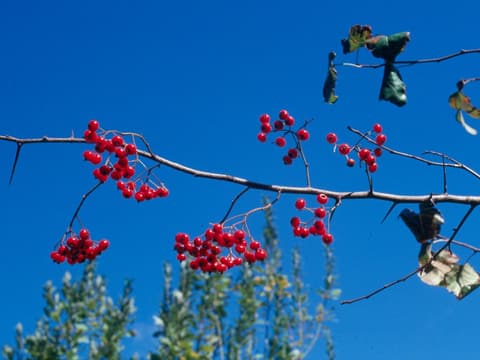
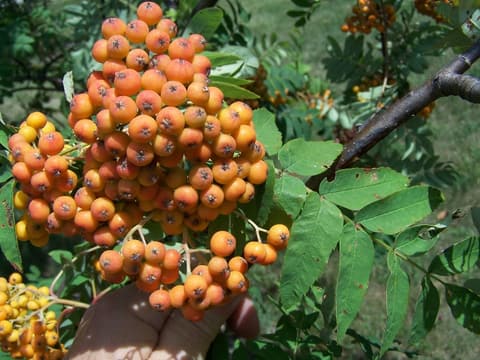
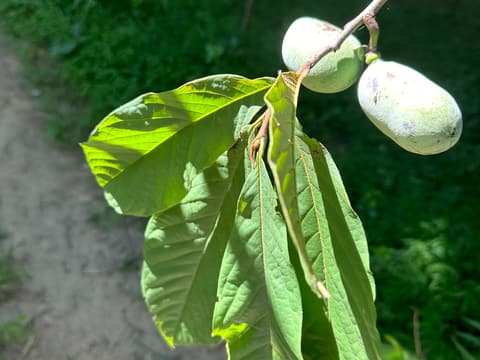
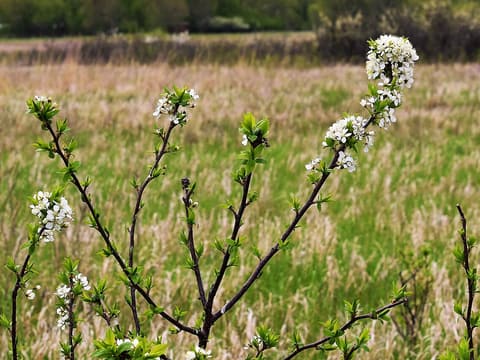
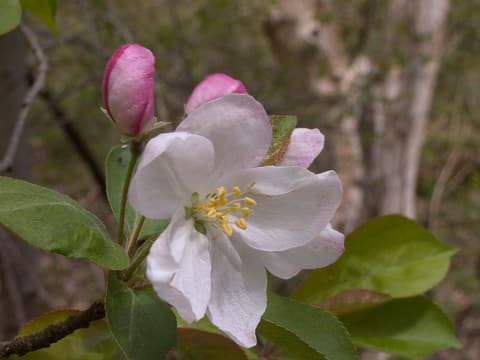
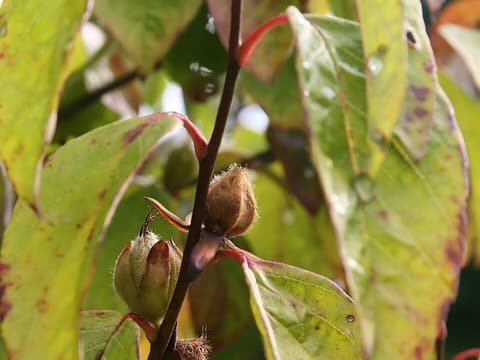
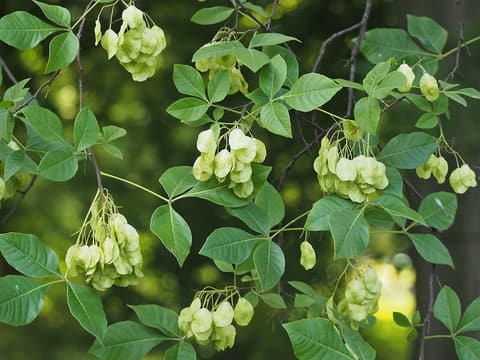
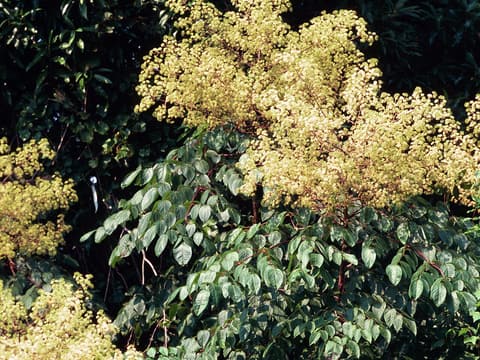
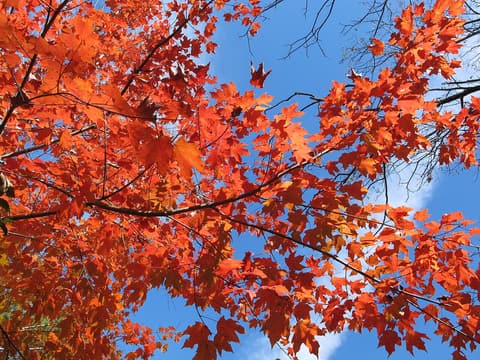
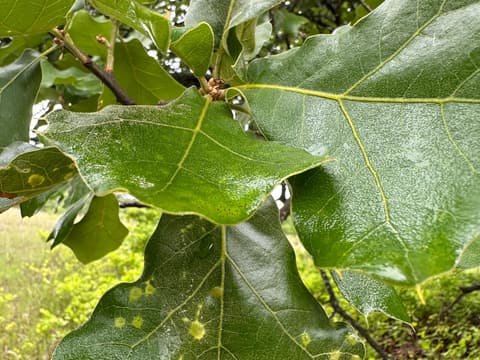
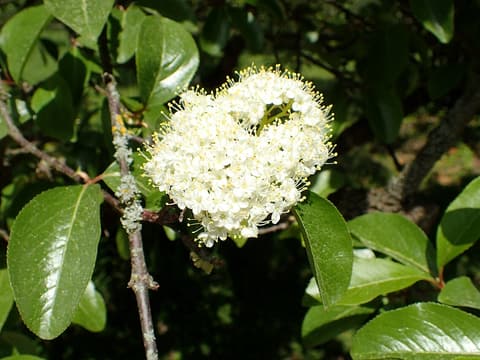
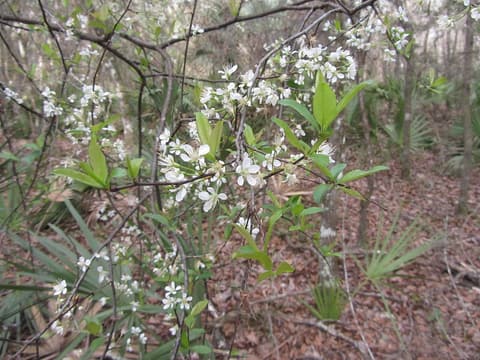
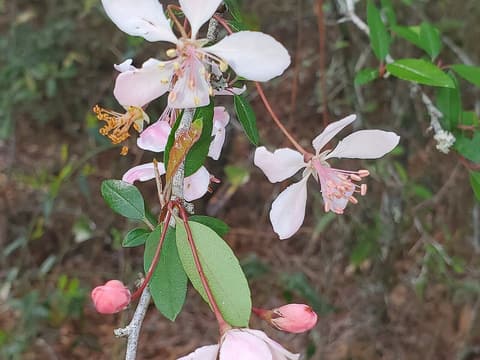
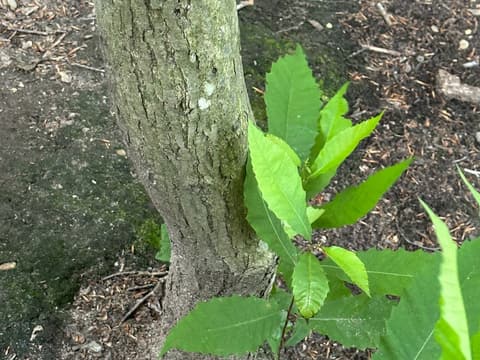
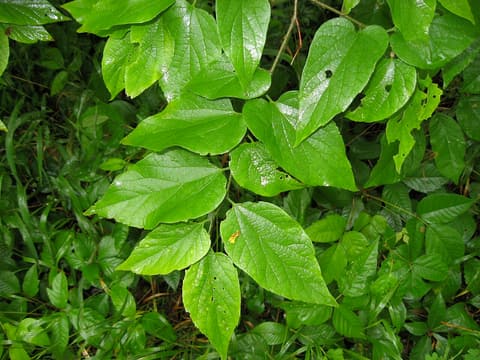
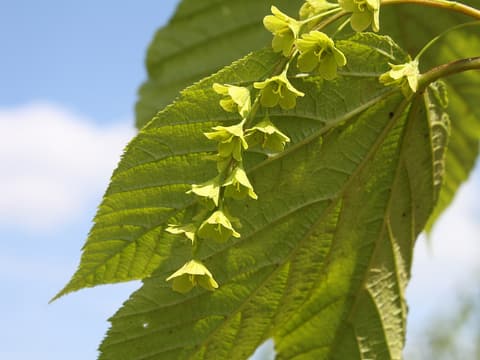
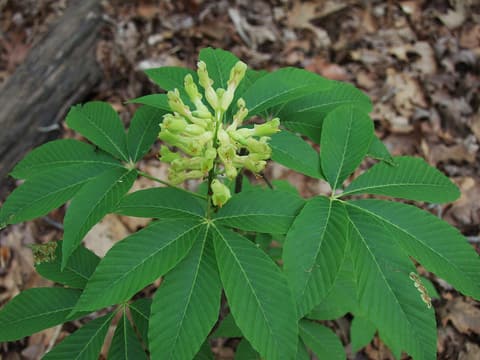
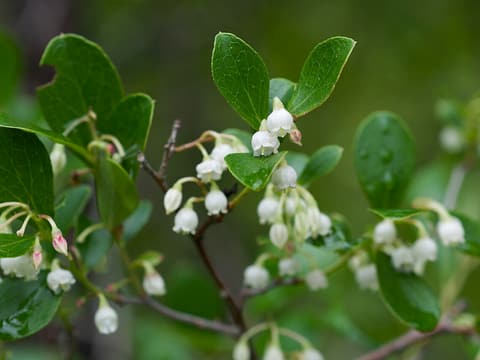
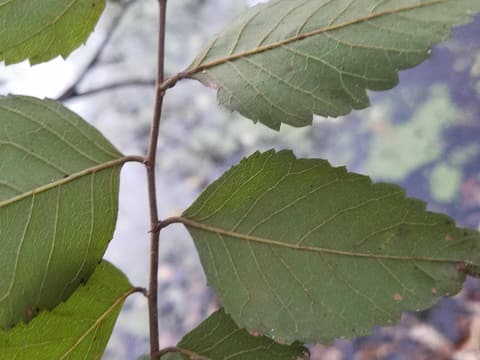
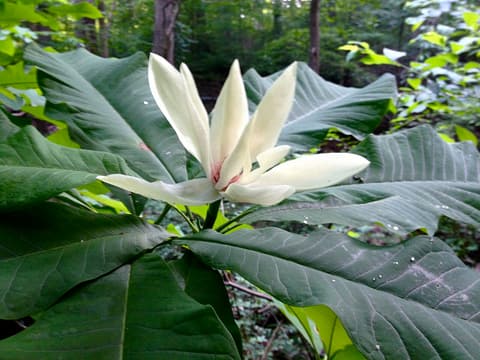
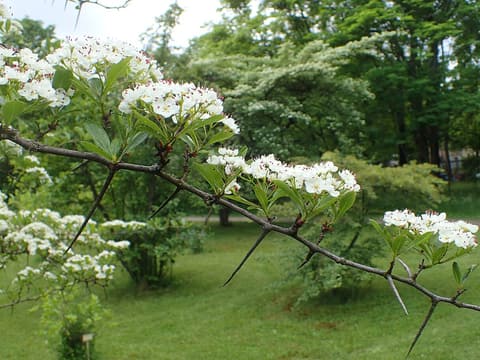
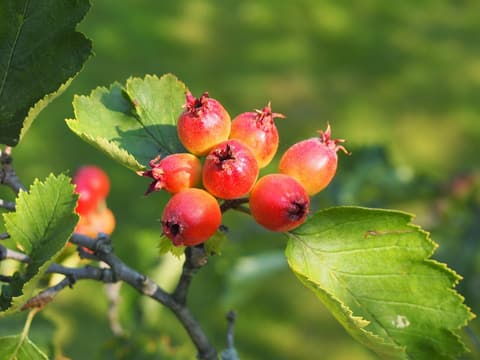
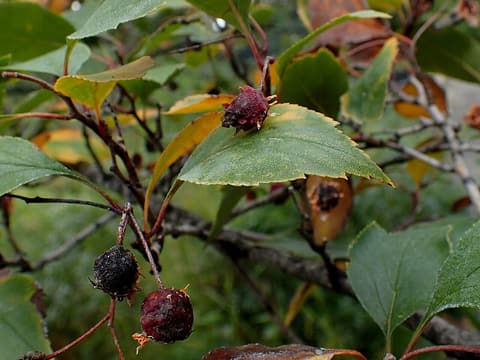
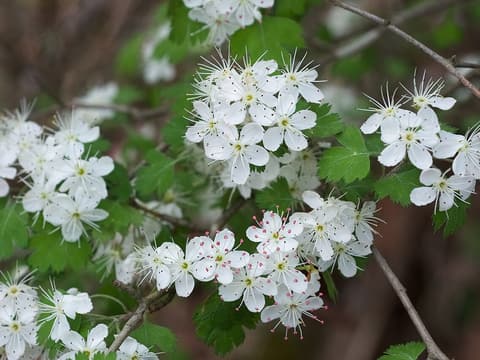
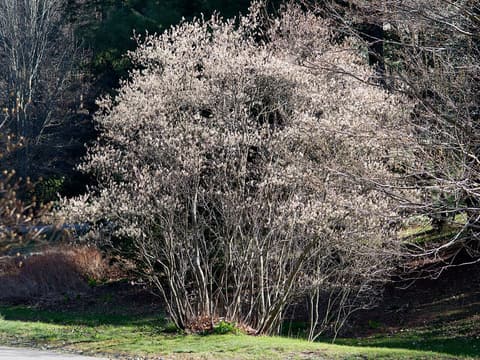
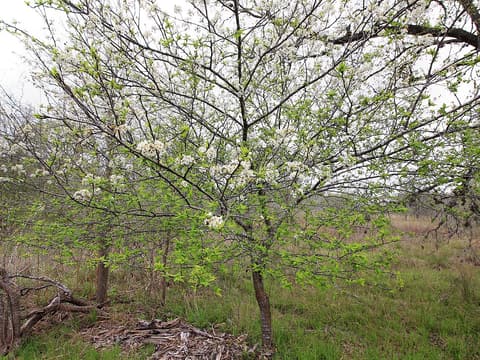
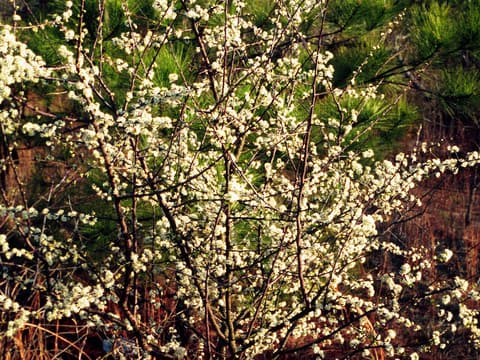
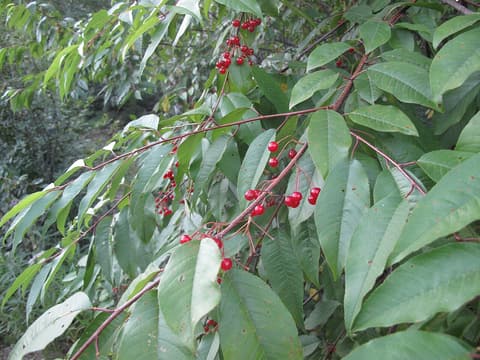
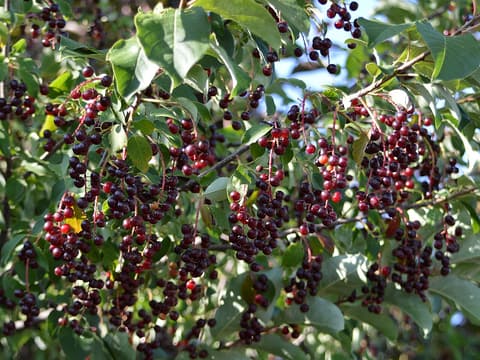
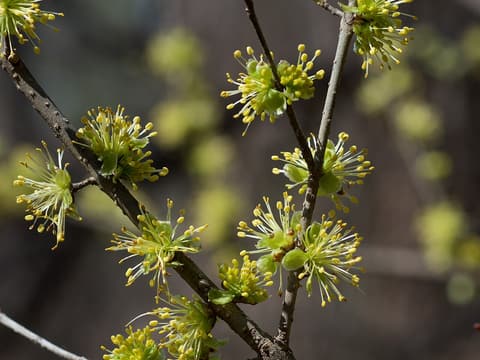
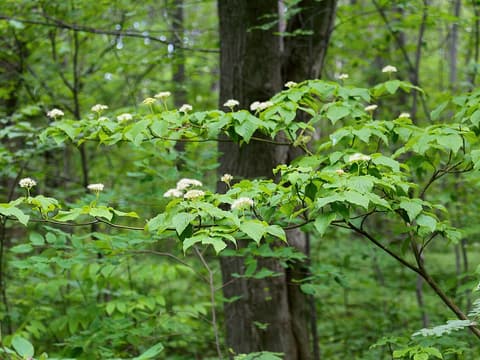
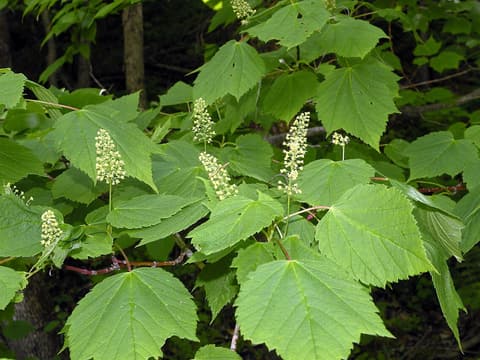
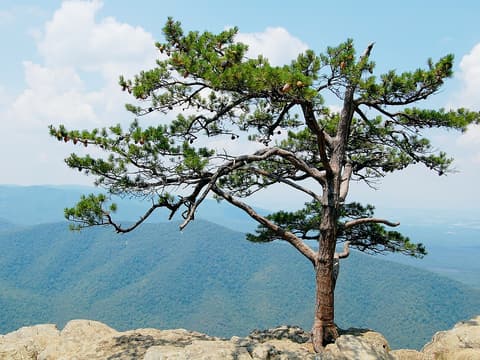
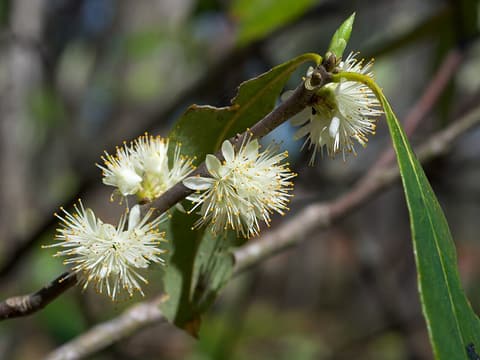
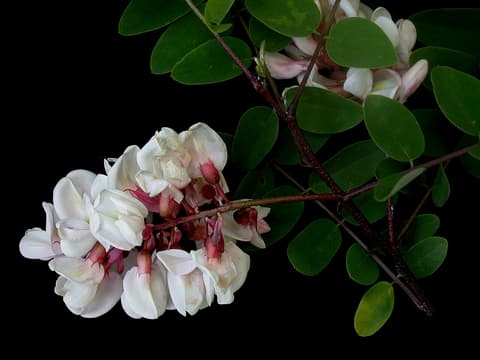
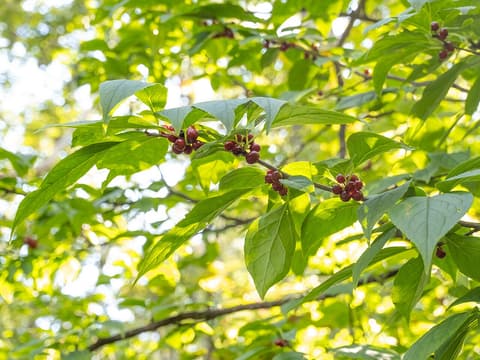
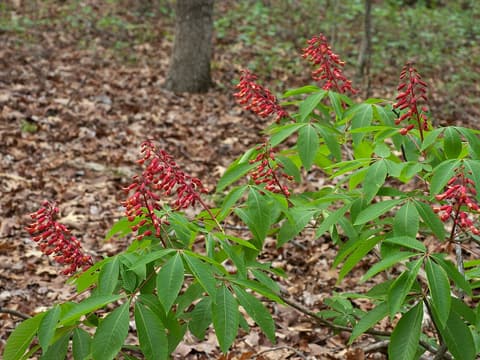
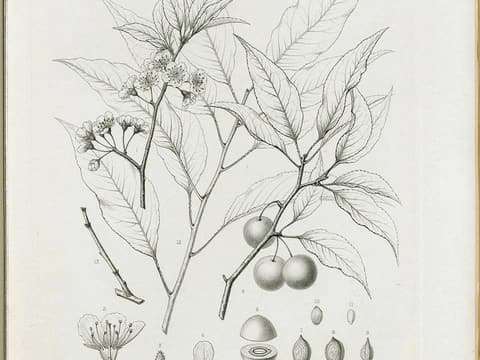
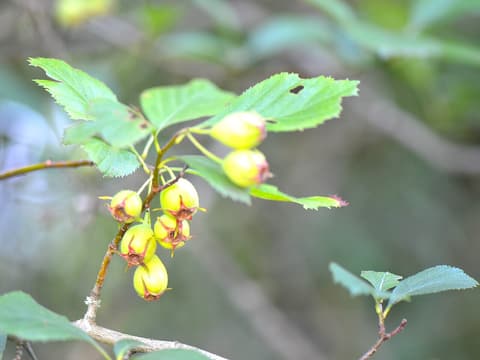
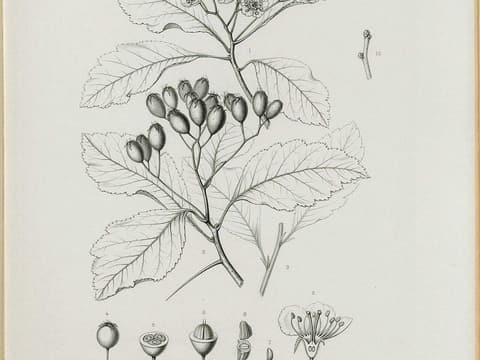
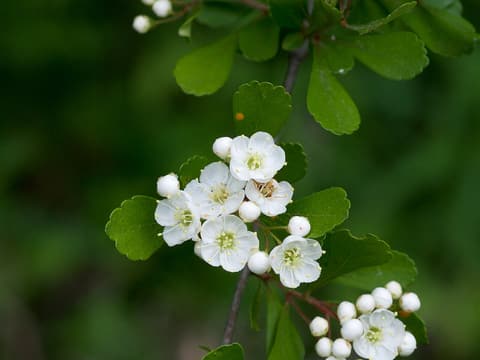
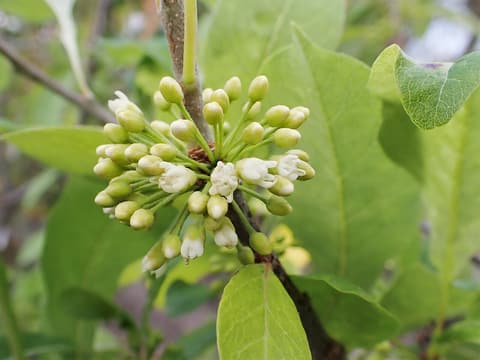
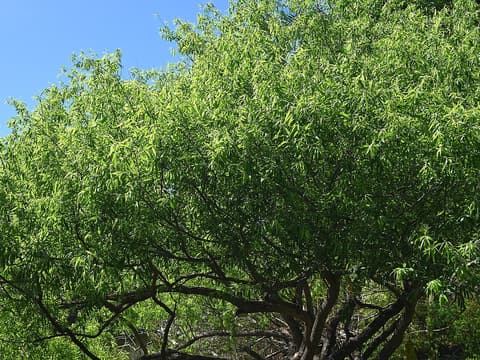
135 shrubs
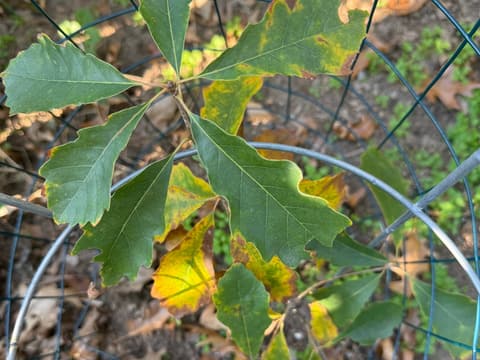
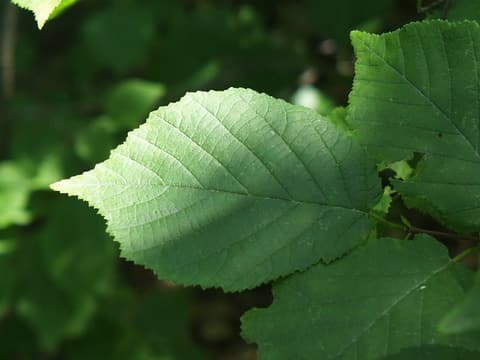
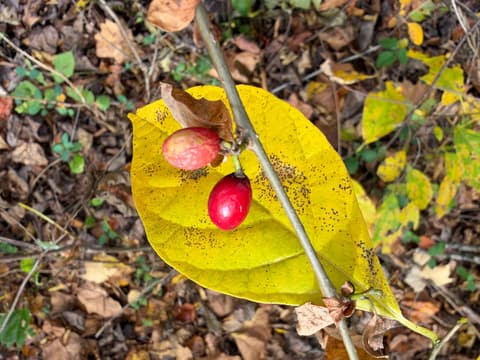
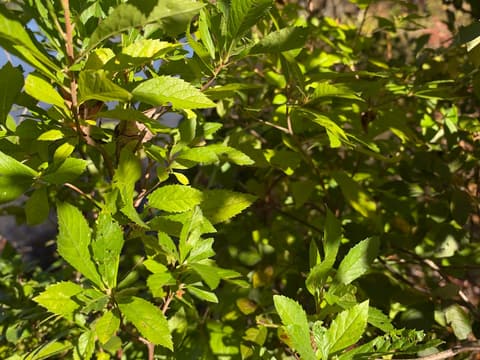
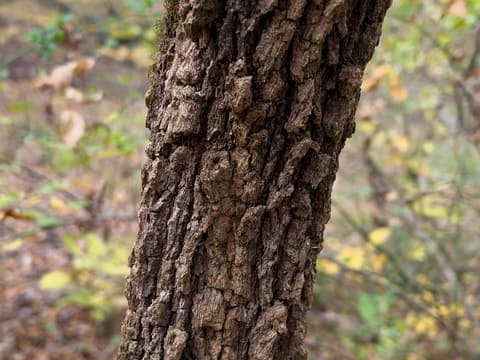
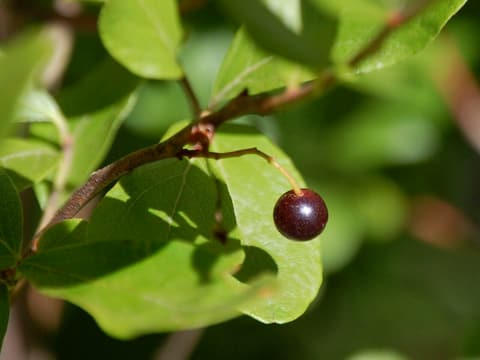
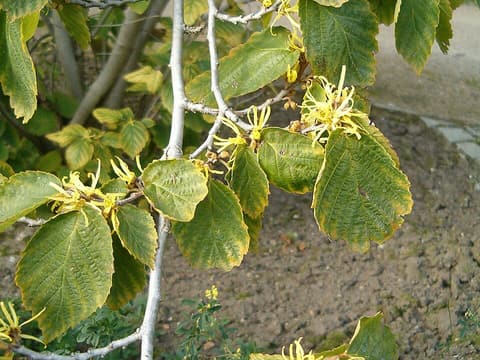
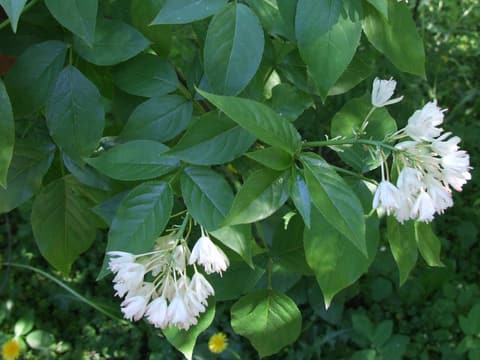
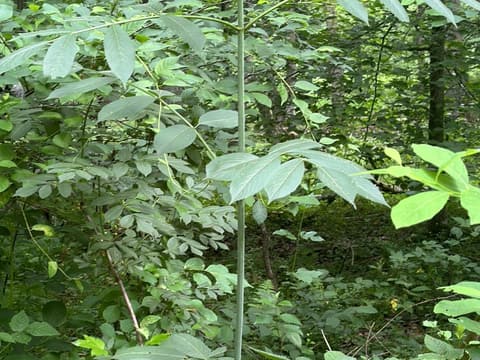
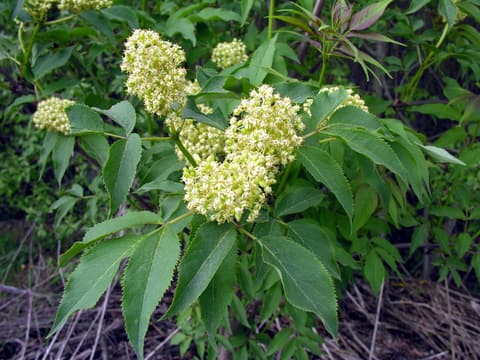
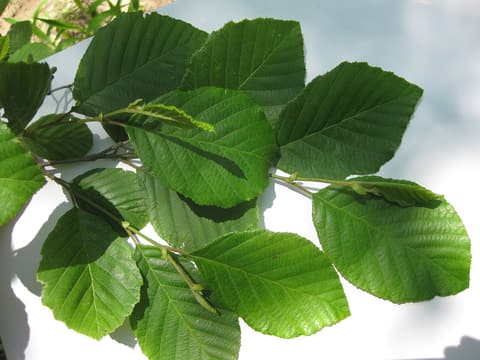
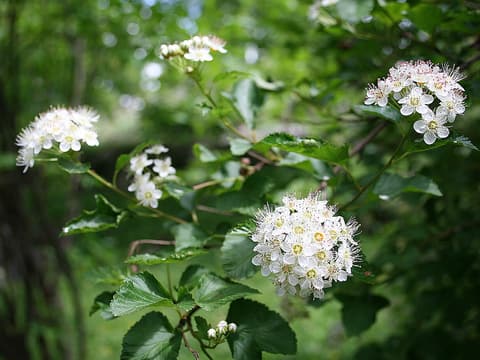
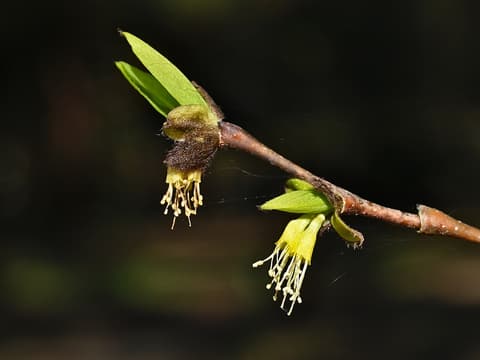
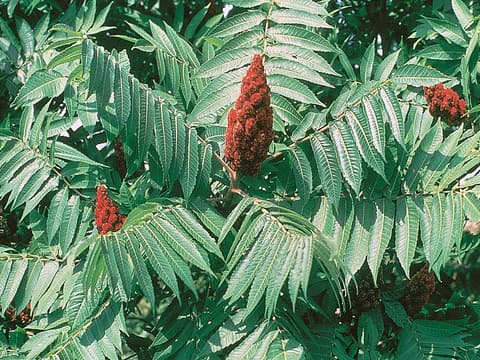
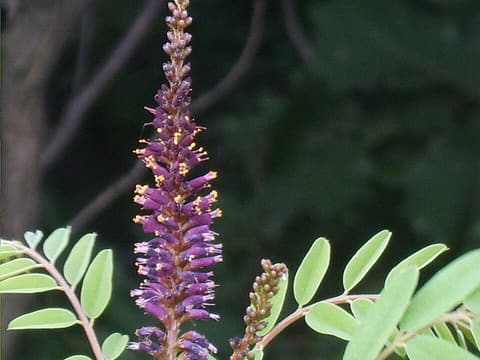
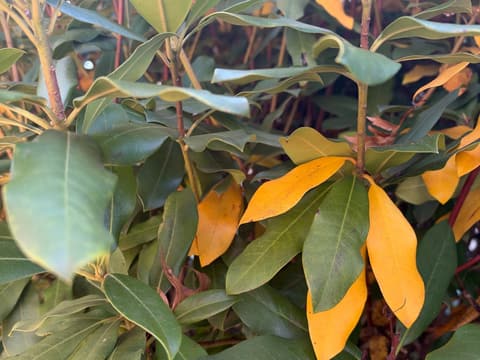
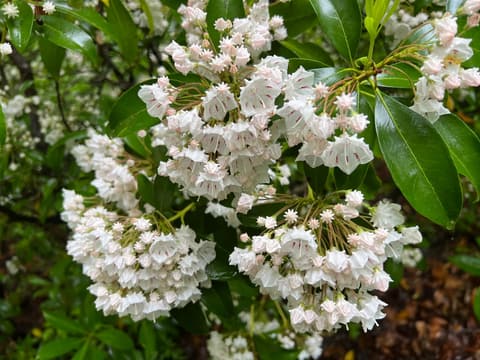
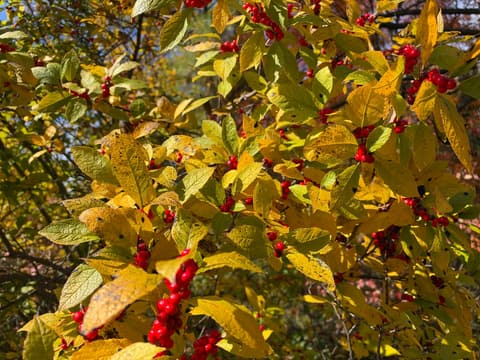
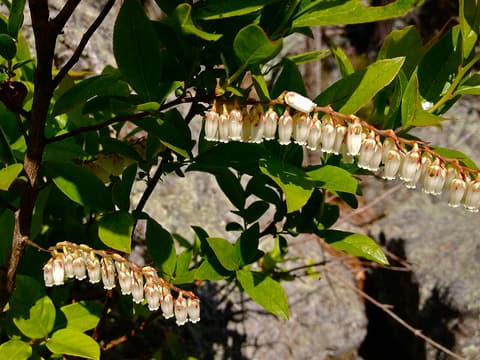
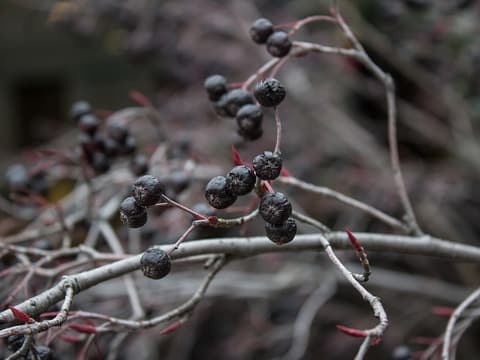
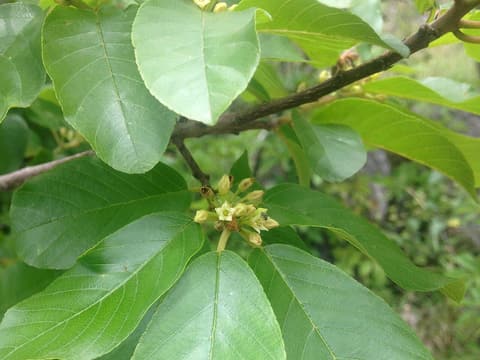
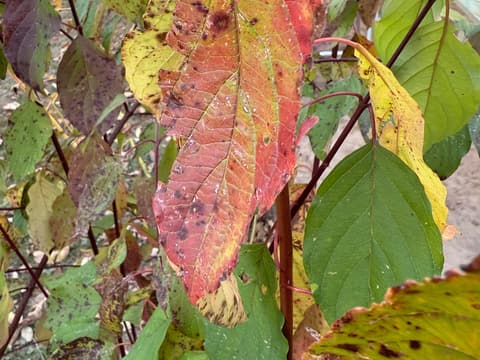
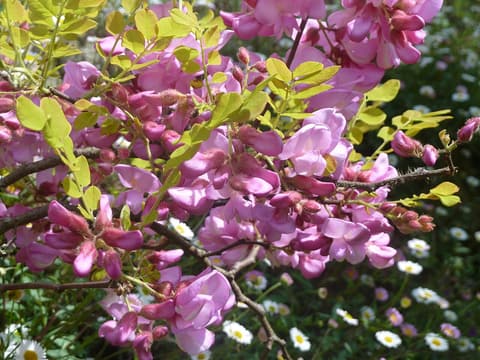
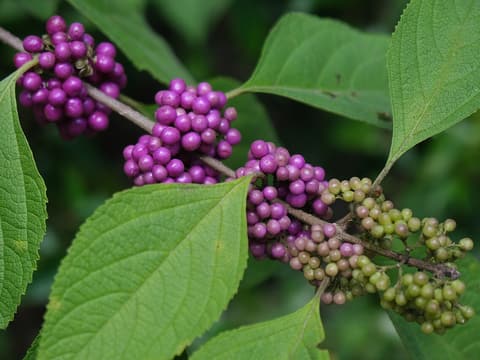
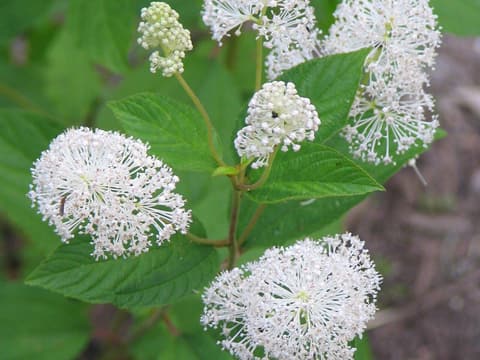
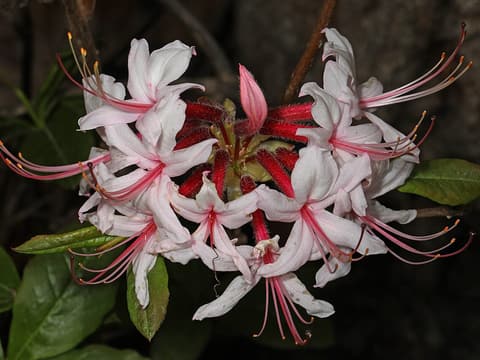
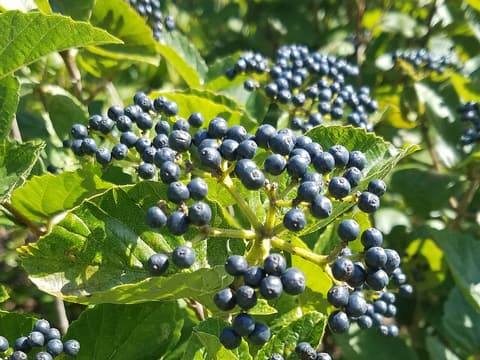
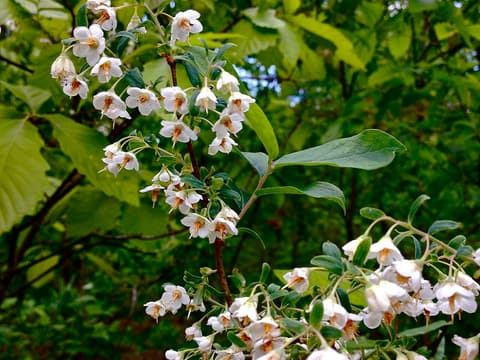
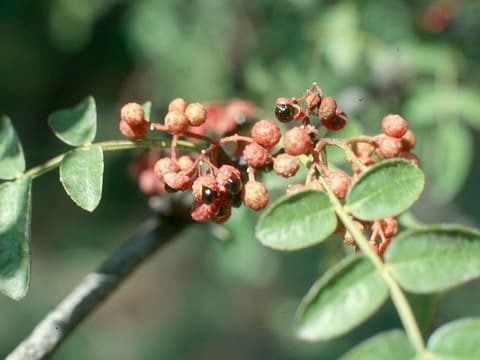
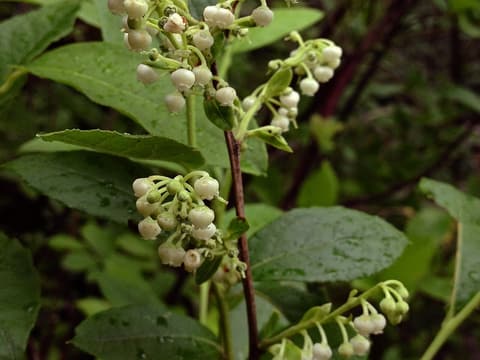
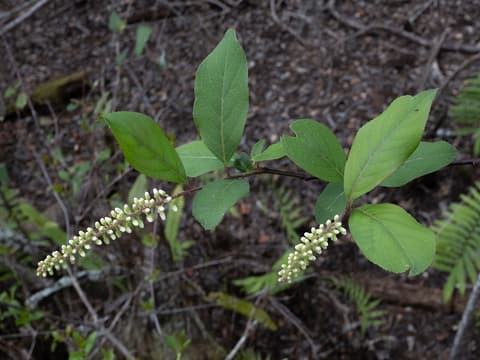
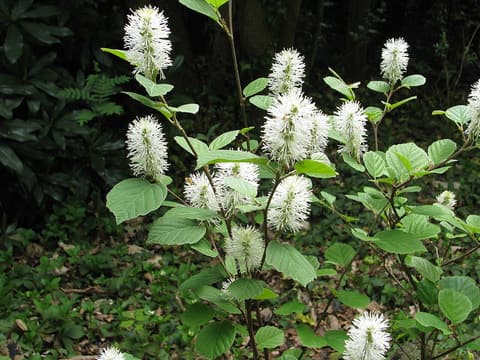
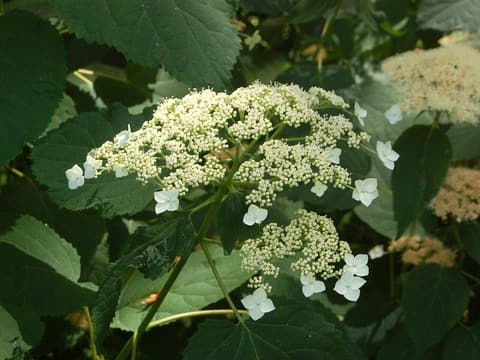
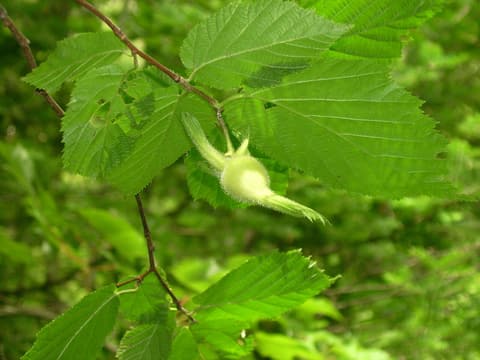
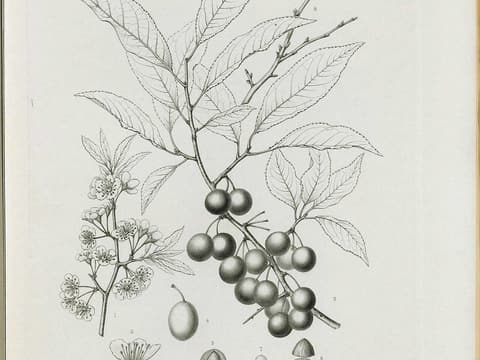
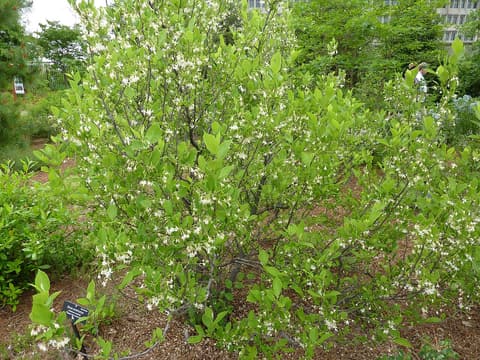
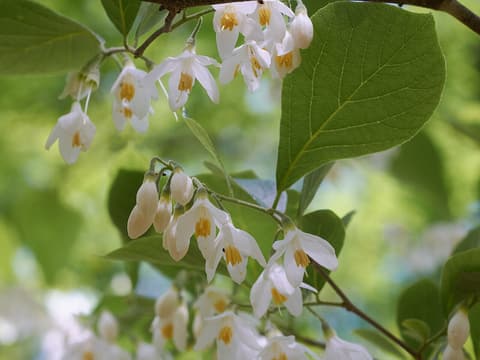
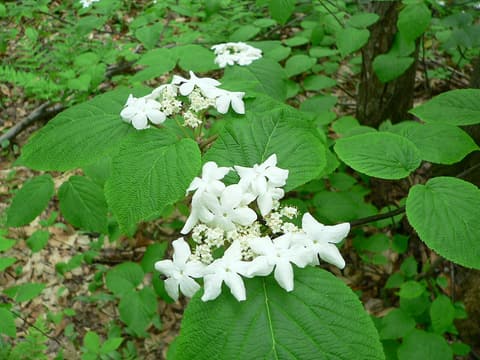
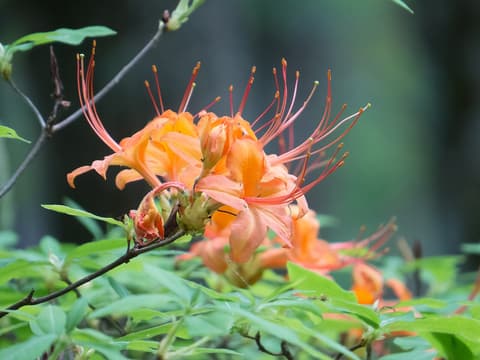
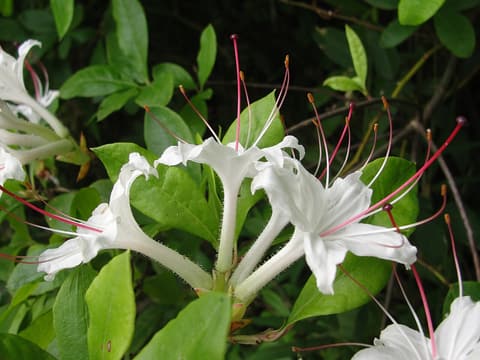
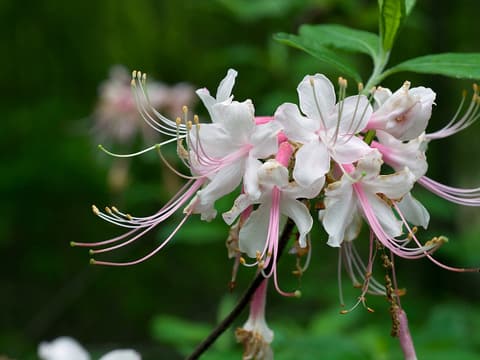
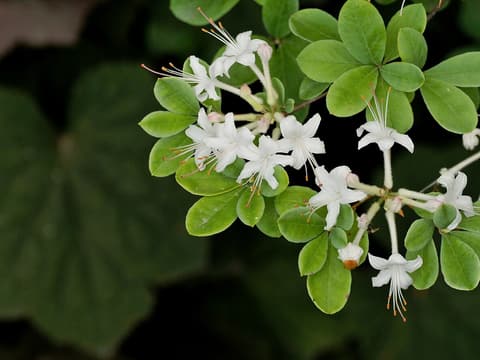
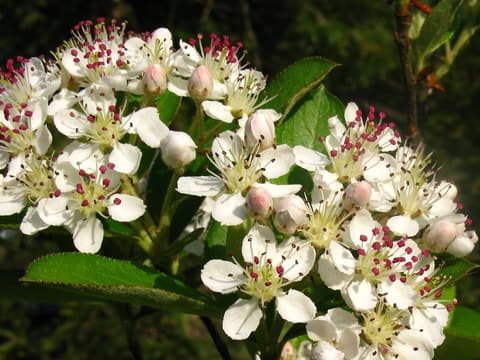
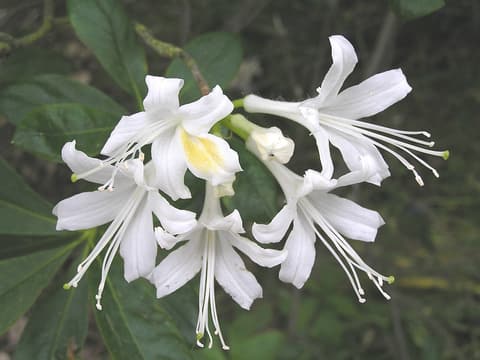
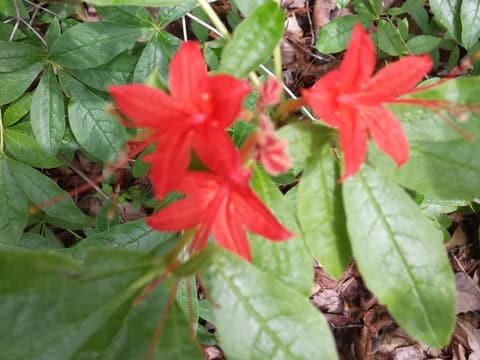
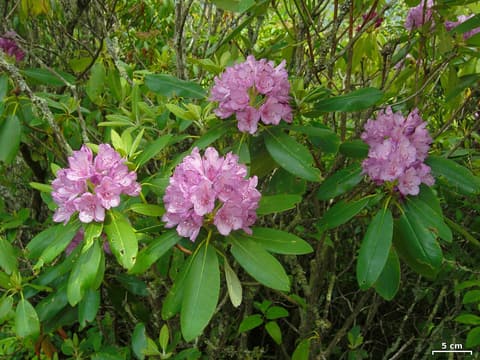
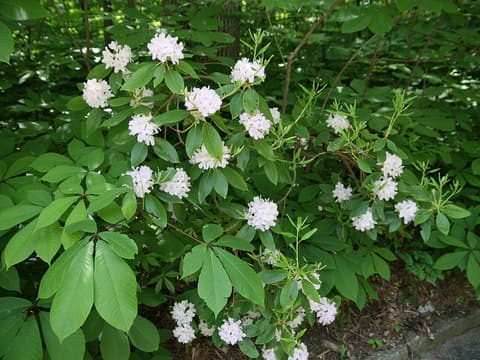
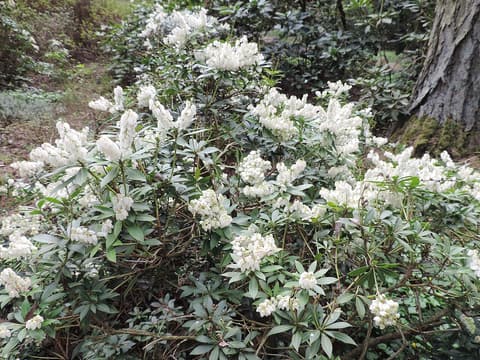
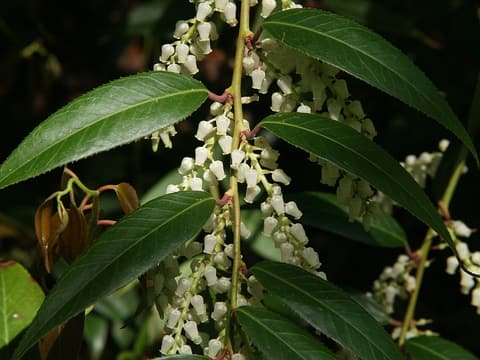
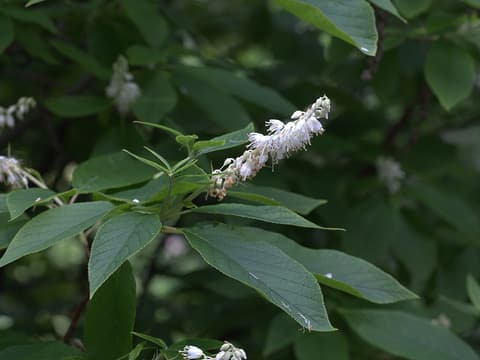
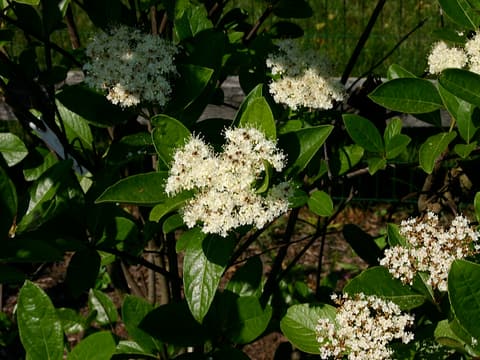
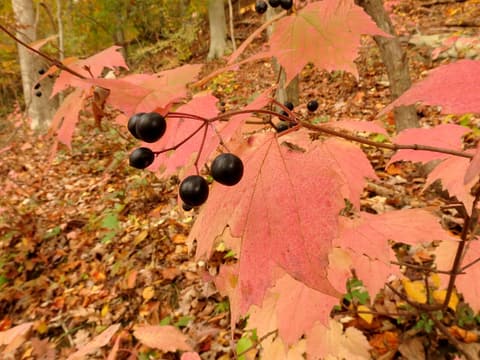
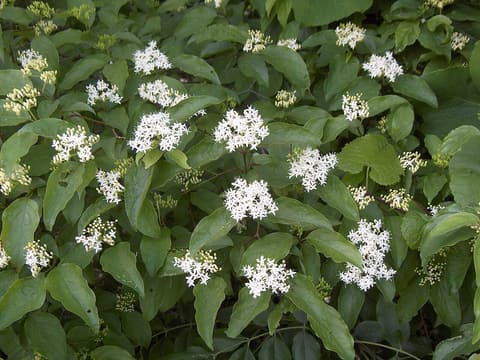
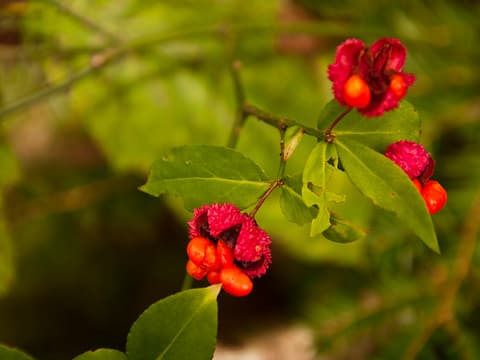
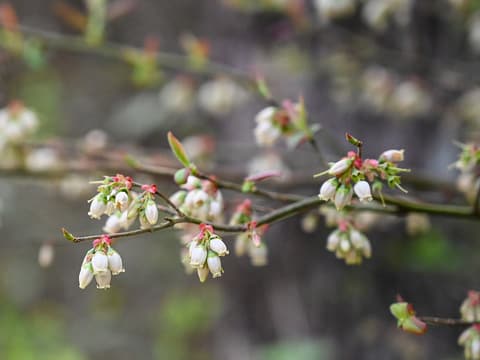
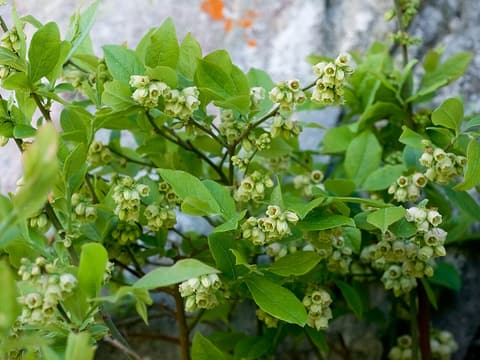
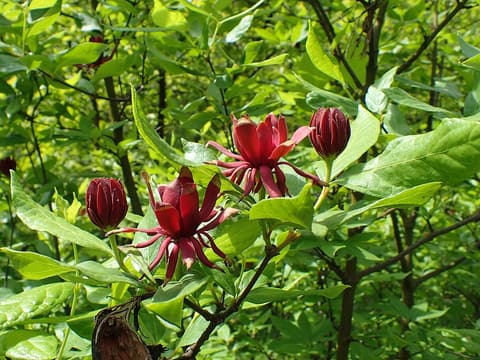
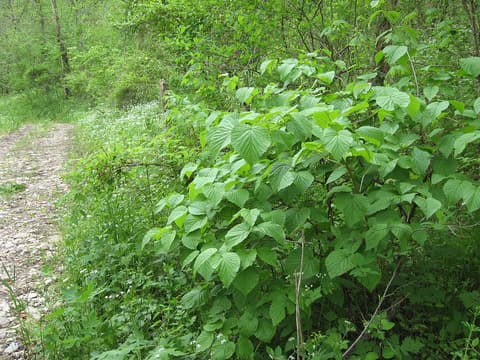
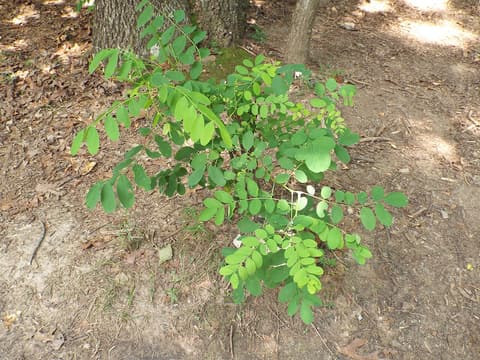
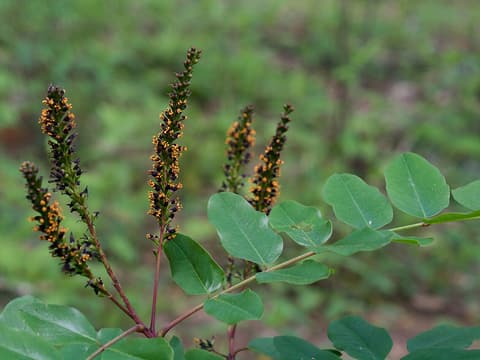
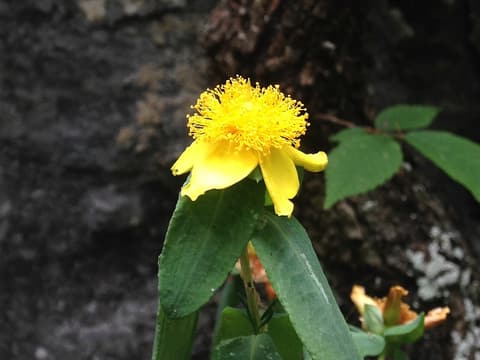
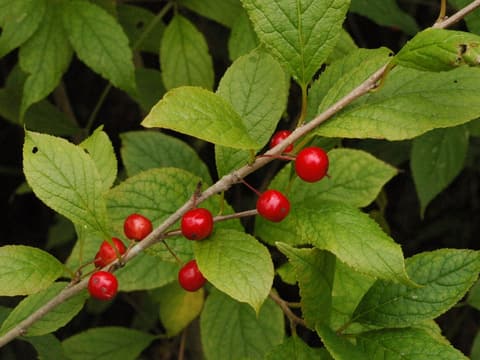
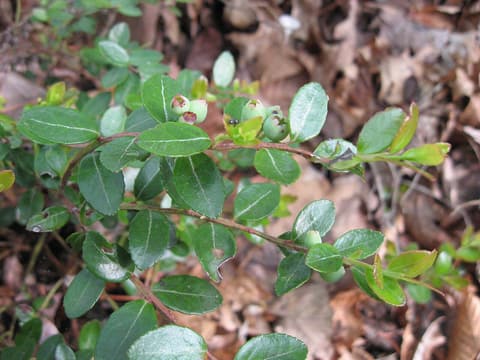
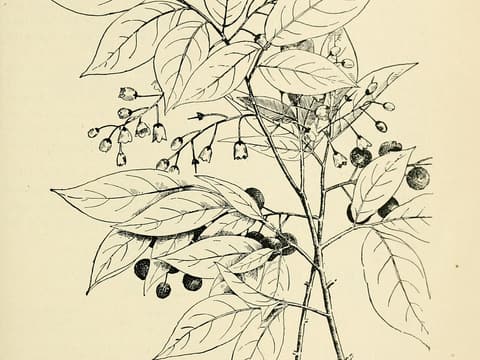
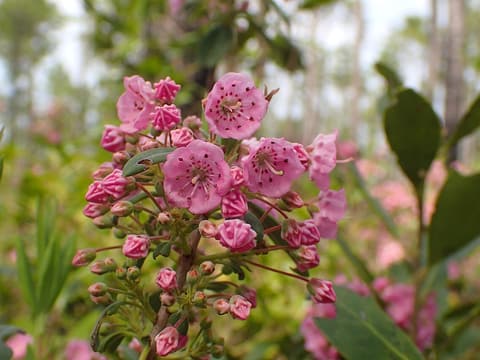
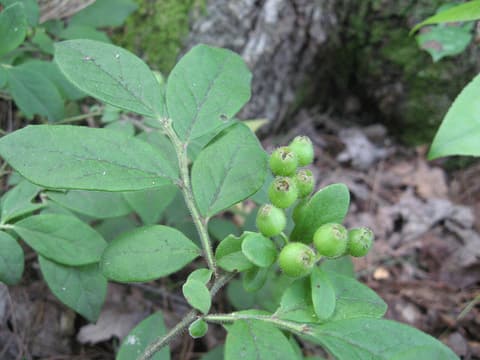
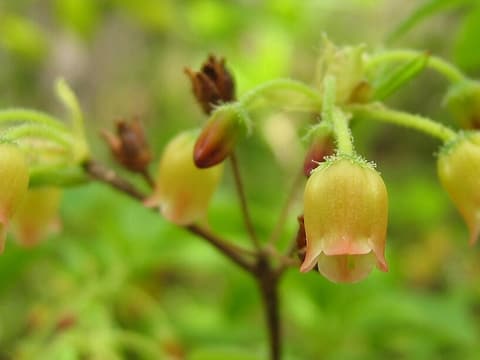
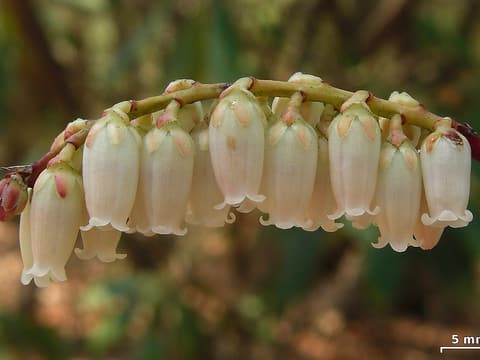
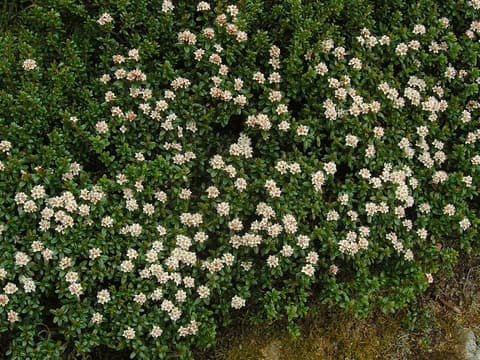
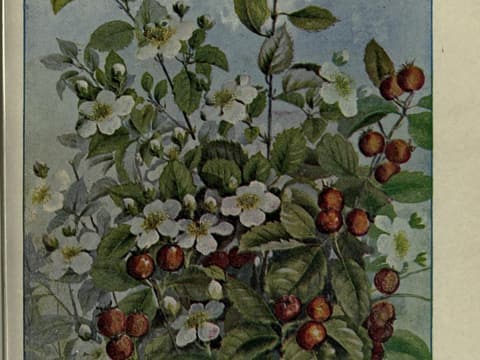
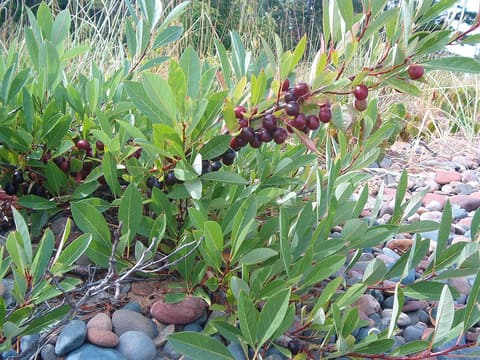
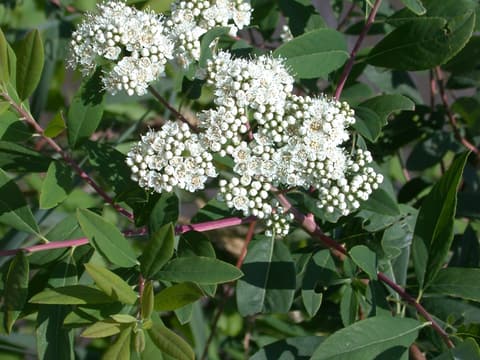
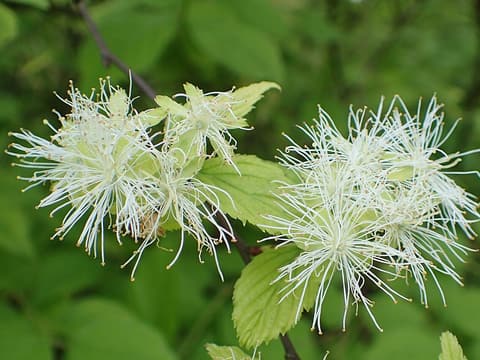
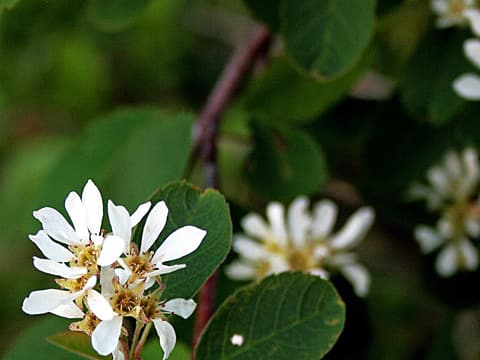
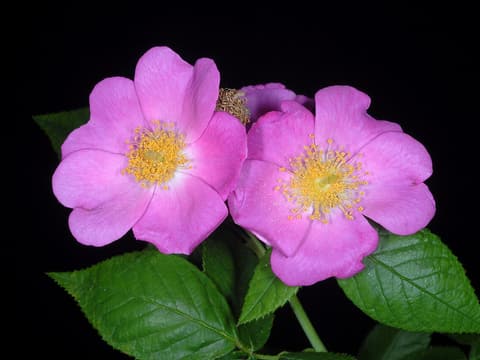
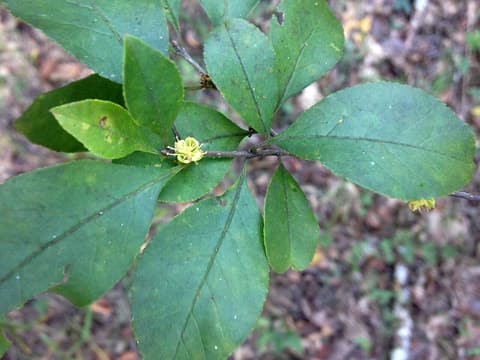
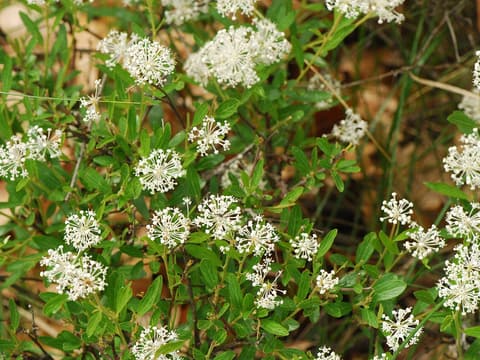
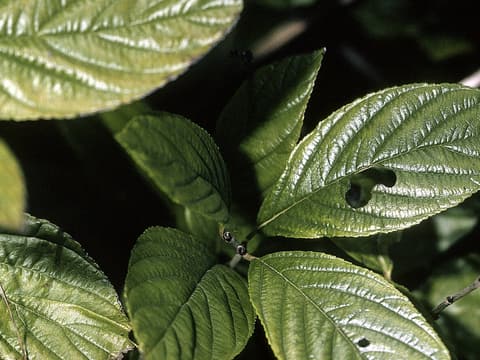
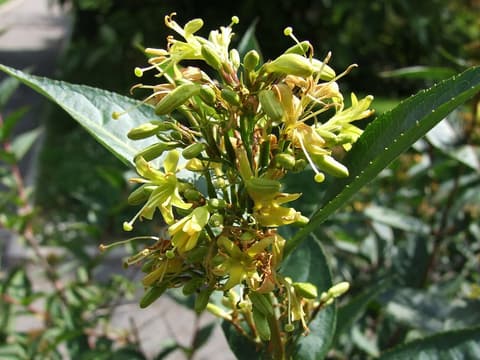
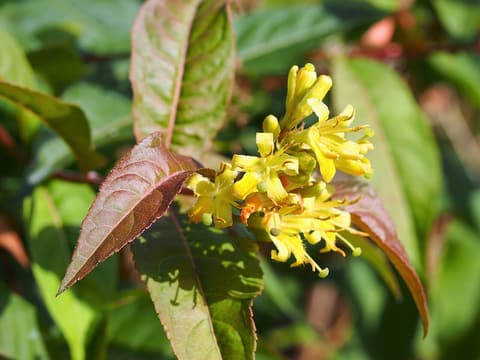
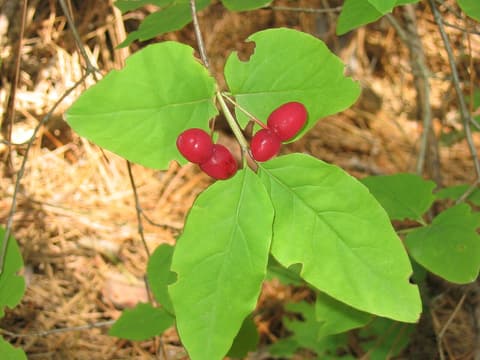
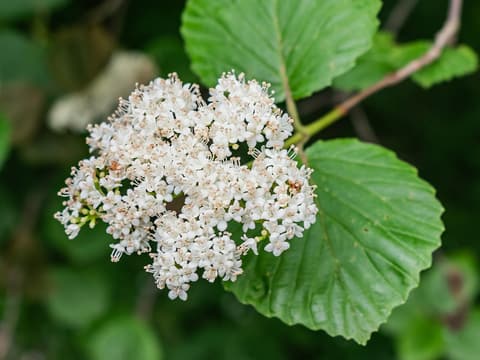
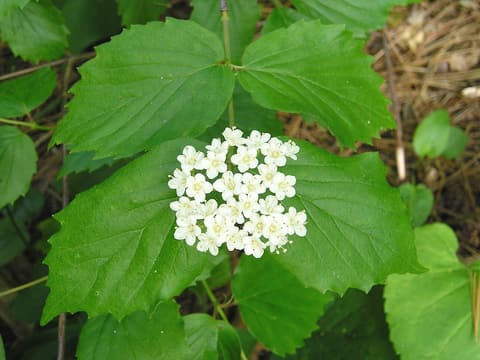
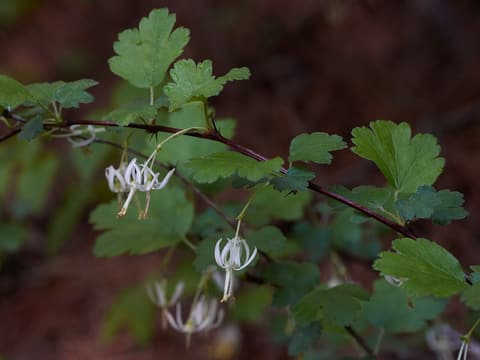
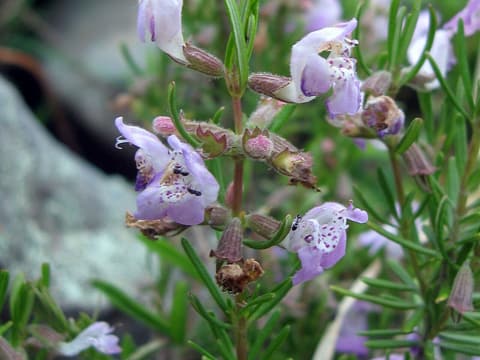
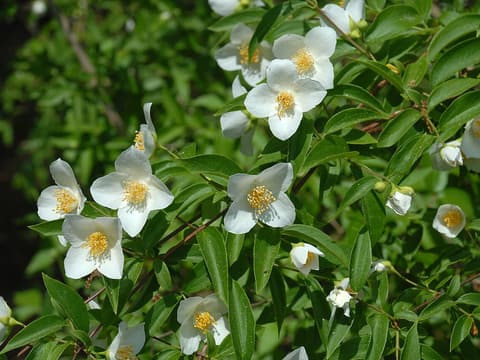
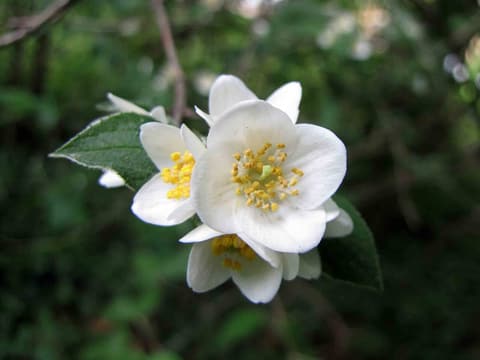
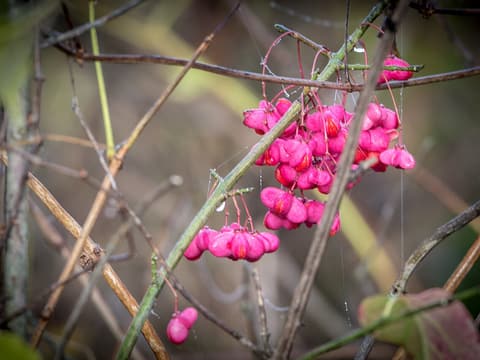
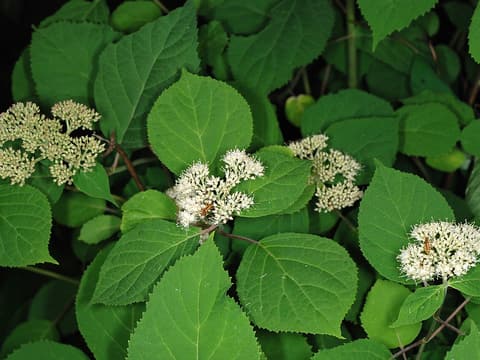
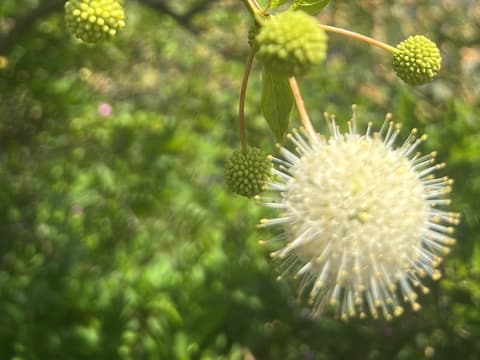
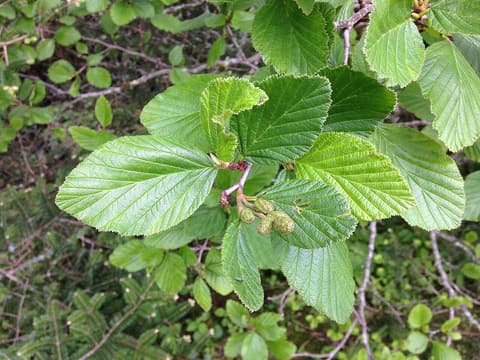
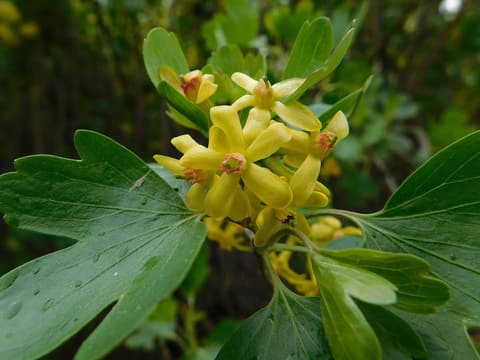
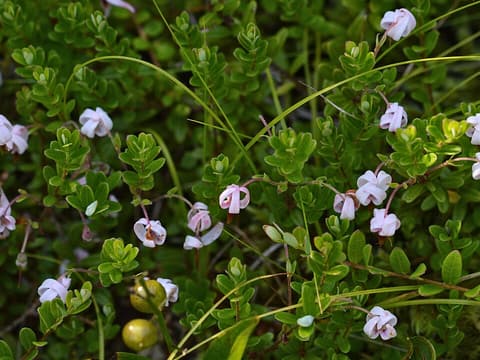
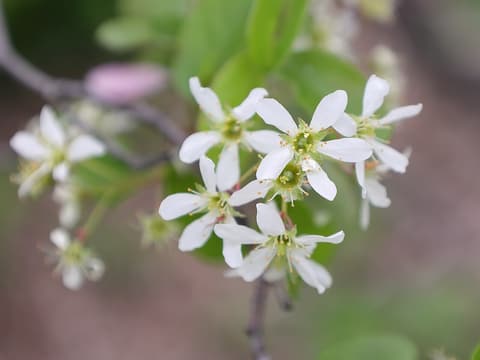
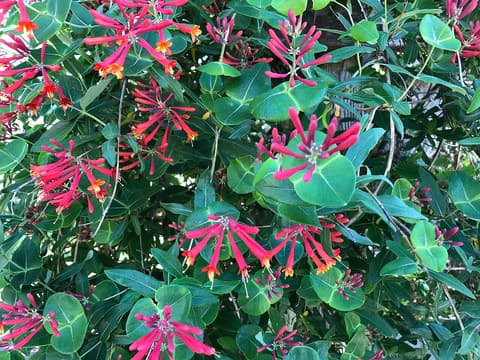
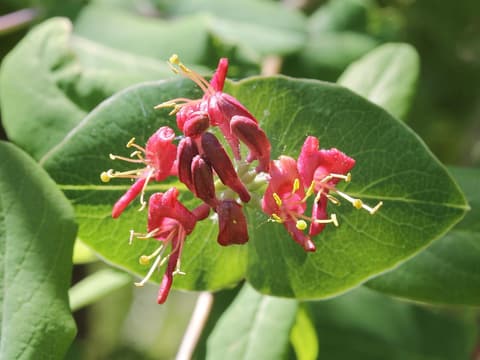
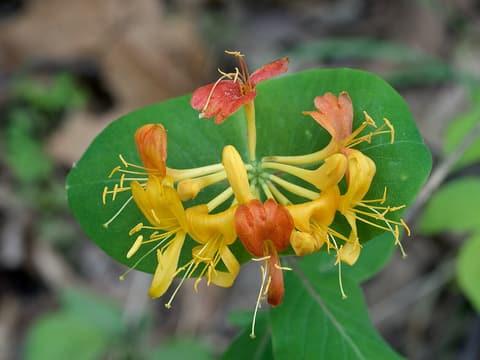
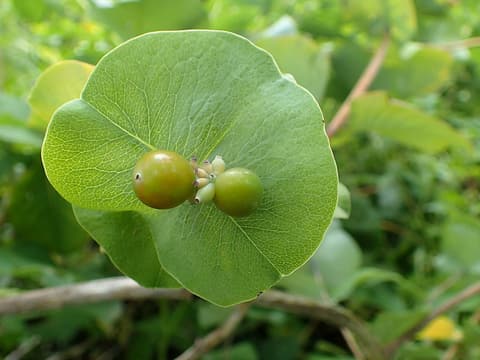
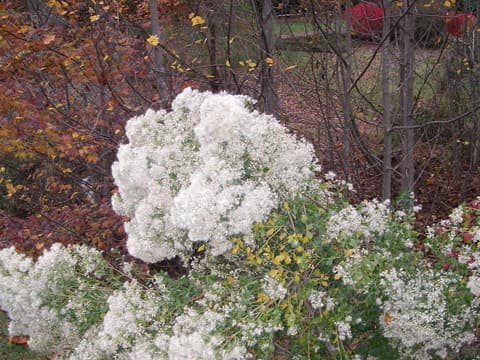
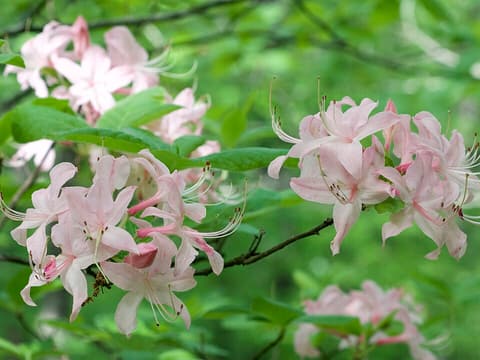
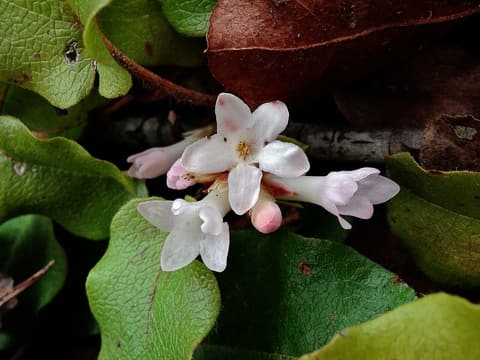
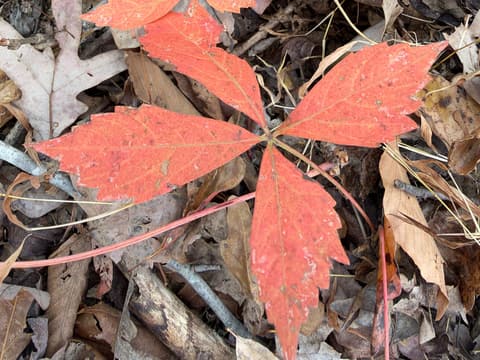
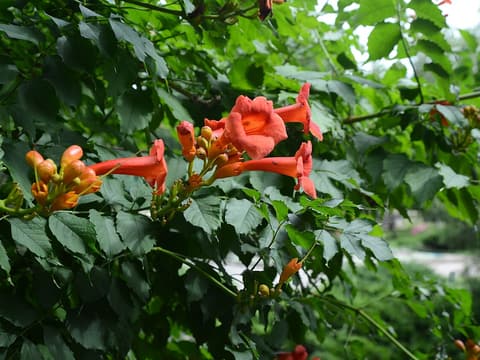
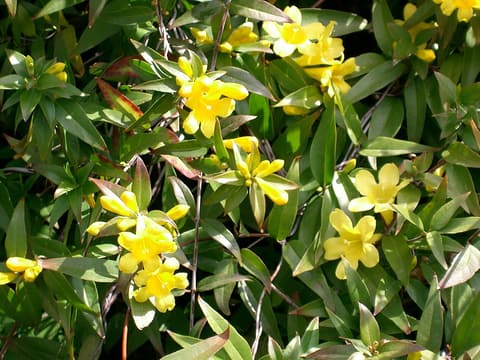
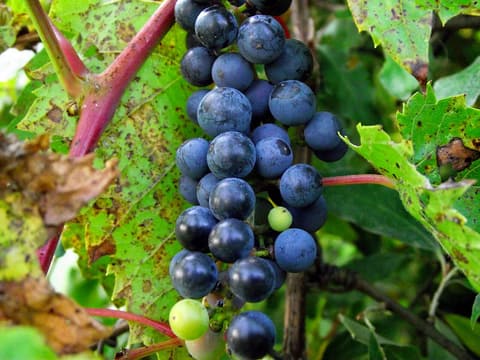
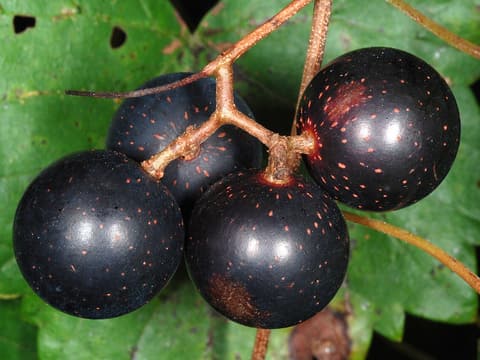
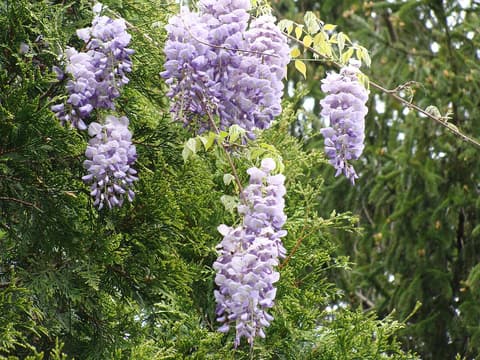
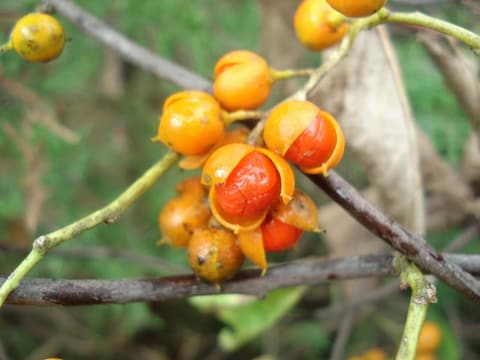
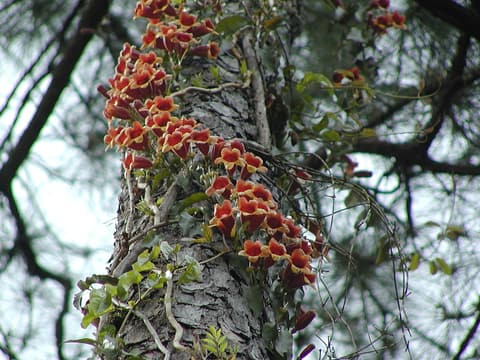
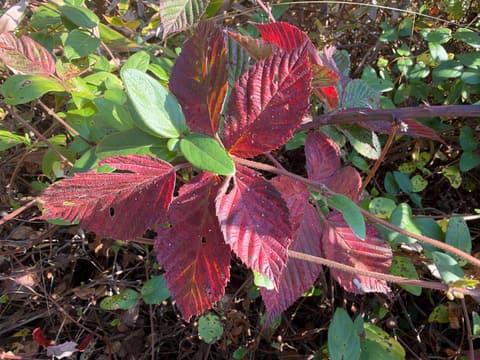
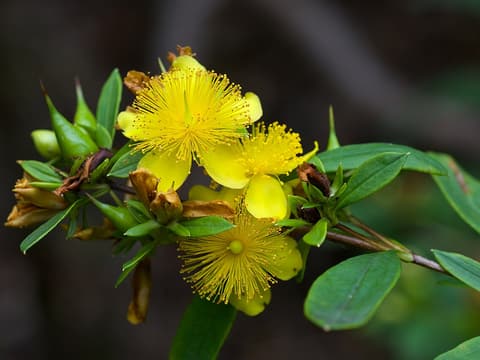
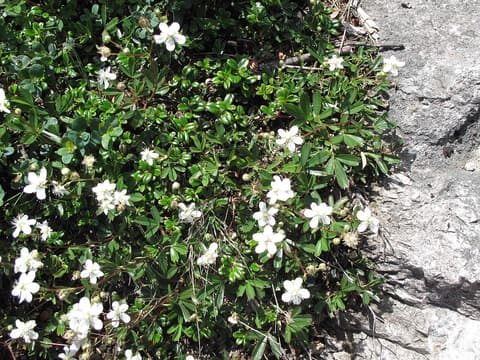
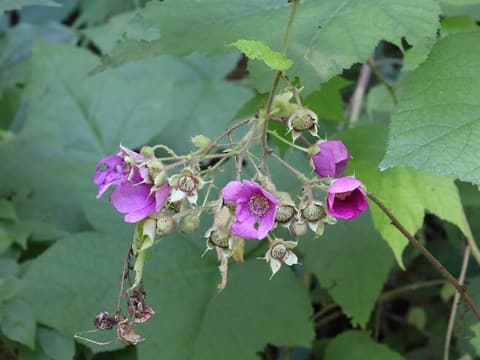
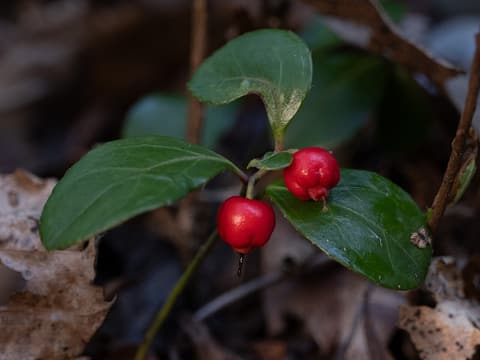
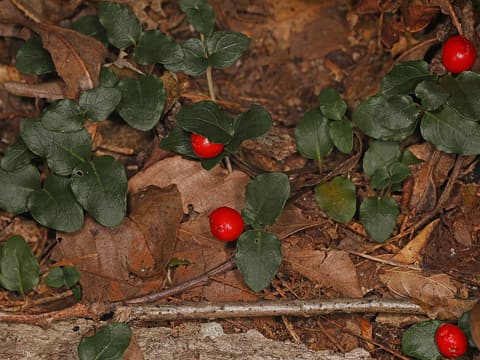
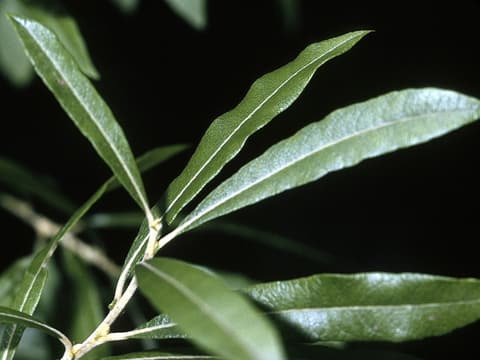
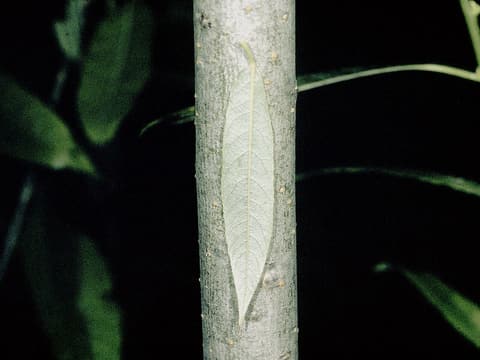
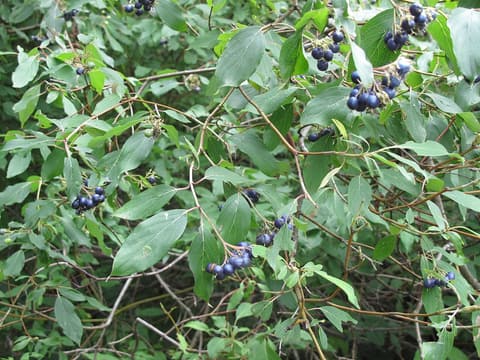
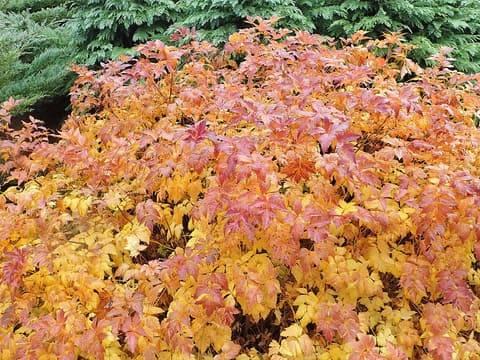
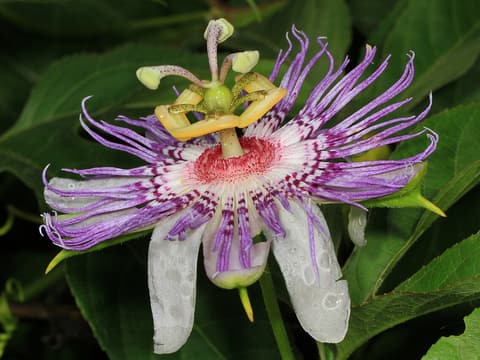
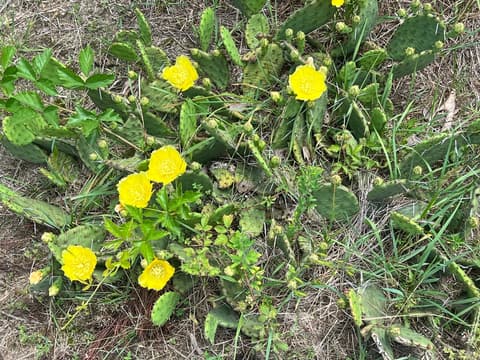
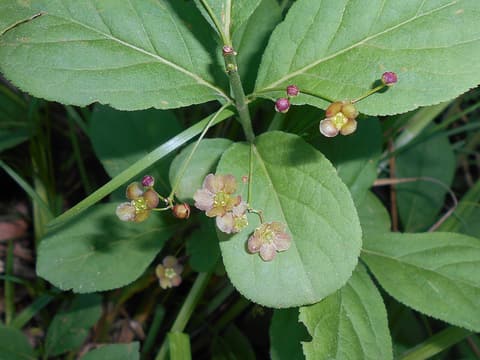
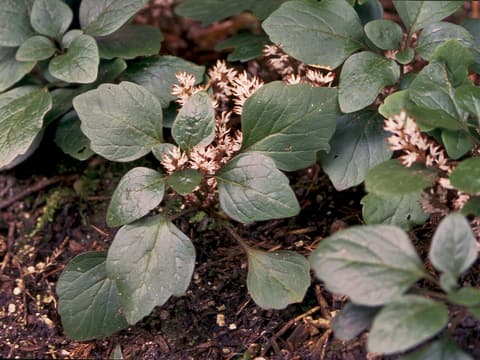
Recorded in Tennessee
Native only to part of the country
PLANTS records these growing wild in Tennessee, but their native range does not reach it. Each has spread here from planting or rests on an old or mistaken record. The sentence under each gives its native range or the reason.
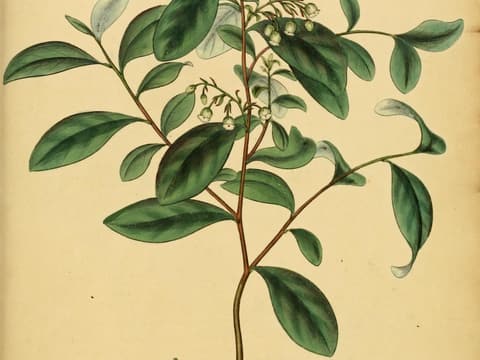
Alabama Croton Croton alabamensis
It grows wild in only two Alabama counties, Bibb and Tuscaloosa, and in three counties of central Texas, where its variety is called Texabama croton. NatureServe's record gives one historic collection in Tennessee, from Coffee County in 1899.
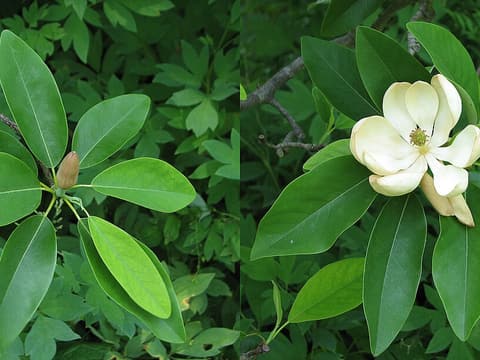
Southern Magnolia Magnolia grandiflora
It grows wild on the Coastal Plain from southeastern North Carolina to central Florida and west to eastern Texas. Birds carry its seed from planted trees, and it now grows wild well north and inland of that range.
Southern Catalpa Catalpa bignonioides
Its native ground is the Gulf coastal plain, from southwest Georgia and the Florida panhandle west through Alabama and Mississippi to Louisiana. After three centuries of planting it grows wild across most of the East.
Recorded in Tennessee
Introduced, not native
PLANTS records these growing wild in Tennessee and lists them as introduced to the region.
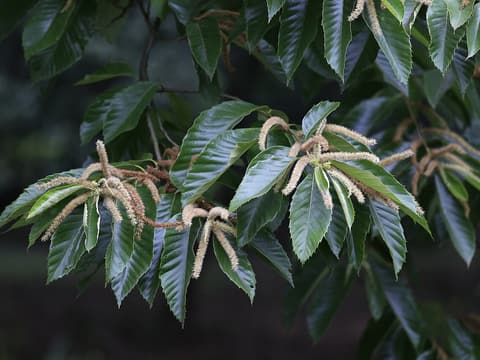
Native to Tennessee
35 other native trees and shrubs we do not grow
Common natives of Tennessee by the USDA PLANTS Database's records, with each one's native range read from the sources its page names. We do not grow them, so there is no price or sign-up for them here; each name opens a page of what our tools say about it.
American Sycamore Platanus occidentalisBigtooth Aspen Populus grandidentataBlack Willow Salix nigraBoxelder Acer negundoCarolina Rose Rosa carolinaCoralberry Symphoricarpos orbiculatusEastern Cottonwood Populus deltoidesEastern White Pine Pinus strobusGreen Ash Fraxinus pennsylvanicaHighbush Blueberry Vaccinium corymbosumHoneylocust Gleditsia triacanthosLoblolly Pine Pinus taedaLowbush Blueberry Vaccinium angustifoliumMeadowsweet Spiraea albaNorthern Bush Honeysuckle Diervilla loniceraOakleaf Hydrangea Hydrangea quercifoliaPaper Birch Betula papyriferaPitch Pine Pinus rigidaPumpkin Ash Fraxinus profundaRed Maple Acer rubrumScarlet Oak Quercus coccineaShortleaf Pine Pinus echinataSilver Maple Acer saccharinumSmooth Sumac Rhus glabraSnowberry Symphoricarpos albusSteeplebush Spiraea tomentosaSugar Maple Acer saccharumSwamp Rose Rosa palustrisSweetfern Comptonia peregrinaSweetgum Liquidambar styracifluaTuliptree Liriodendron tulipiferaVirginia Pine Pinus virginianaWater Oak Quercus nigraWhite Ash Fraxinus americanaWinged Sumac Rhus copallinum
Recorded in Tennessee
1 more we do not grow, growing wild here but not native
The USDA PLANTS Database records these growing wild in Tennessee, beyond the native range their records give, so they count here as naturalized, not native. We do not grow them; each name opens a page of what our tools say about it.
Osage-orange Maclura pomifera
175 of our trees and shrubs are not recorded in Tennessee
Not recorded growing wild there by PLANTS. Many still grow well there when planted: hardiness, soil and sun decide that, not the state line. Every tree and shrub we grow, A to Z gives each one's zones, and the tree finder narrows them to your zone, sun and soil.
Two regional guides cover Tennessee: Native trees for the Southeast, and Native trees for the Southern Appalachians for the mountain counties.
A tree or shrub shipped into Tennessee may fall under the state's own quarantine rules. The National Plant Board publishes each state's summary for shippers, and our terms ask you to comply with your state's plant-import rules. For the spot itself, the planting-site check asks about its zone, sun and soil.
Be first
Email me when any of these 12 is ready to order
Limited timeSign up now and get 10% off when it is ready.
One email per plant you tick, when it is priced, and nothing else. Each carries a code for 10% off the plants in that order, not shipping or tax. Or ask, and we reply with what is ready now.
While you wait, ask what is ready now.
PLANTS has no record of Creek Plum, Long-stalked Holly and Pale Dogwood in Tennessee. NatureServe places them there.
More about this tool
How the lists are made
A tree or shrub is listed when the USDA PLANTS Database records it growing wild in the state. It counts as native there unless PLANTS lists it as introduced, or a narrower native range is on record. The range records come from the Forest Service's Silvics of North America, NatureServe Explorer, the NRCS plant guides or the state floras. Then it is listed as introduced, or apart under its page's own range sentence. The ten rules in full, their sources and what a state line can and cannot tell you are on the native trees by state page. Each plant page states its native range in words. Every species we grow, with the states where it is native, is in the native range table, A to Z.
Sources: USDA, NRCS. The PLANTS Database (https://plants.usda.gov), state records read between 2026-09-23 and 2026-11-09. National Plant Data Team, Greensboro, NC USA. NatureServe. 2026. NatureServe Explorer (https://explorer.natureserve.org), state records read on 2026-10-05. NatureServe, Arlington, Virginia.
The address carries the native trees by state tool's inputs, so a link opens it filled in, and Copy link on a result writes one: state (a state's two letters, such as OH), sort (featured, name, price-asc, price-desc, height, hardy or fast). For example, /tools/native/?state=MD.