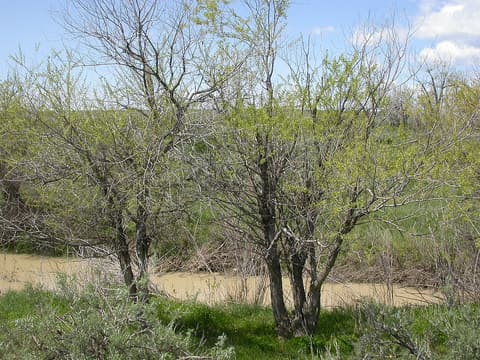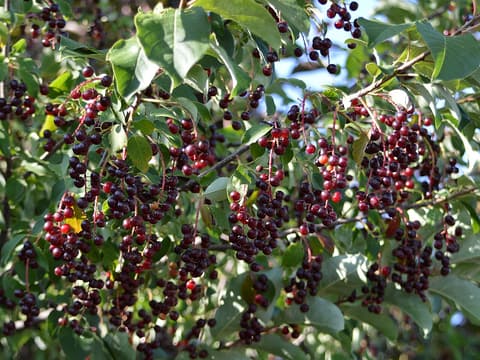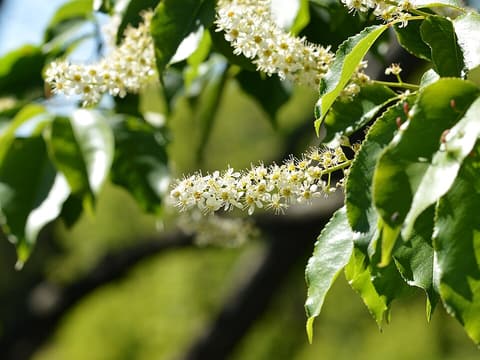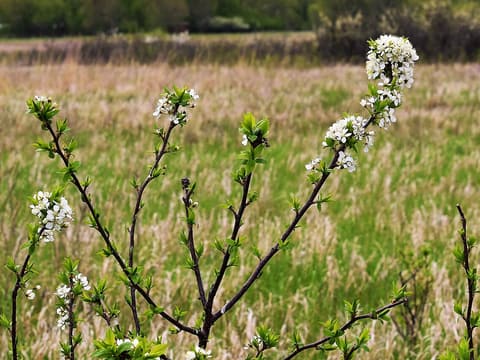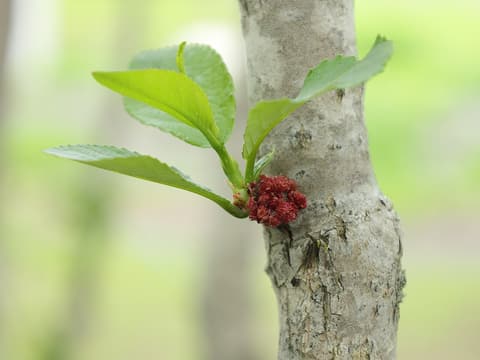
Balsam Poplar
Populus balsamifera Large tree Zones 2–5 30–100 ft
Shares floodplain forests and stream banks in the wild.

A native we do not grow
Acer macrophyllum. Large tree, 40 to 80 feet where planted, zones 5 to 9; full sun, part shade or shade; dry, average or wet ground.
We do not grow bigleaf maple, and it is not in our shop. This page gathers what our tools say about it and the natives we grow for the same ground.
| Other names | Oregon maple, broadleaf maple, canyon maple, Pacific maple |
|---|---|
| Form | Large tree |
| Height, feet | 40 to 80 where planted; up to 119 in its native stands |
| Spread, feet | Up to 75 |
| Zones | 5 to 9 |
| Sun | Full sun, part shade or shade |
| Soil moisture | Dry, average or wet ground |
| Growth | Fast |
| Leaves | Deciduous |
| Traits | Fall color, wildlife value, honey tree |
| Flowers | March to June |
| Fruit | Samaras, September to March |
| First crop | About 10 years (seed nearly every year after) |
| Pollination | One bears; a second improves the crop. Each tree's flowers shed pollen and take it at different times, so bigleaf maples mostly cross with their neighbors, and a second tree nearby helps the seed crop. |
| Lifespan | Can live 200 years or more. |
| Black walnut | Not named on the Morton Arboretum's lists |
| Ground | Floodplain forests, stream banks, rich moist slopes and rocky ground |
| Native in | 3 states |
Bigleaf maple is native in 3 states: California, Oregon and Washington. The states are the USDA PLANTS Database's records, with the native range read from Silvics of North America and the Fire Effects Information System.
These trees we grow share the most of bigleaf maple's natural communities in the wild, by the companion species tool's rules.
Shares floodplain forests and stream banks in the wild.
Shares floodplain forests and stream banks in the wild.
Shares stream banks and rocky ground in the wild.
Its figures come from Silvics of North America, the Forest Service's Fire Effects Information System, the Woody Plant Seed Manual, the USDA PLANTS Database, the Missouri Botanical Garden, NC State Extension, the Wildflower Center, Cal Poly's SelecTree, Oregon State University's Landscape Plants and Calscape.