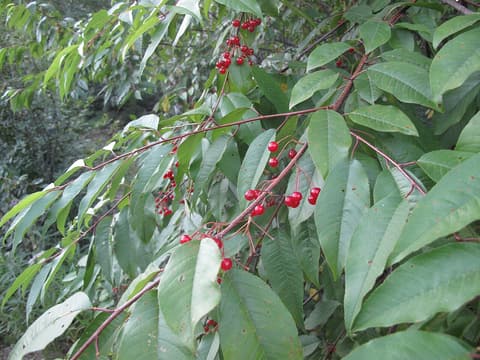
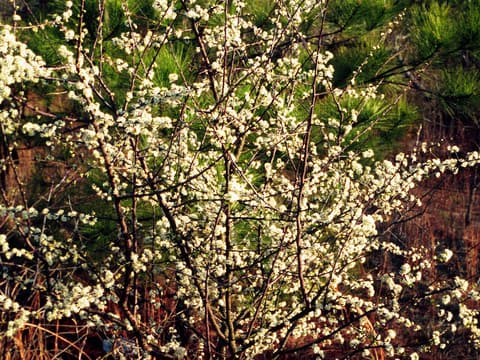
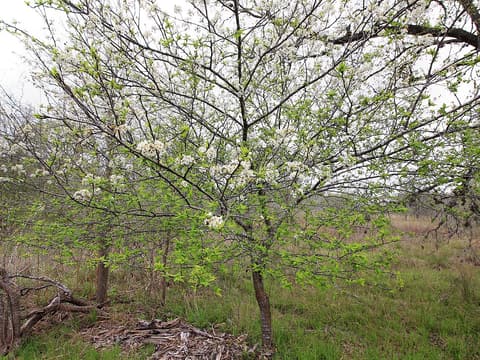
Photo: National Park Service, Public domain · Wikimedia Commons
American Plum
Scientific name: Prunus americana
Also called wild plum, common plum.
A thicket-forming wild plum for dry banks and wet ground alike, with fragrant white spring bloom and tart red-yellow fruit for jelly and wildlife.
Be first when American plum is priced
Saplings ship bare-root, usually 12 to 18 inches tall, in the dormant season, and their height and age are stated here with the price, once available.
We grow it as saplings and seed. One email when it is listed with prices, and nothing else. Or ask, and we reply with what is ready now. Live plants ship February to May and October to November.
Limited timeSign up now and get 10% off when it is ready.
Share: copy link
American Plum at a glance
- Type
- Small tree
- Mature height
- 15–25 ft
- USDA zones
- 3–8
- Growth rate
- Fast
- Flowers
- April to May
- Fruit
- Plums, August
- First crop
- 3 to 5 years
- Mature spread
- 25 ft
- Sun
- Full, Part
- Soil moisture
- Dry, Average, Wet
- Grows wild in
- Stream banks, old fields and edges
- Native range
- 41 states and the District of Columbia, north to North Dakota, south to Florida and west to Washington Also recorded, not native, in Maine and New Hampshire. See what is native in your state
List all 42
Alabama, Arizona, Arkansas, Colorado, Connecticut, Delaware, Florida, Georgia, Illinois, Indiana, Iowa, Kansas, Kentucky, Louisiana, Maryland, Massachusetts, Michigan, Minnesota, Mississippi, Missouri, Montana, Nebraska, New Jersey, New Mexico, New York, North Carolina, North Dakota, Ohio, Oklahoma, Pennsylvania, Rhode Island, South Carolina, South Dakota, Tennessee, Utah, Vermont, Virginia, Washington, West Virginia, Wisconsin, Wyoming and the District of Columbia
American plum is the hardiest native plum, growing from the Canadian prairies to Georgia. Its suckering habit makes a fast, thorny hedgerow that shelters songbirds; the fruit ripens in August and makes superb jam. Its roots hold the soil, and its thorny thickets slow wind erosion in a drought. A shelterbelt tree for the prairie, a dry-bank thicket where lawn grass gives up, or a hedge along a wet ditch.
Size, growth and what to expect
American plum is a fast grower by most accounts. It grows fast, and our growth estimator models it at nearly three feet a year in its youth on an average site. It runs from a thicket shrub to a small tree of 15 to 25 feet, tallest and most often single-stemmed in the South. Root sprouts come up as much as 10 feet from the parent and build the thorny thickets. Shrubs in Nevada have lived about 20 years. Its stems are short-lived, but the thicket persists.
Fragrant white flowers an inch across open in April and May before the leaves. The red to yellow plums, three quarters of an inch to an inch and a quarter long with a single stone, ripen in August. A good crop comes about every other year. Wild turkeys, grouse, foxes, raccoons, deer and black bears eat them, and the thickets shelter songbirds. On the western Great Plains it is the wild plum of the shelterbelts, planted for drought resistance.
It grows wild from southern Saskatchewan and Quebec south to central Florida and west to Montana and Oklahoma, on prairie edges and along riverbanks.
How to grow American Plum
American plum grows in full sun or part shade. It takes a stream bank or a low spot that stays wet in spring as readily as a dry bank. Because it suckers into a thicket, plant it where a spreading, thorny hedge is welcome: a fence line or windbreak, and keep it 15 feet from paths and buildings. Set trees 15 to 25 feet apart.
Plant dormant bare-root saplings from late fall through early spring. Dig a hole twice as wide as the roots and no deeper, set the root flare at grade, and backfill with plain soil. Mulch a ring three inches deep, kept off the trunk. Sow plum pits in fall, two inches deep, under hardware cloth against mice and squirrels. For a spring sowing, hold them damp in the refrigerator for three to five months first.
Give it a deep soak once a week through the first summer. Rabbits and voles love plum bark, and deer browse the shoots, so guard the trunk for three years. Prune in late winter to remove dead wood and crossing stems, and mow off unwanted suckers.
Wild plum needs a second seedling nearby for good fruit set, and the crop ripens in August. Watch for black knot, a lumpy black fungus on twigs; prune it out well below the swelling. Seedlings bear within three to five years.
Heights and zones are typical ranges for the species in cultivation; local conditions and seed source shift them.
Sources (14)
- USDA Fire Effects Information System: Prunus americana
- NC State Extension Gardener Plant Toolbox: Prunus americana
- USDA NRCS Plant Guide: wild plum, Prunus americana
- USDA Forest Service, Woody Plant Seed Manual: Prunus chapter
- Lady Bird Johnson Wildflower Center: Prunus americana
- Virginia Tech Dendrology: American plum, Prunus americana
- NatureServe Explorer: Prunus americana
- Flora of North America, vol. 9: Prunus americana
- Go Botany (Native Plant Trust): Prunus americana, American plum
- Trees and Shrubs Online: Prunus americana
- The Morton Arboretum: wild plum
- USDA NRCS PLANTS Database: Prunus americana
- Iowa State University Extension and Outreach, Natural Resources: Wild Plum
- USDA Forest Service, Fire Effects Information System: Prunus americana
Plan the planting
Check your site for it What to plant with it How big, how fast How much to water How to sow it How many for a crop When it flowers and fruits When to plant it where you live How far from the house and wires How old is yours Moving one you already have
Read before planting
- Ten planting mistakes that quietly kill trees
- Transplanting young trees: timing, water and protection
- Protecting young trees from voles, rabbits, deer and squirrels
- Native trees for the Great Plains: Iowa, Nebraska, Kansas, the Dakotas, eastern Colorado and Wyoming
- Why a tree flowers but bears no fruit: it may be a male, lack a partner nearby, or be too young
- Multistem or single stem? Sometimes the trunk is hiding the answer
We grow 14 other plums and cherries (Prunus): see them all.
Grows in the same conditions
Plants that share its sun and soil
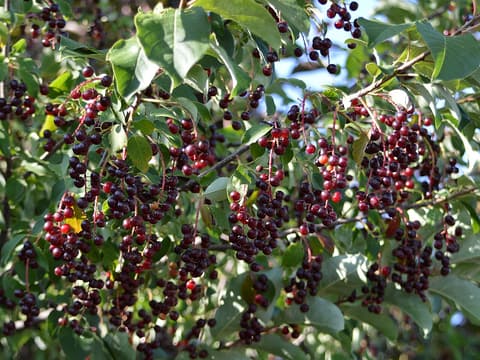
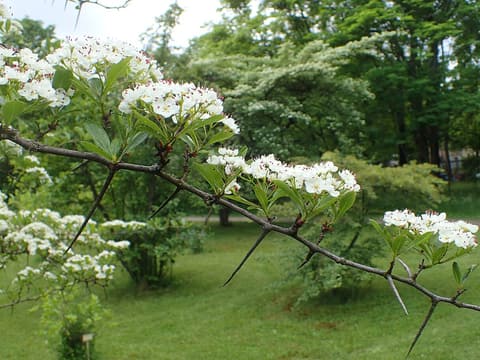
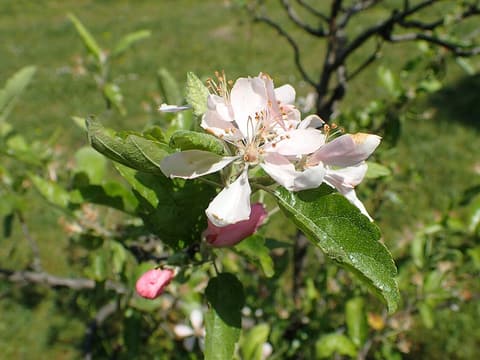
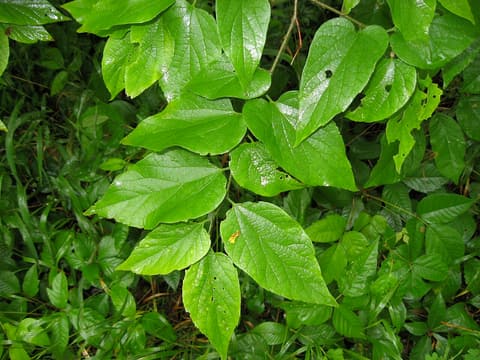
Trees to plant it under: American Elm, Northern Catalpa and Sugarberry.
More like this