
A native we do not grow
Pacific Yew
Taxus brevifolia. Small tree, 20 to 60 feet, zones 4 to 10; full sun, part shade or shade; dry or average ground.
We do not grow Pacific yew, and it is not in our shop. This page gathers what our tools say about it and the natives we grow for the same ground.
At a glance
| Other names | Western yew, Oregon yew |
|---|---|
| Form | Small tree |
| Height, feet | 20 to 60; up to 65 in its native stands |
| Spread, feet | Up to 30 |
| Zones | 4 to 10 |
| Sun | Full sun, part shade or shade |
| Soil moisture | Dry or average ground |
| Growth | Slow |
| Leaves | Evergreen |
| Traits | Wildlife value, hedge or screen, erosion control |
| Pollen | March to July |
| Fruit | Arils, July to October |
| Pollination | Separate male and female trees. Male and female cones grow on separate trees, so a female tree bears its red, berrylike fruit only with a male nearby. |
| Lifespan | Is mature at 250 to 350 years. |
| Black walnut | Not named on the Morton Arboretum's lists |
| Toxicity | The seeds, leaves and bark are poisonous to people, dogs and cats. |
| Ground | The forest understory, stream banks and rich moist slopes |
| Native in | 7 states |
Pacific yew is native in 7 states: Alaska, California, Idaho, Montana, Nevada, Oregon and Washington. The states are the USDA PLANTS Database's records, with the native range read from Silvics of North America, the Fire Effects Information System, the Gymnosperm Database, the Wildflower Center and NC State Extension.
What our tools say
How fast it grows and how big it gets, by site Whether it suits your zone, sun and soil How far from a house, wires and a septic field What grows with it in the wild and in a yard When to plant it where you live When it sheds pollen and fruits, month by month How to sow its seed, with dates for your place How many to plant for a crop of seed Whether one you have can be moved, and what the move takes How old one is, from its trunk How a big one scores against the champion trees
For the same ground, we grow
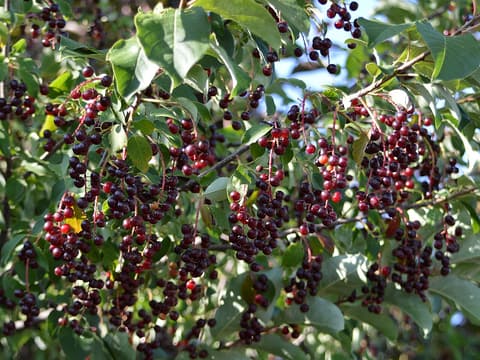
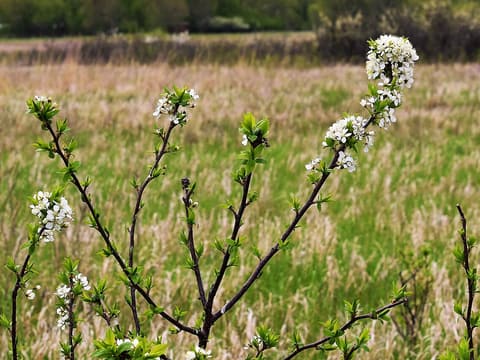
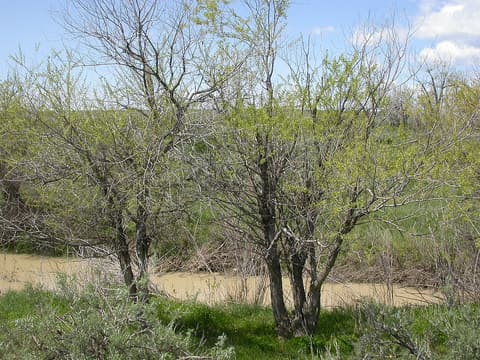
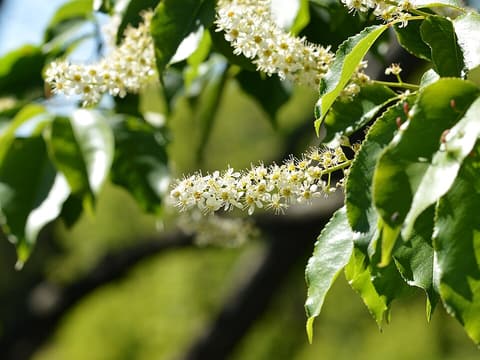
These trees we grow share the most of Pacific yew's natural communities in the wild, by the companion species tool's rules.
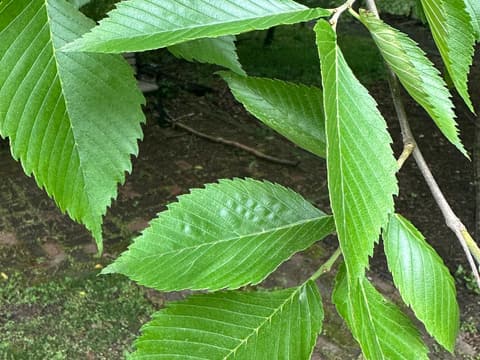
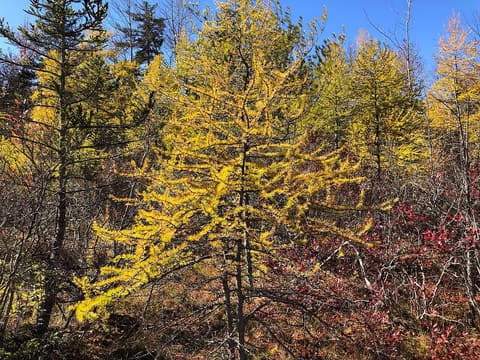
Read from
Its figures come from Silvics of North America, the Forest Service's Fire Effects Information System, the Woody Plant Seed Manual, the USDA PLANTS Database, the Wildflower Center, Cal Poly's SelecTree, the Jepson eFlora, the Gymnosperm Database, NC State Extension and Oregon State University's Landscape Plants.