Photo: Bruce Kirchoff, CC BY 2.0, cropped · Wikimedia Commons
Oglethorpe Oak
Scientific name: Quercus oglethorpensis
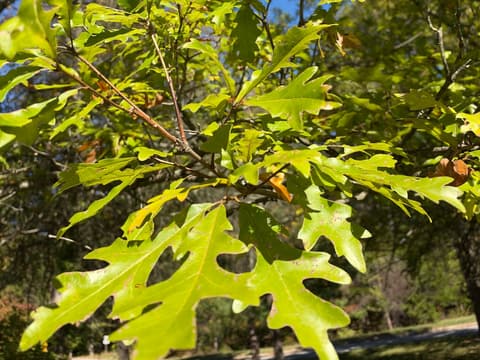
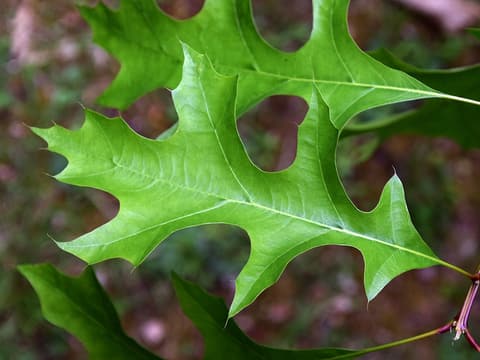
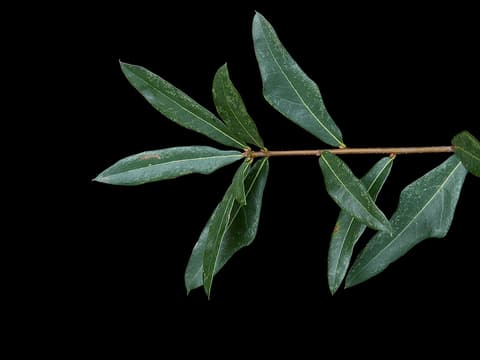
One of the rarest oaks in North America, with willow-like unlobed leaves and white-oak toughness.
Be first when Oglethorpe oak is priced
Saplings ship bare-root or in a pot, usually 12 to 18 inches tall, in the dormant season, and their height and age are stated here with the price, once available.
We grow it as saplings and acorns. One email when it is listed with prices, and nothing else. Or ask, and we reply with what is ready now. Live plants ship February to May and October to November.
Limited timeSign up now and get 10% off when it is ready.
Share: copy link
Oglethorpe Oak at a glance
- Type
- Large tree
- Mature height
- 50–80 ft
- USDA zones
- 6–9
- Growth rate
- Medium
- Flowers
- April
- Fruit
- Acorns, October to November
- First crop
- About 35 years
- Mature spread
- 45 ft
- Sun
- Full
- Soil moisture
- Average, Wet
- Grows wild in
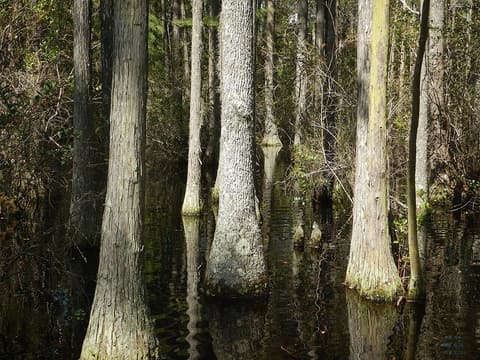
- Floodplain forests, swamps and wet flats
- Native range
- Alabama, Georgia, Louisiana, Mississippi and South Carolina See what is native in your state
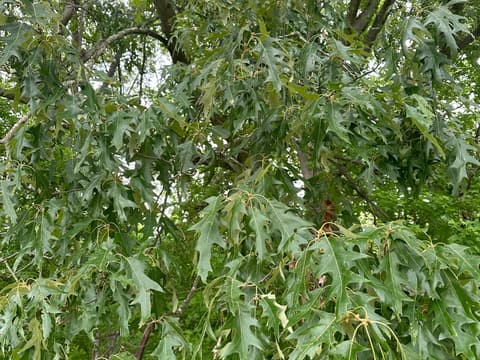
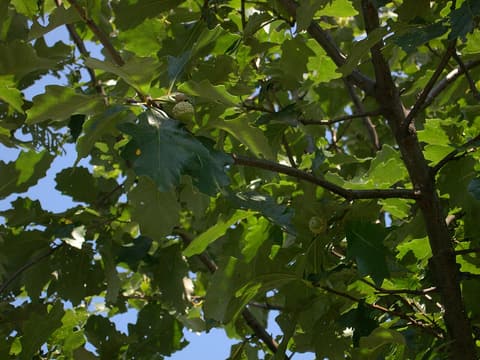
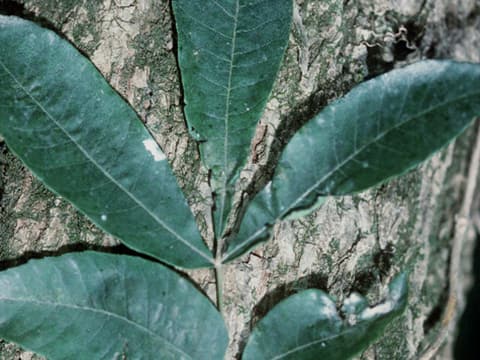
Oglethorpe oak survives in scattered stands on heavy, seasonally wet clay. It belongs to the white oak group, has narrow, entire leaves that look nothing like a typical oak, and has grown well far north of its native range in arboretum plantings. Growing it in a garden is a small act of conservation. Well suited to a wet clay lawn, or to an arboretum row beside the other rare white oaks.
Size, growth and what to expect
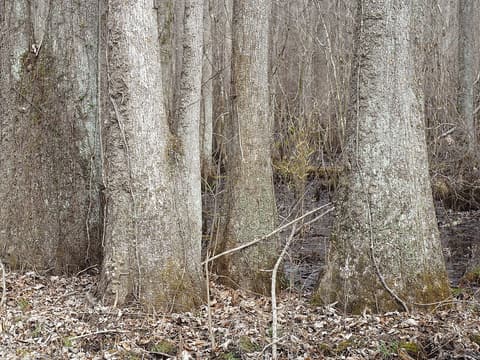
Fewer than a thousand wild Oglethorpe oaks are thought to remain, in the Piedmont of northeast Georgia and western South Carolina with outliers in Alabama, Mississippi and Louisiana. The survivors grow on heavy, poorly drained clay in stream bottoms and first terraces. It is a medium grower, and our growth estimator models it at roughly a foot and a half a year in youth on an average site. A normal mature tree stands about 65 feet with an 18-inch trunk and a crown 45 feet across, within a usual range of 50 to 80 feet.
It flowers in early April, and late frost often damages the female flowers, so acorn crops are usually small. The acorns are ½ to ⅔ of an inch long, under a bowl-shaped cup covering a third to nearly half the nut. They fall in October and November and sprout at once, and birds and mammals eat them. The tree was named in 1940 for Oglethorpe County, Georgia, where Professor Wilbur Duncan first identified it.
How to grow Oglethorpe Oak
Oglethorpe oak wants full sun and tolerates heavy ground. It grows wild on clay that stands wet all winter, so a low corner that drowns other trees suits it; ordinary drained soil works too. It grows tall and broad, so allow 30 to 40 feet from buildings, other large trees and overhead lines.
Plant a dormant sapling between leaf fall and bud break, bare-root or potted, in a hole twice the root width and no deeper, flare at the soil line, native soil put back unamended. Stake only if it will not stand up. White oak acorns sprout within weeks of dropping, so sow them on arrival, an inch deep, under hardware cloth.
Water deeply every week or two the first summer and keep a wide mulch ring off the bark. Deer browse young oaks hard, so use a five-foot tube and remove it once the trunk fills it, usually in year three. Remove any second leader.
Oaks are wind pollinated and need pollen from another tree to set acorns, and an isolated Oglethorpe oak sets fewer. Plant two or more seedlings. Its taproot means it moves best young. White oaks resist oak wilt far better than red oaks. Chestnut blight has been found cankering wild Oglethorpe oaks, which is unusual for an oak, so watch for sunken dead bark.
Heights and zones are typical ranges for the species in cultivation; local conditions and seed source shift them.
Sources (10)
- University of Georgia Warnell School, Dr. Kim D. Coder, Oglethorpe Oak, Pub. No. 11, April 2016
- NC State Extension Gardener Plant Toolbox, Quercus oglethorpensis
- Virginia Tech Dendrology: Oglethorpe oak, Quercus oglethorpensis
- Lady Bird Johnson Wildflower Center: Quercus oglethorpensis
- Flora of North America, vol. 3: Quercus oglethorpensis
- USDA Forest Service, Woody Plant Seed Manual (2008), Quercus chapter
- Georgia Department of Natural Resources, Georgia Biodiversity Portal: Quercus oglethorpensis, Oglethorpe Oak
- The Morton Arboretum, Conservation Gap Analysis of Native U.S. Oaks (2019): species profile, Quercus oglethorpensis
- Lobdell and Thompson 2017, Ex-situ conservation of Quercus oglethorpensis in living collections of arboreta and botanical gardens, USDA Forest Service General Technical Report PNW-GTR-963
- NatureServe Explorer: Quercus oglethorpensis, Oglethorpe's Oak
Plan the planting
Check your site for it What to plant with it How big, how fast How much to water How to sow it How many for a crop When it flowers and fruits When to plant it where you live How far from the house and wires How old is yours Moving one you already have
Read before planting
- Ten planting mistakes that quietly kill trees
- Transplanting young trees: timing, water and protection
- Protecting young trees from voles, rabbits, deer and squirrels
- Why native trees become rare, and ten rare eastern species worth growing
- Red oaks and white oaks, and where each belongs
- Which oak is this leaf? Telling the eastern oaks apart by lobes, bristles, teeth and the underside
We grow 42 other oaks (Quercus): see them all.
Grows in the same conditions
Plants that share its sun and soil
Under its canopy: Florida Anise, Needle Palm and Two-wing Silverbell.
More like this