Photo: Blue Whale Trees
Flowering Dogwood
Scientific name: Cornus florida
Also called eastern dogwood.
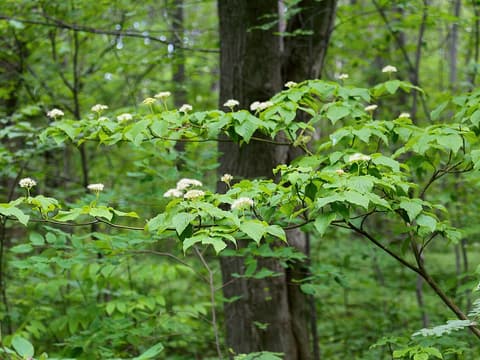
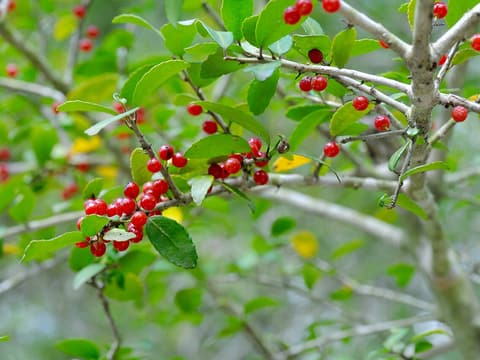
The classic spring understory tree: white bracts in April, red berries and burgundy leaves in fall.
Be first when flowering dogwood is priced
Saplings ship bare-root or in a pot, usually 12 to 18 inches tall, in the dormant season, and their height and age are stated here with the price, once available.
We grow it as saplings and seed. One email when it is listed with prices, and nothing else. Or ask, and we reply with what is ready now. Live plants ship February to May and October to November.
Limited timeSign up now and get 10% off when it is ready.
Share: copy link
Flowering Dogwood at a glance
- Type
- Small tree
- Mature height
- 15–30 ft
- USDA zones
- 5–9
- Growth rate
- Slow
- Flowers
- April
- Fruit
- Berries, September to October
- First crop
- 6 years
- Mature spread
- 30 ft
- Sun
- Full, Part, Shade
- Soil moisture
- Average
- Grows wild in
- The forest understory and rich moist slopes
- Native range
- 31 states and the District of Columbia, north to Maine, south to Florida and west to Texas See what is native in your state
List all 32
Alabama, Arkansas, Connecticut, Delaware, Florida, Georgia, Illinois, Indiana, Kansas, Kentucky, Louisiana, Maine, Maryland, Massachusetts, Michigan, Mississippi, Missouri, New Hampshire, New Jersey, New York, North Carolina, Ohio, Oklahoma, Pennsylvania, Rhode Island, South Carolina, Tennessee, Texas, Vermont, Virginia, West Virginia and the District of Columbia
Seed-grown dogwoods from wild stands carry far more genetic diversity than the handful of grafted cultivars sold in garden centers, which matters against anthracnose and powdery mildew. Plant in dappled shade with mulch over the roots, avoid wet feet, and never let a mower near the trunk. At home beneath tall pines or oaks, or as the spring tree outside a kitchen window.
Size, growth and what to expect
Flowering dogwood does its growing early. Height growth is fairly rapid for the first 20 to 30 years and then almost stops. Our growth estimator models the whole run at about a foot a year, the figure it uses for a slow grower. In a yard expect 15 to 30 feet. On a good forest site it makes 30 to 40 feet with a trunk 8 to 16 inches through, and the tallest on record stood 55 feet.
A tree grown from seed commonly flowers and fruits at 6 years old, with a good seed crop every other year. The white bracts are about 2 inches long, and the red berries that follow are half an inch long and a quarter inch through. At least 36 kinds of birds eat them, along with deer, bears, squirrels, foxes and skunks. A tree may live 125 years, and the oldest known has been ring-counted to 180.
It grows wild from southwestern Maine west to New York, southern Ontario, Michigan, Illinois and Missouri, and south to east Texas and north Florida.
How to grow Flowering Dogwood
Dogwood is an understory tree, so the best spot has high shade and morning sun, with afternoon shelter at the warm end of its range. Full sun works where summers stay cool and the soil holds moisture. Give it average, well-drained ground on the acid side. The spread matches the height, so keep the trunk 15 feet from the house. Set trees 15 feet apart.
Plant in the dormant season, favoring early spring over fall in cold zones. Saplings come bare-root or in containers with fine, shallow roots. Dig a broad, shallow hole, plant a little high where drainage is doubtful, leave the root flare showing, and reuse the soil. Spread mulch thin and wide over the roots, never against the bark. A stake is seldom wanted. Clean the stones from the red fruit and sow them outdoors in early fall, half an inch deep under mulch. Stones held for spring need about four months of cold, damp storage first.
Water whenever the top inch dries through the first two summers, since shallow roots dry fast. Deer rub small trunks and browse the tips, so cage the tree for three winters. Keep string trimmers away, since every bark wound invites dogwood borer.
Flowering dogwood rejects its own pollen and a lone tree's fruits often hold empty stones, so plant two or more seedlings from different parents. Flowering dogwood's known trouble is anthracnose, worst in cool, still, damp shade. Air movement and morning sun that dries the leaves do more than any spray. Fall color comes early, often the first red in the woods.
Heights and zones are typical ranges for the species in cultivation; local conditions and seed source shift them.
Sources (14)
- USDA Forest Service, Silvics of North America: flowering dogwood
- NC State Extension Gardener Plant Toolbox: Cornus florida
- The Morton Arboretum: flowering dogwood
- USDA NRCS PLANTS Database: Cornus florida
- USDA NRCS Plant Guide: flowering dogwood, Cornus florida
- USDA NRCS Plant Fact Sheet: flowering dogwood, Cornus florida
- USDA Forest Service, Woody Plant Seed Manual (2008), Cornus chapter, Brinkman and Vankus
- USDA Forest Service, Fire Effects Information System: Cornus florida
- USDA Forest Service, Southern Region, Forest Health Protection: Dogwood Anthracnose and its Spread in the South, Anderson and others
- Lady Bird Johnson Wildflower Center: Cornus florida
- University of Florida IFAS: Cornus florida fact sheet ENH344/ST185
- Go Botany, Native Plant Trust: Benthamidia florida (Cornus florida)
- Virginia Tech Dendrology: flowering dogwood, Cornus florida
- Ontario's old growth forests, Michael Henry: Ontario's oldest trees, updated February 2025
Plan the planting
Check your site for it What to plant with it How big, how fast How much to water How to sow it How many for a crop When it flowers and fruits When to plant it where you live How far from the house and wires How old is yours Moving one you already have
Read before planting
- Ten planting mistakes that quietly kill trees
- Transplanting young trees: timing, water and protection
- Protecting young trees from voles, rabbits, deer and squirrels
- Small native trees and large shrubs for a small yard, and how to place them
- Native trees and shrubs for birds: caterpillars, fruit, mast, nests and winter cover, month by month
- Multistem or single stem? Sometimes the trunk is hiding the answer
We grow 7 other dogwoods (Cornus): see them all.
Grows in the same conditions
Plants that share its sun and soil
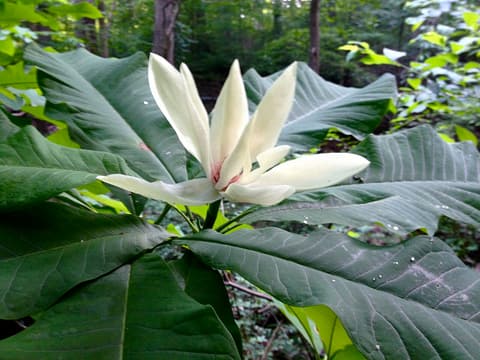
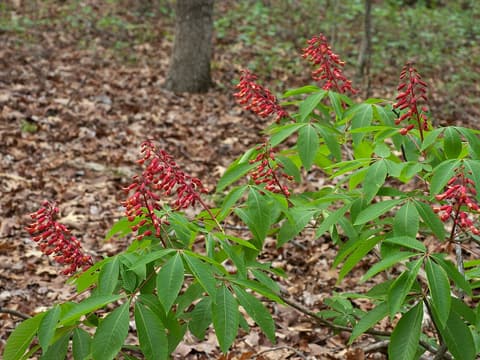
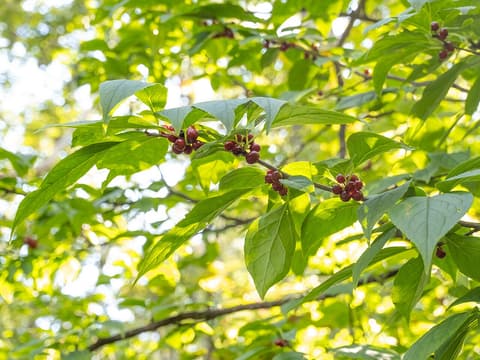
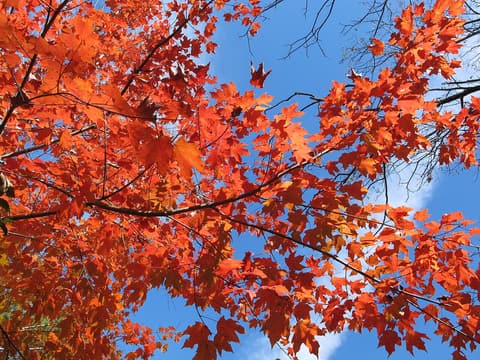
Trees to plant it under: American Beech, American Basswood (Linden) and Black Maple.
More like this