Photo: Gilles Ayotte, CC BY-SA 4.0, cropped · Wikimedia Commons
Lingonberry
Vaccinium vitis-idaea
Also called mountain cranberry, cowberry, foxberry, lowbush cranberry, northern mountain cranberry.
A low evergreen of northern rocks and bogs, with pink bell flowers and tart red berries for sauce and jam, for gardens with cold winters.
Be first when lingonberry is priced
Saplings ship in a pot, usually 12 to 18 inches tall, in the dormant season, and their height and age are stated here with the price, once available.
We grow it as saplings and seed. One email when it is listed with prices, and nothing else. Or ask, and we reply with what is ready now. Live plants ship February to May.
Limited timeSign up now and get 10% off when it is ready.
Share: copy link
Lingonberry at a glance
- Type
- Shrub
- Mature height
- 1–2 ft
- USDA zones
- 2–6
- Growth rate
- Medium
- Flowers
- May to July
- Fruit
- Berries, August to September
- First crop
- 3 to 4 years
- Mature spread
- 2 ft
- Sun
- Full, Part
- Soil moisture
- Average
- Grows wild in
- Rocky ground, the Appalachians, swamps and wet flats
- Native range
- Alaska and 8 other states, north and west to Minnesota and south to Connecticut See what is native in your state
List all 9
Alaska, Connecticut, Maine, Massachusetts, Michigan, Minnesota, New Hampshire, Vermont and Wisconsin
Lingonberry is a berry of the whole northern world, picked and grown in Sweden and Russia, and this is its North American form. It is a creeping evergreen of taiga, tundra and mountain summits that reaches south only to northern New England, the Great Lakes and Minnesota. Its tart red berries go into sauce, jam and juice. Massachusetts, Michigan and Wisconsin list it as endangered. Connecticut lists it as special concern and believes it gone from the state. Set it among rocks or at a sunny bog edge in a cold-winter garden, where it spreads into a glossy evergreen carpet.
Size, growth and what to expect
It grows at a medium pace for its size, a few inches a year in our growth estimator. It makes a mat 2 to 6 inches high of thick, glossy evergreen leaves that turn purplish in fall. A clump spreads slowly into a colony that can last indefinitely.
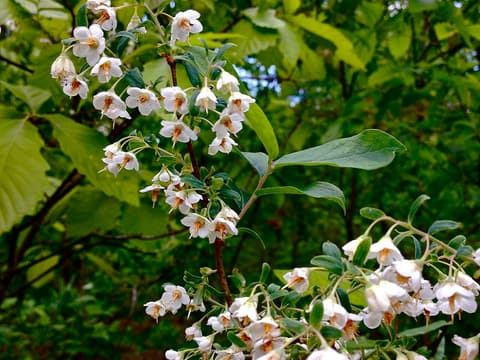
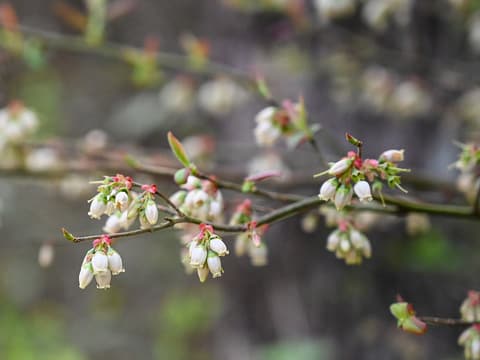
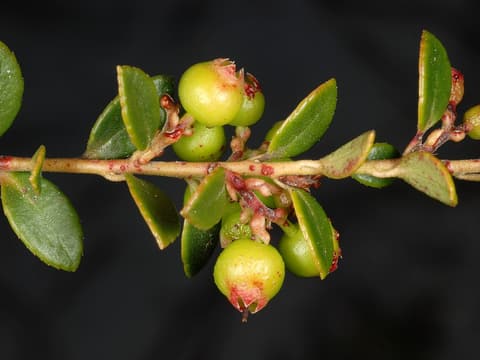
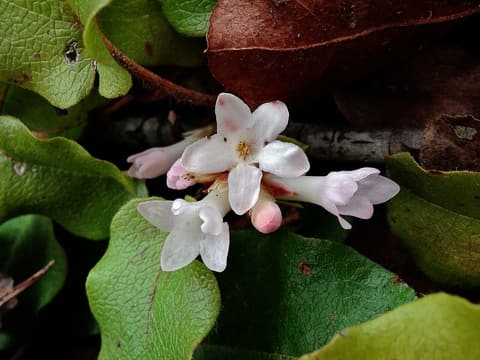
Pink to white bell-shaped flowers nod in small clusters from May into July, and bumblebees and flies carry their pollen. The berries ripen in August and September, about 11 to 12 weeks after full bloom, bright to dark red and about a third of an inch across. They are tart and slightly bitter, and they hang on through winter and grow sweeter by snowmelt. Grouse, songbirds, voles, foxes and black bears eat them, and caribou and moose browse the leaves.
It grows wild across the far North, from Alaska and Greenland south to the mountains of New England, the Upper Great Lakes and northern Minnesota. Its home is rocky barrens, ledges, mountain summits, heaths, raised bogs and spruce woods. It is a plant of short, cool summers, and it suffers where summers are hot.
How to grow Lingonberry
Lingonberry grows in full sun or part shade, and it fruits best in sun. It needs an acid soil, about pH 4 to 5.5, that stays moist but drains, such as a sandy or peaty loam, and it will not take alkaline soil. Avoid low spots that stay wet. Set plants 2 feet apart, or a foot apart for a quicker carpet, and keep them 2 feet from a wall. At its size it can go within 15 feet of overhead wires.
Saplings ship potted. Plant them in spring, as soon as the soil can be worked, and keep the root ball whole. Set the crown at the soil line and mulch with peat, rotted sawdust or bark, clear of the stems. Sow fresh seed at once on the surface of a moist, acid mix. For stored seed, hold it damp in the refrigerator for 90 to 150 days first. Seed kept a year or more seldom sprouts.
Water in dry spells, since its roots are shallow, and renew the mulch each spring. Plants make little top growth in their first year while the roots settle. Once the plants fill their space, cut them back to 2 or 3 inches above the mulch in very early spring to renew growth and fruiting.
Each flower carries both male and female parts, and a lone plant sets some fruit with its own pollen. Fruit set is much greater with pollen from another plant, so plant two or more from different seed. Seedlings first bear at about 3 or 4 years. Phytophthora root rot is its main disease on wet sites, and the insects and diseases of blueberries and cranberries may also turn up.
Heights and zones are typical ranges for the species in cultivation; local conditions and seed source shift them.
Sources (10)
- USDA Forest Service, Fire Effects Information System: Vaccinium vitis-idaea, Tirmenstein 1991
- Lady Bird Johnson Wildflower Center: Vaccinium vitis-idaea
- Native Plant Trust, Go Botany: Vaccinium vitis-idaea
- Flora of North America, vol. 8: Vaccinium vitis-idaea
- USDA Forest Service, Woody Plant Seed Manual (2008), Vaccinium chapter, Griffin and Blazich
- UMass Extension, Home Lawn and Garden: Lingonberry, An Attractive Landscape Plant and a Unique Small Fruit, April 2012
- Slovak University of Agriculture in Nitra, Horticulture education database: Vaccinium vitis-idaea
- Kwantlen Polytechnic University Plant Database: Vaccinium vitis-idaea
- NatureServe Explorer: Vaccinium vitis-idaea
- Michigan Natural Features Inventory: Mountain cranberry, Vaccinium vitis-idaea
Plan the planting
Check your site for it What to plant with it How big, how fast How much to water How to sow it How many for a crop When it flowers and fruits When to plant it where you live How far from the house and wires How old is yours
Read before planting
- Ten planting mistakes that quietly kill trees
- Transplanting young trees: timing, water and protection
- Protecting young trees from voles, rabbits, deer and squirrels
- How fast every tree and shrub we grow gets tall: growth rate, A to Z
- The habitat around a tree is part of the tree
- Invasive vines and shrubs are what is killing your woods
We grow 10 other blueberries (Vaccinium): see them all.
Grows in the same conditions
Plants that share its sun and soil
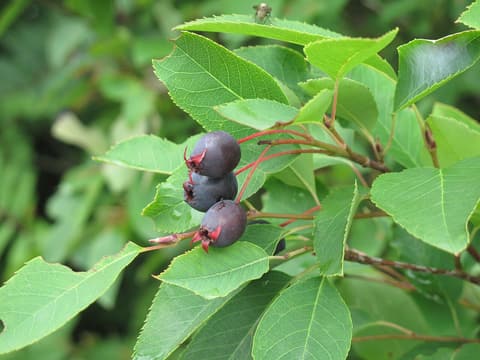
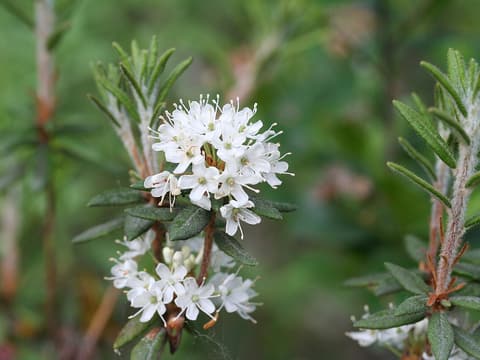
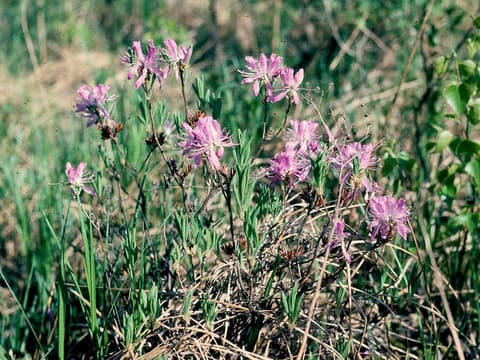
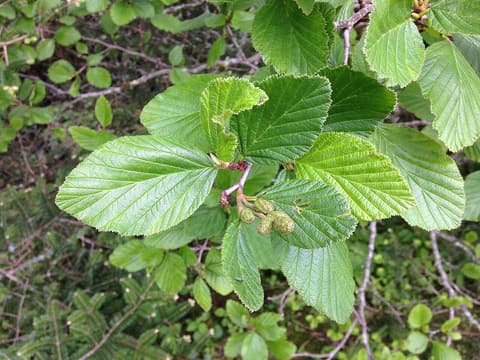
Trees to plant it under: Heartleaf Paper Birch, Balsam Fir and Northern White Cedar.
More like this