Photo: Jomegat, CC BY-SA 3.0, cropped · Wikimedia Commons
Spicebush
Scientific name: Lindera benzoin
Also called northern spicebush, wild allspice.
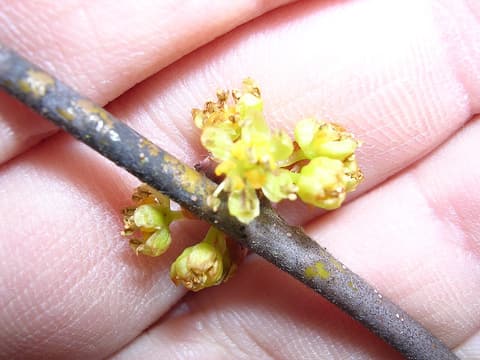
Yellow flowers in March, spicy-scented leaves, red berries for thrushes and the host plant of the spicebush swallowtail.
Be first when spicebush is priced
Saplings ship bare-root or in a pot, usually 12 to 18 inches tall, in the dormant season, and their height and age are stated here with the price, once available.
We grow it as saplings and seed. One email when it is listed with prices, and nothing else. Or ask, and we reply with what is ready now. Live plants ship February to May and October to November.
Limited timeSign up now and get 10% off when it is ready.
Share: copy link
Spicebush at a glance
Wildlife value, Showy flowers, Fall color, Tolerates shade, Tolerates wet soil, Erosion control, Bears young
- Type
- Shrub
- Mature height
- 6–12 ft
- USDA zones
- 4–9
- Growth rate
- Medium
- Flowers
- March to April
- Fruit
- Berries, August to September
- First crop
- 4 to 5 years
- Mature spread
- 12 ft
- Sun
- Full, Part, Shade
- Soil moisture
- Average, Wet
- Grows wild in
- The forest understory, stream banks and floodplain forests
- Native range
- 32 states and the District of Columbia, north to Maine, south to Florida and west to Texas See what is native in your state
List all 33
Alabama, Arkansas, Connecticut, Delaware, Florida, Georgia, Illinois, Indiana, Iowa, Kansas, Kentucky, Louisiana, Maine, Maryland, Massachusetts, Michigan, Mississippi, Missouri, New Hampshire, New Jersey, New York, North Carolina, Ohio, Oklahoma, Pennsylvania, Rhode Island, South Carolina, Tennessee, Texas, Vermont, Virginia, West Virginia and the District of Columbia
Spicebush is the backbone of a shady native garden. It blooms before the forsythia, turns clear yellow in fall, and its high-fat berries fuel migrating birds. On a stream bank it quickly holds the soil in place. Ideal for replacing bush honeysuckle in a woodlot, or as a swallowtail host planting by the creek.
Size, growth and what to expect
Spicebush blooms before its leaves, in March, when clusters of tiny, fragrant, greenish-yellow flowers open along the bare twigs and male plants carry the larger, showier ones. It makes a rounded shrub 6 to 12 feet tall and as wide. Expect roughly a foot and a half of new height a year in its youth on an average site, the rate our growth estimator assumes for a medium shrub. It grows looser and spreads more in heavy shade. Female plants bear their first sizable crop of berries at 4 to 5 years from seed.
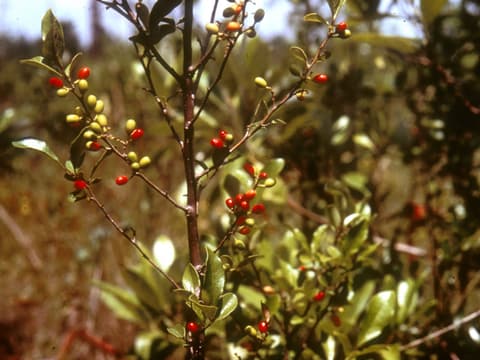
Only females set fruit, and they need a male nearby. The glossy red drupes, up to a half inch long, ripen in August and September, and songbirds take them during fall migration. The leaves feed the caterpillars of the spicebush swallowtail, the palamedes swallowtail and the promethea silkmoth. Wild allspice, its other name, comes from the spicy scent of the crushed leaves and twigs.
It grows wild from New England and Ontario south to Florida and west to Texas, Kansas and Iowa, in low woods, ravines and swamps and along streams.
How to grow Spicebush
Spicebush grows anywhere from deep shade to full sun, in moist or wet soil. Shade keeps it open; sun makes it dense and colors it better. Plants grow as wide as they are tall, so set them 6 feet apart and that far from a wall.
Plant dormant bare-root or potted shrubs from leaf fall until bud swell, in a hole wider than the roots and no deeper. Set the crown at the soil line, put the native soil back in, and keep the mulch ring clear of the stems. No stake, no fertilizer. Clean the seed from the red berries and sow it outdoors in fall, a quarter to half an inch deep under mulch, before it can dry out. For a spring sowing, keep it in damp sand in the refrigerator for three to four months.
Water weekly through the first summer if rain is short. Deer mostly pass spicebush by, but rabbits nip young stems in winter, so cage it low for two years and keep mulch thin near the stems so voles do not nest there. It flowers on old wood, so any shaping should wait until just after the early spring bloom.
Male and female flowers grow on separate plants and only females carry berries, so plant three to five seedlings to get both. Swallowtail caterpillars roll the leaves in summer; leave them. In the Southeast, laurel wilt, the disease killing redbay and sassafras, can also strike spicebush; remove any plant that wilts suddenly in summer.
Heights and zones are typical ranges for the species in cultivation; local conditions and seed source shift them.
Sources (13)
- NC State Extension Gardener Plant Toolbox: Lindera benzoin
- Missouri Botanical Garden Plant Finder: Lindera benzoin
- Lady Bird Johnson Wildflower Center: Lindera benzoin
- USDA NRCS PLANTS Database: Lindera benzoin
- USDA Forest Service, Woody Plant Seed Manual (2008), Lindera chapter, Vankus, Brinkman and Phipps
- USDA NRCS Plant Guide: spicebush, Lindera benzoin
- NatureServe Explorer: Lindera benzoin, Northern Spicebush
- Go Botany, Native Plant Trust: Lindera benzoin
- Trees and Shrubs Online: Lindera benzoin, Sutton (2023)
- The Morton Arboretum: spicebush
- Flora of North America, vol. 3: Lindera benzoin
- Native Plant Network propagation protocol: Lindera benzoin, Kujawski and Davis 2001, USDA NRCS National Plant Materials Center
- Native Plant Network propagation protocol: Lindera benzoin, Hoss 2005
Plan the planting
Check your site for it What to plant with it How big, how fast How much to water How to sow it How many for a crop When it flowers and fruits When to plant it where you live How far from the house and wires How old is yours
Read before planting
- Ten planting mistakes that quietly kill trees
- Transplanting young trees: timing, water and protection
- Protecting young trees from voles, rabbits, deer and squirrels
- Native trees and shrubs for birds: caterpillars, fruit, mast, nests and winter cover, month by month
- Native trees and shrubs for butterflies and moths: host plants first, nectar second
- The habitat around a tree is part of the tree
Other spicebushes (Lindera) we grow: Bog Spicebush and Pondberry.
Grows in the same conditions
Plants that share its sun and soil
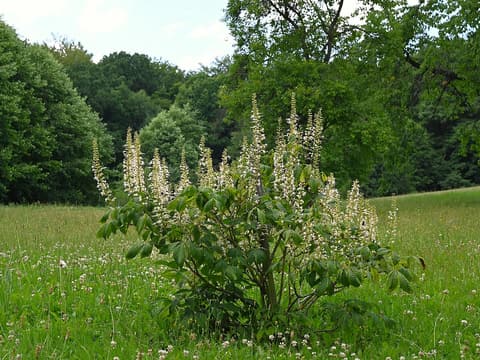
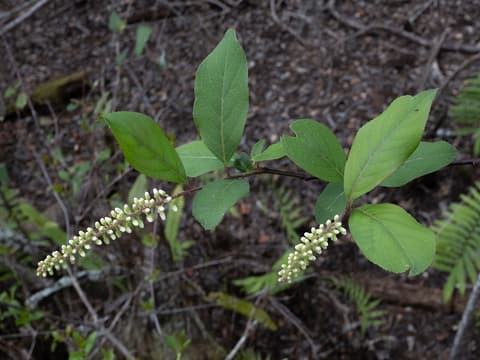
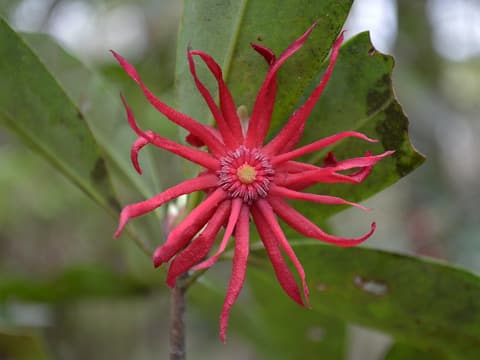
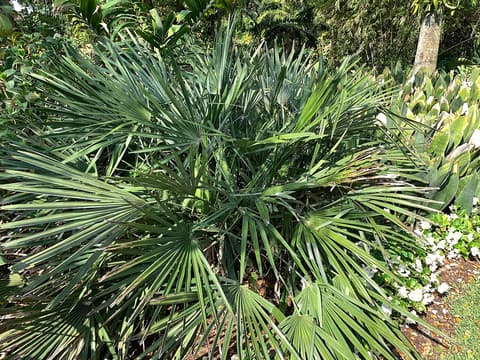
Trees to plant it under: Florida Maple, Slippery Elm and Sugarberry.
More like this