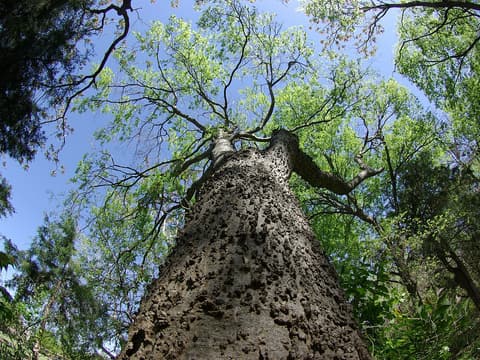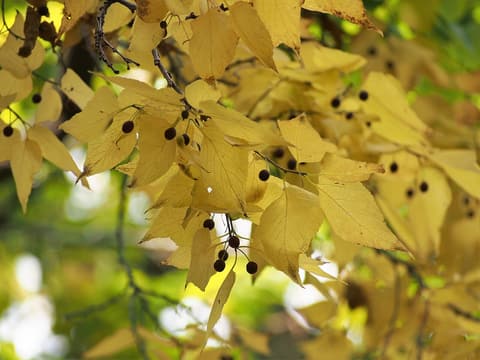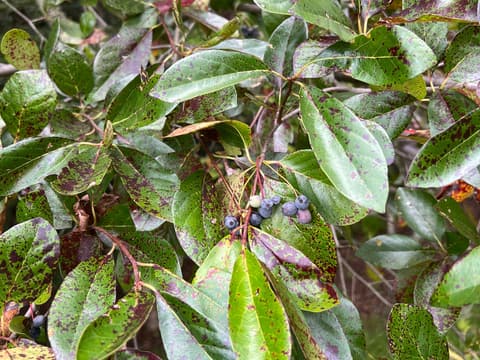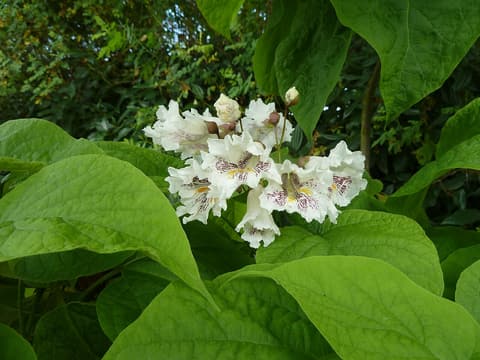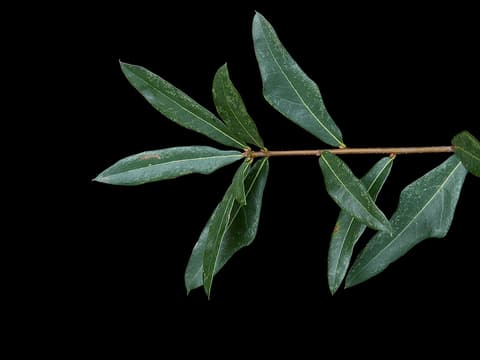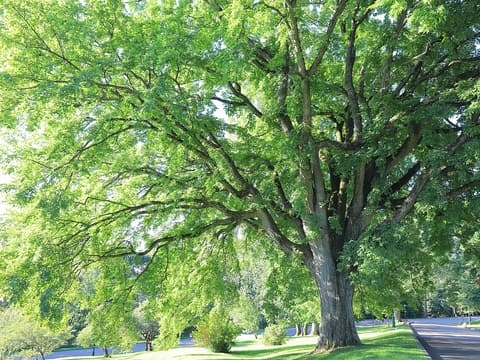
American Elm
Ulmus americana Large tree Zones 2–9 60–80 ft
Shares floodplain forests, stream banks, swamps and wet flats, old fields and edges in the wild.

A native we do not grow
Acer saccharinum. Large tree, 50 to 120 feet, zones 3 to 9; full sun, part shade or shade; dry, average or wet ground.
We do not grow silver maple, and it is not in our shop. This page gathers what our tools say about it and the natives we grow for the same ground.
| Other names | White maple, river maple, silverleaf maple |
|---|---|
| Form | Large tree |
| Height, feet | 50 to 120 |
| Spread, feet | Up to 70 |
| Zones | 3 to 9 |
| Sun | Full sun, part shade or shade |
| Soil moisture | Dry, average or wet ground |
| Growth | Fast |
| Leaves | Deciduous |
| Traits | Wildlife value |
| Flowers | February to May |
| Fruit | Samaras, April to June |
| First crop | 11 years |
| Pollination | Separate male and female trees. Many silver maples carry only male or only female flowers, while others carry both and can set seed on their own, so plant several if you want seed. |
| Lifespan | Can live 130 years or more. |
| Transplanting | The Morton Arboretum's page on silver maple marks it as one that transplants well. |
| Black walnut | Sensitive, on the Morton Arboretum's list, though the Missouri Botanical Garden lists black walnut among what it tolerates |
| Ground | Floodplain forests, stream banks, swamps and wet flats, old fields and edges |
| Native in | 37 states and the District of Columbia |
Silver maple is native in 37 states and the District of Columbia: Alabama, Arkansas, Connecticut, Delaware, Florida, Georgia, Illinois, Indiana, Iowa, Kansas, Kentucky, Louisiana, Maine, Maryland, Massachusetts, Michigan, Minnesota, Mississippi, Missouri, Nebraska, New Hampshire, New Jersey, New York, North Carolina, North Dakota, Ohio, Oklahoma, Pennsylvania, Rhode Island, South Carolina, South Dakota, Tennessee, Texas, Vermont, Virginia, West Virginia, Wisconsin and the District of Columbia. The states are the USDA PLANTS Database's records, with the native range read from Silvics of North America and NatureServe Explorer. The USDA PLANTS Database also records it growing wild beyond that range in California, New Mexico and Washington, where it is naturalized, not native.
These trees we grow share the most of silver maple's natural communities in the wild, by the companion species tool's rules.
Shares floodplain forests, stream banks, swamps and wet flats, old fields and edges in the wild.
Shares floodplain forests, stream banks, old fields and edges in the wild.
Shares floodplain forests, stream banks, old fields and edges in the wild.
Shares floodplain forests, swamps and wet flats, old fields and edges in the wild.
Shares floodplain forests, stream banks, old fields and edges in the wild.
Shares floodplain forests, stream banks, swamps and wet flats in the wild.
Its figures come from Silvics of North America, NC State Extension, the Missouri Botanical Garden, the Morton Arboretum, the Wildflower Center, the Woody Plant Seed Manual, the USDA PLANTS Database, the US Forest Service, the Forest Service's Fire Effects Information System and UF/IFAS Extension.