For fruit and nuts without sprays
Native Edible Orchard
A food forest from native species only: fruit from August into November and nuts in the fall, grown without sprays and shared with wildlife.
6 kinds, 14 saplings Zones 5–8 Priced on request
The plants in this bundle
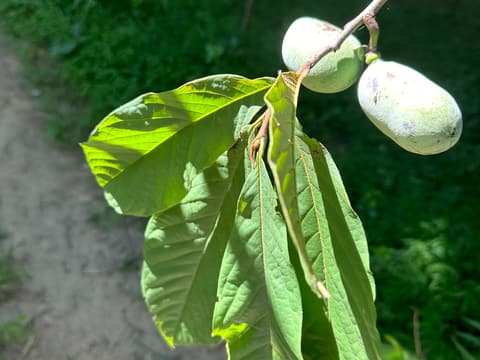
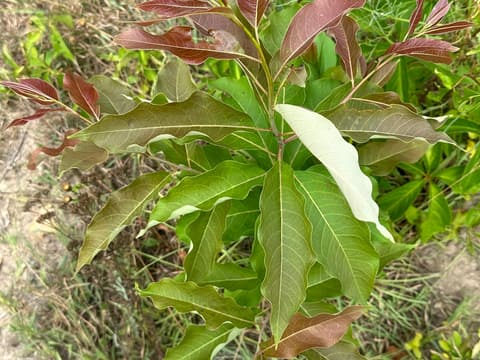
American Persimmon
Diospyros virginiana Medium tree Zones 4–9 35–60 ft
Fruit after frost, into November
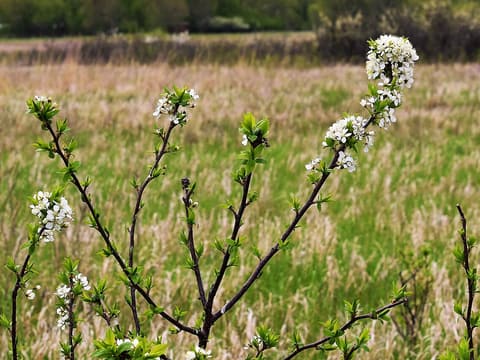
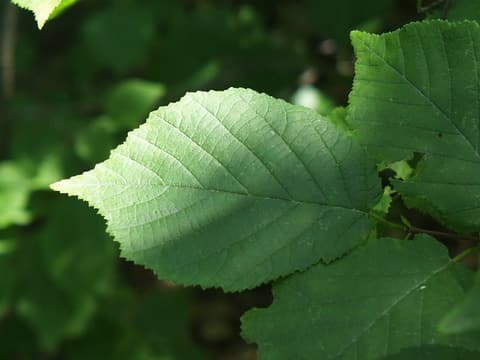
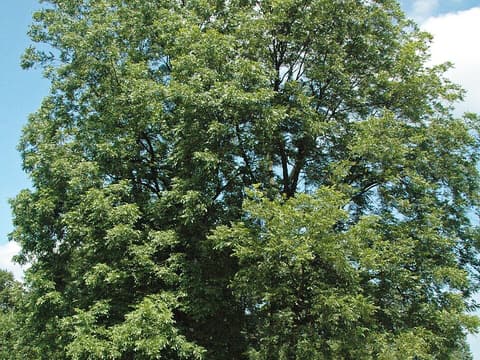
Northern Pecan
Carya illinoinensis Large tree Zones 5–9 70–100 ft
Northern-adapted, nuts in a short season
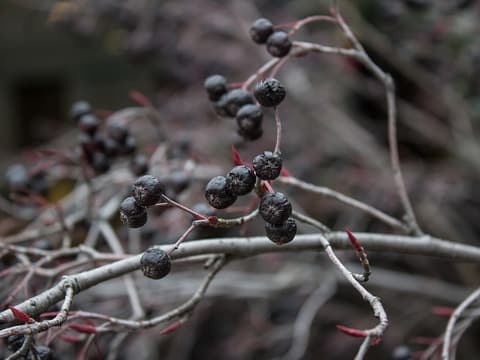
Planted for a crop: 2 pawpaws, 5 persimmons, 2 plums, 2 hazelnuts, 2 pecans and 1 chokeberry, 14 saplings in all. Why two and five: see Planting the orchard.
None of these is priced online yet. Ask us to put the whole set together at the sizes on hand, or leave your email to hear when any of them is priced.
Why these six go together
This orchard is meant to be grown without sprays. Every plant in it evolved here with its own pests and their predators, so expect some damaged fruit and nuts, and plant enough to share. The harvest runs from late summer into November: black chokeberries in late summer, wild plums and pawpaws from August, hazelnuts from September to October, persimmons after the first frosts and pecans in the fall. Pawpaw gives the largest native fruit in North America, custard-sweet. Persimmon ripens sweet orange fruit once frost has softened it. The plum makes the jelly. The pecan is a northern-adapted line that ripens small, sweet nuts in a short season.
Between them the six also feed wildlife on the same schedule, so expect to share with the birds, foxes and squirrels, and plant enough to have a crop left.
Where it fits
Full sun for the pecan, persimmon, plum and hazelnut. Pawpaw and chokeberry take light shade, and pawpaw is happiest as an understory tree, so it can go in the shade the pecan will cast. Ordinary soil suits everything here. Persimmon and chokeberry take dry ground, and pecan and pawpaw like it moist. Together they are hardy in zones 5 through 8.
The pecan becomes a 70 to 100 foot tree and wants the deepest, sunniest ground, 40 feet from the house, other trees and power lines. Persimmon reaches 35 to 60 feet, plum and pawpaw 15 to 30, hazelnut 8 to 12 and chokeberry 3 to 6. Plum and hazelnut sucker into thickets, which is what makes them a hedge.
See the set's year in the bloom and fruit calendar, how many of each give a crop in the pollination planner, and how far its tallest plant goes from the house in the planting-distance tool.
Planting the orchard
Plant dormant, cage everything against deer and rabbits, and water weekly through the first summer. Most of these fruit better with a partner. Pawpaw, plum and hazelnut need a second, unrelated plant, and pecan sets more with one, so plant two of each. Persimmon carries male and female flowers on separate trees, so plant five for a 94% chance of both. Chokeberry fruits alone.
Chokeberry bears in its second or third year and plum within three to five, pawpaw in five to eight, persimmon at about six, and the pecan last, at roughly ten. Prune only to shape, in late winter, and leave the fallen leaves under the trees.
Ask
Want this set for your ground?
Tell us the spot, the zone and how many of each plant you have in mind; we reply with what is ready now and what the next season brings.
Ask about this bundleShare: copy link
Be first
Email me when any of these is ready to order
Limited timeSign up now and get 10% off when it is ready.
For Pawpaw, American Persimmon, American Plum, American Hazelnut, Northern Pecan, Black Chokeberry: one email per plant when it is priced or back in stock, and nothing else. Each carries a code for 10% off the plants in that order, not shipping or tax.
Saplings ship bare-root or in a pot, usually 12 to 18 inches tall, in the dormant season, and their height and age are stated with the price, once available. Pawpaw and American persimmon ship February to May. The other live plants ship February to May and October to November.
While you wait, ask what is ready now.