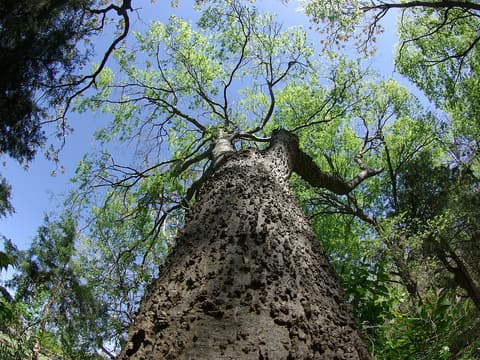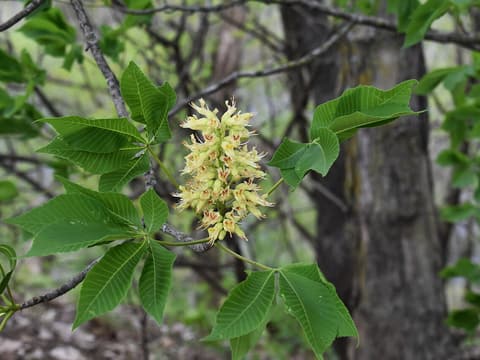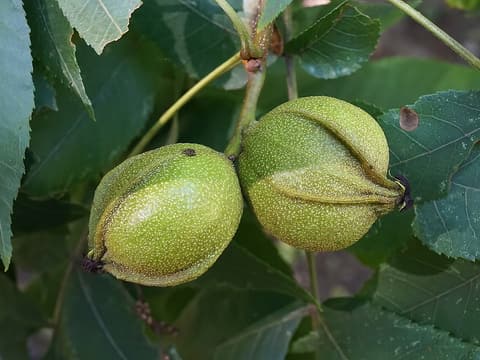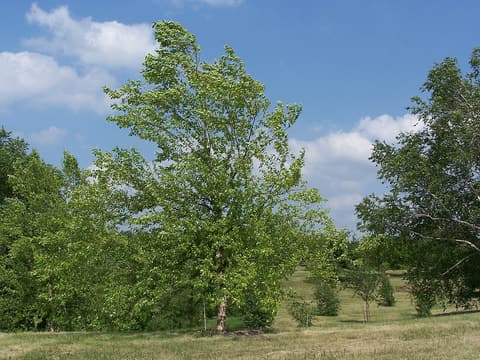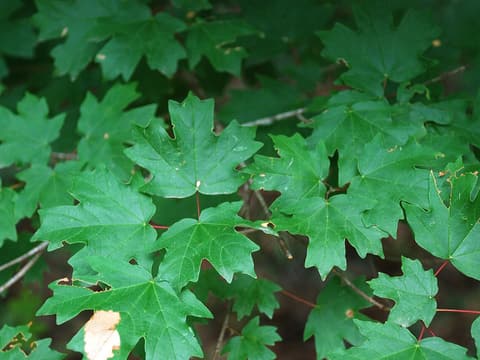
Florida Maple
Acer floridanum Medium tree Zones 5–9 20–60 ft
Shares the forest understory, stream banks and floodplain forests in the wild.
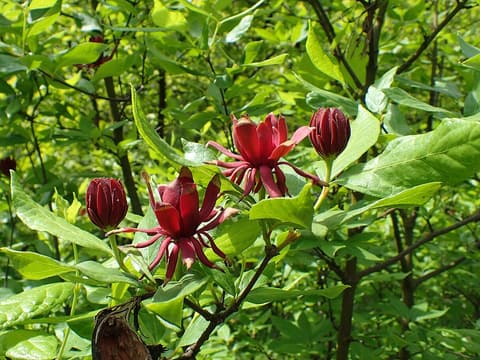
Try black walnut, flowering dogwood or spicebush.
Pick one native tree or shrub and see what grows with it. The matches come in three groups. Some species share its ground in the wild, and others live under its canopy or are the trees it can be planted beneath. The rest suit the same yard because they want the same sun, soil and climate. Every match is explained on the page, so you can see why a species is listed.
In the wild
These natives share that ground, so they will look right together and want the same care.


How far apart: the planting-distance tool gives the gap between Spicebush and any tree you name as the next one, by their pages' spacing or half of each crown, added.
In the yard
Spicebush takes some shade, so it can live beneath these. All are rated hardy in zone 6.
Shares the forest understory, stream banks and floodplain forests in the wild.
Shares stream banks and floodplain forests in the wild.
Shares stream banks and floodplain forests in the wild.
Shares stream banks and floodplain forests in the wild.
Shares stream banks and floodplain forests in the wild.
Shares the forest understory and floodplain forests in the wild.
In the yard
Plants that want the same sun and soil, for a bed, a hedge or a grove. All are rated hardy in zone 6.
Shares the forest understory, stream banks and floodplain forests in the wild.
Shares the forest understory, stream banks and floodplain forests in the wild.
Shares the forest understory, stream banks and floodplain forests in the wild.
Shares the forest understory, stream banks and floodplain forests in the wild.
Shares the forest understory, stream banks and floodplain forests in the wild.
Shares the forest understory and stream banks in the wild.
Plan the planting
Be first
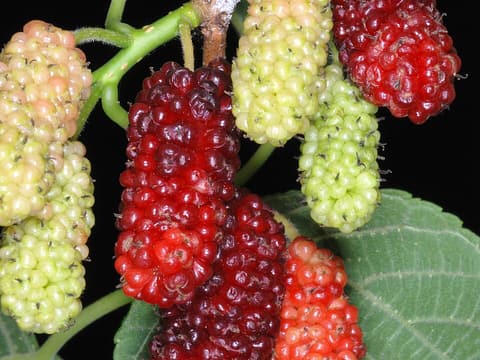
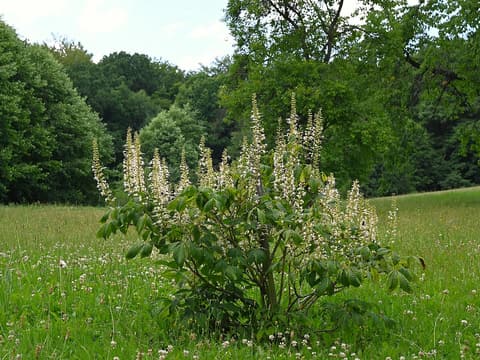
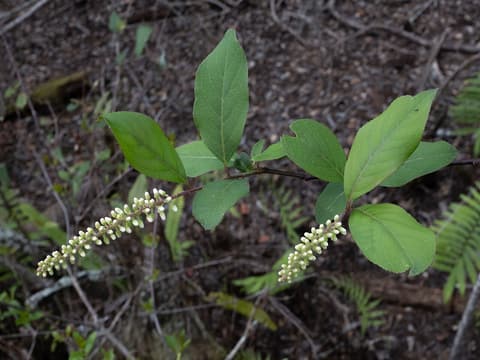
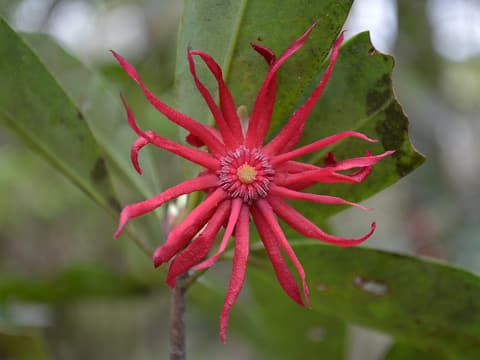
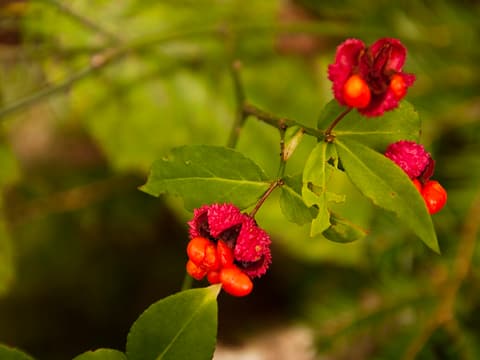
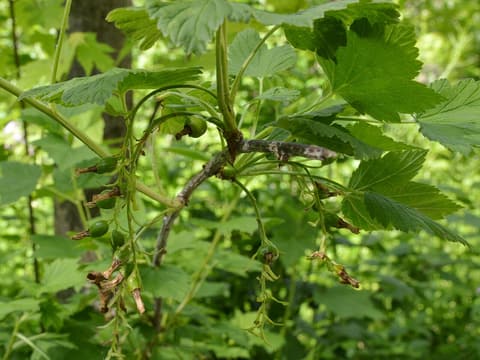
For Spicebush, Florida Maple, Sugarberry, Ohio Buckeye, Bitternut Hickory, River Birch, Red Mulberry, Bottlebrush Buckeye, Virginia Sweetspire, Florida Anise, Strawberry Bush, Wild Black Currant: one email per plant when it is priced or back in stock, and nothing else. Each carries a code for 10% off the plants in that order, not shipping or tax.
The communities are our own tags. The states of native range are the USDA PLANTS Database's records, read on 2026-09-23 (2026-10-13 for the common natives we do not grow), as the native trees by state tool reads them. Zones, sun and soil are each species' own page, or its record for a common native we do not grow. The juglone lists are the Morton Arboretum's, read on 2026-10-05, which warns that "any list regarding this topic is incomplete and some of the information may be anecdotal." The rusts' hosts are the University of Minnesota Extension's, read on 2026-10-06. What to plant under a big tree and the article on juglone cover the subject.
Sharing a habitat tag does not mean two species always grow side by side, and a tag says nothing about how far apart to plant them. Use the planting-site check for the spot itself, and the growth estimator for how much room each one will want in twenty years.
The address carries the companion species tool's inputs, so a link opens it filled in, and Copy link on a result writes one: species (a plant's slug, the last part of its page's address, such as white-oak), zone (a whole number from 2 to 10, to keep the companions to it), sort (featured, name, price-asc, price-desc, height, hardy or fast). For example, /tools/companions/?species=white-oak&zone=6.