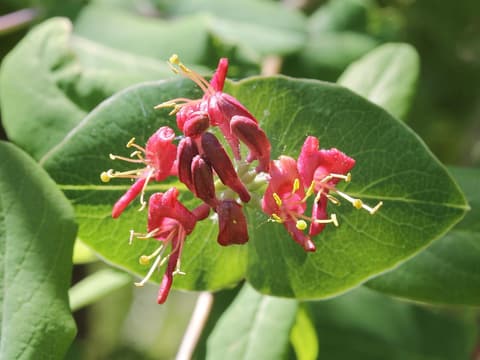
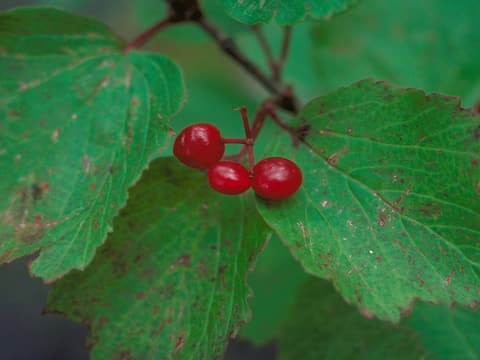
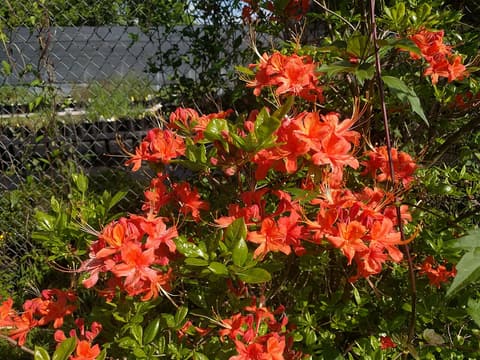
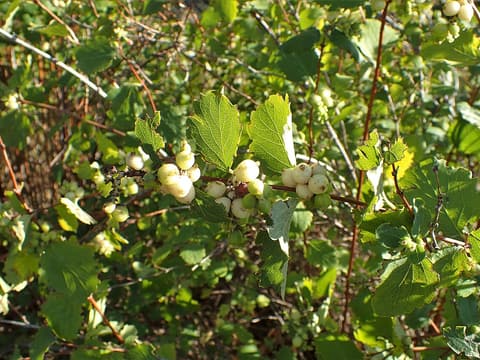
Photo: Jean-Pol GRANDMONT, CC BY-SA 3.0, cropped · Wikimedia Commons
Ninebark
Scientific name: Physocarpus opulifolius
Also called common ninebark, eastern ninebark.
Peeling bark, white flower balls in June, and a constitution that shrugs off drought, flood and cold.
Be first when ninebark is priced
Saplings ship bare-root or in a pot, usually 12 to 18 inches tall, in the dormant season, and their height and age are stated here with the price, once available.
We grow it as saplings and seed. One email when it is listed with prices, and nothing else. Or ask, and we reply with what is ready now. Live plants ship February to May and October to November.
Limited timeSign up now and get 10% off when it is ready.
Share: copy link
Ninebark at a glance
Showy flowers, Wildlife value, Drought tolerant, Tolerates wet soil, Winter interest, Erosion control, Bears young, Salt tolerant
- Type
- Shrub
- Mature height
- 5–10 ft
- USDA zones
- 2–8
- Growth rate
- Fast
- Flowers
- May to June
- Fruit
- Capsules, July to December
- First crop
- About 3 years (first flowers)
- Mature spread
- 10 ft
- Sun
- Full, Part
- Soil moisture
- Dry, Average, Wet
- Grows wild in
- Stream banks and rocky ground
- Native range
- 33 states and the District of Columbia, north to North Dakota, south to Florida and west to Colorado Also recorded, not native, in Maine and Vermont. See what is native in your state
List all 34
Alabama, Arkansas, Colorado, Connecticut, Delaware, Florida, Georgia, Illinois, Indiana, Iowa, Kansas, Kentucky, Maryland, Massachusetts, Michigan, Minnesota, Missouri, Nebraska, New Hampshire, New Jersey, New York, North Carolina, North Dakota, Ohio, Oklahoma, Pennsylvania, Rhode Island, South Carolina, South Dakota, Tennessee, Virginia, West Virginia, Wisconsin and the District of Columbia
The straight native species, not the purple-leaved cultivars, is a fountain of arching stems with exfoliating bark and reddish seed clusters after the bloom. It grows on riverbanks and dry bluffs alike, hosts many native bees and moths, and survives zone 2 winters. A no-fuss shrub for hedges, slopes and rain gardens. In winter the bare stems show the peeling bark that leaves hide through the growing season. At home along a pond shore or a creek bank, where the roots hold the soil.
Size, growth and what to expect
Ninebark builds an upright, mounded shrub of 5 to 10 feet, roughly as wide as it is tall, on arching stems. It grows fast, nearly three feet a year on an average site, which is the rate our growth estimator uses for it. Seedlings first flower in their third growing season.
The flowers come in late May and June in rounded white to pinkish clusters 1 to 2 inches across, like a spirea's, and they have special value to native bees and honey bees. By July they ripen into drooping clusters of reddish inflated capsules that stay on the plant until they shatter in winter, and seed-eating birds pick at them. Older stems shed their bark in papery strips to show reddish brown layers beneath, and the name ninebark comes from the notion that there are nine of those layers.
It grows wild from New York to Minnesota and South Dakota and south to Florida, Arkansas and Kansas, on stream banks, rocky hillsides and ledges, cliffs, fens and woodland edges. It tolerates heat, drought, compaction and road salt.
How to grow Ninebark
Ninebark asks for sun and little else. It stands full sun or part shade and dry, average or wet ground, including a rain garden that floods and then bakes. Bloom thins in shade. Stems arch out wide, so allow 6 feet between plants and keep them off a narrow walk.
Set plants out in the dormant season. Saplings come bare-root or in pots. Dig a wide, shallow hole, hold the crown level with the ground, use the soil you removed, and mulch a ring clear of the stems. Staking a multi-stemmed shrub serves no purpose. Sow seed outdoors in fall an eighth of an inch deep, and seedlings come up early the next spring. For a spring sowing, keep it damp in the refrigerator for two months first.
Water through the first summer and it is on its own. Rabbits nip young stems over winter, so a wire cylinder for a year or two is worth the trouble, while deer rarely bother it. Prune within a few weeks of flowering, since next June's buds sit on wood that grew the year before.
Ninebark appears to need pollen from another plant to set seed, so plant two or more seedlings from different parents if you want seed. Take a few of the oldest canes to the ground each year and the shrub stays full. The one blemish is powdery mildew, a gray film in humid summers, worst where plants are crowded or shaded, and spacing answers it.
Heights and zones are typical ranges for the species in cultivation; local conditions and seed source shift them.
Sources (10)
- NC State Extension Gardener Plant Toolbox, Physocarpus opulifolius
- Lady Bird Johnson Wildflower Center, Physocarpus opulifolius
- Morton Arboretum, Common ninebark
- USDA NRCS PLANTS Database: Physocarpus opulifolius
- USDA NRCS Plant Guide: Atlantic ninebark, Physocarpus opulifolius
- USDA Forest Service, Woody Plant Seed Manual (2008), Physocarpus chapter, Youngblood, Gill and Pogge
- Flora of North America, vol. 9: Physocarpus opulifolius
- Minnesota Wildflowers: Physocarpus opulifolius, ninebark
- Virginia Tech Dendrology: common ninebark, Physocarpus opulifolius
- Go Botany, Native Plant Trust: Physocarpus opulifolius
Plan the planting
Check your site for it What to plant with it How big, how fast How much to water How to sow it How many for a crop When it flowers and fruits When to plant it where you live How far from the house and wires How old is yours
Read before planting
- Ten planting mistakes that quietly kill trees
- Transplanting young trees: timing, water and protection
- Protecting young trees from voles, rabbits, deer and squirrels
- Nativars or straight species: what wildlife gets from each
- Native trees for insects: the beetles, wasps, cicadas and fireflies that everything else eats
- The habitat around a tree is part of the tree
Grows in the same conditions
Plants that share its sun and soil
Trees to plant it under: Cedar Elm, Common Hackberry and Rock Elm.
More like this