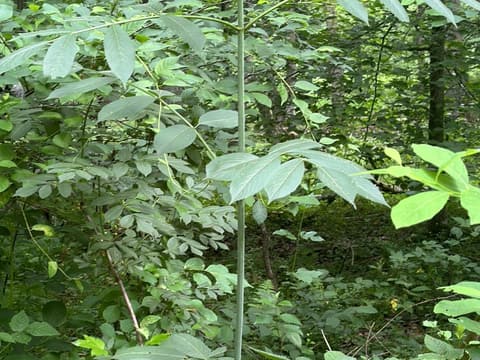
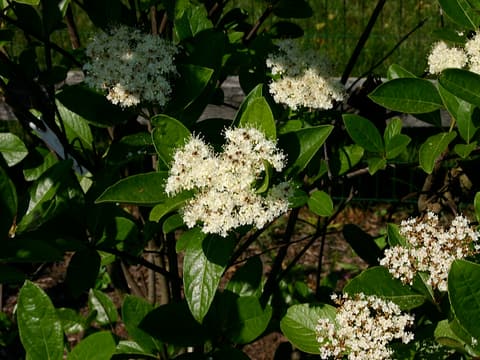
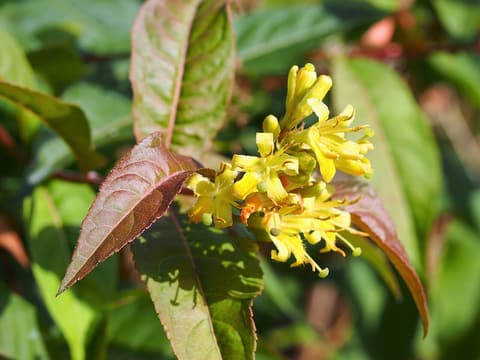
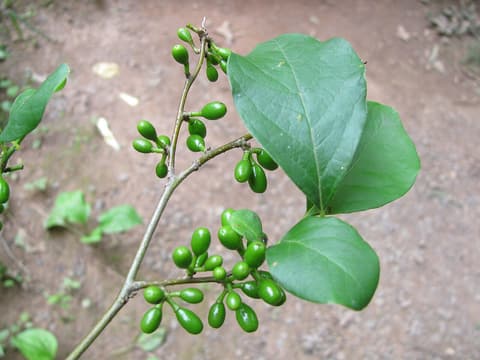
Photo: Algirdas, CC BY-SA 3.0, cropped · Wikimedia Commons
Red Elderberry
Scientific name: Sambucus racemosa
Also called scarlet elder, red-berried elder.
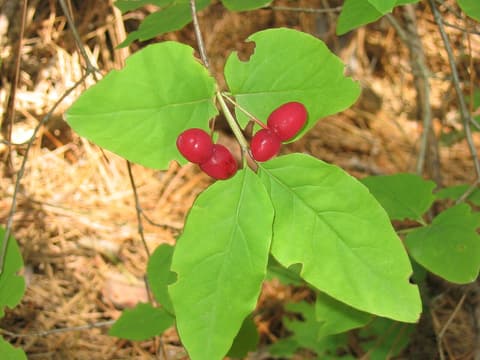
Cone-shaped white flowers in April and glowing red berries by June, the earliest berry crop for birds.
Be first when red elderberry is priced
Saplings ship bare-root or in a pot, usually 12 to 18 inches tall, in the dormant season, and their height and age are stated here with the price, once available.
We grow it as saplings and seed. One email when it is listed with prices, and nothing else. Or ask, and we reply with what is ready now. Live plants ship February to May and October to November.
Limited timeSign up now and get 10% off when it is ready.
Share: copy link
Red Elderberry at a glance
- Type
- Shrub
- Mature height
- 8–12 ft
- USDA zones
- 3–7
- Growth rate
- Fast
- Flowers
- May to June
- Fruit
- Berries, June to August
- First crop
- 2 years from sprouts (first flowers)
- Mature spread
- 15 ft
- Sun
- Full, Part, Shade
- Soil moisture
- Average
- Grows wild in
- The Appalachians, rich moist slopes and the forest understory
- Native range
- Alaska and 37 other states, north to North Dakota, south to Georgia and west to Oregon See what is native in your state
List all 38
Alaska, Arizona, California, Colorado, Connecticut, Georgia, Idaho, Illinois, Indiana, Iowa, Kentucky, Maine, Maryland, Massachusetts, Michigan, Minnesota, Missouri, Montana, Nevada, New Hampshire, New Jersey, New Mexico, New York, North Carolina, North Dakota, Ohio, Oregon, Pennsylvania, Rhode Island, South Dakota, Tennessee, Utah, Vermont, Virginia, Washington, West Virginia, Wisconsin and Wyoming
Red elderberry is the cool-climate elder of mountain and northern woods, blooming and fruiting two months ahead of black elderberry. Thrushes, grosbeaks and waxwings clean the bushes in days. The raw fruit is not for people. A fast screen for cool sites. Dense roots and rhizomes let it bind the soil of moist stream banks. Plant it on a north-facing slope, as the June berry crop of a bird garden.
Size, growth and what to expect
Root sprouts of red elderberry can put on 10 to 15 feet in their first year. Seedlings are slower but still fast, and our growth estimator models them at nearly three feet a year on an average site. It makes a sprawling, suckering shrub of 8 to 12 feet and spreads 8 to 15 feet.
Those sprouts may flower in their second year. The white flowers open in May and June as the leaves unfold, in dome-shaped clusters. The fruit follows in upright clusters of dark red drupes with 2 to 4 seeds apiece, ripe from late June into August. It usually sets a good crop every year. More than 50 kinds of songbird eat the fruit, along with bears and rodents, and browsing animals eat the foliage, which is bitter and contains cyanide. Unripe fruit can cause vomiting in people.
It grows wild from Alaska across Canada and south through the eastern states to Missouri and Georgia, in moist woods, thickets, stream banks and fence rows.
How to grow Red Elderberry
Red elderberry belongs in cool country and sulks in hot lowland summers. It takes full sun to deep shade and any ordinary soil that drains, rocky slopes included. Stems arch wide, so set a screen row 6 feet apart and keep single plants that far from walls.
Plant a dormant bare-root or potted sapling between leaf drop and bud break. Dig wide and shallow, keep the crown at the soil line, refill with the soil you dug and nothing else, and mulch a ring that stops short of the stems. A shrub needs no stake. Clean the seed from the pulp and sow it outdoors at once, a quarter inch deep. It needs the summer warmth and then the winter cold. Most comes up the next spring and some a year later.
Water weekly through the first summer when rain fails. Rabbits and deer nip soft young shoots, so cage the plant for two winters. Elder wood is pithy and canes age out fast, so once established cut a few of the oldest to the ground each year after fruiting. It flowers on last year's wood, so late-winter pruning costs bloom.
Each flower carries both male and female parts, so there are no male and female plants to pair. Red elderberry sets little or no fruit with its own pollen, so plant two or more seedlings from different parents. Bees and flies carry the pollen between shrubs. The berries ripen in June and vanish to birds within days. Raw fruit, leaves and stems are toxic, and this is not the elder people grow for jelly. Single canes are short-lived, but the clump renews itself from suckers.
Heights and zones are typical ranges for the species in cultivation; local conditions and seed source shift them.
Sources (8)
- USDA Fire Effects Information System, Sambucus racemosa
- Missouri Botanical Garden Plant Finder, Sambucus racemosa
- Virginia Tech Dendrology: red elderberry, Sambucus racemosa
- Lady Bird Johnson Wildflower Center: Sambucus racemosa
- Illinois Wildflowers (John Hilty): Red Elderberry, Sambucus racemosa
- USDA Forest Service, Woody Plant Seed Manual (2008), Sambucus chapter
- USDA NRCS Plant Fact Sheet: Red Elderberry, Sambucus racemosa
- Go Botany (Native Plant Trust): Sambucus racemosa, red elderberry
Plan the planting
Check your site for it What to plant with it How big, how fast How much to water How to sow it How many for a crop When it flowers and fruits When to plant it where you live How far from the house and wires How old is yours
Read before planting
- Ten planting mistakes that quietly kill trees
- Transplanting young trees: timing, water and protection
- Protecting young trees from voles, rabbits, deer and squirrels
- Which native nuts and fruit poison dogs, horses and children, and which are food
- Pruning and renewing native shrubs: when each kind is cut, and which never need it
- The habitat around a tree is part of the tree
Other elderberries (Sambucus) we grow: Black Elderberry.
Grows in the same conditions
Plants that share its sun and soil
Trees to plant it under: Fraser Magnolia, Eastern Hemlock and American Beech.
More like this