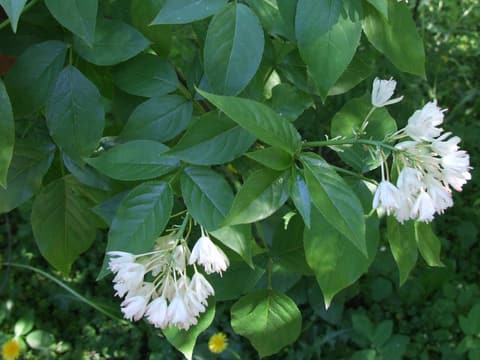
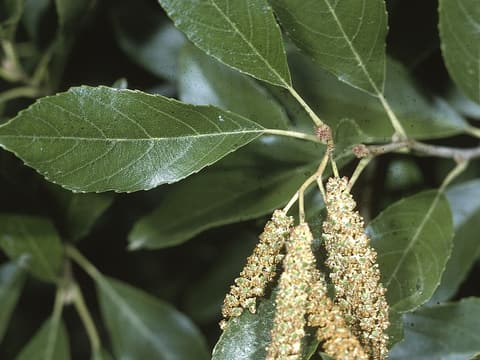
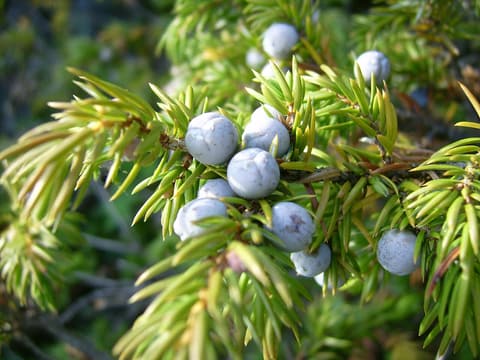
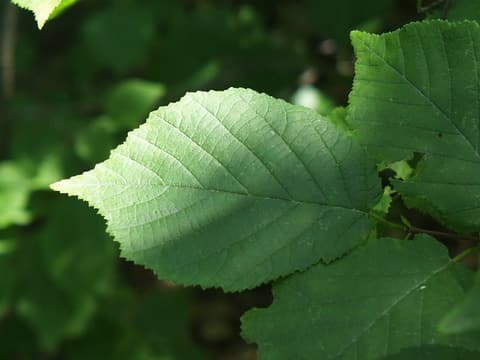
Photo: Mason Brock, Public domain · Wikimedia Commons
Carolina Buckthorn
Scientific name: Frangula caroliniana
Also called Indian cherry, yellow buckthorn, Rhamnus caroliniana.
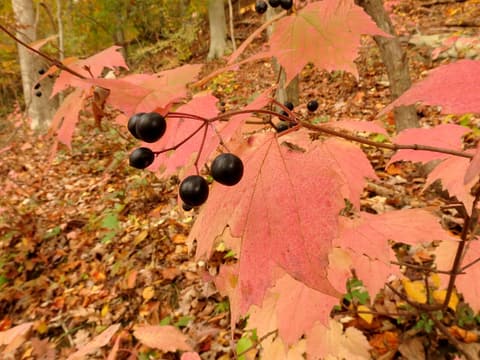
Glossy leaves, red-to-black berries and yellow fall color on a native buckthorn that is nothing like the invasive ones.
Be first when Carolina buckthorn is priced
Saplings ship bare-root or in a pot, usually 12 to 18 inches tall, in the dormant season, and their height and age are stated here with the price, once available.
We grow it as saplings and seed. One email when it is listed with prices, and nothing else. Or ask, and we reply with what is ready now. Live plants ship February to May and October to November.
Limited timeSign up now and get 10% off when it is ready.
Share: copy link
Carolina Buckthorn at a glance
- Type
- Shrub
- Mature height
- 10–20 ft
- USDA zones
- 5–9
- Growth rate
- Medium
- Flowers
- May to June
- Fruit
- Berries, September to October
- First crop
- 5 to 7 years
- Mature spread
- 15 ft
- Sun
- Full, Part, Shade
- Soil moisture
- Dry, Average
- Grows wild in
- Rocky ground, the forest understory and dry uplands
- Native range
- 19 states, north and west to Nebraska and south to Florida See what is native in your state
List all 19
Alabama, Arkansas, Florida, Georgia, Illinois, Indiana, Kentucky, Louisiana, Maryland, Mississippi, Missouri, Nebraska, North Carolina, Ohio, Oklahoma, South Carolina, Tennessee, Texas and Virginia
Carolina buckthorn is a thornless, well-behaved large shrub of limestone woods and stream banks in the Southeast and lower Midwest. The showy fruit turns red then black and feeds birds in autumn; the leaves stay green and glossy late into the season. Not to be confused with European or glossy buckthorn, which are invasive. A natural choice for a thornless bird hedge along a wooded property line.
Size, growth and what to expect
A shrub of limestone slopes, glades and stream banks, Carolina buckthorn grows wild from southwestern Virginia west to Ohio, southern Illinois and Nebraska, and south to Florida, Texas and northeastern Mexico. It grows at a medium pace, roughly a foot and a half a year in its youth on an average site, the rate our growth estimator assumes for a medium shrub. It makes a large shrub or small tree 10 to 20 feet tall and about as wide, and it can reach 30 feet.
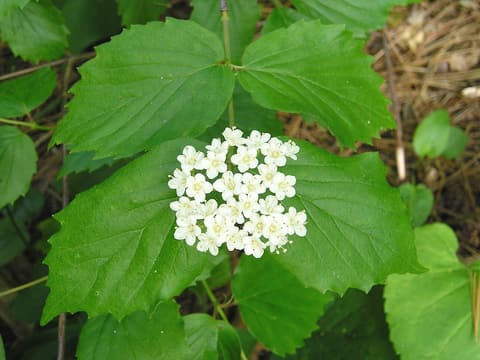
Small creamy-green flowers open in May and June. The fruit is a berry about a third of an inch across. It turns bright red in late summer and ripens black in September and October, when birds strip it. Deer browse the leaves and bark. Despite the name it has no thorns, and the species name records its discovery in South Carolina. It grows more drought tolerant as it ages.
How to grow Carolina Buckthorn
Carolina buckthorn grows in full sun, part shade or shade, on average to dry soil, and it is at home over limestone. In shade it is more tree than shrub. At full size allow 8 to 10 feet from a walk or a wall.
Plant while dormant. Saplings ship bare-root or potted. Open a hole twice as wide as the roots and no deeper, keep the root collar at grade, and backfill with what you took out. Mulch a ring, held off the stem. Clean the pulp from the seed, sow it outdoors in fall in a screened bed, and let winter do the chilling. Seed kept until spring needs 30 to 60 days damp in the refrigerator first. Sow it barely covered.
Water through the first summer when the weather turns dry. Deer browse it hard in some areas, so cage a young plant until it tops six feet, and screen the base against rabbits. Take out crossing branches in late winter for a clean trunk.
This is not the invasive buckthorn: it is thornless despite the name and stays where you put it. One plant will fruit on its own. Birds strip the berries as they blacken, and the fruit is not for eating.
Heights and zones are typical ranges for the species in cultivation; local conditions and seed source shift them.
Sources (12)
- NC State Extension Gardener Plant Toolbox: Frangula caroliniana
- Missouri Botanical Garden Plant Finder: Frangula caroliniana
- Lady Bird Johnson Wildflower Center: Frangula caroliniana
- USDA NRCS PLANTS Database: Frangula caroliniana, FRCA13
- USDA Forest Service, Woody Plant Seed Manual (2008), Frangula chapter
- Missouri Department of Conservation field guide: Carolina Buckthorn
- Virginia Tech Dendrology: Carolina buckthorn, Frangula caroliniana
- Flora of North America, vol. 12: Frangula caroliniana
- NatureServe Explorer: Frangula caroliniana
- Native Plant Network, propagation protocol of the USDA NRCS Appalachian Plant Materials Center: Frangula caroliniana, Vandevender 2016
- Native Plant Network, propagation protocol of the USDA NRCS James E. 'Bud' Smith Plant Materials Center: Rhamnus caroliniana, Esquivel 2001
- USDA Forest Service, Seeds of Woody Plants in the United States, Agriculture Handbook 450 (1974): Rhamnus L., buckthorn, Hubbard
Plan the planting
Check your site for it What to plant with it How big, how fast How much to water How to sow it How many for a crop When it flowers and fruits When to plant it where you live How far from the house and wires How old is yours
Read before planting
- Ten planting mistakes that quietly kill trees
- Transplanting young trees: timing, water and protection
- Protecting young trees from voles, rabbits, deer and squirrels
- Native trees and shrubs for birds: caterpillars, fruit, mast, nests and winter cover, month by month
- Invasive vines and shrubs are what is killing your woods
- The habitat around a tree is part of the tree
Grows in the same conditions
Plants that share its sun and soil
Trees to plant it under: Hop Hornbeam, Common Hackberry and Black Hickory.
More like this