Photo: Susan Adams, CC BY-SA 2.0, cropped · Wikimedia Commons
Crossvine
Scientific name: Bignonia capreolata
Also called quartervine, Anisostichus capreolata.
A native evergreen vine that climbs by sticky tendrils, with orange and yellow trumpet flowers that feed hummingbirds in early spring.
Be first when crossvine is priced
Saplings ship bare-root or in a pot, usually 12 to 18 inches tall, in the dormant season, and their height and age are stated here with the price, once available.
We grow it as saplings and seed. One email when it is listed with prices, and nothing else. Or ask, and we reply with what is ready now. Live plants ship February to May and October to November.
Limited timeSign up now and get 10% off when it is ready.
Share: copy link
Crossvine at a glance
- Type
- Shrub
- Mature height
- 30–50 ft
- USDA zones
- 5–9
- Growth rate
- Fast
- Flowers
- March to May
- Fruit
- Pods, August to October
- First crop
- —
- Mature spread
- 10 ft
- Sun
- Full, Part, Shade
- Soil moisture
- Dry, Average, Wet
- Grows wild in
- Floodplain forests, swamps and wet flats, old fields and edges
- Native range
- 19 states, north to Ohio, south to Florida and west to Texas See what is native in your state
List all 19
Alabama, Arkansas, Florida, Georgia, Illinois, Indiana, Kentucky, Louisiana, Maryland, Mississippi, Missouri, North Carolina, Ohio, Oklahoma, South Carolina, Tennessee, Texas, Virginia and West Virginia
Crossvine is a native vine of the trumpet creeper family, named for the cross that shows when its stem is cut. Its glossy leaves stay on through mild winters, and its trumpet flowers are among the first nectar of spring for hummingbirds. It spreads by root suckers and seed, and an unchecked vine can crowd out other plants. In Florida, tell it from the invasive cat's-claw vine, which has three-pronged, claw-like tendrils. Let it climb a fence, a stone wall or a tall pine in sun, for the most flowers.
Size, growth and what to expect
Crossvine grows fast, nearly three feet a year in our growth estimator. It climbs 30 to 50 feet into trees, and one plant spreads 6 to 10 feet wide. Its leaves stay on through mild winters and turn reddish purple, but a hard winter in zones 5 and 6 can strip them.
Trumpet flowers 2 inches long, reddish orange outside and yellow within, hang in clusters of two to five from March into May. The wild form's flowers carry a scent of mocha, which some named selections lack. Flat pods 4 to 7 inches long ripen in late summer, holding many winged seeds.
It grows wild from Maryland and the Ohio River valley south to Florida and west to eastern Texas. Its home is floodplain forests, swamps, hammocks and fence rows, where it climbs high into the trees. NatureServe ranks it critically imperiled in Oklahoma, at the edge of its range.
How to grow Crossvine
Crossvine flowers best in full sun and grows in part shade or even shade, with fewer flowers. It wants a moist soil rich in organic matter that drains well, yet it takes sand or clay, brief flooding and drought once established. Its branched tendrils end in sticky pads that let it climb brick, stone and fences without support. The pads can damage stucco, so against a house, set a trellis 5 feet from a wall and train it there. Set plants 12 feet apart. It burns readily, so where wildfire is a risk keep it out of the defensible space around a house. Keep it more than 50 feet from overhead wires.
Saplings ship bare-root or potted. Plant them in the dormant season, from late fall until bud swell, in a hole wider than the roots and no deeper. Set the crown at the soil line, put the native soil back in, and keep the mulch clear of the stems. Collect the pods from late summer into fall, once they turn light brown and begin to dry. The seed needs no treatment, so sow it in late winter or spring under an eighth of an inch of soil. Seedlings come up within three weeks, but survival can be low, and they may need a winter's chill before they grow on.
Water weekly through the first summer and in dry spells until it is established. Deer browse it in winter, so cage young plants where deer are many. Pull up root suckers as they appear, or it spreads well beyond its spot. Cut branches back in spring to bring on flowers, and thin crowded stems.
Each flower carries both male and female parts, so there are no male and female plants to pair. Hummingbirds are its main pollinators, and bees and butterflies visit too. It has no major pests.
Heights and zones are typical ranges for the species in cultivation; local conditions and seed source shift them.
Sources (14)
- NC State Extension Gardener Plant Toolbox: Bignonia capreolata
- Lady Bird Johnson Wildflower Center: Bignonia capreolata
- Lady Bird Johnson Wildflower Center, Ask Mr. Smarty Plants: crossvine on a stucco wall
- USDA NRCS Plant Guide: Crossvine, Bignonia capreolata, Wennerberg 2004
- Native Plant Network: Propagation protocol for Bignonia capreolata, Kujawski and Davis 2001, USDA NRCS Norman A. Berg National Plant Materials Center
- Virginia Tech Dendrology: crossvine
- Clemson Cooperative Extension, Home and Garden Information Center: Cross Vine, Millie Davenport
- Oklahoma State University Extension, Plant Identification Profiles: Crossvine
- University of Florida IFAS, Center for Aquatic and Invasive Plants, Plant Directory: Bignonia capreolata
- Florida Native Plant Society: Bignonia capreolata
- Georgia Native Plant Society: Crossvine, Bignonia capreolata
- NatureServe Explorer: Bignonia capreolata
- Oklahoma Natural Heritage Inventory: tracking list
- USDA NRCS PLANTS Database: Bignonia capreolata
Plan the planting
Check your site for it What to plant with it How big, how fast How much to water How to sow it How many for a crop When it flowers and fruits When to plant it where you live How far from the house and wires How old is yours
Read before planting
- Ten planting mistakes that quietly kill trees
- Transplanting young trees: timing, water and protection
- Protecting young trees from voles, rabbits, deer and squirrels
- The habitat around a tree is part of the tree
- What a young tree looks like: first-year seedlings of oak, walnut, hickory, chestnut, maple and redbud, and the weed trees to pull
- Invasive vines and shrubs are what is killing your woods
Grows in the same conditions
Plants that share its sun and soil
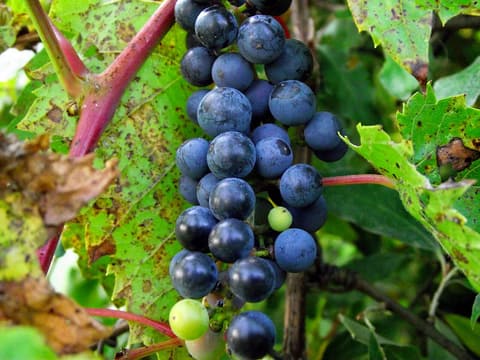
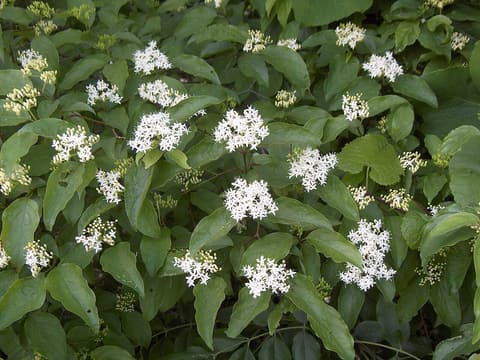
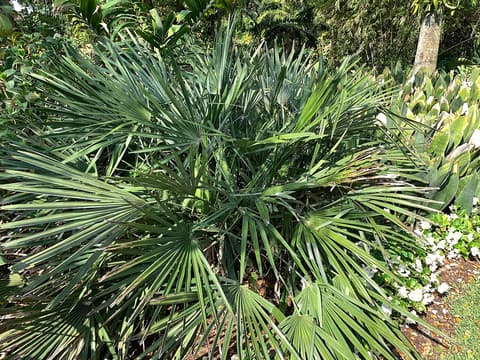
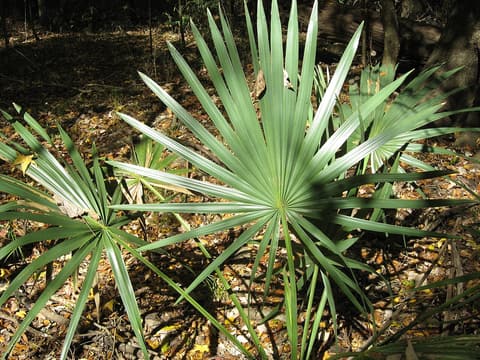
Trees to plant it under: Black Gum (Tupelo), American Elm and Sugarberry.
More like this