Photo: Katherine Wagner-Reiss, CC BY-SA 4.0, cropped · Wikimedia Commons
Cucumber Magnolia
Scientific name: Magnolia acuminata
Also called cucumbertree, cucumber tree.
The hardiest and largest native magnolia, a fast-growing shade tree with cucumber-shaped fruit that ripens to red.
Be first when cucumber magnolia is priced
Saplings ship in a pot, usually 12 to 18 inches tall, in the dormant season, and their height and age are stated here with the price, once available.
We grow it as saplings and seed. One email when it is listed with prices, and nothing else. Or ask, and we reply with what is ready now. Live plants ship February to May and October to November.
Limited timeSign up now and get 10% off when it is ready.
Share: copy link
Cucumber Magnolia at a glance
- Type
- Large tree
- Mature height
- 50–80 ft
- USDA zones
- 3–8
- Growth rate
- Fast
- Flowers
- April to July
- Fruit
- Cones, August to September
- First crop
- About 30 years (a seedling may bloom at 12 or more)
- Mature spread
- 60 ft
- Sun
- Full, Part
- Soil moisture
- Average
- Grows wild in
- Rich moist slopes and the Appalachians
- Native range
- 20 states, north to New York, south to Florida and west to Oklahoma Also recorded, not native, in Connecticut, Massachusetts and New Jersey. See what is native in your state
List all 20
Alabama, Arkansas, Florida, Georgia, Illinois, Indiana, Kentucky, Louisiana, Maryland, Mississippi, Missouri, New York, North Carolina, Ohio, Oklahoma, Pennsylvania, South Carolina, Tennessee, Virginia and West Virginia
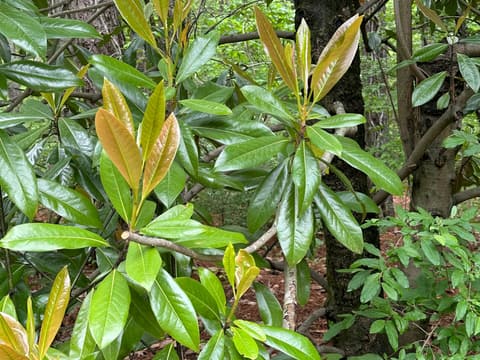
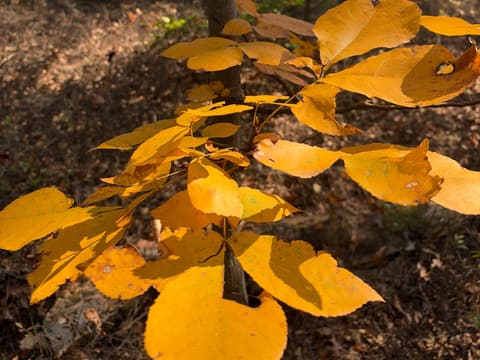
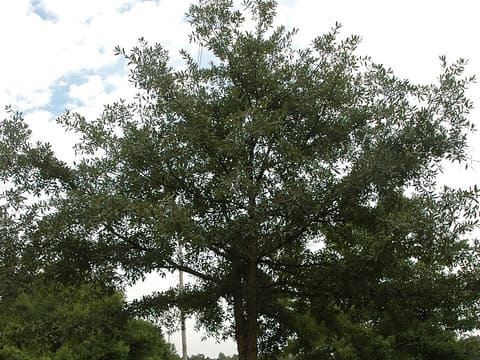
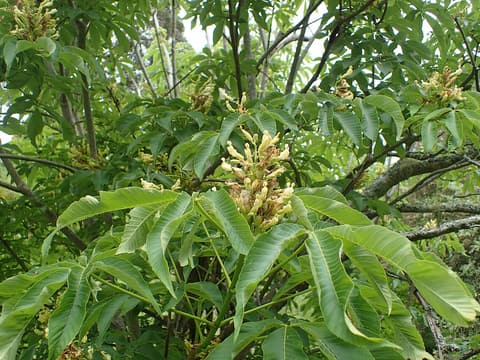
Cucumber magnolia grows into a tall, straight forest tree with a pyramidal crown and huge leaves. Its greenish-yellow spring flowers are modest, but the knobbly fruit turns scarlet in late summer and birds feast on the seeds. Perfect for a big lawn that lost an ash and wants a fast native shade tree.
Size, growth and what to expect
At maturity a cucumber magnolia stands 60 to 80 feet with a trunk about 2 feet through, and it can reach 100 feet on the deep soils of a mountain cove. It grows fast, nearly three feet a year in its youth on an average site, the rate our growth estimator uses for a fast tree.
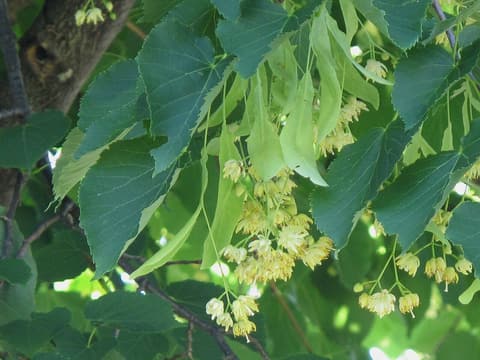
A seedling may take 12 or more years to bloom, and seed bearing begins at about 30 years. The heaviest crops come after 50, with a good one every 4 to 5 years. The greenish-yellow flowers are 2 to 4 inches long. The knobby fruit is 2 to 3 inches long and holds 10 to 60 red seeds that grackles, blackbirds and small mammals clean out. The tree seldom lives more than 150 years, though the oldest known, dated by its rings, reached 520. It flowers between early April and early July, depending on location.
It grows wild on cool moist mountain sites from western New York and southern Ontario southwest to Indiana, Missouri and Louisiana, and east to northwest Florida and Georgia. In the mountains it runs north to Pennsylvania.
How to grow Cucumber Magnolia
Cucumber magnolia takes full sun or part shade and wants deep, average soil that drains but holds moisture through summer. This is a forest tree with a spreading crown, so plant it 40 feet from the house and clear of wires, where it will never need cutting back. Set trees 35 feet apart.
Saplings ship potted, with the root ball whole. Plant while dormant, and if you have the choice, plant at the end of winter rather than in fall, since the thick, fleshy roots heal slowly in cold ground. Dig wide and no deeper than the roots, keep the root flare at grade, use the soil you dug, and mulch a wide ring off the trunk. Clean the pulp from the red seed, sow it in fall, and never let it dry.
Water through the first two summers. Mulch instead of cultivating, because surface roots damage easily. Rabbits and deer browse young trees, so cage the stem for the first few years and prune as little as possible.
A lone cucumber magnolia sets less seed than trees that can cross with a neighbor, so plant two or more seedlings if you want seed. The greenish flowers sit high in the crown and are easy to miss, and a seedling takes many years to bloom. The knobby fruit reddens in late summer and birds clear the seeds quickly.
Heights and zones are typical ranges for the species in cultivation; local conditions and seed source shift them.
Sources (16)
- USDA Forest Service, Silvics of North America: cucumbertree
- NC State Extension Gardener Plant Toolbox: Magnolia acuminata
- The Morton Arboretum: cucumbertree
- Missouri Botanical Garden Plant Finder: Magnolia acuminata
- USDA NRCS PLANTS Database: Magnolia acuminata, MAAC
- USDA Forest Service, Woody Plant Seed Manual (2008), Magnolia chapter
- Missouri Department of Conservation field guide: Cucumber Magnolia
- Virginia Tech Dendrology: cucumbertree, Magnolia acuminata
- Lady Bird Johnson Wildflower Center: Magnolia acuminata
- Flora of North America, vol. 3: Magnolia acuminata
- UF/IFAS EDIS: Magnolia acuminata, Cucumbertree, ENH-528/ST369, Gilman and Watson
- Ontario Ministry of Natural Resources: Recovery Strategy for Cucumber Tree (Magnolia acuminata) in Ontario, 2010, adopting the federal strategy of 2007
- NatureServe Explorer: Magnolia acuminata
- Virginia Tech Dendrology, Eastern OLDLIST of maximum tree ages (Neil Pederson): Magnolia acuminata, cucumbertree
- Virginia Tech Dendrology, Eastern OLDLIST of maximum tree ages (Neil Pederson): Magnolia acuminata filed as Magnolia accuminata, cucumbertree
- Di Filippo, Pederson, Baliva and others 2015, The longevity of broadleaf deciduous trees in Northern Hemisphere temperate forests: insights from tree-ring series, Frontiers in Ecology and Evolution 3: 46
Plan the planting
Check your site for it What to plant with it How big, how fast How much to water How to sow it How many for a crop When it flowers and fruits When to plant it where you live How far from the house and wires How old is yours Moving one you already have
Read before planting
- Ten planting mistakes that quietly kill trees
- Transplanting young trees: timing, water and protection
- Protecting young trees from voles, rabbits, deer and squirrels
- Native trees for the Southern Appalachians: the valleys, the slopes and the high ridges
- Six trees not to plant near a house, and what to plant instead
- A tree dripping sap, sticky drops or white foam: honeydew, slime flux and bleeding wounds
We grow 7 other magnolias (Magnolia): see them all.
Grows in the same conditions
Plants that share its sun and soil
Under its canopy: Pagoda Dogwood, Roseshell Azalea and Umbrella Magnolia.
More like this