Photo: Krzysztof Ziarnek, CC BY-SA 4.0, cropped · Wikimedia Commons
Yellowwood
Scientific name: Cladrastis kentukea
Also called Kentucky yellowwood, American yellowwood.
Cascading wisteria-like white flowers in late spring on a smooth, gray-barked tree that few nurseries grow.
Be first when yellowwood is priced
Saplings ship bare-root or in a pot, usually 12 to 18 inches tall, in the dormant season, and their height and age are stated here with the price, once available.
We grow it as saplings and seed. One email when it is listed with prices, and nothing else. Or ask, and we reply with what is ready now. Live plants ship February to May and October to November.
Limited timeSign up now and get 10% off when it is ready.
Share: copy link
Yellowwood at a glance
- Type
- Medium tree
- Mature height
- 30–50 ft
- USDA zones
- 4–8
- Growth rate
- Medium
- Flowers
- May
- Fruit
- Pods, August to September
- First crop
- 8 to 10 years (first flowers)
- Mature spread
- 55 ft
- Sun
- Full, Part
- Soil moisture
- Average
- Grows wild in
- Rich moist slopes and rocky ground
- Native range
- 12 states, north to Illinois, south to Louisiana and west to Oklahoma Also recorded, not native, in 9 other states (listed above). See what is native in your state
List all 12, and the 9 others
Alabama, Arkansas, Georgia, Illinois, Indiana, Kentucky, Louisiana, Mississippi, Missouri, North Carolina, Oklahoma and Tennessee
Also recorded, not native, in Connecticut, Iowa, Maine, Massachusetts, New York, Ohio, Pennsylvania, Rhode Island and Virginia.
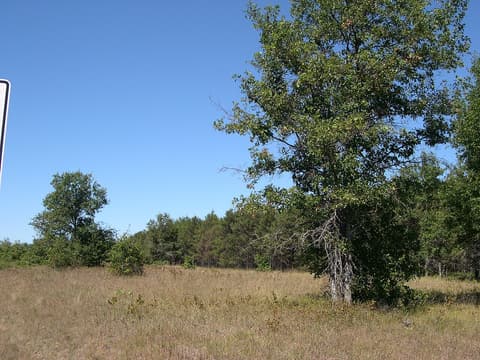
Native to a handful of limestone valleys from Kentucky to Arkansas, yellowwood is hardy far beyond that range and makes one of the best mid-sized shade trees for a yard. Fragrant flower panicles appear in heavy bloom every two or three years once the tree matures, fall color is clear yellow, and the roots tolerate ordinary soil. It also suits a city street, and in winter the gray bark stands out, smooth on young trunks and pebbly on old ones. Perfect as a patio tree or a front-yard specimen, close enough to smell the bloom.
Size, growth and what to expect
A young yellowwood may not bloom for its first 8 to 10 years, and after that a heavy bloom comes only every 2 or 3 years, with a lighter one between. Yellowwood grows at a medium pace, and our growth estimator models it as a medium tree, roughly a foot and a half a year in its youth on an average site. It reaches 30 to 50 feet with a low, spreading crown 40 to 55 feet wide. Left unpruned, it often falls apart after 30 to 40 years.
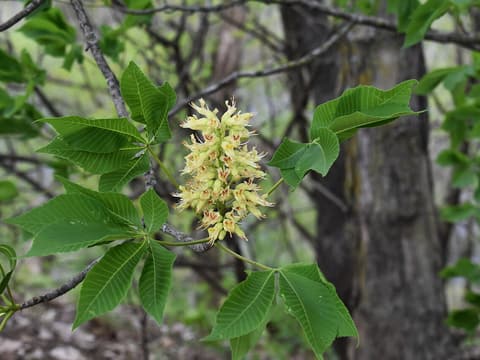
In May the tree hangs out fragrant white pea flowers in wisteria-like clusters 8 to 14 inches long, and flat papery pods 2½ to 4 inches long follow, each holding four to six seeds. The smooth gray bark looks like a beech's. The name comes from the yellow heartwood, which yields a yellow dye.
It grows wild in a scattered range centered on Kentucky, Tennessee and North Carolina, with outlying stands from Indiana and Illinois to Missouri and Arkansas. Its home is rich, well-drained limestone soil in river valleys and on slopes. It is drought tolerant once established.
How to grow Yellowwood
Yellowwood takes full sun or light shade and ordinary soil that drains, acid or limey. It grows a low, spreading crown as wide as it is tall, so plant it 25 feet from the house and clear of power lines. Set trees 40 feet apart.
Plant a sapling, bare-root or potted, while dormant, in a hole twice the root width and no deeper, root flare at grade, native soil back in, mulch off the trunk, staked only if it flops. Seed has a hard coat: soak it in hot water overnight, chill it damp for three months and sow in spring an inch deep under a mouse screen.
Soak it weekly through the first summer. Rabbits gnaw the smooth bark and deer browse shoots, so guard the trunk and cage the top for three years. Yellowwood forks low and its narrow crotches split in storms, so train one leader early and remove tight-angled branches while small, in midsummer because winter and spring cuts bleed.
Yellowwood carries both male and female parts in each flower, and bees carry the pollen. Small, isolated stands often set few viable seeds, so plant two or more trees from different parents for seed. Seedlings take eight to ten years to flower. Verticillium wilt can kill a limb or a whole tree; cut out any branch that wilts in summer and keep the tree watered. The bark is thin, so avoid mower and trimmer nicks.
Heights and zones are typical ranges for the species in cultivation; local conditions and seed source shift them.
Sources (10)
- The Morton Arboretum: yellowwood
- Missouri Botanical Garden Plant Finder: Cladrastis kentukea
- NC State Extension Gardener Plant Toolbox: Cladrastis kentukea
- USDA Forest Service, Woody Plant Seed Manual (2008), Cladrastis chapter, Olson, Barnes and Barbour
- Lady Bird Johnson Wildflower Center: Cladrastis kentukea
- NatureServe Explorer: Cladrastis kentukea, Yellow-wood
- Trees and Shrubs Online: Cladrastis kentukea, Johnson (2021)
- USDA NRCS PLANTS Database: Cladrastis kentukea
- University of Kentucky Nursery Crop Extension: Cladrastis kentukea, yellowwood
- University of Kentucky Department of Horticulture and Kentucky Division of Forestry, Kentucky Cooperative Extension Service: Cladrastis kentukea (Yellowwood)
Plan the planting
Check your site for it What to plant with it How big, how fast How much to water How to sow it How many for a crop When it flowers and fruits When to plant it where you live How far from the house and wires How old is yours Moving one you already have
Read before planting
- Ten planting mistakes that quietly kill trees
- Transplanting young trees: timing, water and protection
- Protecting young trees from voles, rabbits, deer and squirrels
- Six trees not to plant near a house, and what to plant instead
- A tree dripping sap, sticky drops or white foam: honeydew, slime flux and bleeding wounds
- Multistem or single stem? Sometimes the trunk is hiding the answer
Grows in the same conditions
Plants that share its sun and soil
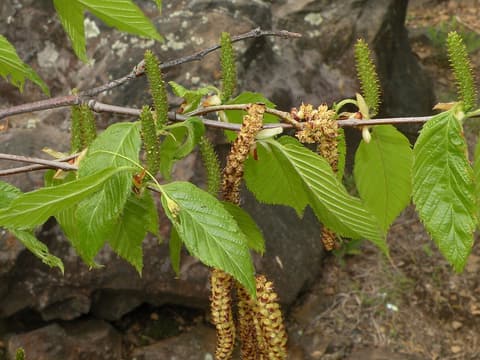
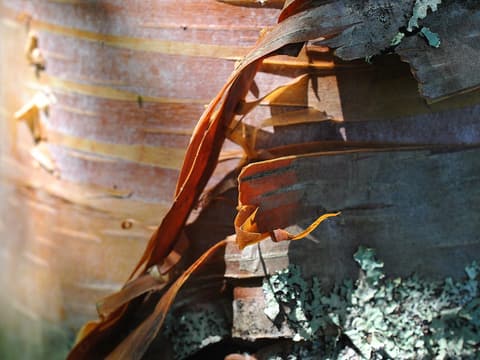
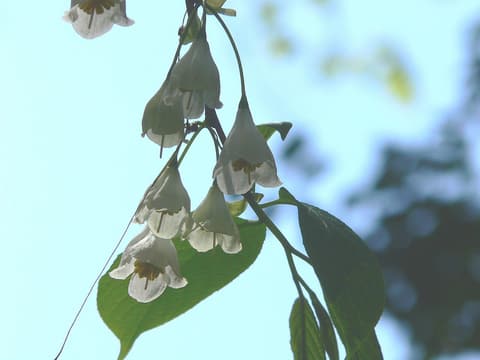
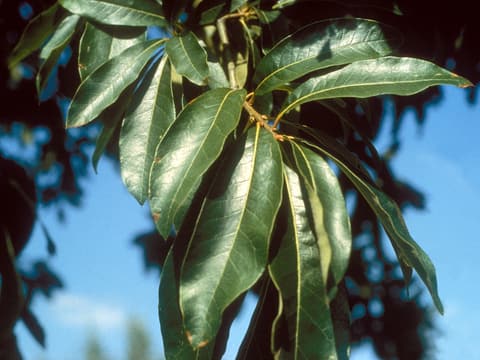
Under its canopy: Wild Hydrangea, Alabama Snow-wreath and Roseshell Azalea.
More like this