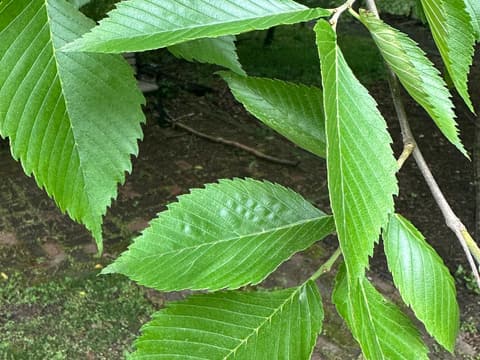
American Elm
Ulmus americanaLarge treeZones 2–960–80 ft
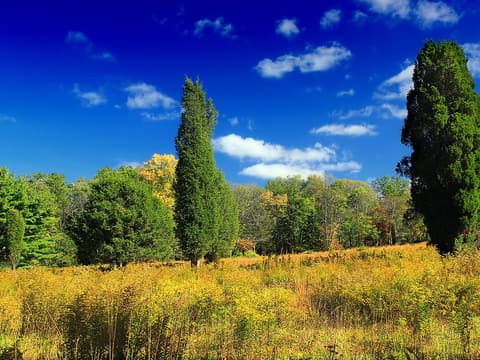
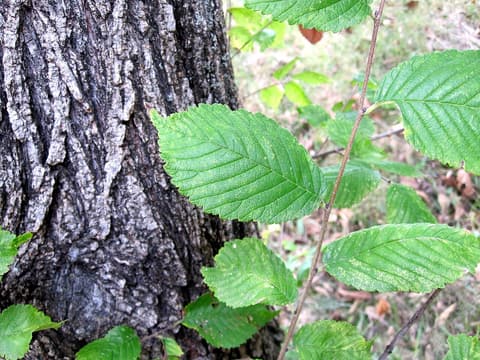
The great vase-shaped elm of old American streets, a fast shade tree for wet or dry ground, now best planted alone among trees of other kinds.
Find the right native tree or shrub for your site by filtering on USDA hardiness zone, mature size, sun, soil moisture and what you want from each species. The list narrows as you set each filter. Every result is a tree or shrub we grow from seed, so anything it shows can be requested now and ordered once it is priced.
Best fits first: those that list your soil outright, then those that only tolerate it.
Still a long list. or set a height limit.
Want one of these? Email me when it is ready to order. Notify me
The great vase-shaped elm of old American streets, a fast shade tree for wet or dry ground, now best planted alone among trees of other kinds.
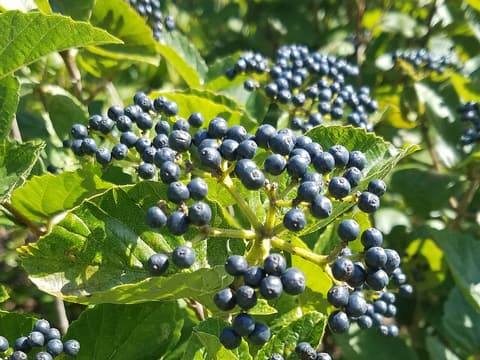
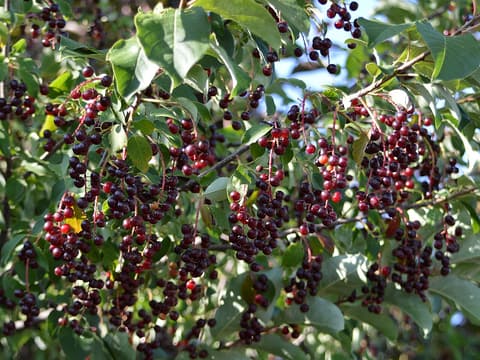
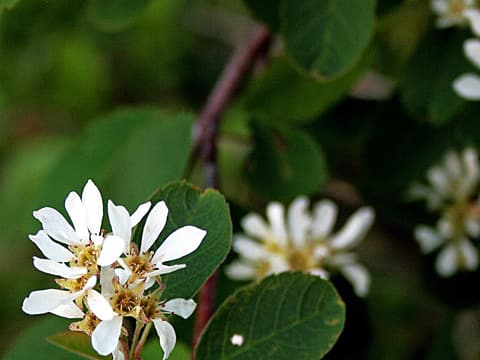
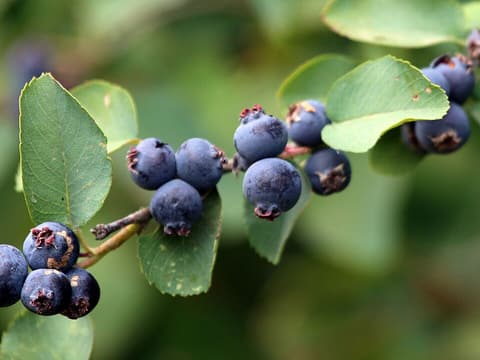
Blue-black berries nearly half fat by dry weight ripen from August for robins, bluebirds and catbirds, after flat white flower heads in May for the bees.
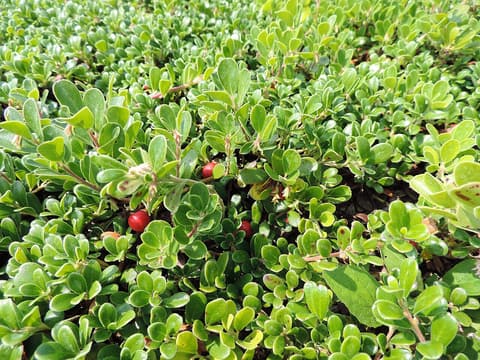
A slow, flat evergreen mat for sun and sand, with leathery leaves that bronze in winter and red berries that feed birds and bears.
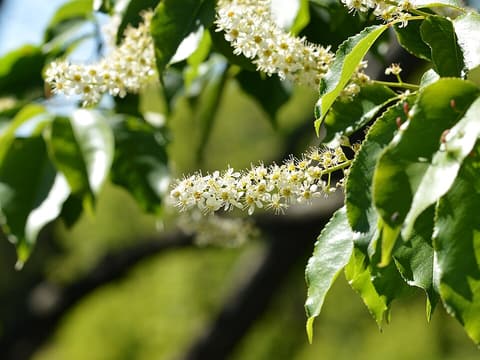
The largest native cherry, a fast-growing tree with drooping spikes of white flowers in spring and black cherries in summer for birds, bears and jelly.
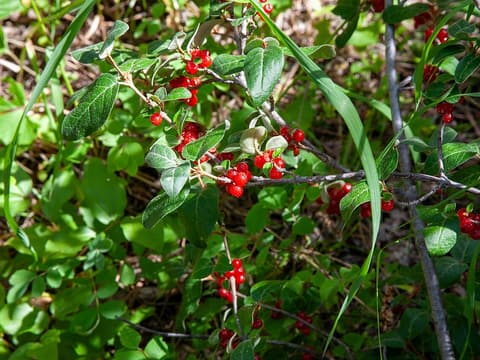
A slow, thornless northern shrub that fixes its own nitrogen, with silvery, rust-flecked leaves and bitter red berries that bears and birds eat.
A tough, thicket-forming native cherry with fragrant white flower spikes in spring and dark red to black cherries for jelly, syrup and birds.
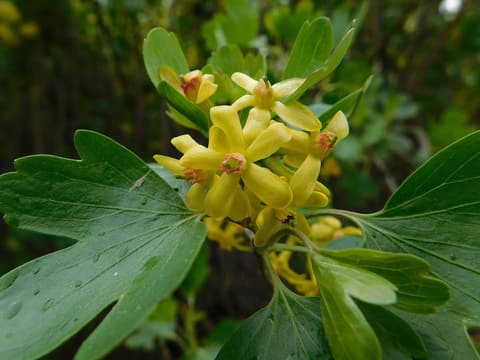
A thornless Plains currant whose golden yellow spring flowers smell of cloves, followed by sweet black berries for jam, jelly and pie.
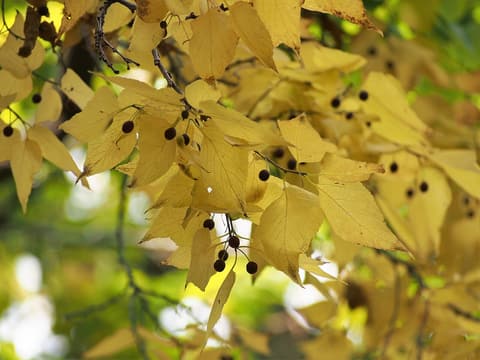
Sole host of the hackberry emperor and American snout, with sweet fruit held for waxwings and bluebirds until March. A tough tree for dry or city ground.
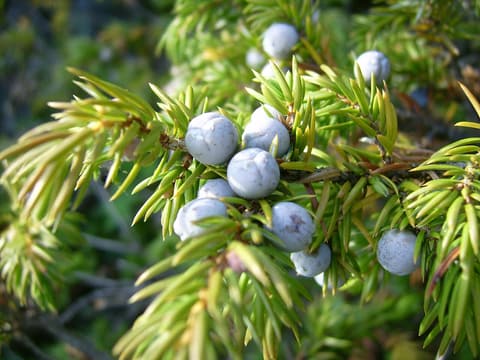
A hardy, spreading evergreen shrub with sharp, silver-banded needles in threes and blue berrylike cones, for poor, dry, sunny ground.
A slow, mat-forming evergreen of northern dunes, rocky shores and prairie slopes, with blue-green scale leaves that turn purplish in winter.
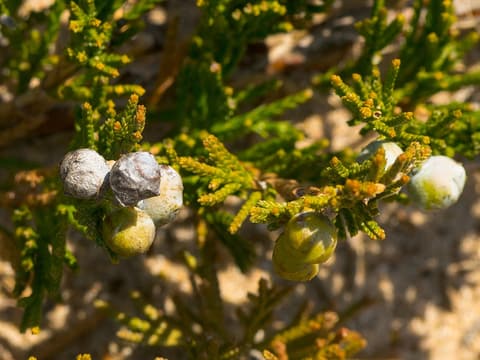
A tough evergreen for windbreaks and screens on dry, poor ground, whose frosted blue cones on female trees feed cedar waxwings and other birds all winter.
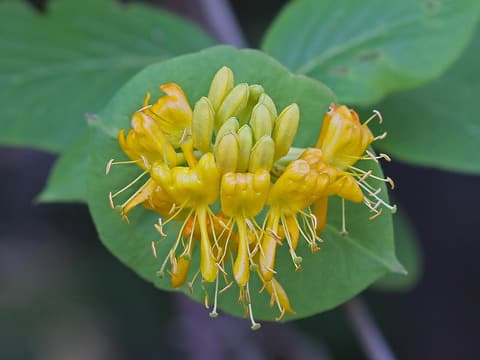
A native twining vine for cold northern gardens, with whorls of yellow flowers in early summer and orange-red berries in fall.
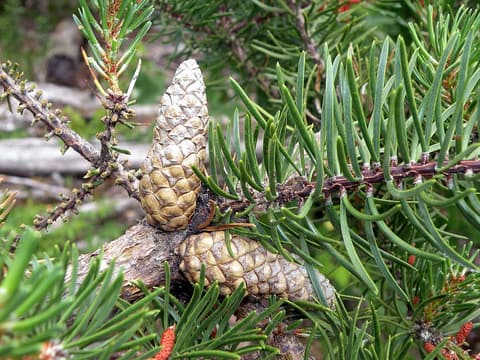
The hardy pine of the far North, with short, twisted needles and curved cones sealed shut for years, for the poorest, driest sand.
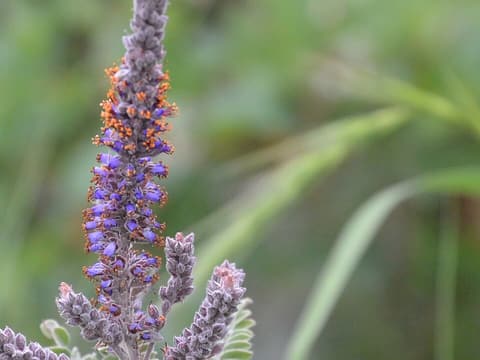
A prairie sub-shrub with silver leaves and purple summer spikes, rooted deep against drought.
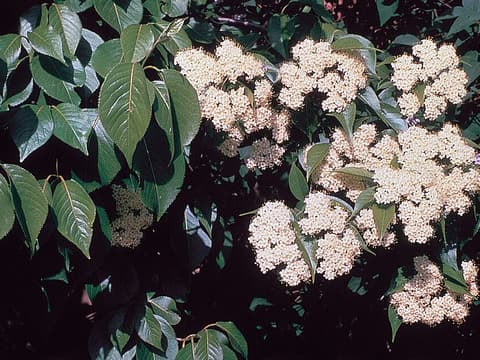
A big, adaptable viburnum with creamy flowers, edible blue-black fruit and wine-red fall color.
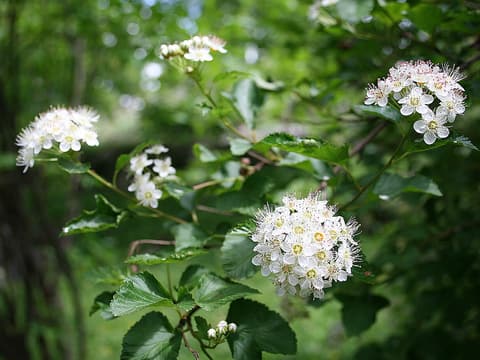
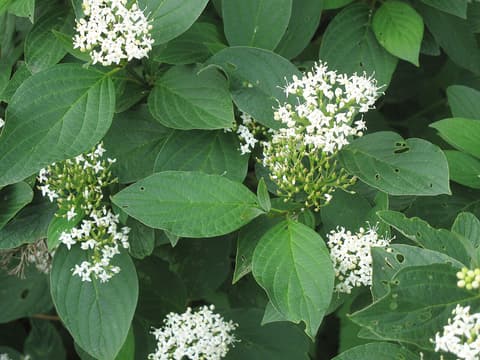
Peeling bark, white flower balls in June, and a constitution that shrugs off drought, flood and cold.
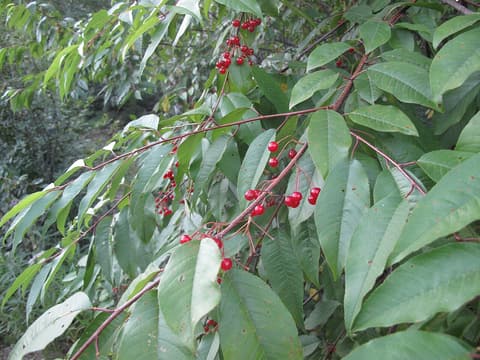
A fast pioneer cherry that springs up after fire, with white spring flowers, shiny red-brown bark and sour red cherries for dozens of birds.
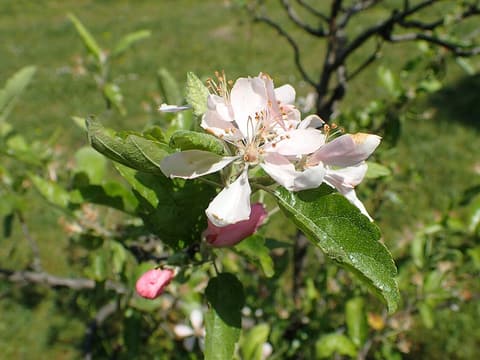
The wild crabapple of the Midwest prairies, whose pink buds open to fragrant blossoms in spring before waxy green apples ripen for jelly and wildlife.
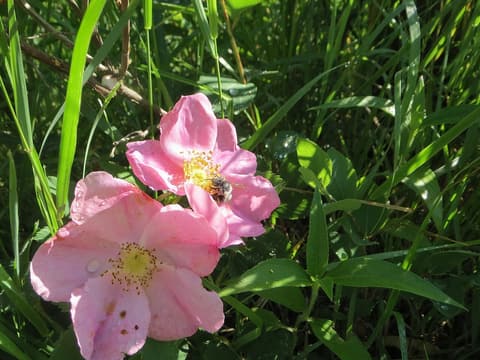
The wild rose of the northern forests, a thicket of bristly stems with fragrant pink flowers in early summer and red hips that last the winter.
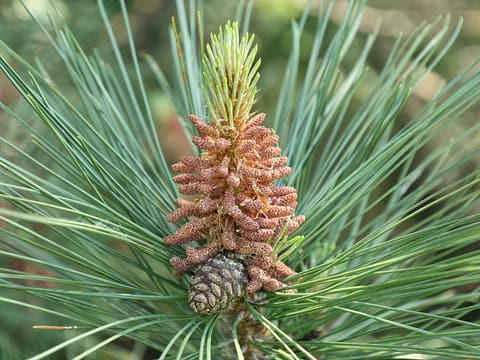
A tall, straight northern pine with reddish, plated bark and long needles in pairs, for windbreaks on dry, sandy ground where summers stay cool.
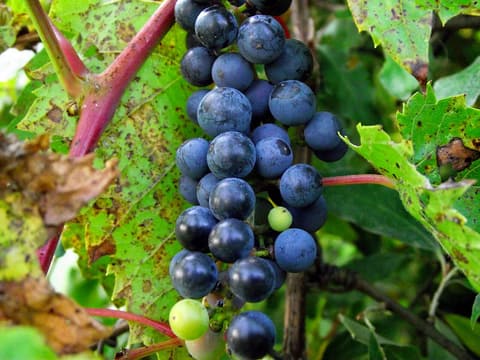
A hardy native grape vine that climbs by tendrils along streams and fences, with fragrant spring flowers and tart blue-black grapes for birds and jelly.
The elm with the hardest, strongest wood, a tall tree of limestone ridges and rich woods with corky-winged branches and seed that wildlife relish.
A shade-tolerant northern dogwood with nearly round, wrinkled leaves, flat clusters of white flowers and pale blue berries on red stalks.
A shrub of rocky slopes and sandy woods with nearly round leaves, white spring flowers and sweet dark purple fruit, rare at the edges of its range.
A suckering shrub of the northern Plains and the West, with fragrant white flowers in spring and sweet purple-black berries for pies and jam.
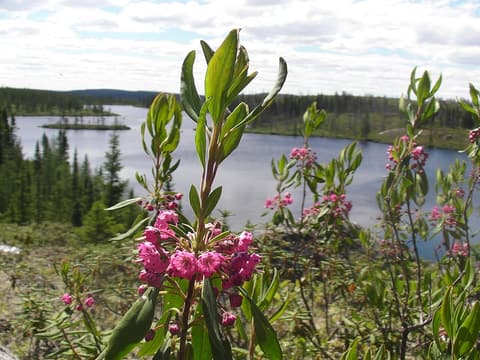
A low evergreen shrub of northern bogs and barrens, with rose-pink flowers ringing the stems in early summer. Every part is poisonous to livestock.
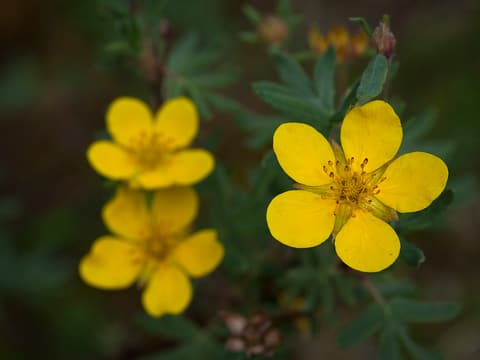
A low, rounded native shrub of northern fens and rocky shores whose bright yellow flowers open from June until frost.
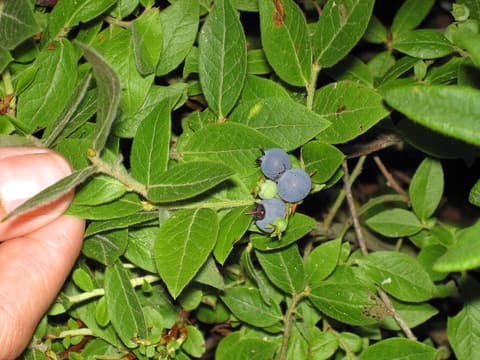
A low wild blueberry of the North with softly hairy leaves that turn red in fall and sweet, tart blue berries from July into September.
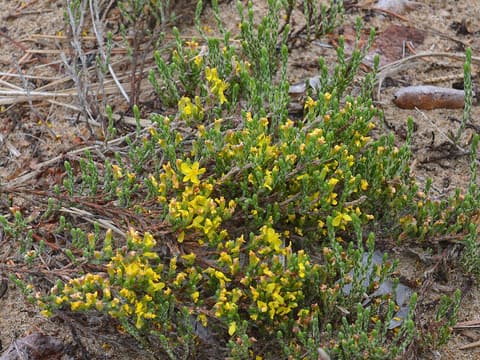
A gray, woolly evergreen mat of dunes and sand barrens that covers itself in tiny yellow flowers from May into July.
Ask what is ready: put the first 12 on my request list.
The finder answers as you choose and has a height limit. The shop lists the same trees and shrubs, with a search box and a native state filter: see these in the shop.
The address follows your filters, so the link saves this list.
Narrow the list to 12 or fewer and we can email you when any of them is ready to order.
Be first
One email per plant you tick, when it is priced, and nothing else. Each carries a code for 10% off the plants in that order, not shipping or tax. Or ask, and we reply with what is ready now.
While you wait, ask what is ready now.
In the finder's list the best fit comes first: trees and shrubs whose pages list your sun and soil outright, then those that only tolerate them. Within each group, those with your zone in the middle of their range come before those at its edge.
No: the finder lists native trees and shrubs to plant, matched to your zone, size, sun and soil. To name a tree you found, use the tree identification tool, which names it from a photo of a leaf, the bark, a twig, fruit or a flower.
Set the finder's height limit to the room you have: it matches the top of each species' typical mature height. Our article on small trees for a small yard says how far each one goes from a house.
Within 15 feet of the wires, the International Society of Arboriculture says a tree should mature at 20 feet or lower. Virginia Cooperative Extension allows trees to 25 feet within 20 feet of the wires, and suggests large shrubs under 15 feet directly under them.
Divide the hedge's length by the spacing, round down and add one, since a straight row has one at each end: a 40-foot hedge at 4 feet apart takes 11. On its Hedge or screen list, the finder gives each species the spacing its own page sets.
The address carries every choice, so a copied link opens the same list. The page draws that list before any script runs, so a shared link and the page's Markdown copy show the trees and shrubs themselves. These are its keys:
Each tree's facts come from its own page: its zones, mature height, sun, soil, labels and hedge spacing. The 20 and 40 ft height steps are the International Society of Arboriculture's zones by overhead wires (Avoiding Tree & Utility Conflicts (PDF), 2021). Within 15 feet of distribution wires, the species chosen "should have a mature height of 20 feet (6 meters) or lower". From 15 to 50 feet out, it should have "a potential mature height of 40 feet (12 meters) or lower". The planting-site check follows the same zones. The 30 ft step is the small-tree ceiling the growth estimator uses for its generic small tree. Virginia Cooperative Extension draws the low zone wider, to 20 feet from the line, where "trees in the low zone should not exceed 25 feet at maturity" (Selecting and Managing Trees to Avoid Conflicts with Overhead Utility Lines, 2024). Under the line itself it suggests large shrubs with "a mature height of less than 15 feet", the limit's first step. A ZIP code's zone is the 2023 USDA Plant Hardiness Zone Map's ZIP code listing, prepared by the PRISM Climate Group at Oregon State University.
When nothing fits, the site is usually the problem rather than the catalog: tell us the zone, soil, sun and what the tree needs to do, and we will suggest something.
The address carries the tree finder's inputs, so a link opens it filled in, and Copy link on a result writes one: zone (a whole number from 2 to 10), size (shrub, small-tree, medium-tree or large-tree), height (a mature height to stay under: 15, 20, 30, 40 or 60 feet, or 60-plus), sun (full, part or shade), moisture (dry, average or wet), want (one or more of flowers, fall-color, winter-interest, wildlife, honey, edible, evergreen, rare, early-bearing, screening, nitrogen-fixing, salt, street-tree, erosion-control, shade, wet-tolerant or drought, joined by commas), hedge (a hedge or screen length in feet, for a plant count), sort (featured, name, price-asc, price-desc, height, hardy or fast), compare (the slugs of the plants to compare, joined by commas). For example, /tools/tree-finder/?zone=6&size=small-tree&sun=part&moisture=average&want=fall-color.