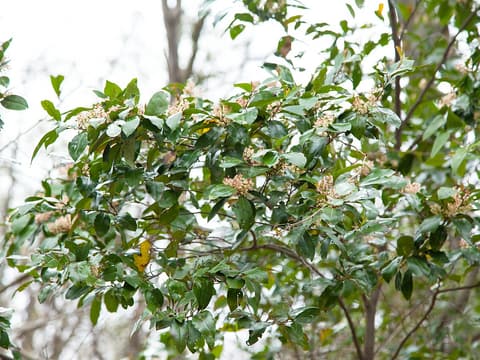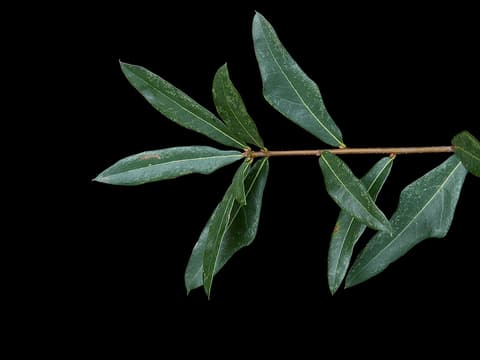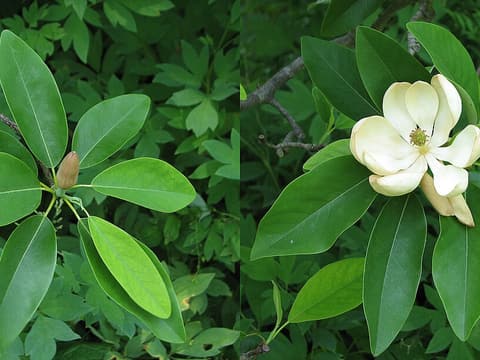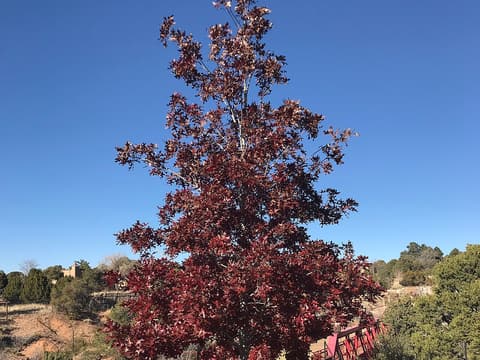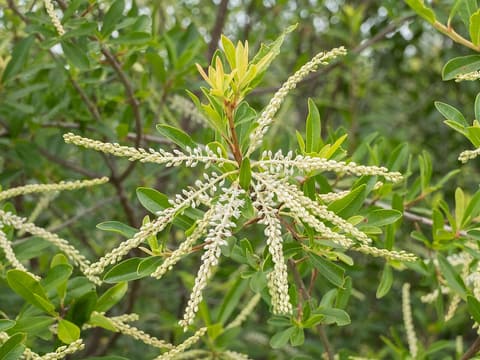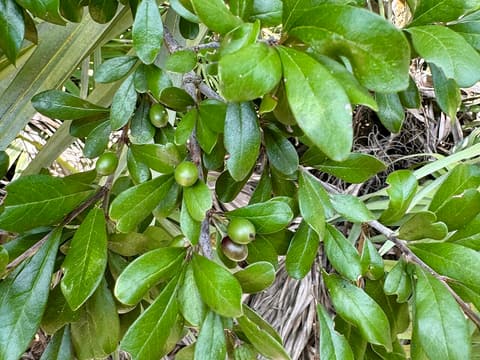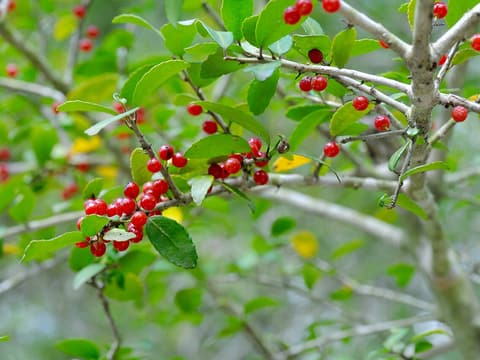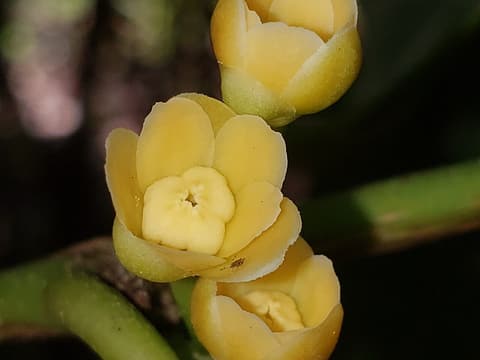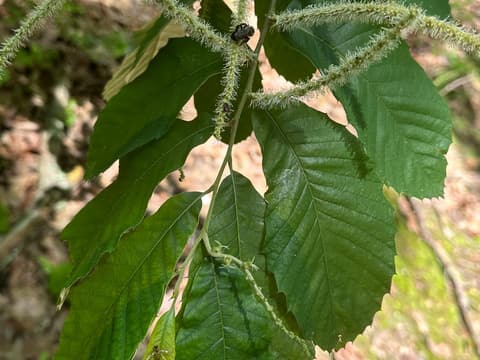
Allegheny Chinquapin
Castanea pumilaSmall treeZones 5–1010–25 ft
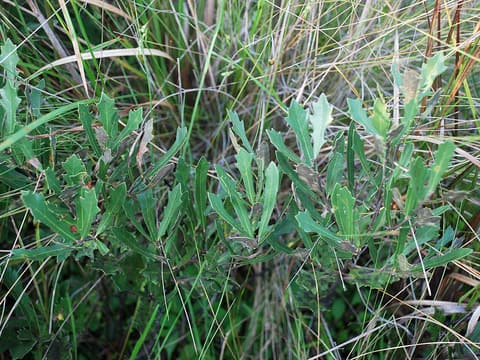
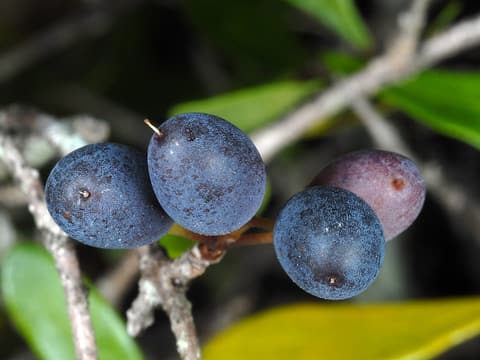
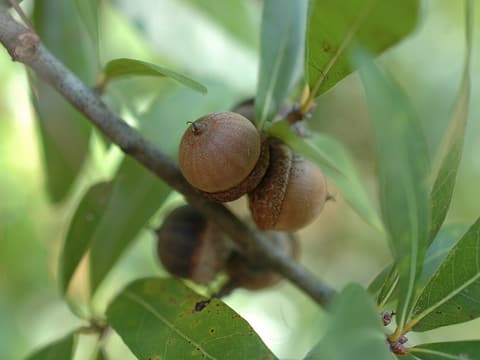
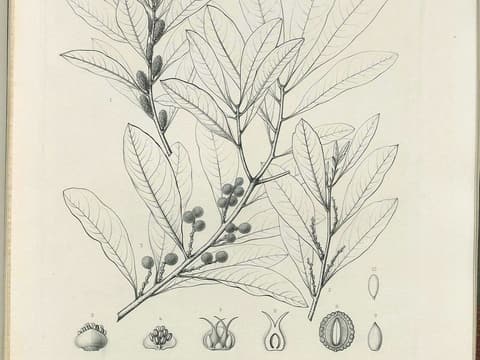
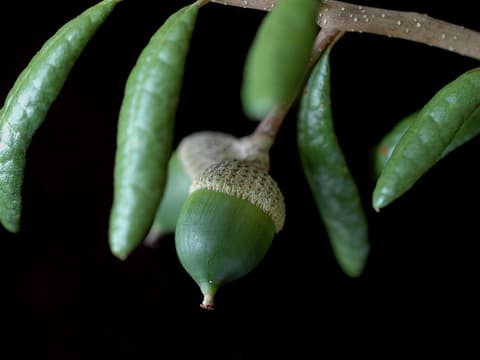
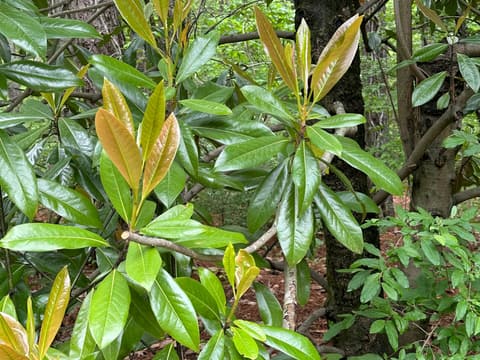
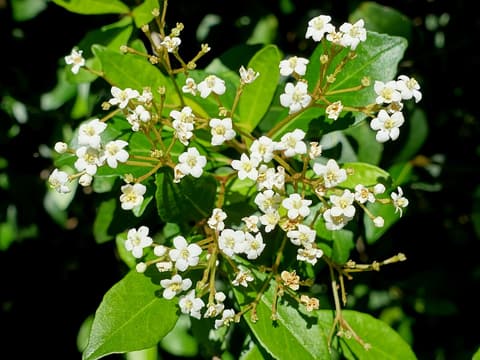
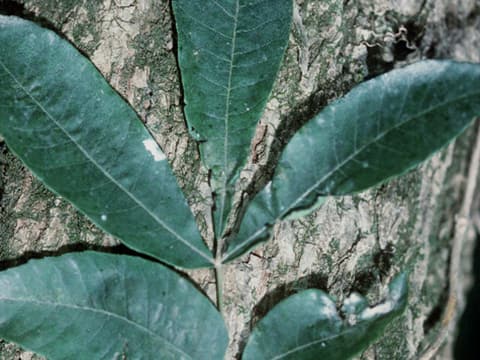
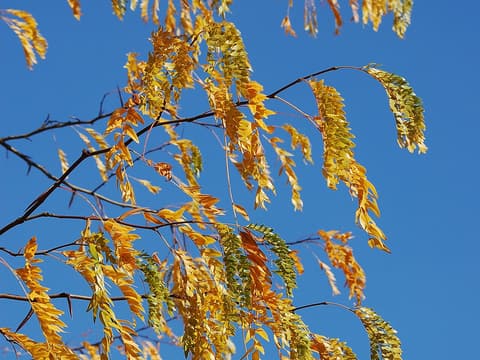
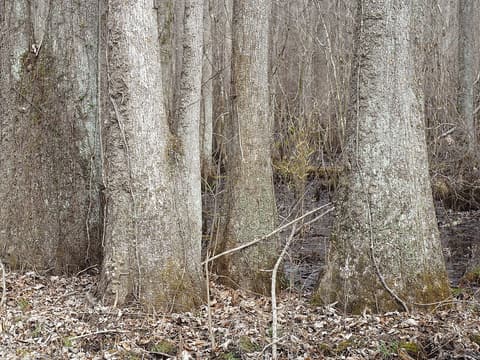
A shrubby native cousin of the American chestnut, Allegheny chinquapin ripens one sweet nut per small bur and bears within a few years of planting.
Find the right native tree or shrub for your site by filtering on USDA hardiness zone, mature size, sun, soil moisture and what you want from each species. The list narrows as you set each filter. Every result is a tree or shrub we grow from seed, so anything it shows can be requested now and ordered once it is priced.
Best fits first: those that list your sun outright, then those that only tolerate it.
Still a long list. or set a height limit.
Want one of these? Email me when it is ready to order. Notify me
A shrubby native cousin of the American chestnut, Allegheny chinquapin ripens one sweet nut per small bur and bears within a few years of planting.
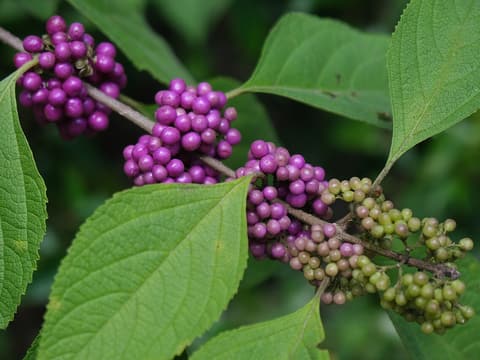
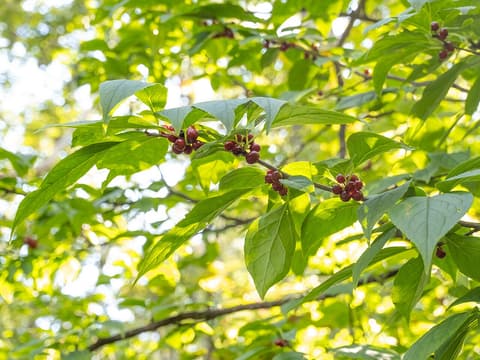
Glossy violet berries ring every stem in fall and feed mockingbirds and thrushes into winter. A fast, easy native shrub for sun or light shade.
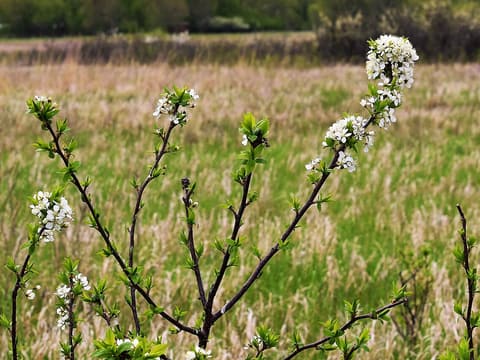
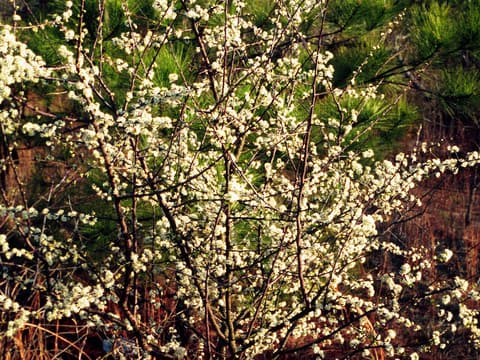
A thicket-forming wild plum for dry banks and wet ground alike, with fragrant white spring bloom and tart red-yellow fruit for jelly and wildlife.
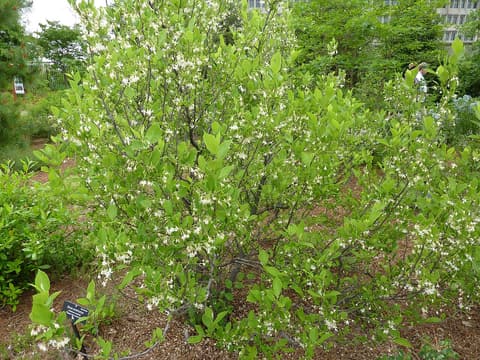
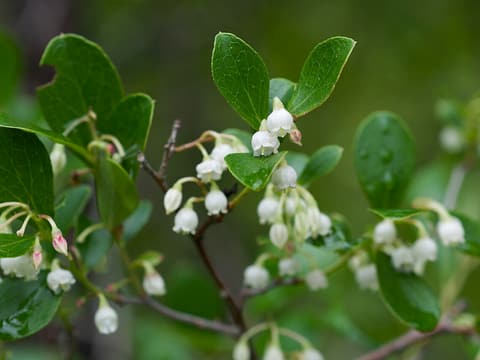
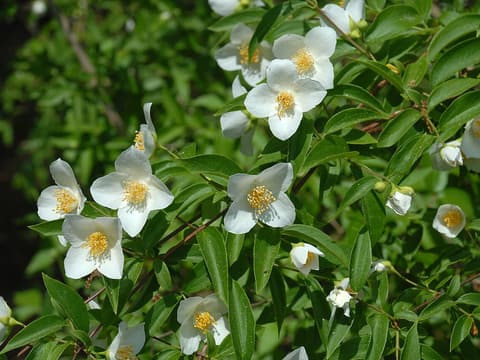
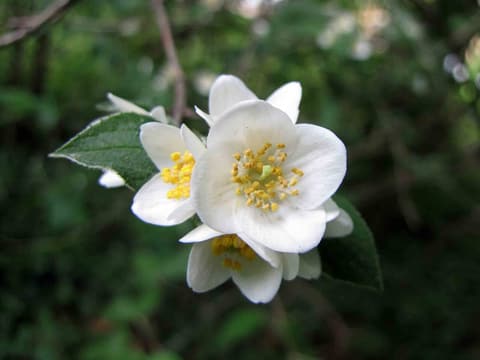
Fragrant white bells with swept-back petals cover a slender native shrub in spring, for wet woods, pond edges and shady, acidic ground.
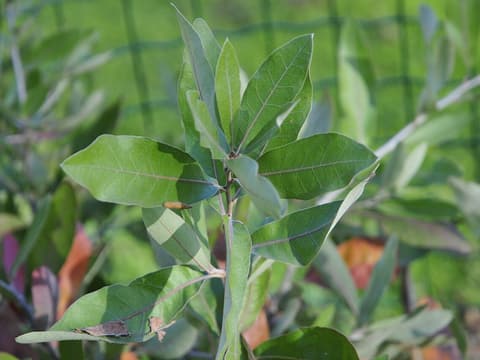
A small red oak of southern sandhills with narrow blue-green leaves, gray-felted beneath, that often hang on into winter.
An evergreen of southern bogs whose fragrant spring flowers feed honeybees, followed by winged fruits shaped like buckwheat grains.
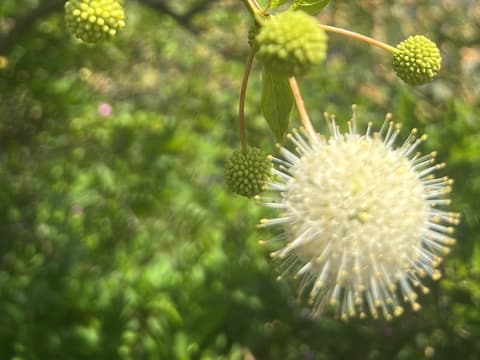
A wetland shrub for pond edges and rain gardens, with round white pincushion flowers in summer that draw bees, butterflies and hummingbirds.
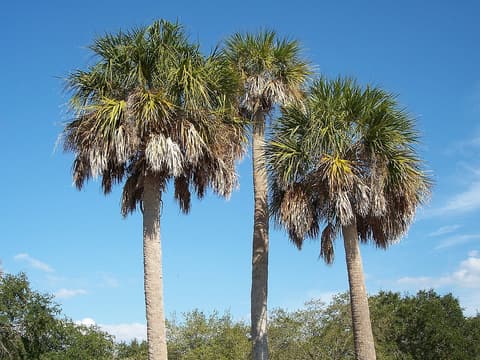
The native tree palm of the Southeast coast, evergreen and salt-hardy, with fragrant summer flowers for bees and black fruit for wildlife.
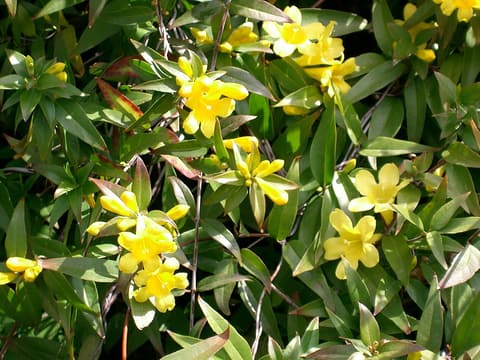
A native evergreen vine that twines up a fence or arbor and covers itself in fragrant yellow trumpets from late winter into spring.
A fast native evergreen for screens and hedges, with glossy leaves, fragrant late-winter flowers and black fruit for birds.
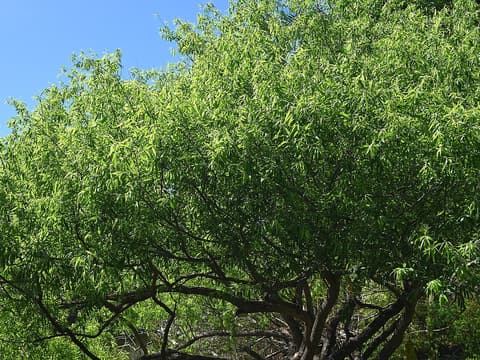
The common small willow of southern swamps and stream banks, fast on wet ground, with early yellow catkins for bees and leaves that feed viceroys.
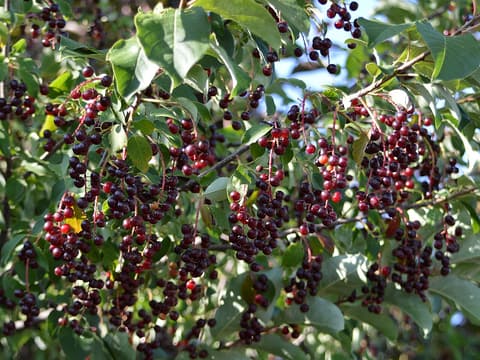
A tough, thicket-forming native cherry with fragrant white flower spikes in spring and dark red to black cherries for jelly, syrup and birds.
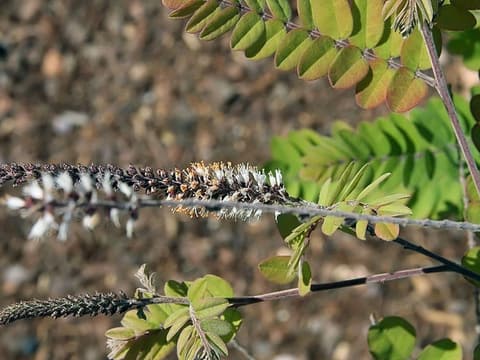
A low indigobush of southern sandhills whose clustered white to violet flower spikes feed native bees in early summer.
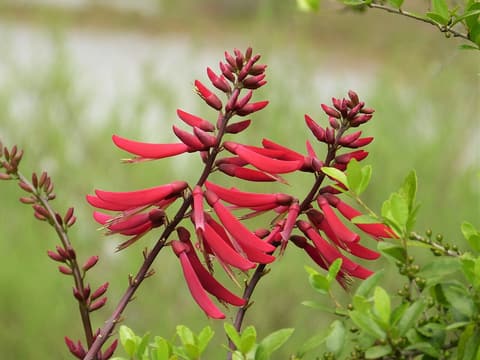
Spikes of scarlet, tubular flowers on bare stems in spring draw hummingbirds, followed by black pods that split to show red seeds.
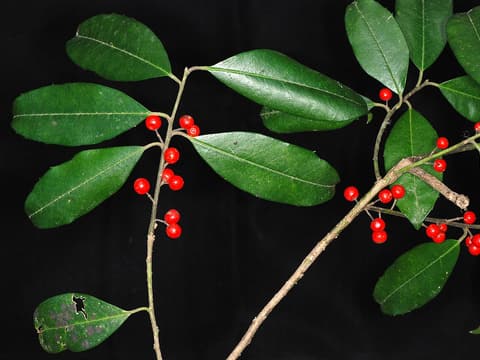
An evergreen holly of southern swamps with glossy, nearly spineless leaves and, on female trees, bright red berries through fall and winter.
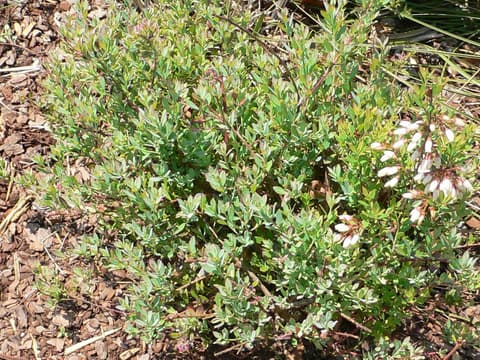
A low evergreen blueberry of Gulf Coast pine flatwoods, with tiny blue-green leaves under a silvery bloom, pink-tinged bells and edible blue berries.
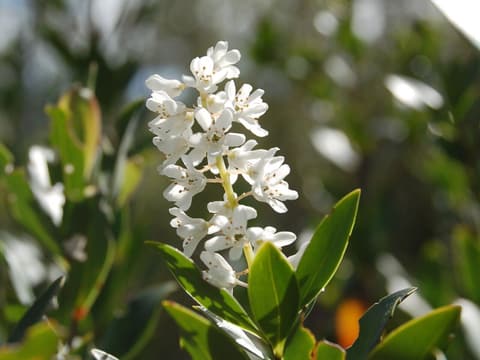
A native evergreen of the olive family for screens in sun or shade, with fragrant spring flowers and, on female trees, dark blue fruit for birds.
A knee-high live oak that spreads from underground stems into evergreen patches and can bear acorns just three years from seed.
A hardy palm for wet shade whose trunk stays underground, sending up evergreen fans up to 5 feet across and tall stalks of fragrant flowers.
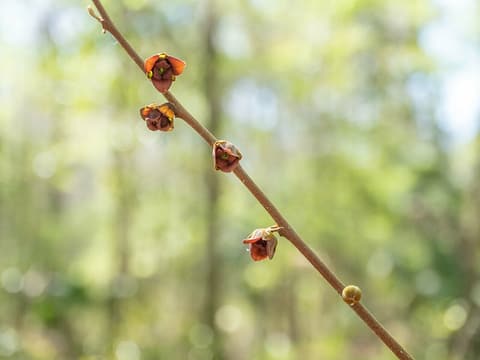
A pawpaw in miniature for dry southern woods, with maroon spring flowers, small sweet fruit and leaves that feed zebra swallowtail caterpillars.
The tree of the blueberry genus, with fragrant white bells in spring, glossy leaves that redden in fall and black berries that hang into winter.
A Florida pawpaw of sand ridges and scrub, with large lemon-scented white flowers from late winter and green fruit that people and wildlife eat.
A small, single-trunked southern plum that clouds over with white bloom before its leaves, then ripens tart to sweet purple plums for jelly and wildlife.
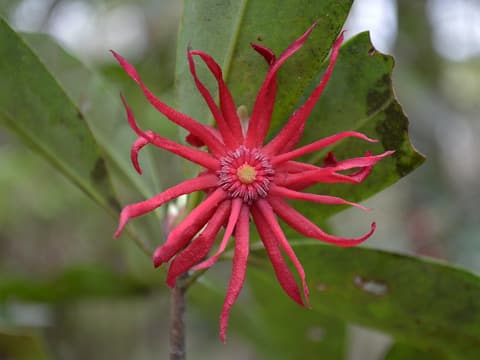
A fast-growing evergreen for shade and wet ground, with leaves that smell of anise when crushed and nodding, dark red spring flowers.
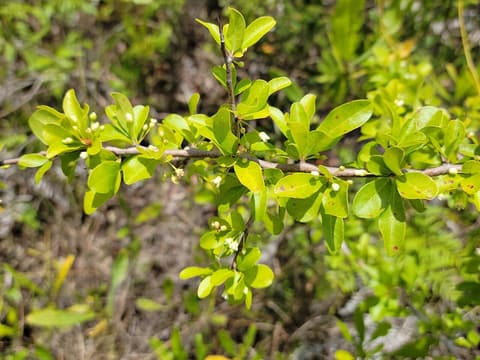
A thorny shrub of floodplain woods and wet pinelands in the Deep South, with tiny white spring flowers and small black berries that birds eat.
A tough native shrub of southeastern coasts that shrugs off salt wind and drought, with blue-black fruit that ripens early for songbirds.
A rare willow of Southern spring runs and wet, limy woods, with broad leaves glossy above and whitish beneath and catkins in late winter.
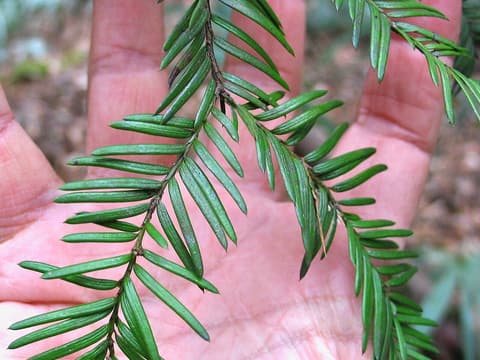
A rare yew of the Apalachicola River ravines, a bushy evergreen small tree for shade in warm Southern gardens, with red fruit on female trees.
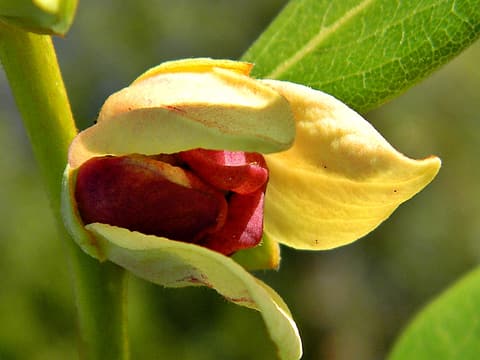
A rare pawpaw of Florida's coastal sand pine scrub, with nodding flowers that open cream and turn maroon, and fruit that smells of bananas.
A fast native shrub for salt spray and wet ground on the coast, whose female plants turn silvery in fall with plumed seeds.
A thorny native tree for dry, rocky ground, with fragrant white flowers in early summer and shiny black fruit that birds eat into winter.
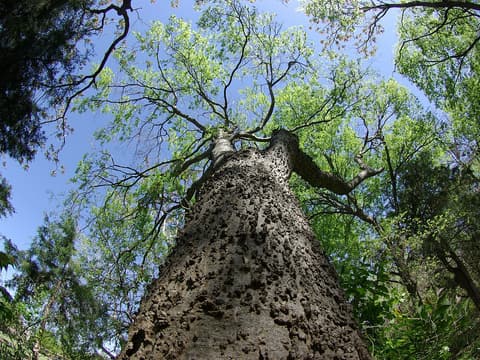
A spiny little tree of the southern coastal plain, its trunk studded with corky knobs, its leaves able to numb the tongue and feed giant swallowtails.
An evergreen holly with glossy, spineless leaves for hedges and screens on damp, acidic ground, and black berries all winter on female plants.
A fast, nearly evergreen red oak of southern sandhills and stream banks, whose glossy leaves hang on until the new ones open in spring.
A foot-high cousin of New Jersey tea for dry, sandy pinelands of the Deep South, with leaves under half an inch and white flower clusters in spring.
The evergreen oak of the southern coast, with a vast, low crown of sweeping limbs that stands salt spray and hurricanes and can live for centuries.
A thorny native hawthorn of southern swamps that flowers white in late winter and ripens tart red fruit in May, the fruit of mayhaw jelly.
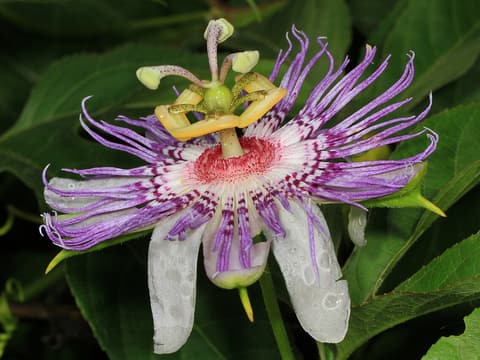
The hardiest native passionflower, a vine with fringed lavender flowers all summer and egg-sized fruits that pop when you step on them.
A deciduous holly of moist Appalachian slopes, with leaves up to 6 inches long and red fruit larger than most hollies bear, a favorite of birds.
A small-leaved evergreen holly of southern swamp edges, with thick, shiny leaves like a myrtle's and red berries that last into spring.
An evergreen oak of the southern coastal scrub, with small, glossy leaves the year round, that takes dry sand, salt wind and drought.
One of the hardiest palms, a trunkless clump of glossy fans up to 30 inches across, guarded at the base by long black needles.
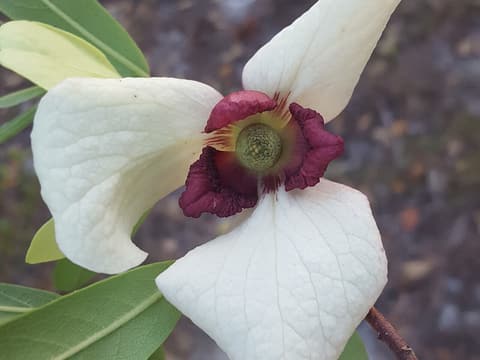
A low Florida pawpaw of flatwoods and scrub, with fragrant white flowers banded dark purple inside from winter into spring, and edible fruit.
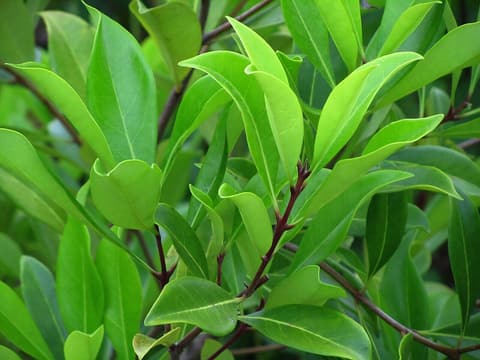
An evergreen bayberry of Gulf Coast swamps and bayheads whose leathery leaves, unlike those of other bayberries, have no scent when crushed.
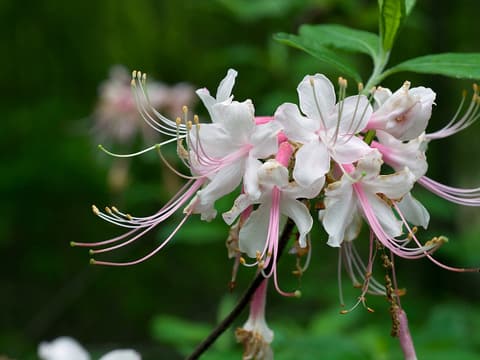
Fragrant pink flowers with long, upcurved stamens in early spring, from the most common wild azalea of the Southeast.
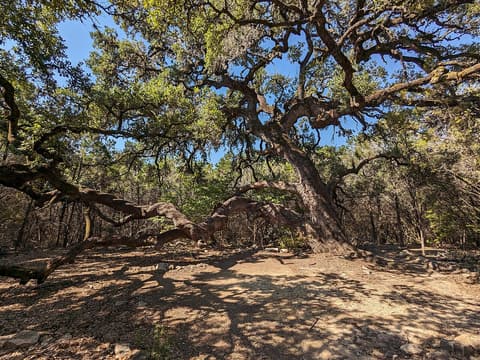
The common live oak of central Texas, green through the winter, with gnarled limbs that spread a great distance from a short trunk.
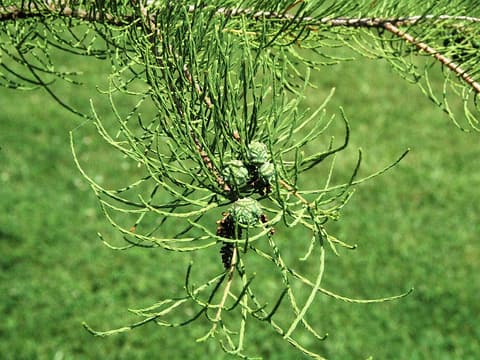
A slim cousin of bald cypress whose skyward shoots turn orange-brown in fall, at home in standing water or on a dry lawn.
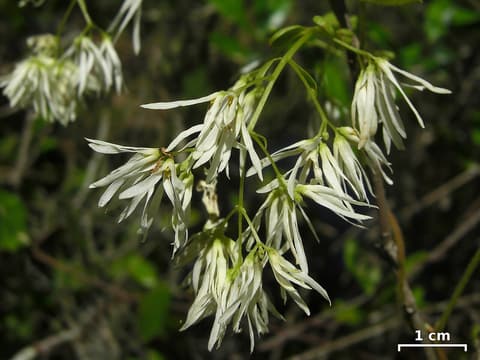
A rare dwarf fringetree from the sand ridges of central Florida, with showy clusters of fragrant white flowers in early spring and inch-long fruit.
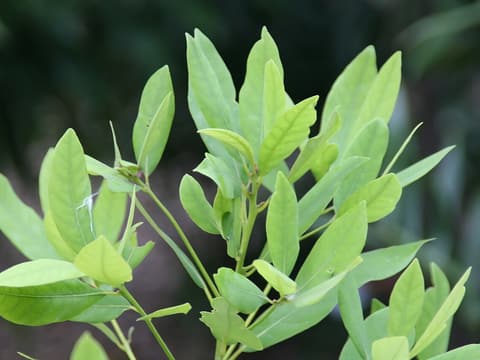
A spicy-leaved evergreen of the southern coast, with dark blue fruit for birds, now dying across much of its range from laurel wilt.
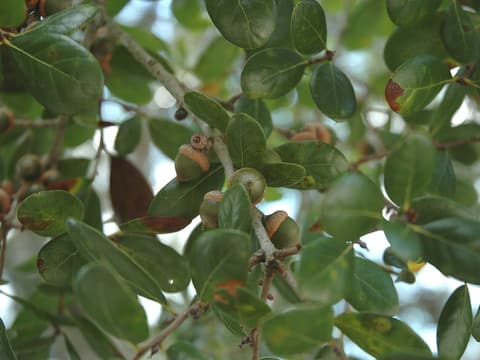
A smaller, tougher cousin of live oak for deep, dry sand, evergreen and wind-firm, with acorns that often hang in pairs.
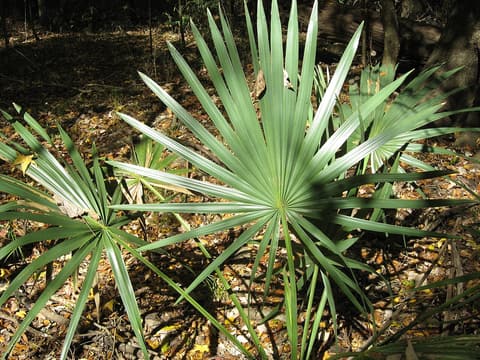
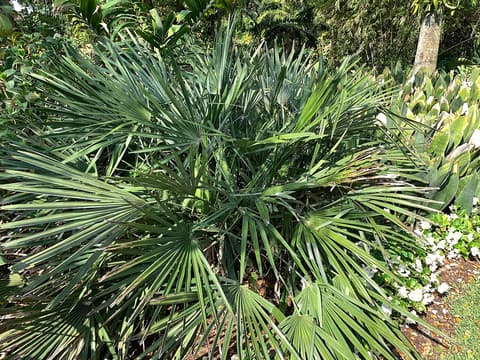
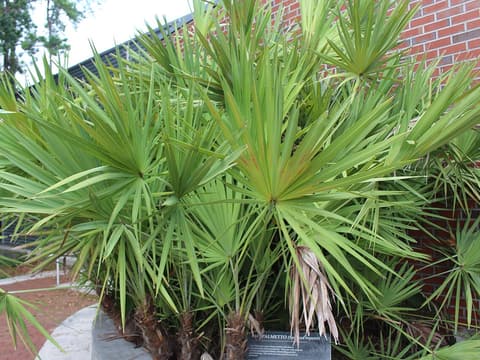
A low, creeping palm with stiff fans on saw-toothed stalks, fragrant flowers for bees and fruit for bears, deer and birds.
A tall, arching southern shrub that covers itself in big white four-petaled flowers in spring, easy in sun or part shade and tolerant of drought.
A small hickory of Florida's dry scrub sand, with sweet, hard-shelled nuts and rusty scales beneath its leaves.
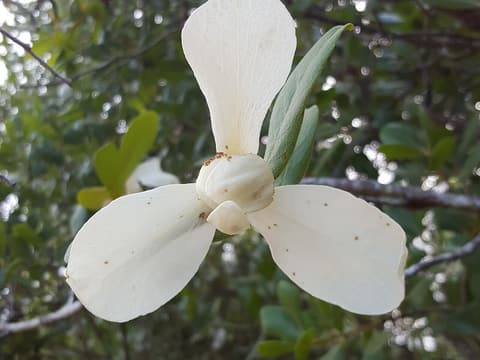
An evergreen shade tree with glossy leaves, often felted rusty brown beneath, and lemon-scented white flowers 8 to 12 inches across in late spring.
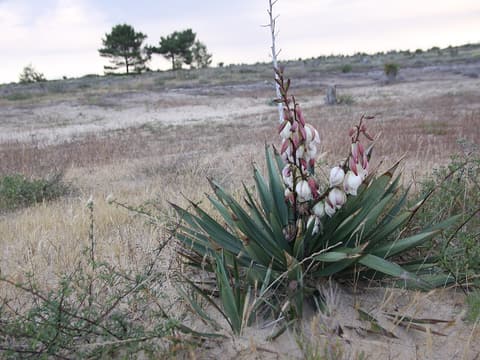
A coastal yucca whose sword-shaped leaves rise in time on a woody trunk, crowned by tall spikes of nodding, creamy white bells.
A thin, arching southern shrub of rocky bluffs and stream banks, with white spring flowers and leaves that are white and hairy beneath.
The hackberry of southern bottomlands, a fast shade tree for wet or dry ground, with warty gray bark and sweet fruit that birds eat into winter.
A fast red oak for wet southern ground, with glossy leaves that are often diamond-shaped and big acorn crops that turkeys and deer seek out.
Lemon-scented white flowers from May into summer, silver-backed leaves, and a love of wet ground.
A red oak of the limestone hills of central Texas and Oklahoma, with fall color from burgundy to scarlet on a tree small enough for a yard.
Fragrant white flower sprays in early summer and orange-red leaves in fall, on a thicket-forming shrub of southern swamps whose flowers give a dark honey.
A thorny small tree of dunes and scrub with leaves silky gold to copper beneath, fragrant flowers that swarm with pollinators, and fruit for birds.
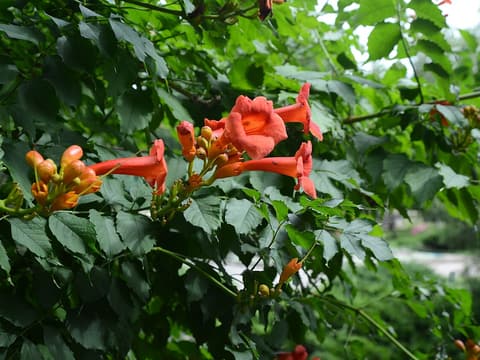
A fast native vine whose orange-red trumpets draw hummingbirds all summer, for a sturdy arbor or fence where its root suckers can be kept in check.
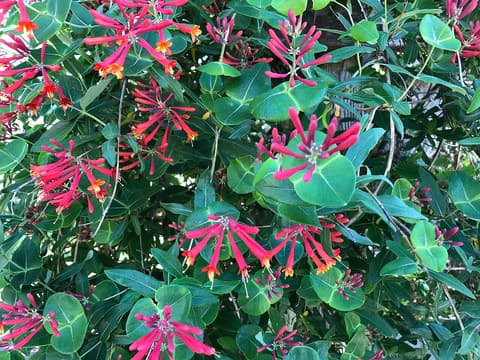
A native twining vine whose red trumpet flowers draw hummingbirds from spring into summer, followed by red berries for birds.
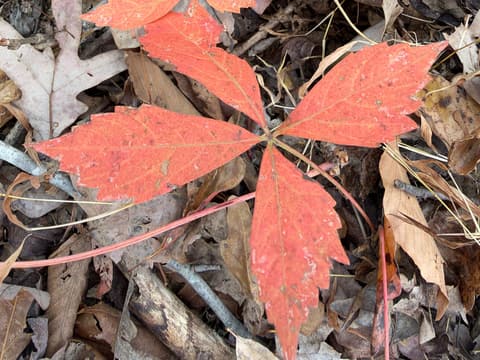
A fast native vine that climbs by sticky pads, turns crimson early in fall and feeds birds through the winter with blue-black berries.
A fast, dense southern viburnum with small, glossy leaves and clusters of white flowers that open in late winter.
A bottomland hickory for southern clay that floods in spring and can crack dry in summer, with bitter nuts that wood ducks and mallards swallow whole.
A thorny swamp cousin of honeylocust for floodplains that stay under water for long spells, with small, flat pods holding one to three seeds.
A long-lived tree of southern river swamps, with a bottle-shaped base, that stands in floodwater for months and feeds bees in spring.
A native evergreen holly for hedges and screens, with glossy leaves and, on female trees, red berries that birds take in late winter.
A rare Florida evergreen for shade and wet ground, with olive green leaves that smell of licorice when crushed and nodding pale yellow flowers.
A rare, shrubby tupelo found only in the Florida panhandle, with small leathery leaves, round black fruit and stems that sprout back after fire.
A rare deciduous holly of southern swamps and stream banks, with soft, dull leaves and velvety rose-red berries that last into spring.
A Florida Panhandle rarity for pond edges, with silvery bark that peels like a birch's and bright yellow flowers from May until frost.
Ask what is ready: put the first 12 on my request list.
The finder answers as you choose and has a height limit. The shop lists the same trees and shrubs, with a search box and a native state filter: see these in the shop.
The address follows your filters, so the link saves this list.
Narrow the list to 12 or fewer and we can email you when any of them is ready to order.
Be first
One email per plant you tick, when it is priced, and nothing else. Each carries a code for 10% off the plants in that order, not shipping or tax. Or ask, and we reply with what is ready now.
While you wait, ask what is ready now.
In the finder's list the best fit comes first: trees and shrubs whose pages list your sun and soil outright, then those that only tolerate them. Within each group, those with your zone in the middle of their range come before those at its edge.
No: the finder lists native trees and shrubs to plant, matched to your zone, size, sun and soil. To name a tree you found, use the tree identification tool, which names it from a photo of a leaf, the bark, a twig, fruit or a flower.
Set the finder's height limit to the room you have: it matches the top of each species' typical mature height. Our article on small trees for a small yard says how far each one goes from a house.
Within 15 feet of the wires, the International Society of Arboriculture says a tree should mature at 20 feet or lower. Virginia Cooperative Extension allows trees to 25 feet within 20 feet of the wires, and suggests large shrubs under 15 feet directly under them.
Divide the hedge's length by the spacing, round down and add one, since a straight row has one at each end: a 40-foot hedge at 4 feet apart takes 11. On its Hedge or screen list, the finder gives each species the spacing its own page sets.
The address carries every choice, so a copied link opens the same list. The page draws that list before any script runs, so a shared link and the page's Markdown copy show the trees and shrubs themselves. These are its keys:
Each tree's facts come from its own page: its zones, mature height, sun, soil, labels and hedge spacing. The 20 and 40 ft height steps are the International Society of Arboriculture's zones by overhead wires (Avoiding Tree & Utility Conflicts (PDF), 2021). Within 15 feet of distribution wires, the species chosen "should have a mature height of 20 feet (6 meters) or lower". From 15 to 50 feet out, it should have "a potential mature height of 40 feet (12 meters) or lower". The planting-site check follows the same zones. The 30 ft step is the small-tree ceiling the growth estimator uses for its generic small tree. Virginia Cooperative Extension draws the low zone wider, to 20 feet from the line, where "trees in the low zone should not exceed 25 feet at maturity" (Selecting and Managing Trees to Avoid Conflicts with Overhead Utility Lines, 2024). Under the line itself it suggests large shrubs with "a mature height of less than 15 feet", the limit's first step. A ZIP code's zone is the 2023 USDA Plant Hardiness Zone Map's ZIP code listing, prepared by the PRISM Climate Group at Oregon State University.
When nothing fits, the site is usually the problem rather than the catalog: tell us the zone, soil, sun and what the tree needs to do, and we will suggest something.
The address carries the tree finder's inputs, so a link opens it filled in, and Copy link on a result writes one: zone (a whole number from 2 to 10), size (shrub, small-tree, medium-tree or large-tree), height (a mature height to stay under: 15, 20, 30, 40 or 60 feet, or 60-plus), sun (full, part or shade), moisture (dry, average or wet), want (one or more of flowers, fall-color, winter-interest, wildlife, honey, edible, evergreen, rare, early-bearing, screening, nitrogen-fixing, salt, street-tree, erosion-control, shade, wet-tolerant or drought, joined by commas), hedge (a hedge or screen length in feet, for a plant count), sort (featured, name, price-asc, price-desc, height, hardy or fast), compare (the slugs of the plants to compare, joined by commas). For example, /tools/tree-finder/?zone=6&size=small-tree&sun=part&moisture=average&want=fall-color.