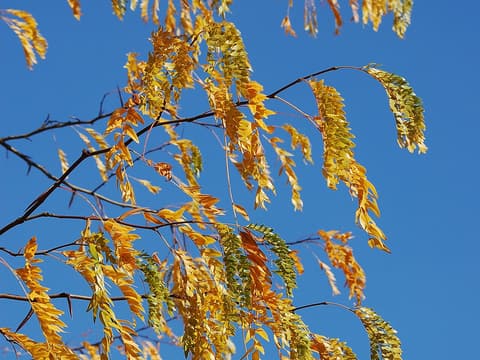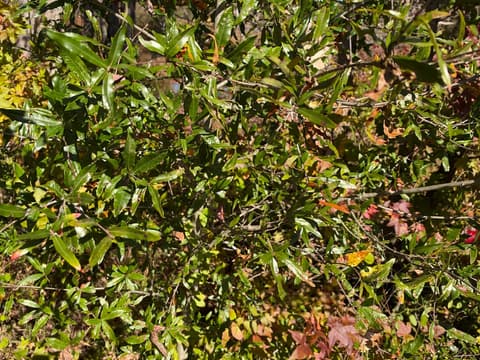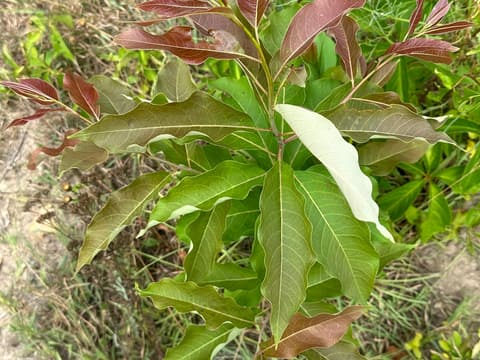
American Persimmon
Diospyros virginianaMedium treeZones 4–935–60 ft
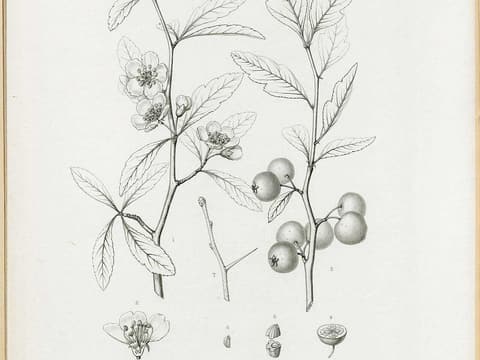
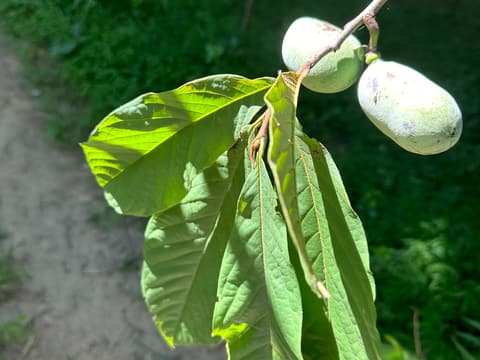
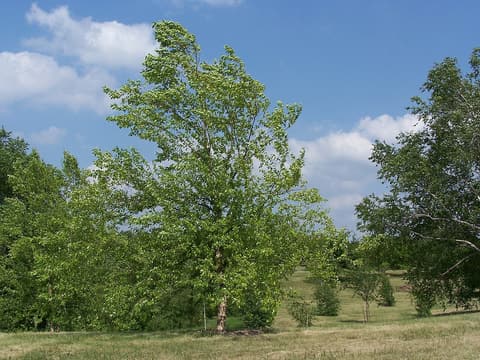
Sweet orange fruit after frost, blocky alligator bark and a tree that grows nearly anywhere.
Find the right native tree or shrub for your site by filtering on USDA hardiness zone, mature size, sun, soil moisture and what you want from each species. The list narrows as you set each filter. Every result is a tree or shrub we grow from seed, so anything it shows can be requested now and ordered once it is priced.
Best fits first: those that list your soil outright, then those that only tolerate it.
Still a long list. or set a height limit.
Want one of these? Email me when it is ready to order. Notify me
Sweet orange fruit after frost, blocky alligator bark and a tree that grows nearly anywhere.
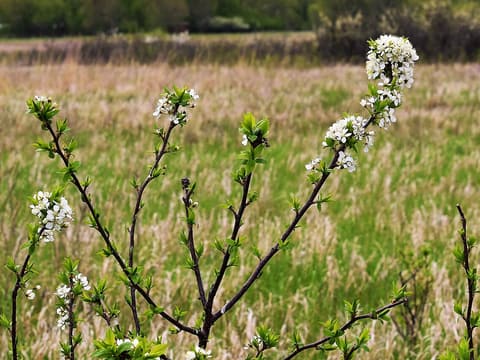
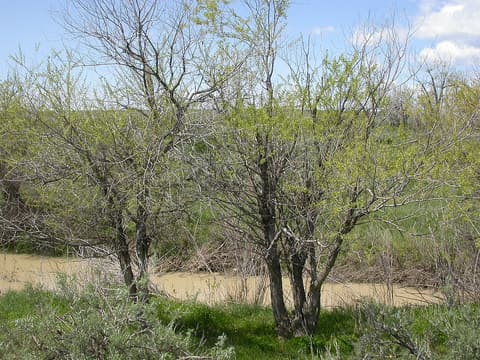
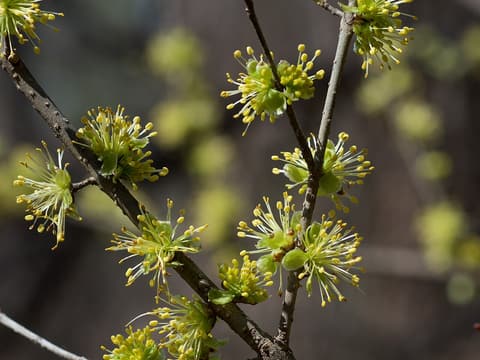
A thicket-forming wild plum for dry banks and wet ground alike, with fragrant white spring bloom and tart red-yellow fruit for jelly and wildlife.
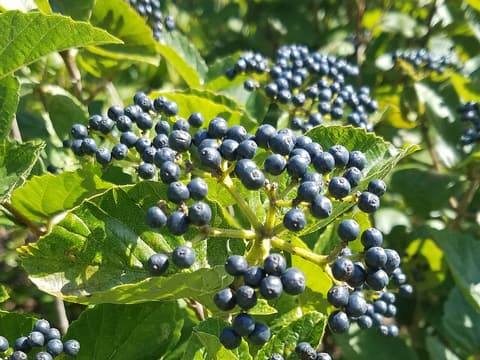
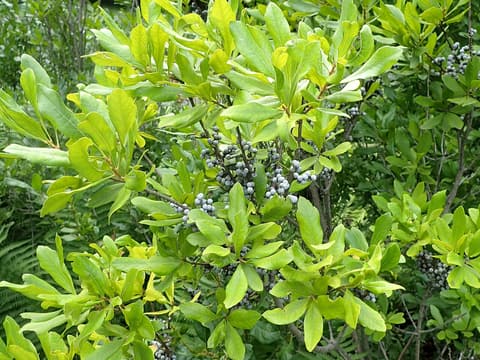
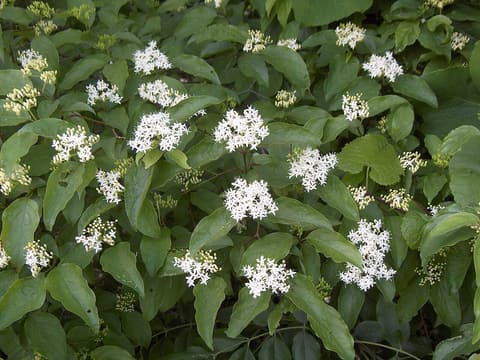
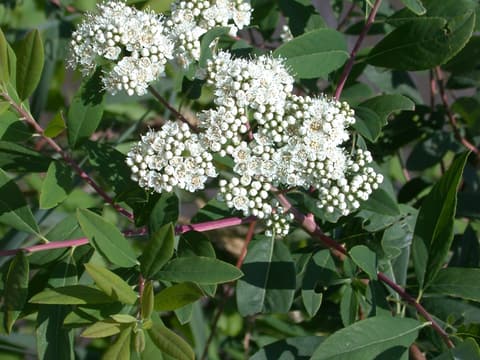
Blue-black berries nearly half fat by dry weight ripen from August for robins, bluebirds and catbirds, after flat white flower heads in May for the bees.
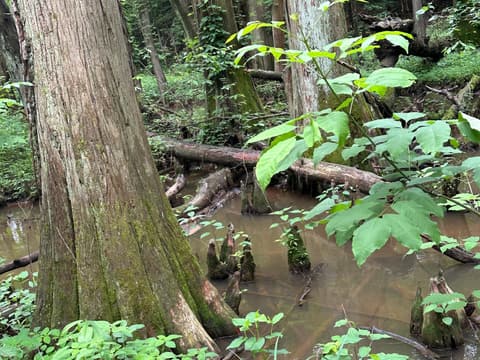
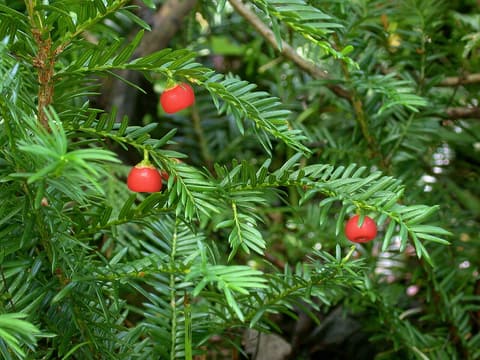
The swamp conifer that also thrives on dry lawns, with feathery foliage that turns rust-orange in fall.
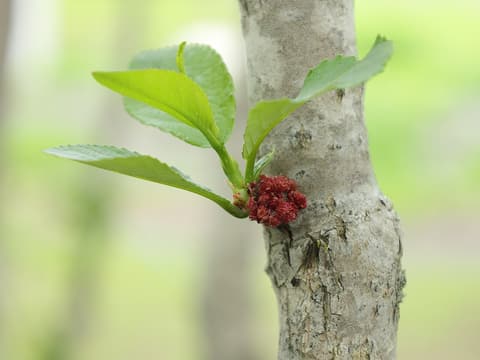
The northernmost American hardwood, a fast poplar for wet ground whose sticky spring buds fill the air with the scent of balm of Gilead.
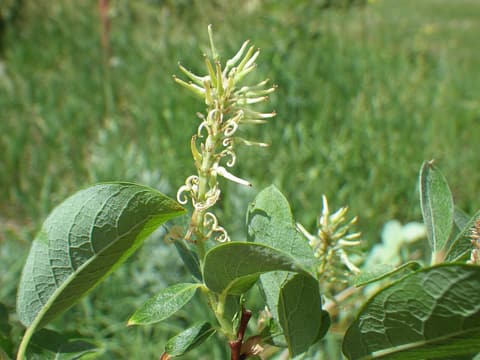
A northern willow of streams and wet meadows, the main source of carved diamond willow, with spring catkins and twigs that moose and deer browse.
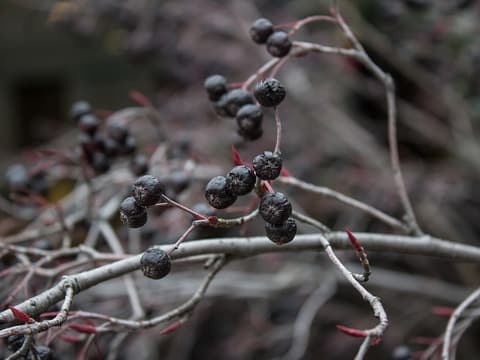
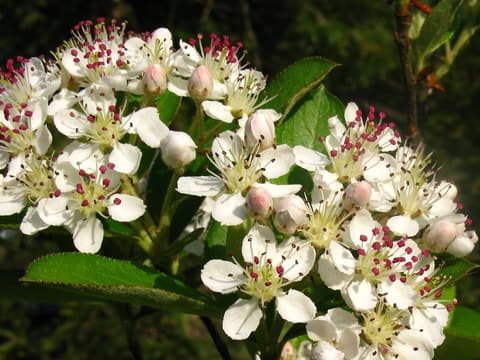
White spring flowers, glossy black antioxidant-rich berries and some of the best red fall color of any shrub.
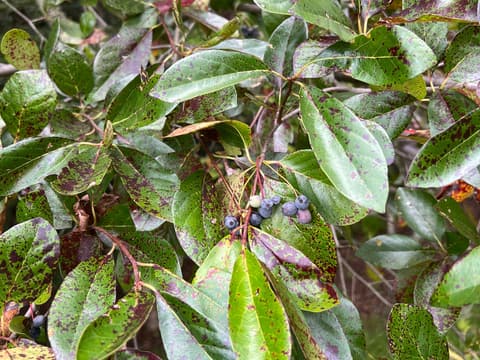
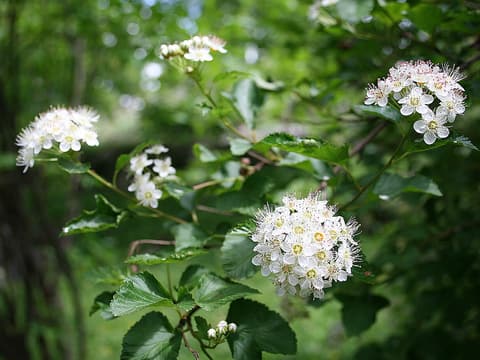
Broad white flower plates in June, purple-black berries in August, and a magnet for dozens of bird species.
Blazing scarlet fall color, superb bee forage, and one of the longest-lived hardwoods in the East.
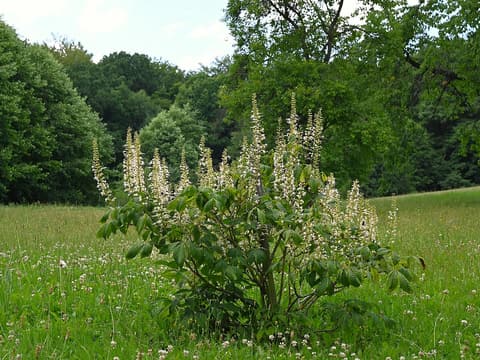
A shade shrub that spreads into a broad mound and lifts white flower spikes up to a foot long in early summer, when few other shrubs bloom.
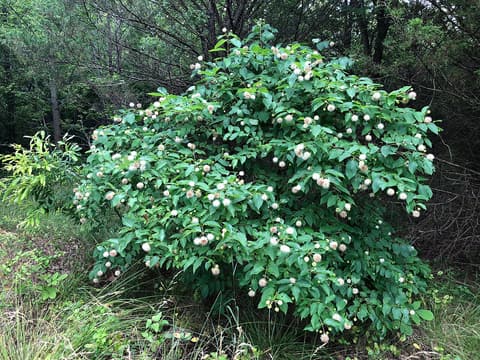
A wetland shrub for pond edges and rain gardens, with round white pincushion flowers in summer that draw bees, butterflies and hummingbirds.
A low, sprawling evergreen for deep shade whose branches root as they spread, with bright red, berry-like fruit that birds eat.
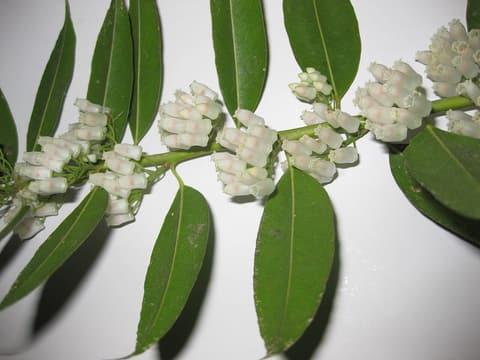
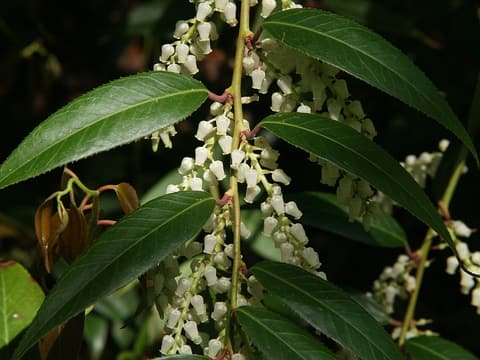
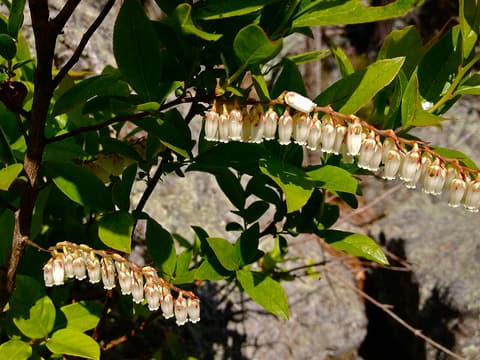
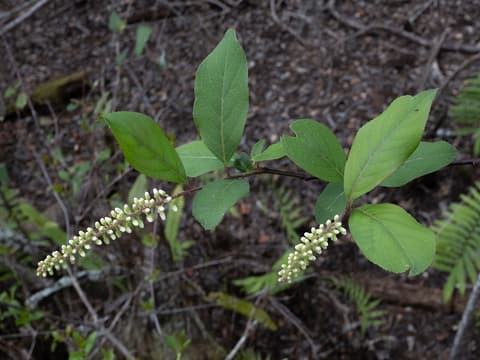
A tall evergreen for shady stream banks, with arching stems, red new leaves and fragrant white bells hanging beneath the branches in spring.
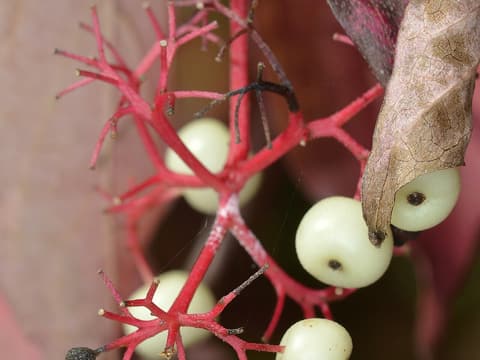
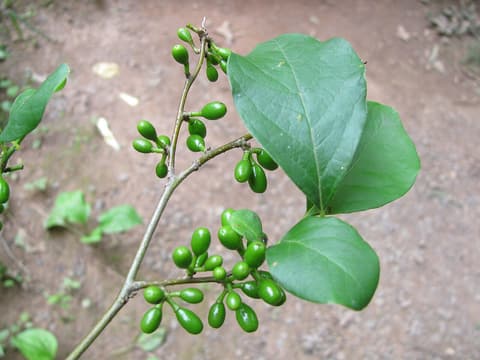
White berries on red stalks, about a third fat, feed migrating warblers and sparrows in September. A thicket shrub for dry or wet ground, sun or shade.
The alder of the far North, a spreading, nitrogen-fixing shrub for stream banks and poor, gravelly ground, with catkins that open with the leaves.
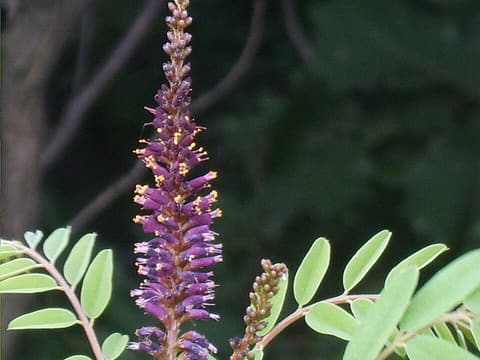
Purple flower spikes with orange stamens in June, on a nitrogen-fixing shrub for streambanks and hot dry edges.
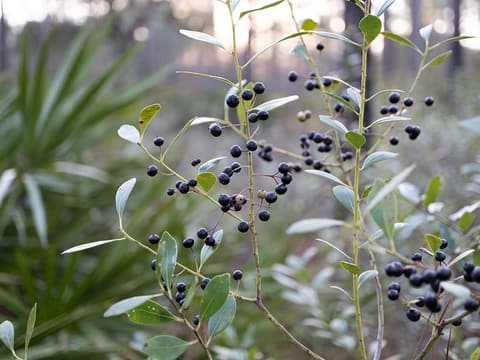
An evergreen holly with glossy, spineless leaves for hedges and screens on damp, acid ground, and black berries all winter on female plants.
A thorny native hawthorn of southern swamps that flowers white in late winter and ripens tart red fruit in May, the fruit of mayhaw jelly.
Arching evergreen stems hung with sprays of waxy white bells in spring, from the thicket shrub of southern Appalachian stream banks.
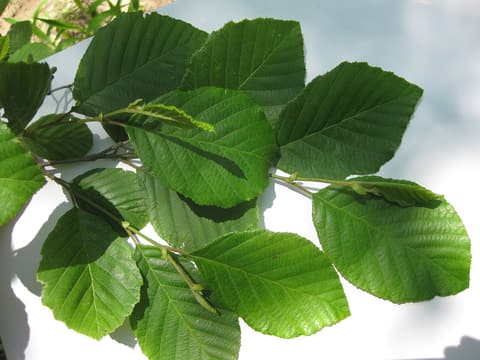
Peeling bark, white flower balls in June, and a constitution that shrugs off drought, flood and cold.
Waxy gray berries hold above the snow all winter for yellow-rumped warblers, tree swallows and quail. A salt-tolerant shrub that fixes its own nitrogen.
The largest native fruit in North America, custard-sweet and tropical, on an understory tree of rich bottomlands.
The tallest native willow of the prairie states, a fast tree for stream banks and wet ground with peach-like leaves that are whitish beneath.
A tall, suckering shrub of bogs and swamps with white spring flowers, glossy red fruit that hangs into winter and blazing red fall leaves.
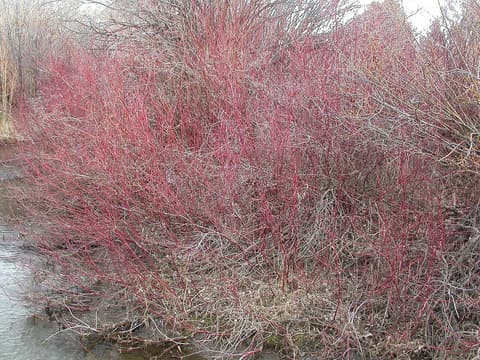
A fast, thicket-forming shrub of wet ground whose young stems turn bright red after the leaves fall and glow against snow all winter.
A fast birch for wet ground and southern heat, with salmon to cinnamon bark that peels in papery curls and shows all winter.
A fast thicket dogwood for dry or wet ground, with creamy flowers in late spring and white berries that dozens of kinds of birds eat.
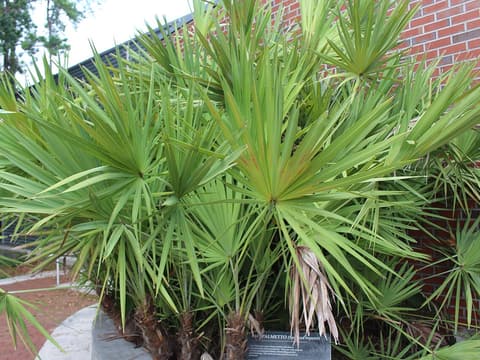
A low, creeping palm with stiff fans on saw-toothed stalks, fragrant flowers for bees and fruit for bears, deer and birds.
Creamy flower clusters in June, porcelain-blue berries in September and purple-red winter stems for wet spots.
A nitrogen-fixing streambank shrub that holds soil, feeds woodcock and grouse, and thrives in standing water.
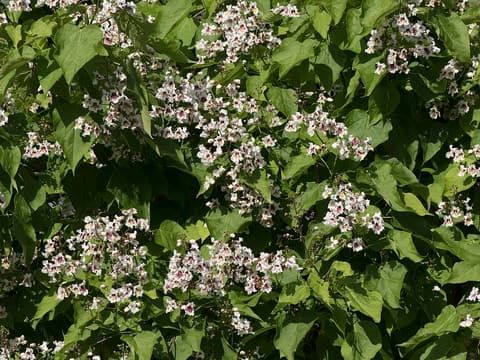
Upright clusters of white flowers spotted purple and yellow in May and June, then long bean-like pods, on the fast-growing catalpa native to the Gulf states.
Yellow flowers in March, spicy-scented leaves, red berries for thrushes and the host plant of the spicebush swallowtail.
Arching sprays of white bell flowers in May on a deciduous heath shrub for wet, acid ground in sun or part shade.
A native of swamps and wet woods whose yellow flowers open on bare branches in early spring, followed on female trees by purple fruit that ducks eat.
Spires of intensely fragrant white flowers in August, when almost nothing else is blooming, and bees know it.
A rare Appalachian streambank shrub with arching stems and flat clusters of tiny cream-white flowers in early summer, spreading into thickets.
Fragrant white flower spikes in June, red and gold fall leaves that hang on into winter, and roots that are happy in wet ground.
A thorny swamp cousin of honeylocust for floodplains that stay under water for long spells, with small, flat pods holding one to three seeds.
A fast, long-lived red oak with narrow leaves like a willow's, for moist ground and city streets, that bears small acorns nearly every year.
Ask what is ready: put the first 12 on my request list.
Narrow the list to 12 or fewer and we can email you when any of them is ready to order.
Be first
One email per plant you tick, when it is priced, and nothing else. Each carries a code for 10% off the plants in that order, not shipping or tax. Or ask, and we reply with what is ready now.
While you wait, ask what is ready now.
In the finder's list the best fit comes first: trees and shrubs whose pages list your sun and soil outright, then those that only tolerate them. Within each group, those with your zone in the middle of their range come before those at its edge.
No: the finder lists native trees and shrubs to plant, matched to your zone, size, sun and soil. To name a tree you found, our articles on what a tree dropped and on telling trees apart in winter can help.
Set the finder's height limit to the room you have: it matches the top of each species' typical mature height. Our article on small trees for a small yard says how far each one goes from a house.
Within 15 feet of the wires, the International Society of Arboriculture says a tree should mature at 20 feet or lower. Virginia Cooperative Extension allows trees to 25 feet within 20 feet of the wires, and suggests large shrubs under 15 feet directly under them.
Divide the hedge's length by the spacing, round down and add one, since a straight row has one at each end: a 40-foot hedge at 4 feet apart takes 11. On its Hedge or screen list, the finder gives each species the spacing its own page sets.
The address carries every choice, so a copied link opens the same list. The page draws that list before any script runs, so a shared link and the page's Markdown copy show the trees and shrubs themselves. These are its keys:
Each tree's facts come from its own page: its zones, mature height, sun, soil, labels and hedge spacing. The 20 and 40 ft height steps are the International Society of Arboriculture's zones by overhead wires (Avoiding Tree & Utility Conflicts, 2021). Within 15 feet of distribution wires, the species chosen "should have a mature height of 20 feet (6 meters) or lower". From 15 to 50 feet out, it should have "a potential mature height of 40 feet (12 meters) or lower". The planting-site check follows the same zones. The 30 ft step is the small-tree ceiling the growth estimator uses for its generic small tree. Virginia Cooperative Extension draws the low zone wider, to 20 feet from the line, where "trees in the low zone should not exceed 25 feet at maturity" (Selecting and Managing Trees to Avoid Conflicts with Overhead Utility Lines, 2024). Under the line itself it suggests large shrubs with "a mature height of less than 15 feet", the limit's first step. A ZIP code's zone is the 2023 USDA Plant Hardiness Zone Map's ZIP code listing, prepared by the PRISM Climate Group at Oregon State University.
When nothing fits, the site is usually the problem rather than the catalog: tell us the zone, soil, sun and what the tree needs to do, and we will suggest something.
The address carries the tree finder's inputs, so a link opens it filled in, and Copy link on a result writes one: zone (a whole number from 2 to 10), size (shrub, small-tree, medium-tree or large-tree), height (a mature height to stay under: 15, 20, 30, 40 or 60 feet, or 60-plus), sun (full, part or shade), moisture (dry, average or wet), want (one or more of flowers, fall-color, winter-interest, wildlife, honey, edible, evergreen, rare, early-bearing, screening, nitrogen-fixing, salt, street-tree, erosion-control, shade, wet-tolerant or drought, joined by commas), hedge (a hedge or screen length in feet, for a plant count), sort (featured, name, price-asc, price-desc, height, hardy or fast), compare (the slugs of the plants to compare, joined by commas). For example, /tools/tree-finder/?zone=6&size=small-tree&sun=part&moisture=average&want=fall-color.