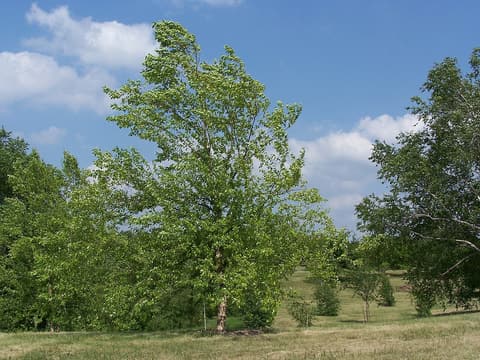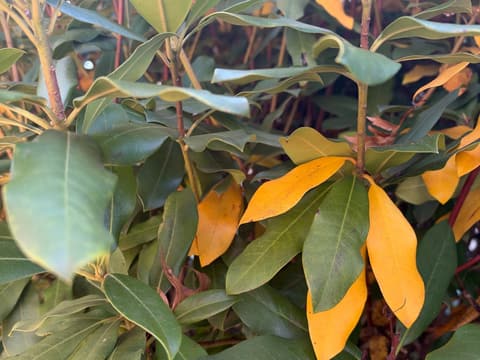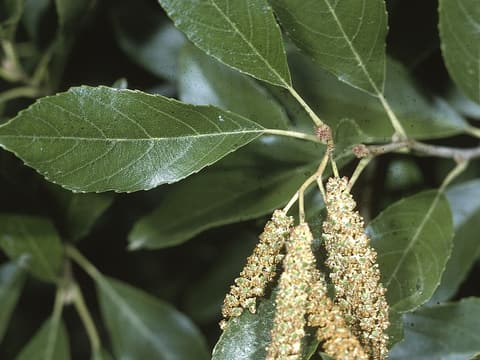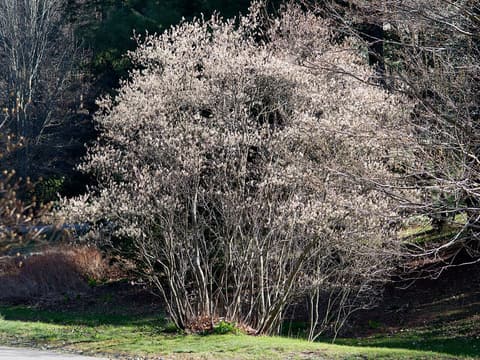
American Elm
Ulmus americanaLarge treeZones 2–960–80 ft
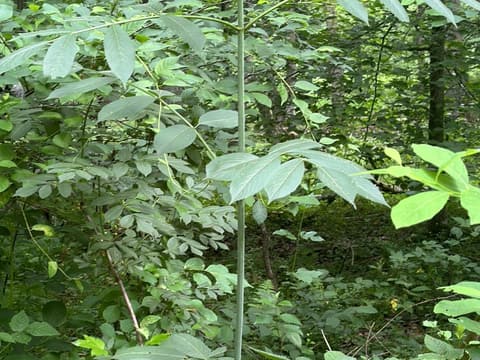
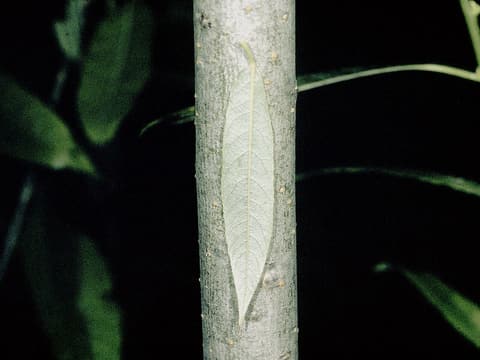
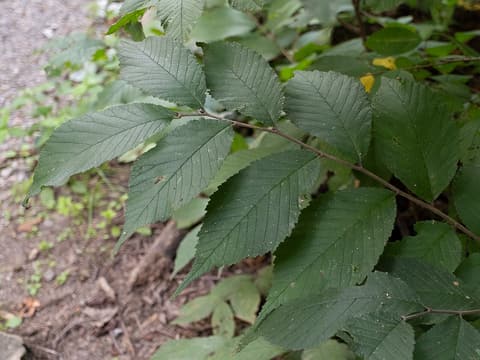
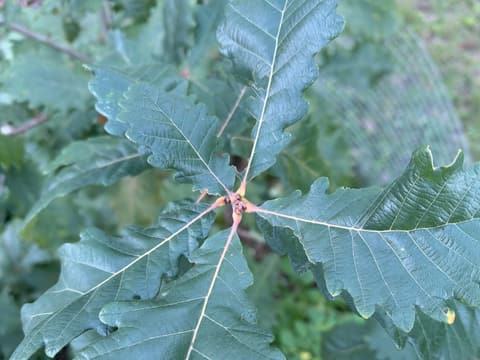
The great vase-shaped elm of old American streets, a fast shade tree for wet or dry ground, now best planted alone among trees of other kinds.
Find the right native tree or shrub for your site by filtering on USDA hardiness zone, mature size, sun, soil moisture and what you want from each species. The list narrows as you set each filter. Every result is a tree or shrub we grow from seed, so anything it shows can be requested now and ordered once it is priced.
Best fits first: those that list your soil outright, then those that only tolerate it.
Still a long list. or set a height limit.
Want one of these? Email me when it is ready to order. Notify me
The great vase-shaped elm of old American streets, a fast shade tree for wet or dry ground, now best planted alone among trees of other kinds.
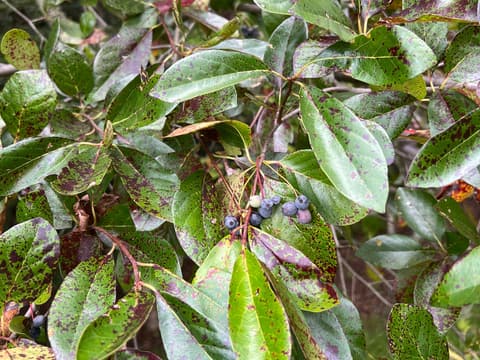
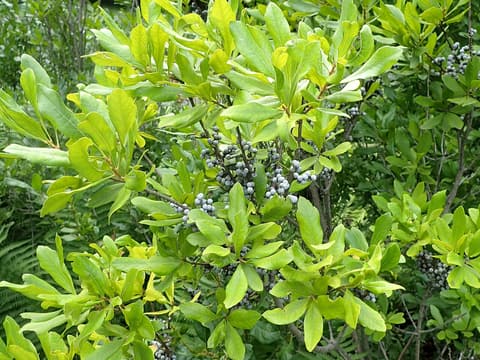
Blue-black berries nearly half fat by dry weight ripen from August for robins, bluebirds and catbirds, after flat white flower heads in May for the bees.
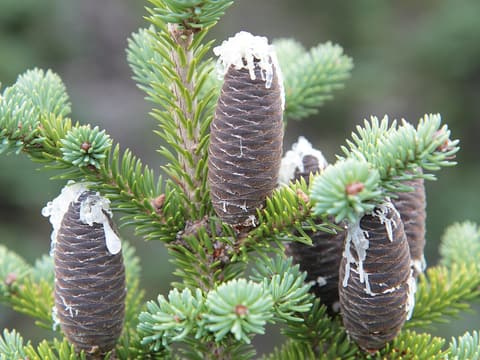
The fragrant Christmas-tree fir of the North Woods, with flat, dark needles of strong balsam scent, upright purple cones and a narrow spire of a crown.
The northernmost American hardwood, a fast poplar for wet ground whose sticky spring buds fill the air with the scent of balm of Gilead.
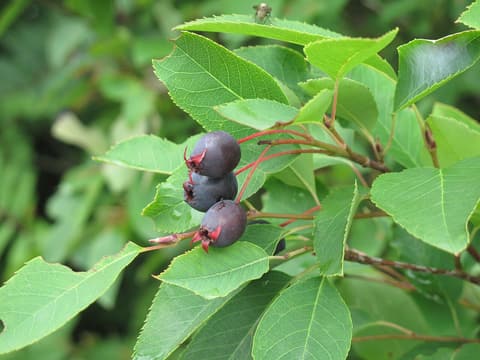
The most northern of the eastern serviceberries, a low shrub of cool bogs and mountain woods with white flowers and pear-shaped purple fruit.
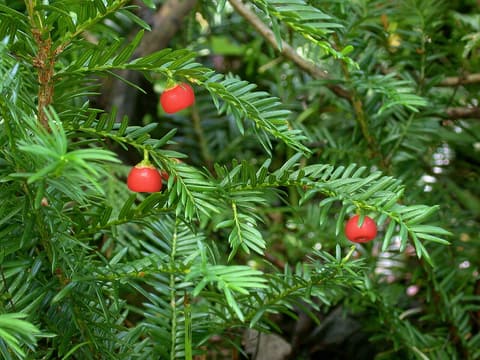
A low, sprawling evergreen for deep shade whose branches root as they spread, with bright red, berry-like fruit that birds eat.
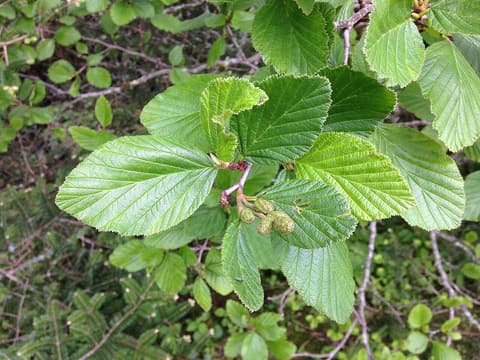
The alder of the far North, a spreading, nitrogen-fixing shrub for stream banks and poor, gravelly ground, with catkins that open with the leaves.
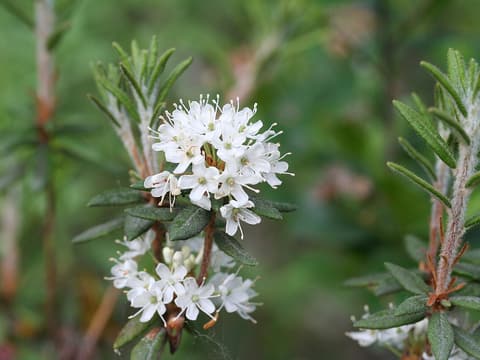
A low evergreen shrub of northern bogs, with rounded clusters of small white flowers and leathery, fragrant leaves felted rusty beneath.
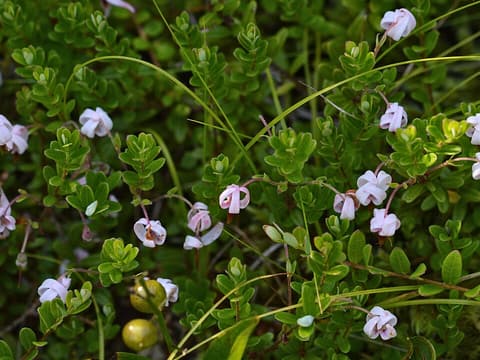
A low evergreen mat of wiry runners, with pink crane-like flowers in early summer and red fall berries, the wild parent of the cultivated cranberry.
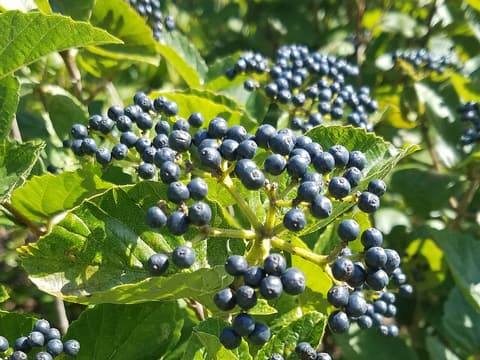
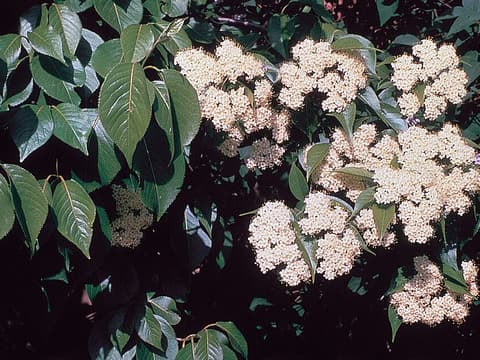
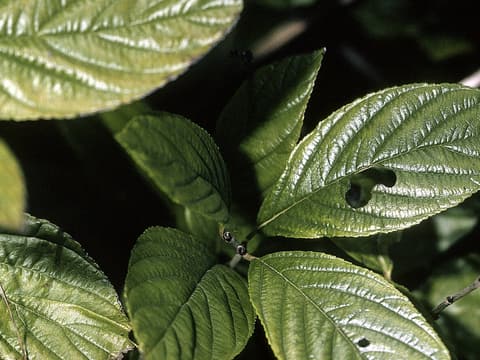
A big, adaptable viburnum with creamy flowers, edible blue-black fruit and wine-red fall color.
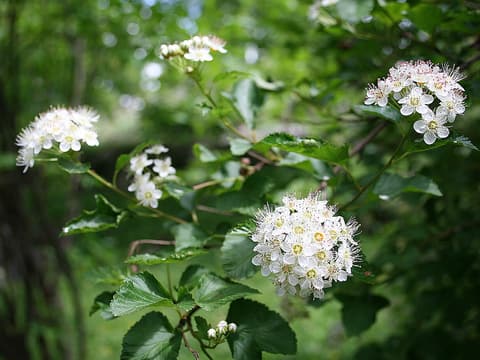
Peeling bark, white flower balls in June, and a constitution that shrugs off drought, flood and cold.
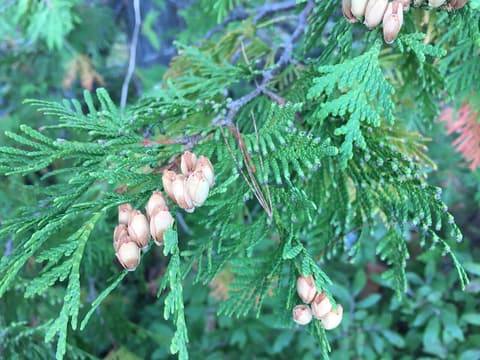
The wild arborvitae, a narrow, fragrant evergreen of northern cedar swamps and limestone cliffs that makes a dense screen.
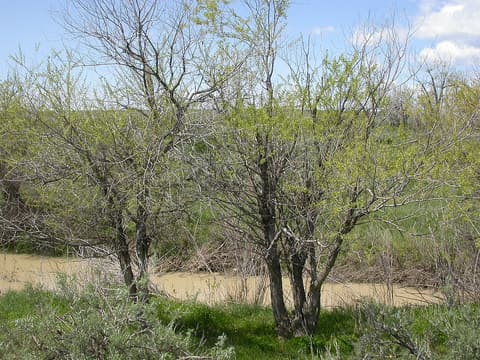
The tallest native willow of the prairie states, a fast tree for stream banks and wet ground with peach-like leaves that are whitish beneath.
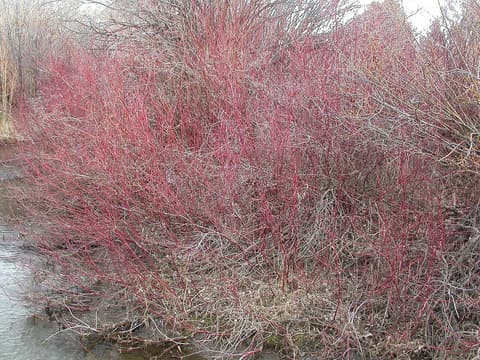
A fast, thicket-forming shrub of wet ground whose young stems turn bright red after the leaves fall and glow against snow all winter.
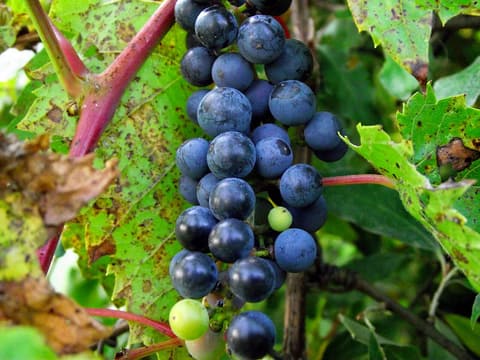
A hardy native grape vine that climbs by tendrils along streams and fences, with fragrant spring flowers and tart blue-black grapes for birds and jelly.
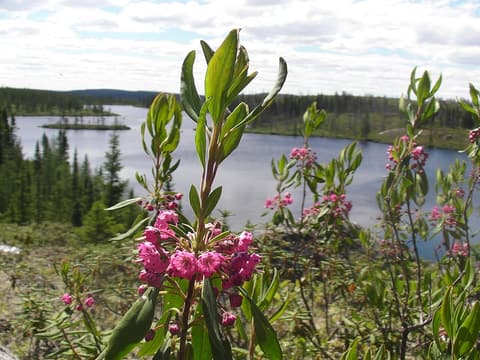
A low evergreen shrub of northern bogs and barrens, with rose-pink flowers ringing the stems in early summer. Every part is poisonous to livestock.
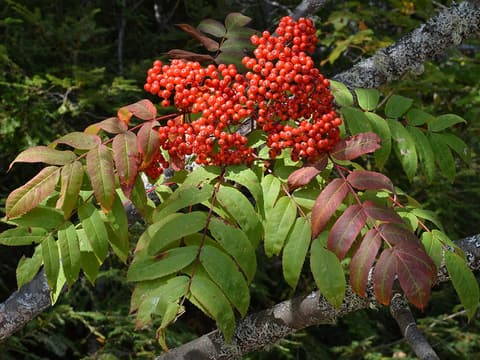
A small tree of the far North, with flat clusters of white flowers and heavy bunches of scarlet berries that bend the branches and feed birds.
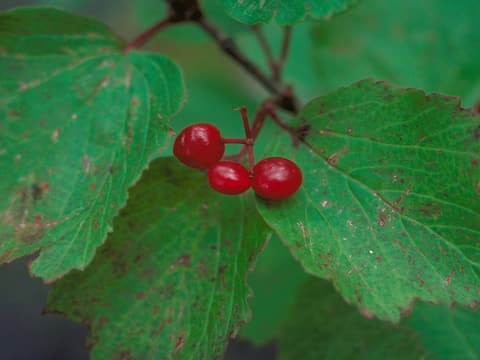
A northern viburnum with lobed leaves that turn brilliant red in fall and sour red fruit for jam, for cool, moist woods and stream banks.
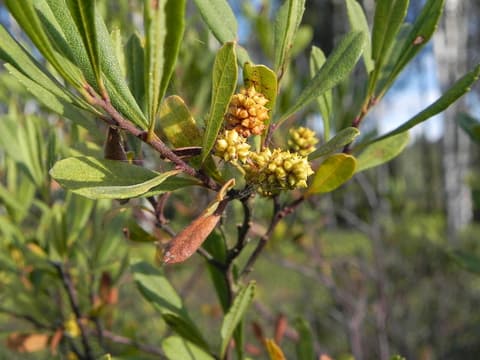
A fragrant shrub of northern bogs and lake shores, with resin-dotted leaves that smell sweet when crushed and roots that fix their own nitrogen.
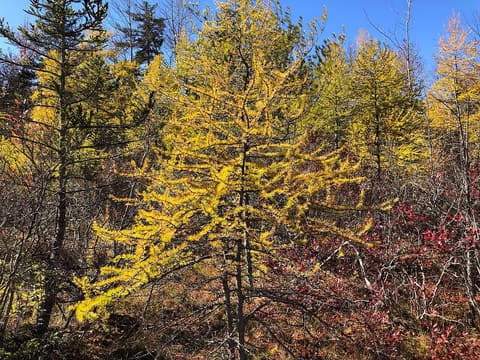
A conifer that turns gold and drops its needles each fall, the fastest-growing native conifer of northern bogs and wet ground.
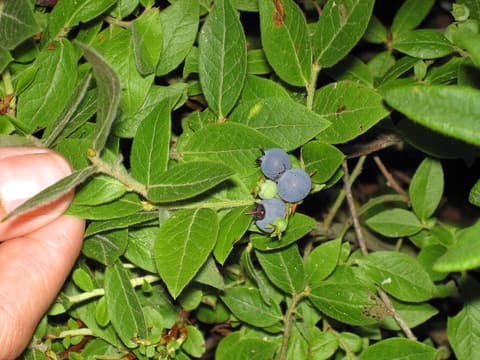
A low wild blueberry of the North with softly hairy leaves that turn red in fall and sweet, tart blue berries from July into September.
A low native buckthorn of fens, swamps and wet thickets, with alder-like leaves and black fruit for birds, at home in cold, limy wetlands.
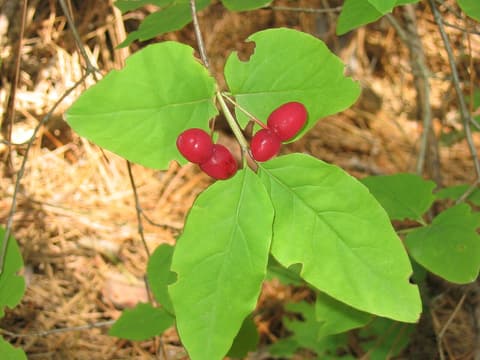
A native woodland honeysuckle of moist northern and mountain forests, with yellow flowers in pairs and twin red berries for birds.
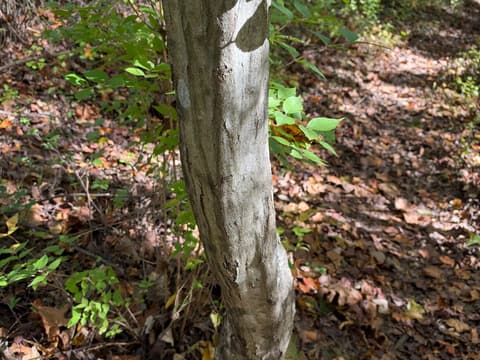
Smooth, sinewy gray trunks, orange-red fall color and complete comfort in shade and damp soil.
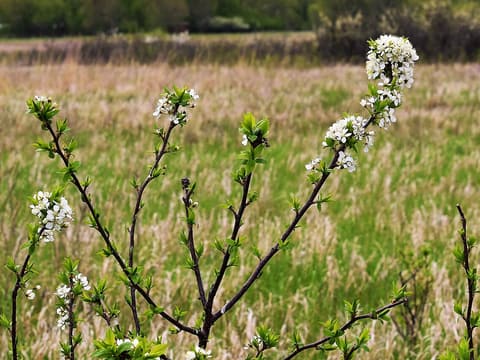
A thicket-forming wild plum for dry banks and wet ground alike, with fragrant white spring bloom and tart red-yellow fruit for jelly and wildlife.
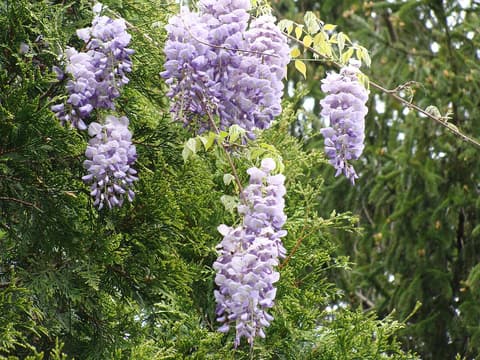
A native wisteria whose purple flower clusters open after its leaves unfold, much tamer than the invasive Asian wisterias it resembles.
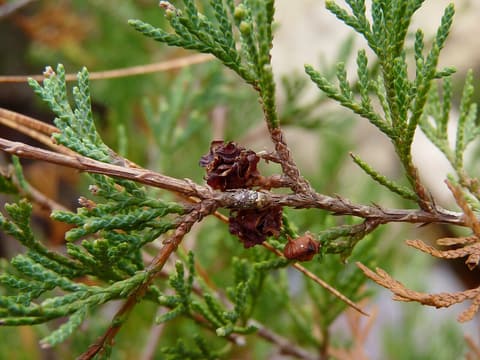
The only false cypress native to the eastern states, a narrow blue-green evergreen of coastal bogs that makes a year-round screen on wet, acidic ground.
A northern willow of streams and wet meadows, the main source of carved diamond willow, with spring catkins and twigs that moose and deer browse.
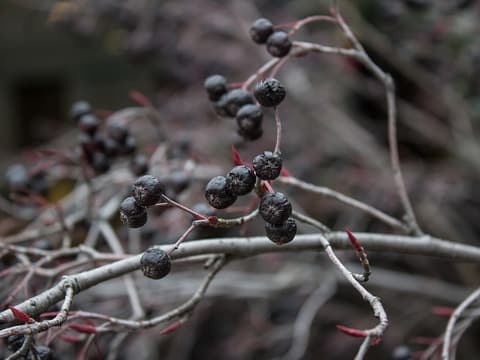
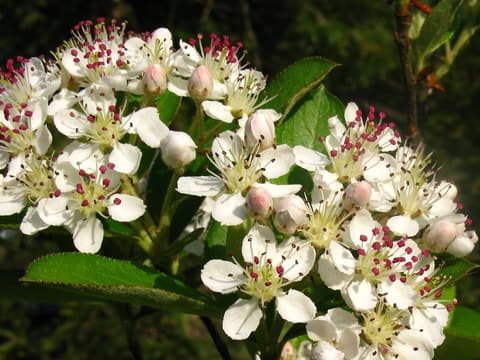
White spring flowers, glossy black antioxidant-rich berries and some of the best red fall color of any shrub.
Broad white flower plates in June, purple-black berries in August, and a magnet for dozens of bird species.
Blazing scarlet fall color, superb bee forage, and one of the longest-lived hardwoods in the East.
Drooping white bell flowers in May and papery inflated seed pods that rattle in the fall wind.
A deciduous holly of northern bogs and lakeshores, with red summer berries on thread-like stalks and leaves that feed Columbia silkmoth caterpillars.
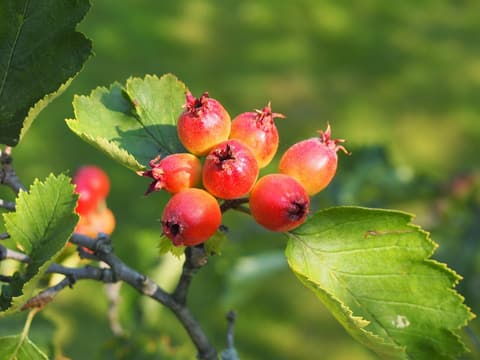
Missouri's state flower, a broad native hawthorn that blooms early in spring, with soft, downy leaves and red haws up to an inch across.
Tiny yellow flowers in the first week of spring, on a rare, slow shade shrub with bark you can tie in knots.
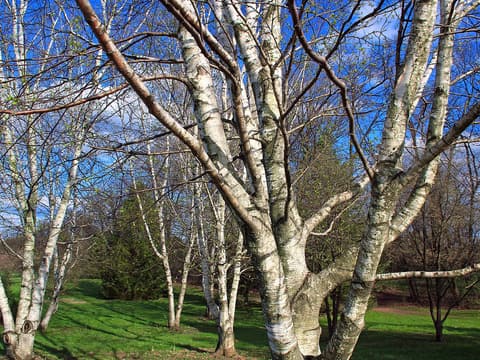
A fast, small birch with chalky white bark that does not peel, often growing as a clump of slender trunks on poor, sandy ground.
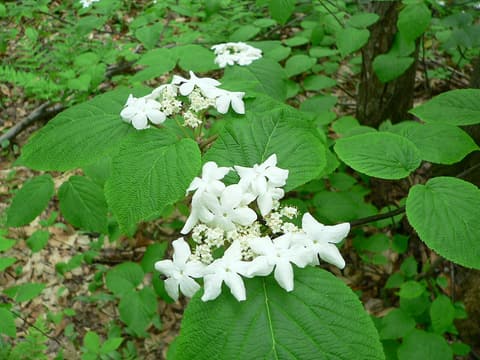
A shade shrub of cool northern woods with lacy white flower heads in spring and big heart-shaped leaves that turn bronze-red and purple in fall.
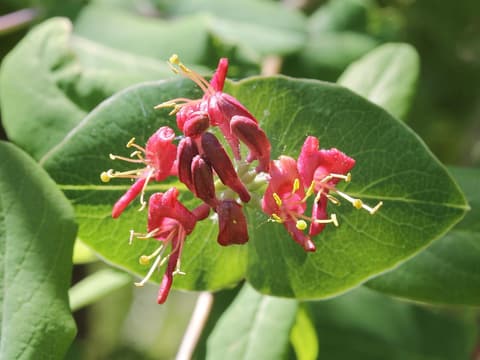
A low native honeysuckle that twines up a fence or sprawls as a shrub, with whorls of yellow to red flowers for hummingbirds and red berries for birds.
A fast native willow of stream banks and wet meadows whose silky catkins open among the first flowers of spring, feeding emerging bees.
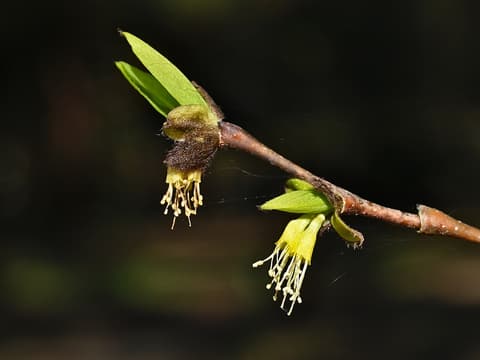
A small native shrub of northern bogs and wet woods, a wild relative of the haskap, with paired pale yellow flowers and edible blue berries.
Waxy gray berries hold above the snow all winter for yellow-rumped warblers, tree swallows and quail. A salt-tolerant shrub that fixes its own nitrogen.
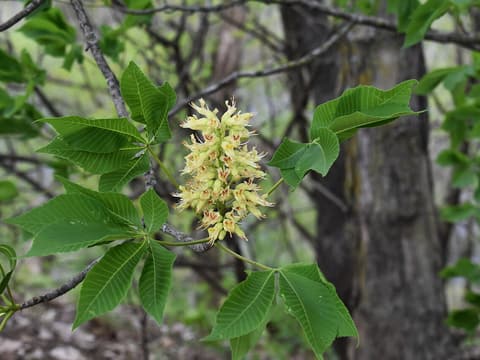
Ohio's state tree, among the first to leaf out, with upright clusters of greenish yellow flowers and glossy brown buckeyes in prickly husks.
Fragrant red, orange or yellow flowers on bare branches from January into March, the first bloom of the year, on a shrub that takes floods.
A tall, suckering shrub of bogs and swamps with white spring flowers, glossy red fruit that hangs into winter and blazing red fall leaves.
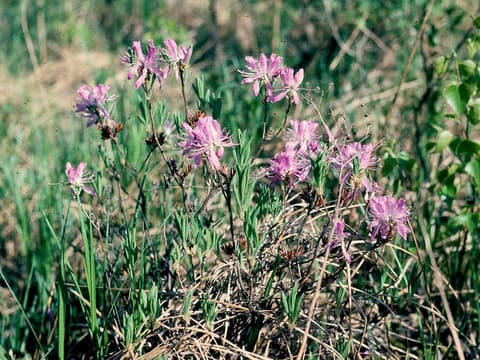
Rose-purple, two-lipped azalea flowers on bare twigs in May, lighting up the bogs and wet woods of the Northeast before the leaves.
A fast birch for wet ground and southern heat, with salmon to cinnamon bark that peels in papery curls and shows all winter.
The great evergreen rhododendron of Appalachian stream valleys, with pink-white trusses in July.
The one native alder that blooms in fall, hanging gold catkins in August and September on a rare shrub that stands in water and feeds its own soil.
A clump-forming serviceberry of swamps and wet thickets, with upright white flower clusters in early spring and sweet purple-black berries by June.
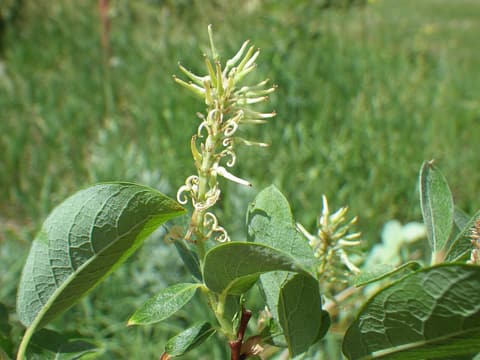
A fast shrub willow for wet, sunny ground, with narrow leaves silky white beneath and spring catkins that native bees and honey bees visit.
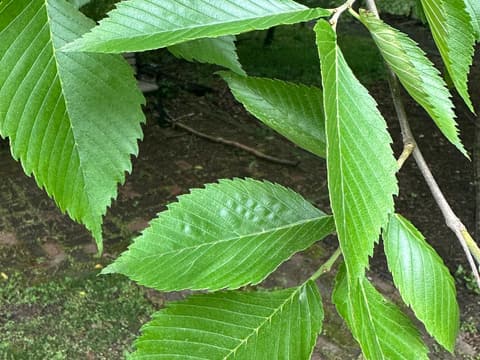
The elm of the slippery inner bark, a fast, shade-tolerant tree of moist slopes and bottomlands, best grown in a wild corner among trees of other kinds.
A white oak for wet ground, with peeling bark, two-toned leaves that flash silver in the wind and acorns that hang on long, slender stalks.
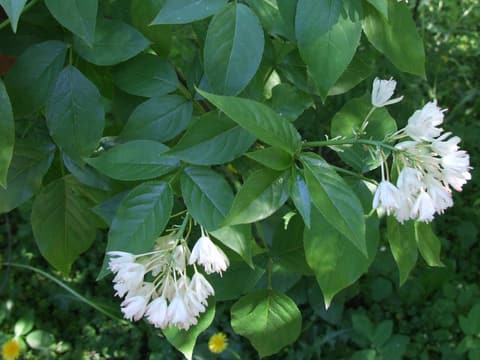
Spires of intensely fragrant white flowers in August, when almost nothing else is blooming, and bees know it.
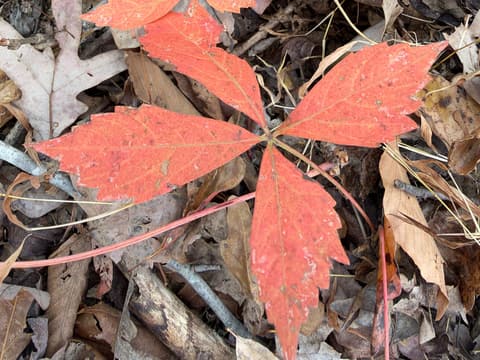
A fast native vine that climbs by sticky pads, turns crimson early in fall and feeds birds through the winter with blue-black berries.
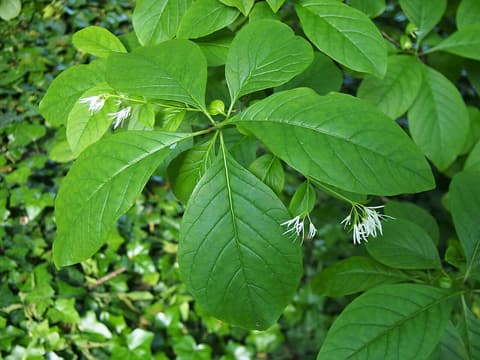
Clouds of fragrant white fringe in May, then blue fruit for the birds, on a small tree for any yard.
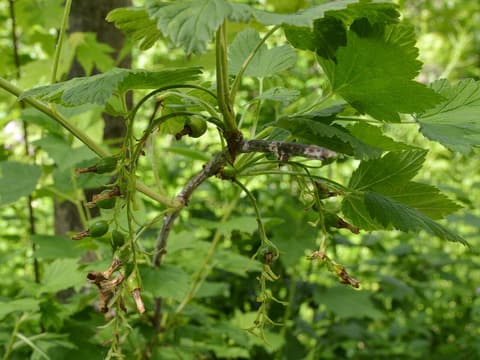
A thornless currant of moist woods and stream banks, with drooping yellow-green flowers in spring, black berries in summer and gold and crimson fall leaves.
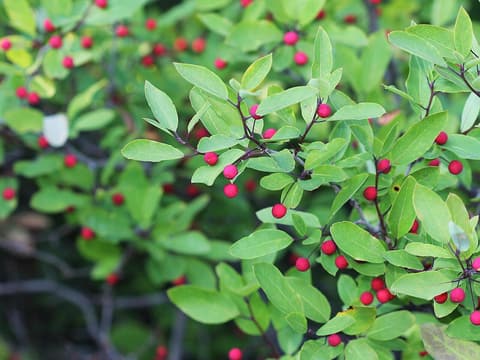
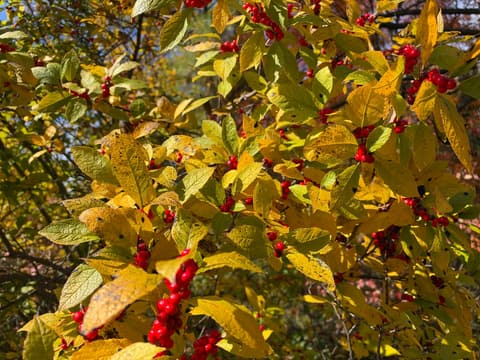
Bare winter branches lined with scarlet berries, on a deciduous holly that loves wet ground.
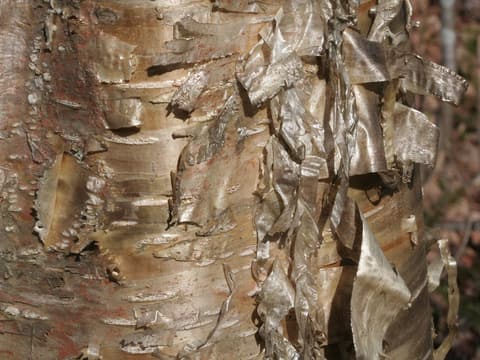
A long-lived shade tree for cool, moist ground, with shiny golden bronze bark that peels in thin curls and bright yellow leaves in fall.
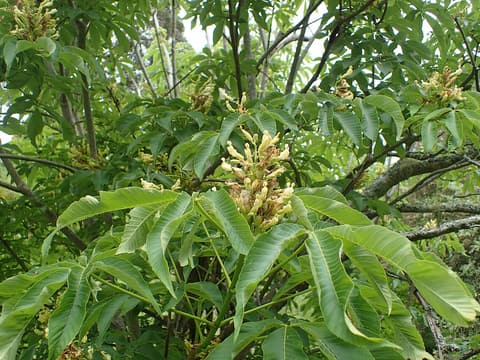
A tall buckeye for big spaces, with upright clusters of yellow flowers that draw hummingbirds and bees in spring.
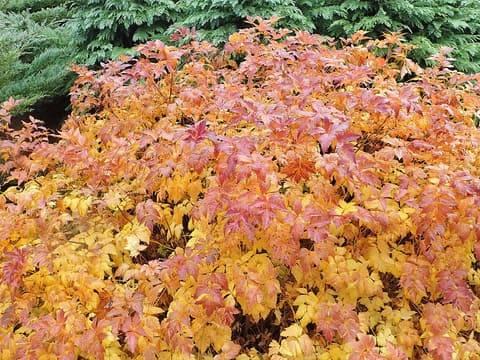
A low, suckering shrub for shady stream banks and moist woods, with leaves like celery that turn yellow and reddish purple in fall.
Ask what is ready: put the first 12 on my request list.
The finder answers as you choose and has a height limit. The shop lists the same trees and shrubs, with a search box and a native state filter: see these in the shop.
The address follows your filters, so the link saves this list.
Narrow the list to 12 or fewer and we can email you when any of them is ready to order.
Be first
One email per plant you tick, when it is priced, and nothing else. Each carries a code for 10% off the plants in that order, not shipping or tax. Or ask, and we reply with what is ready now.
While you wait, ask what is ready now.
In the finder's list the best fit comes first: trees and shrubs whose pages list your sun and soil outright, then those that only tolerate them. Within each group, those with your zone in the middle of their range come before those at its edge.
No: the finder lists native trees and shrubs to plant, matched to your zone, size, sun and soil. To name a tree you found, use the tree identification tool, which names it from a photo of a leaf, the bark, a twig, fruit or a flower.
Set the finder's height limit to the room you have: it matches the top of each species' typical mature height. Our article on small trees for a small yard says how far each one goes from a house.
Within 15 feet of the wires, the International Society of Arboriculture says a tree should mature at 20 feet or lower. Virginia Cooperative Extension allows trees to 25 feet within 20 feet of the wires, and suggests large shrubs under 15 feet directly under them.
Divide the hedge's length by the spacing, round down and add one, since a straight row has one at each end: a 40-foot hedge at 4 feet apart takes 11. On its Hedge or screen list, the finder gives each species the spacing its own page sets.
The address carries every choice, so a copied link opens the same list. The page draws that list before any script runs, so a shared link and the page's Markdown copy show the trees and shrubs themselves. These are its keys:
Each tree's facts come from its own page: its zones, mature height, sun, soil, labels and hedge spacing. The 20 and 40 ft height steps are the International Society of Arboriculture's zones by overhead wires (Avoiding Tree & Utility Conflicts (PDF), 2021). Within 15 feet of distribution wires, the species chosen "should have a mature height of 20 feet (6 meters) or lower". From 15 to 50 feet out, it should have "a potential mature height of 40 feet (12 meters) or lower". The planting-site check follows the same zones. The 30 ft step is the small-tree ceiling the growth estimator uses for its generic small tree. Virginia Cooperative Extension draws the low zone wider, to 20 feet from the line, where "trees in the low zone should not exceed 25 feet at maturity" (Selecting and Managing Trees to Avoid Conflicts with Overhead Utility Lines, 2024). Under the line itself it suggests large shrubs with "a mature height of less than 15 feet", the limit's first step. A ZIP code's zone is the 2023 USDA Plant Hardiness Zone Map's ZIP code listing, prepared by the PRISM Climate Group at Oregon State University.
When nothing fits, the site is usually the problem rather than the catalog: tell us the zone, soil, sun and what the tree needs to do, and we will suggest something.
The address carries the tree finder's inputs, so a link opens it filled in, and Copy link on a result writes one: zone (a whole number from 2 to 10), size (shrub, small-tree, medium-tree or large-tree), height (a mature height to stay under: 15, 20, 30, 40 or 60 feet, or 60-plus), sun (full, part or shade), moisture (dry, average or wet), want (one or more of flowers, fall-color, winter-interest, wildlife, honey, edible, evergreen, rare, early-bearing, screening, nitrogen-fixing, salt, street-tree, erosion-control, shade, wet-tolerant or drought, joined by commas), hedge (a hedge or screen length in feet, for a plant count), sort (featured, name, price-asc, price-desc, height, hardy or fast), compare (the slugs of the plants to compare, joined by commas). For example, /tools/tree-finder/?zone=6&size=small-tree&sun=part&moisture=average&want=fall-color.