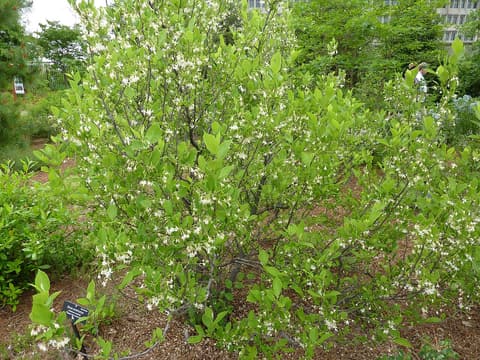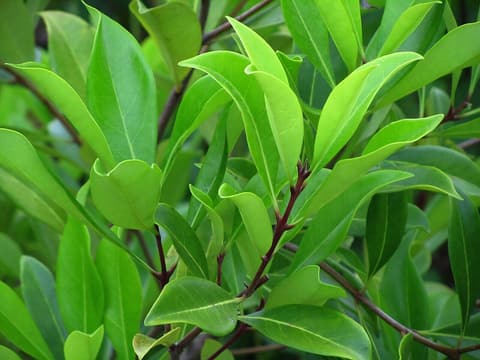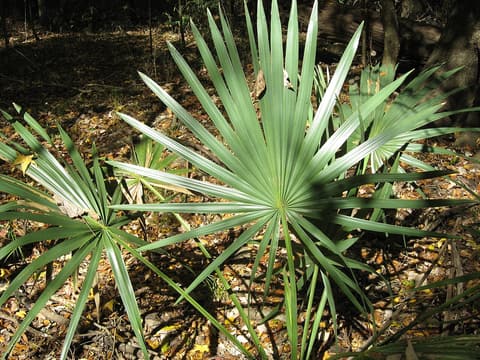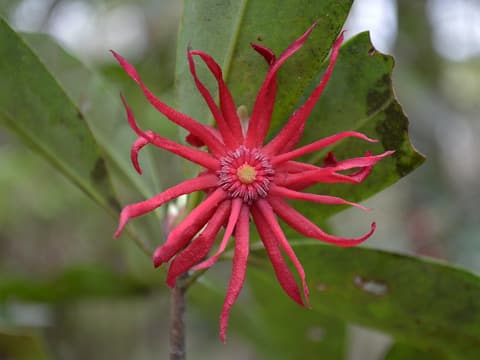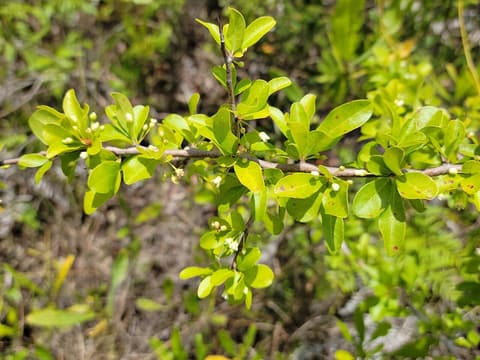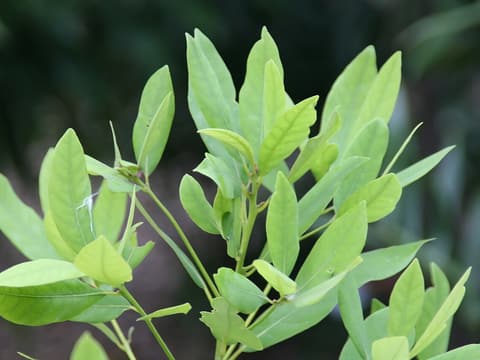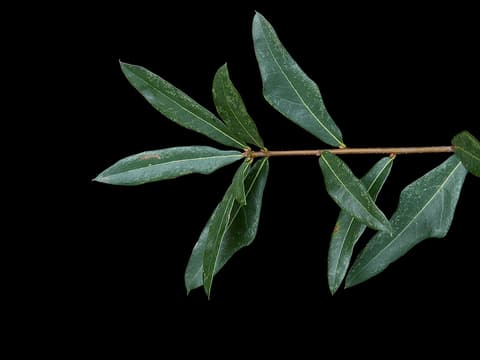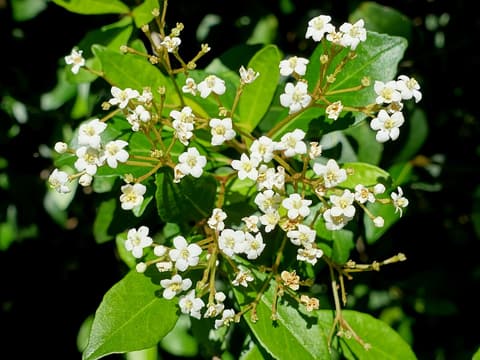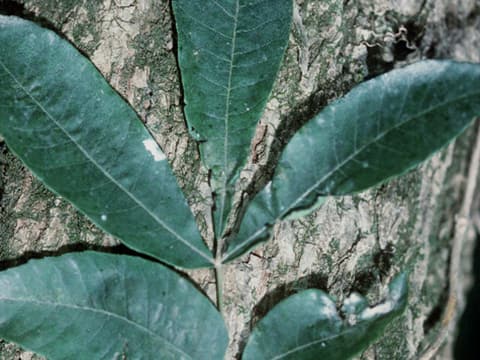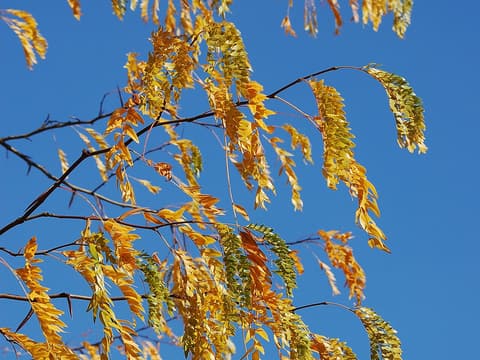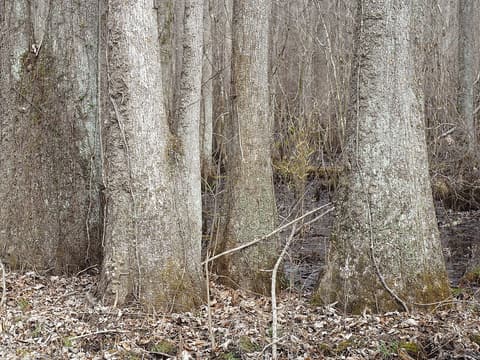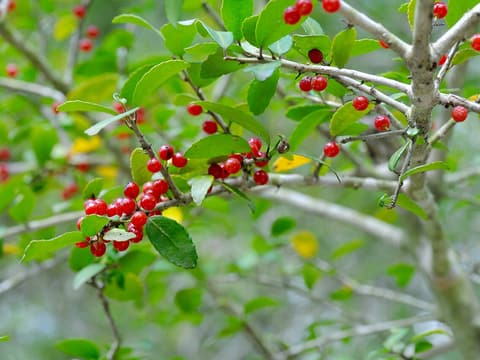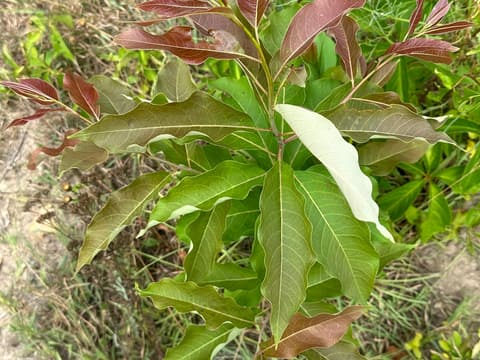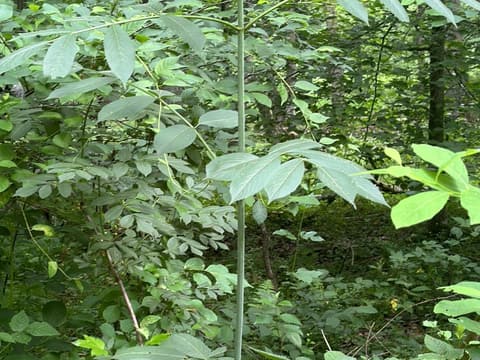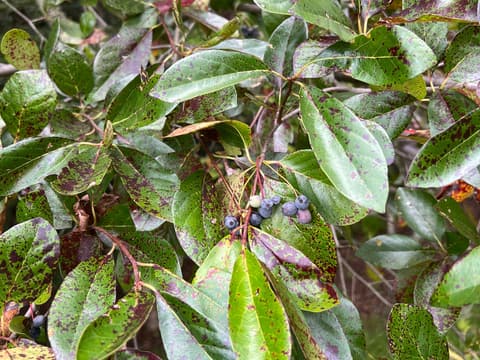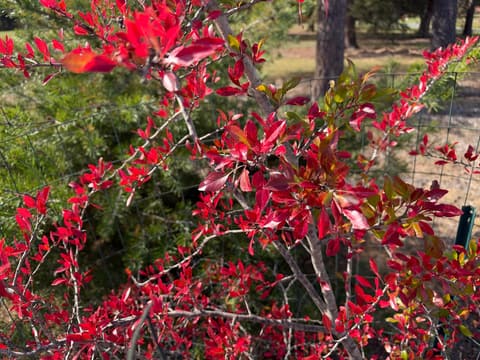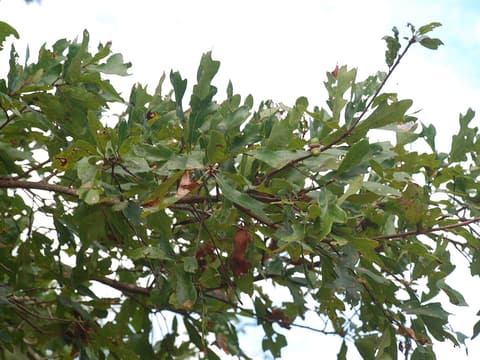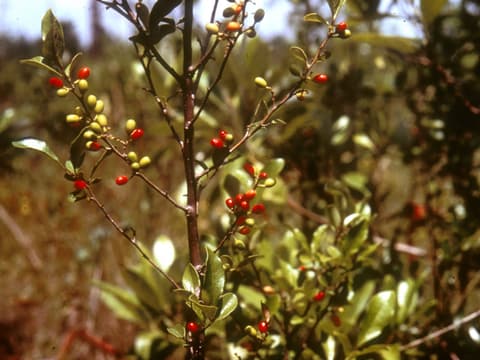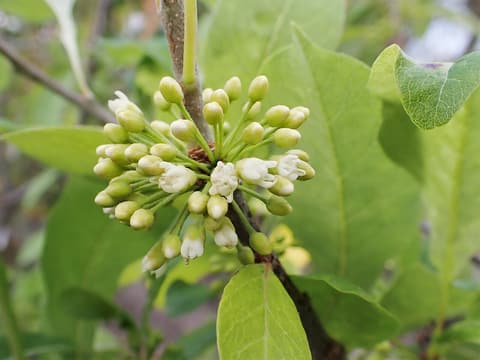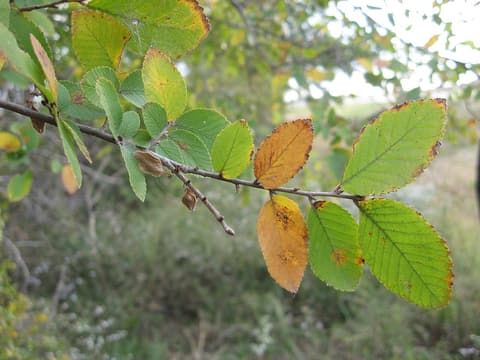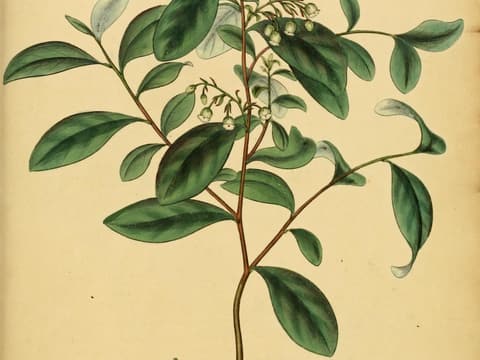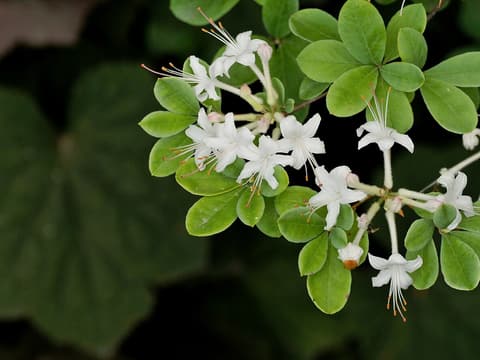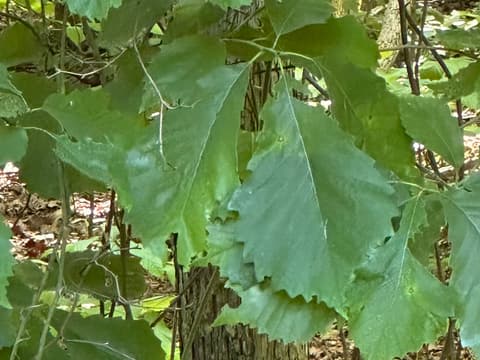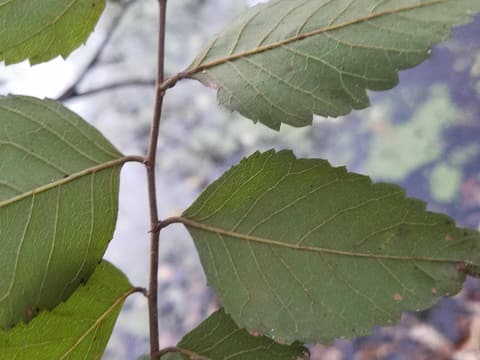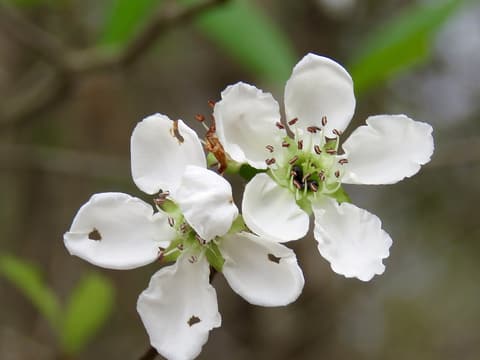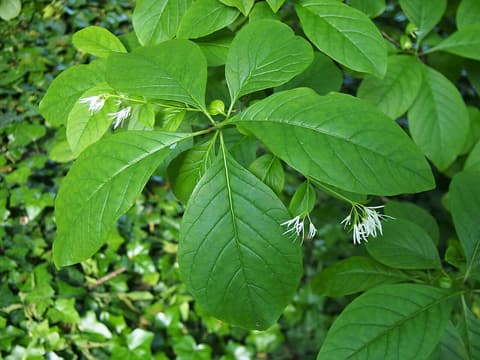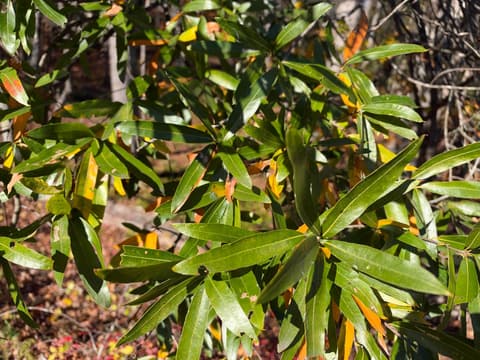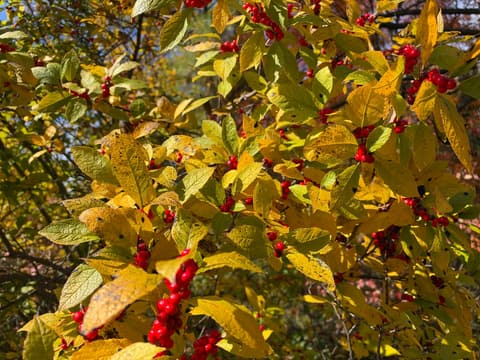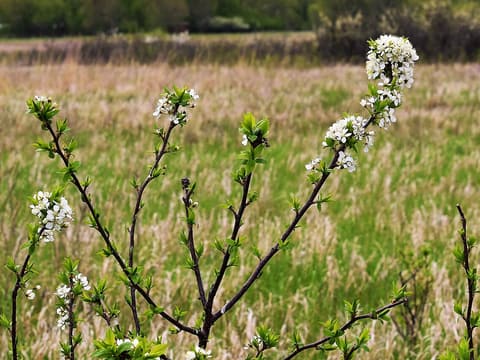
American Plum
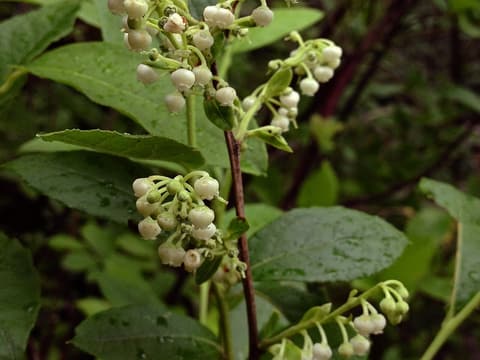
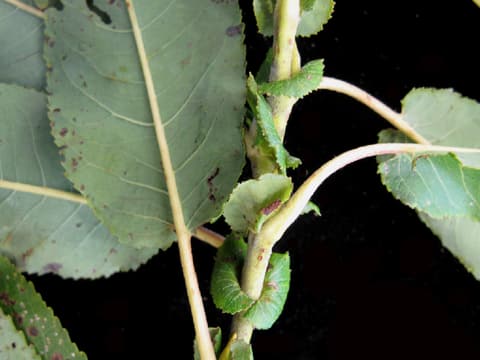
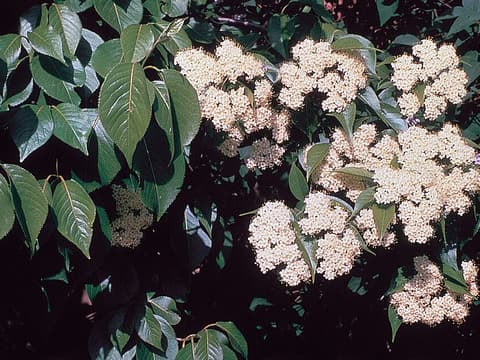
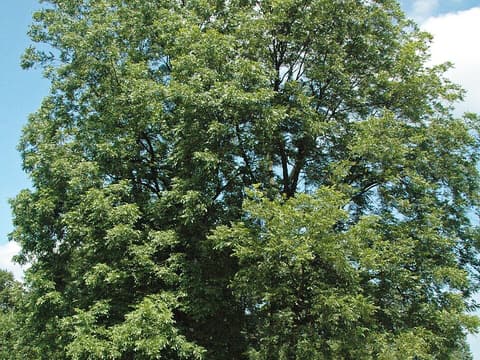
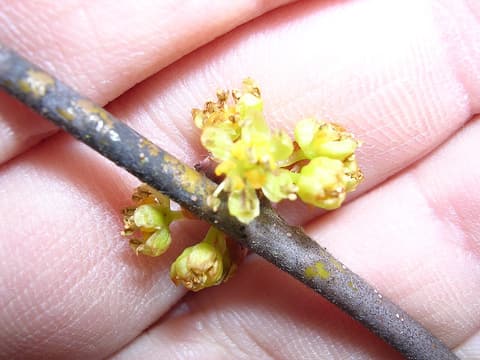
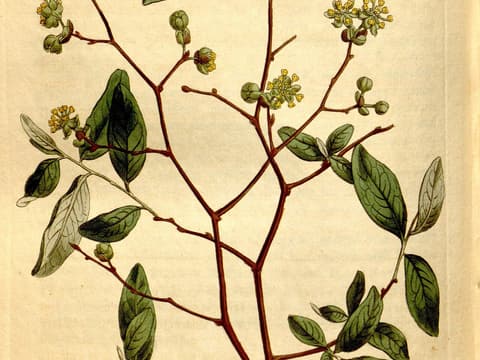
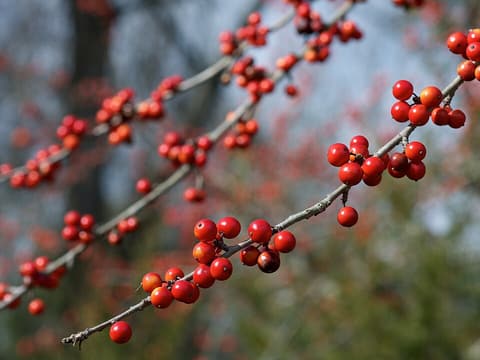
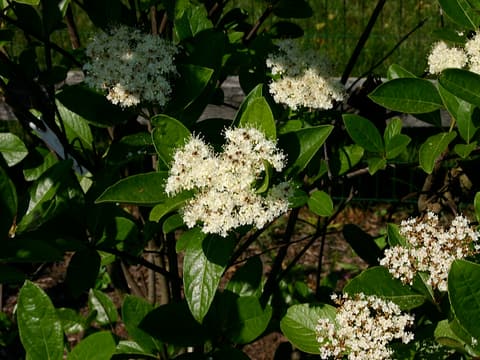
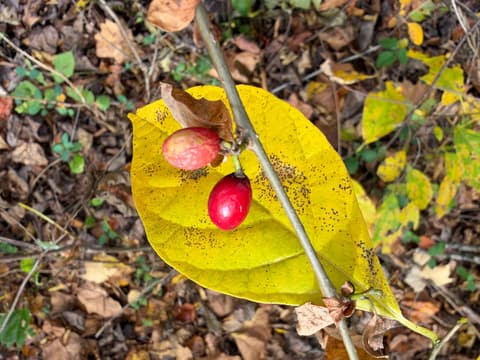
Prunus americanaSmall treeZones 3–1015–25 ft
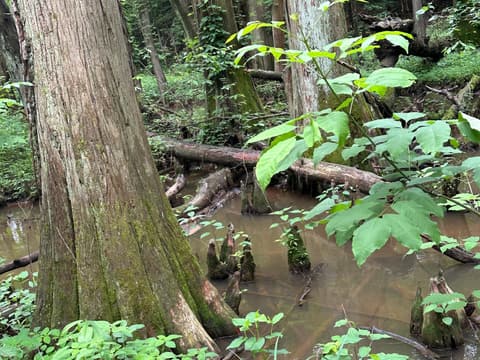
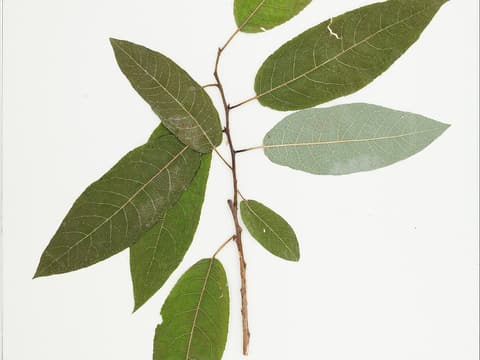
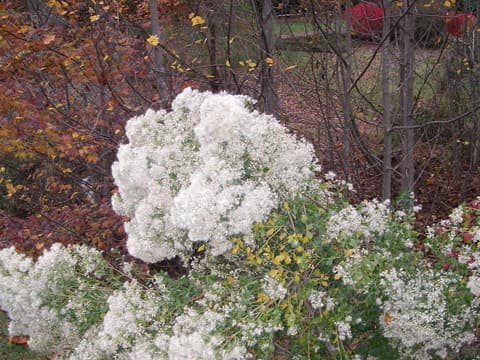
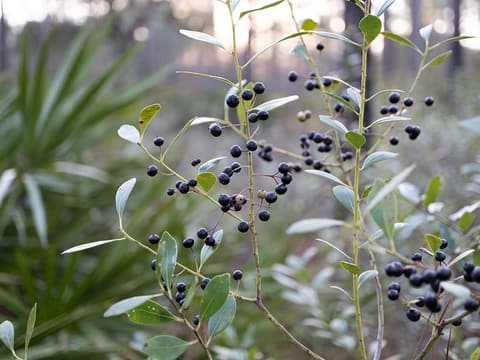
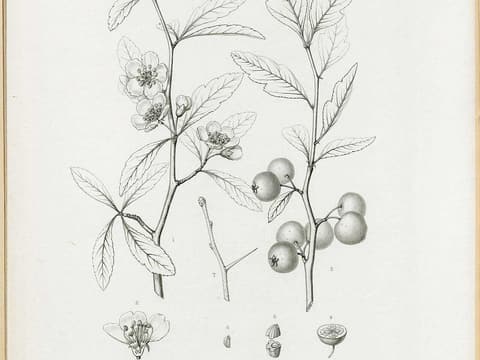
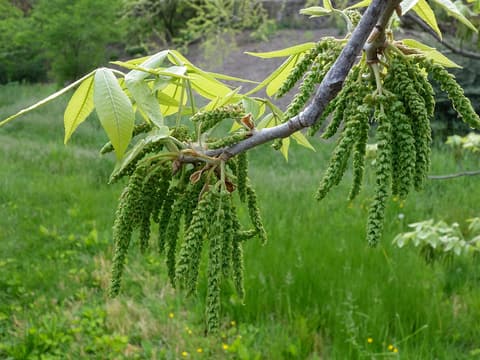
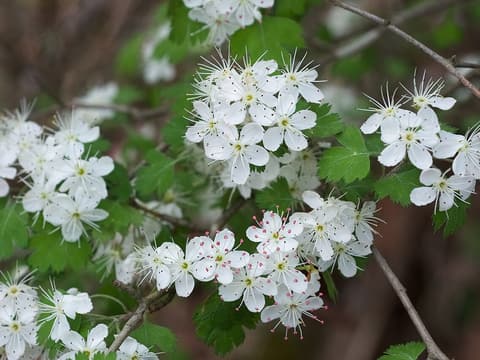
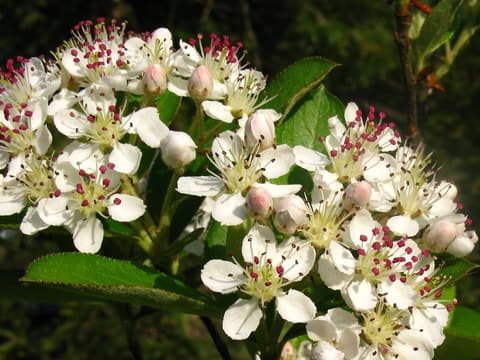
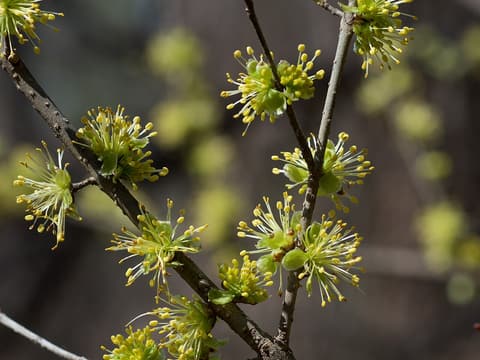
A thicket-forming wild plum for dry banks and wet ground alike, with fragrant white spring bloom and tart red-yellow fruit for jelly and wildlife.
Find the right native tree or shrub for your site by filtering on USDA hardiness zone, mature size, sun, soil moisture and what you want from each species. The list narrows as you set each filter. Every result is a tree or shrub we grow from seed, so anything it shows can be requested now and ordered once it is priced.
Best fits first: those that list your soil outright, then those that only tolerate it.
Still a long list. or set a height limit.
Want one of these? Email me when it is ready to order. Notify me
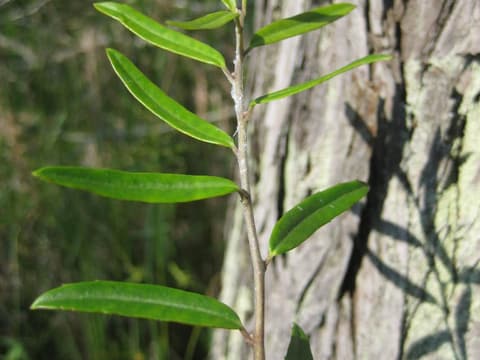
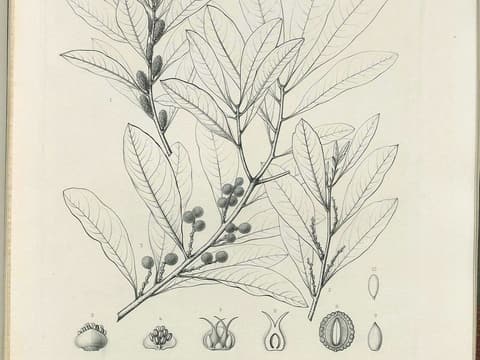
A thicket-forming wild plum for dry banks and wet ground alike, with fragrant white spring bloom and tart red-yellow fruit for jelly and wildlife.
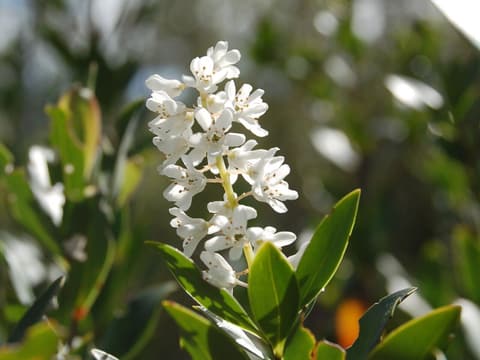
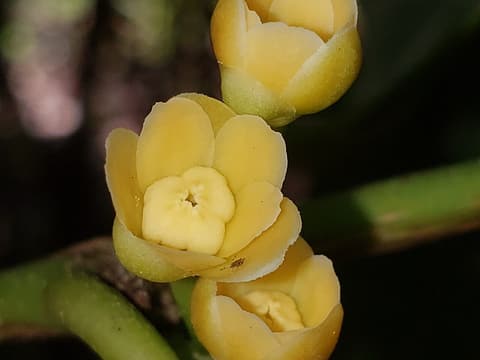
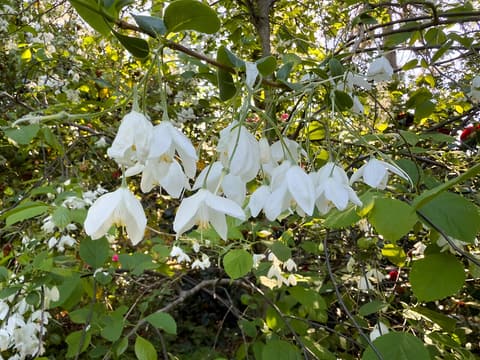
Fragrant white bells with swept-back petals cover a slender native shrub in spring, for wet woods, pond edges and shady, acidic ground.
The swamp conifer that also thrives on dry lawns, with feathery foliage that turns rust-orange in fall.
An evergreen of southern bogs whose fragrant spring flowers feed honeybees, followed by winged fruits shaped like buckwheat grains.
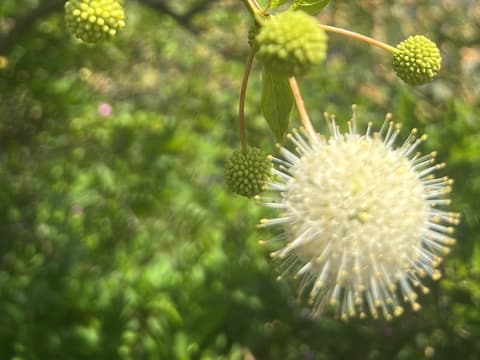
A wetland shrub for pond edges and rain gardens, with round white pincushion flowers in summer that draw bees, butterflies and hummingbirds.
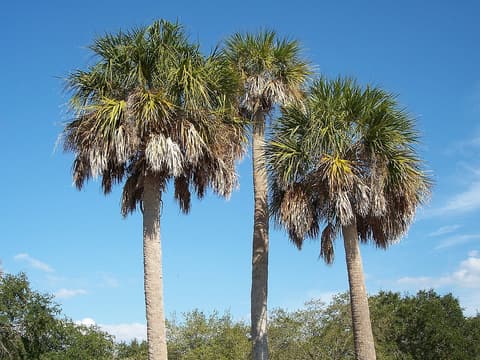
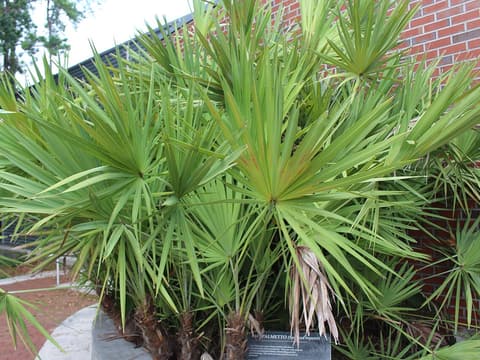
The native tree palm of the Southeast coast, evergreen and salt-hardy, with fragrant summer flowers for bees and black fruit for wildlife.
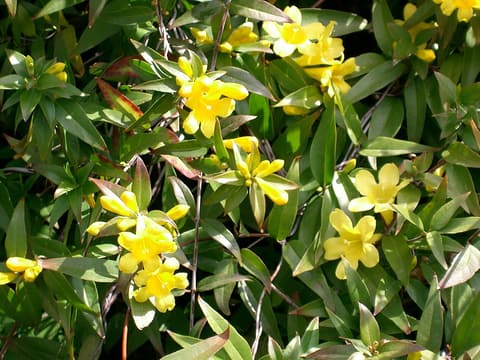
A native evergreen vine that twines up a fence or arbor and covers itself in fragrant yellow trumpets from late winter into spring.
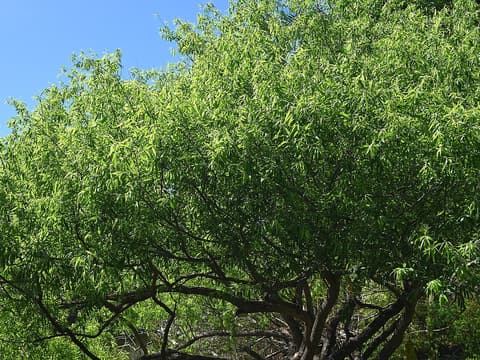
The common small willow of southern swamps and stream banks, fast on wet ground, with early yellow catkins for bees and leaves that feed viceroys.
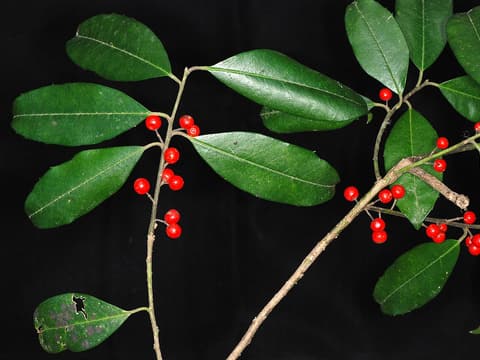
An evergreen holly of southern swamps with glossy, nearly spineless leaves and, on female trees, bright red berries through fall and winter.
A native evergreen of the olive family for screens in sun or shade, with fragrant spring flowers and, on female trees, dark blue fruit for birds.
A hardy palm for wet shade whose trunk stays underground, sending up evergreen fans up to 5 feet across and tall stalks of fragrant flowers.
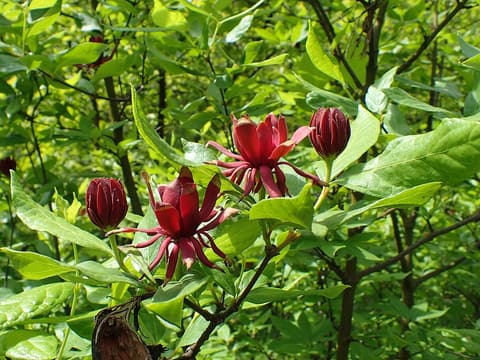
A fast-growing evergreen for shade and wet ground, with leaves that smell of anise when crushed and nodding, dark red spring flowers.
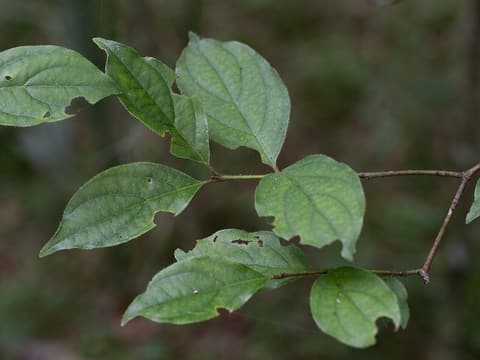
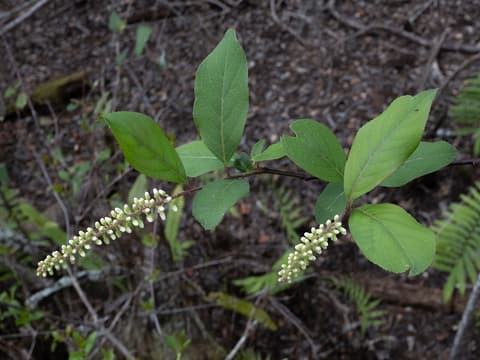
A thorny shrub of floodplain woods and wet pinelands in the Deep South, with tiny white spring flowers and small black berries that birds eat.
A rare willow of Southern spring runs and wet, limy woods, with broad leaves glossy above and whitish beneath and catkins in late winter.
A fast native shrub for salt spray and wet ground on the coast, whose female plants turn silvery in fall with plumed seeds.
An evergreen holly with glossy, spineless leaves for hedges and screens on damp, acidic ground, and black berries all winter on female plants.
A thorny native hawthorn of southern swamps that flowers white in late winter and ripens tart red fruit in May, the fruit of mayhaw jelly.
A small-leaved evergreen holly of southern swamp edges, with thick, shiny leaves like a myrtle's and red berries that last into spring.
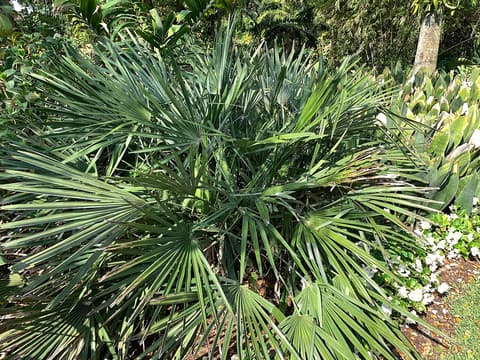
One of the hardiest palms, a trunkless clump of glossy fans up to 30 inches across, guarded at the base by long black needles.
An evergreen bayberry of Gulf Coast swamps and bayheads whose leathery leaves, unlike those of other bayberries, have no scent when crushed.
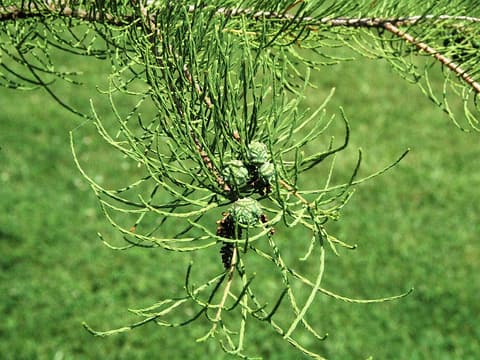
A slim cousin of bald cypress whose skyward shoots turn orange-brown in fall, at home in standing water or on a dry lawn.
A spicy-leaved evergreen of the southern coast, with dark blue fruit for birds, now dying across much of its range from laurel wilt.
A low, creeping palm with stiff fans on saw-toothed stalks, fragrant flowers for bees and fruit for bears, deer and birds.
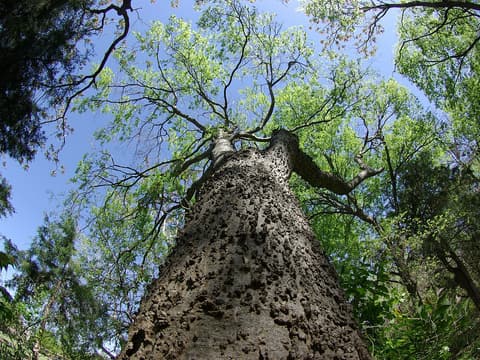
The hackberry of southern bottomlands, a fast shade tree for wet or dry ground, with warty gray bark and sweet fruit that birds eat into winter.
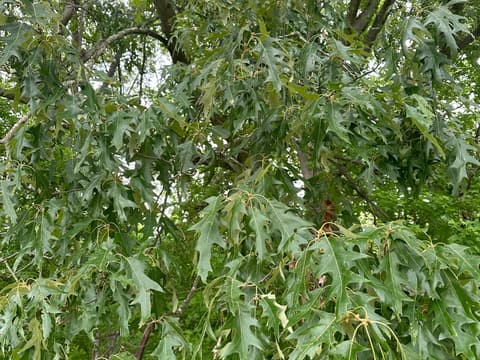
A fast red oak for wet southern ground, with glossy leaves that are often diamond-shaped and big acorn crops that turkeys and deer seek out.
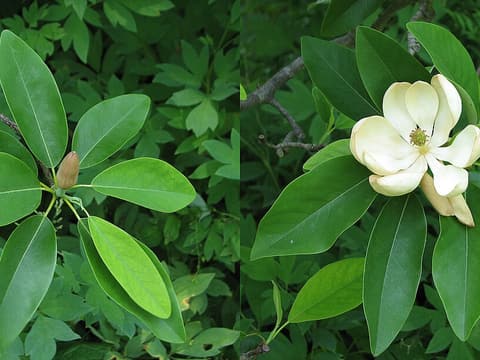
Lemon-scented white flowers from May into summer, silver-backed leaves, and a love of wet ground.
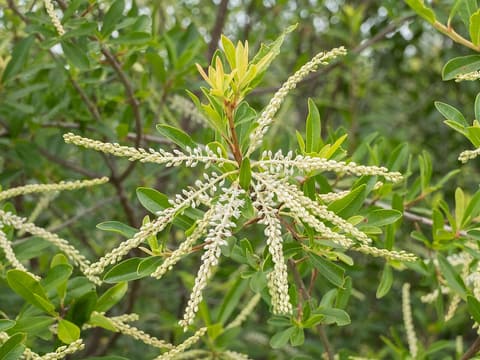
Fragrant white flower sprays in early summer and orange-red leaves in fall, on a thicket-forming shrub of southern swamps whose flowers give a dark honey.
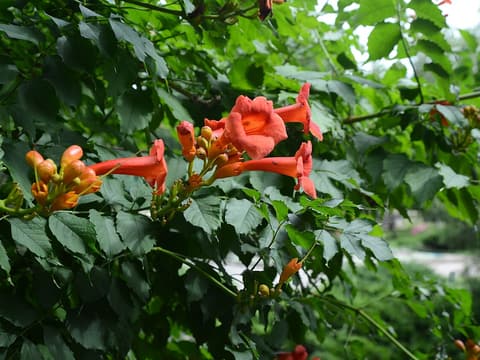
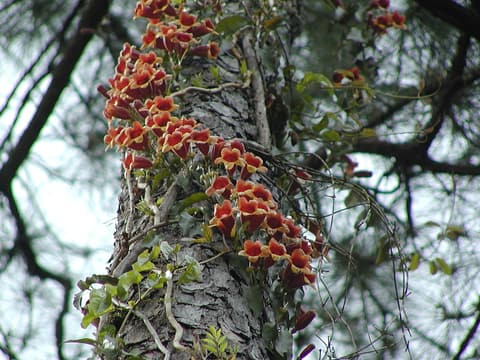
A fast native vine whose orange-red trumpets draw hummingbirds all summer, for a sturdy arbor or fence where its root suckers can be kept in check.
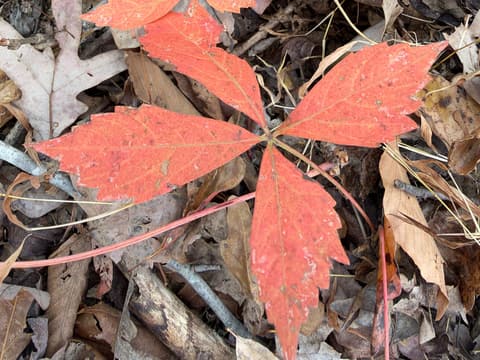
A fast native vine that climbs by sticky pads, turns crimson early in fall and feeds birds through the winter with blue-black berries.
A fast, dense southern viburnum with small, glossy leaves and clusters of white flowers that open in late winter.
A bottomland hickory for southern clay that floods in spring and can crack dry in summer, with bitter nuts that wood ducks and mallards swallow whole.
A thorny swamp cousin of honeylocust for floodplains that stay under water for long spells, with small, flat pods holding one to three seeds.
A long-lived tree of southern river swamps, with a bottle-shaped base, that stands in floodwater for months and feeds bees in spring.
A native evergreen holly for hedges and screens, with glossy leaves and, on female trees, red berries that birds take in late winter.
A rare Florida evergreen for shade and wet ground, with olive green leaves that smell of licorice when crushed and nodding pale yellow flowers.
A rare, shrubby tupelo found only in the Florida panhandle, with small leathery leaves, round black fruit and stems that sprout back after fire.
A rare deciduous holly of southern swamps and stream banks, with soft, dull leaves and velvety rose-red berries that last into spring.
A Florida Panhandle rarity for pond edges, with silvery bark that peels like a birch's and bright yellow flowers from May until frost.
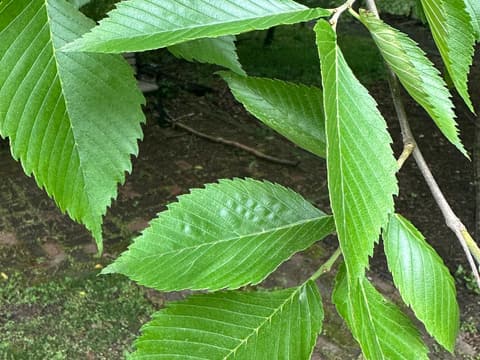
The great vase-shaped elm of old American streets, a fast shade tree for wet or dry ground, now best planted alone among trees of other kinds.
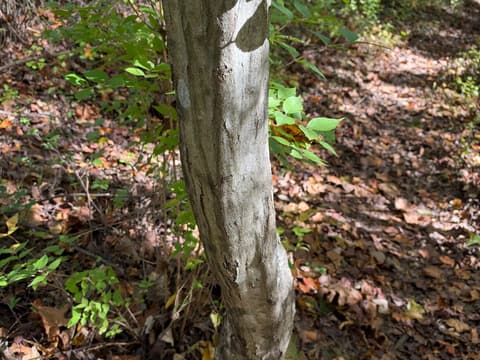
Smooth, sinewy gray trunks, orange-red fall color and complete comfort in shade and damp soil.
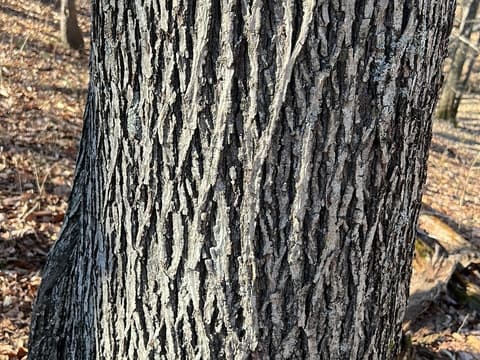
Sweet orange fruit after frost, blocky alligator bark and a tree that grows nearly anywhere.
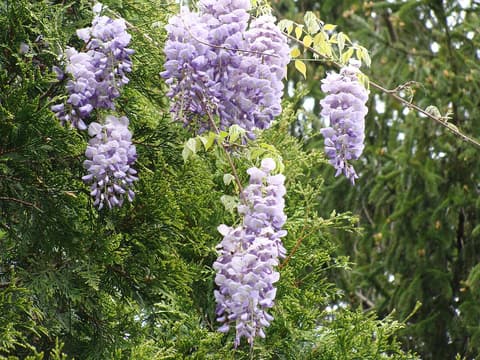
A native wisteria whose purple flower clusters open after its leaves unfold, much tamer than the invasive Asian wisterias it resembles.
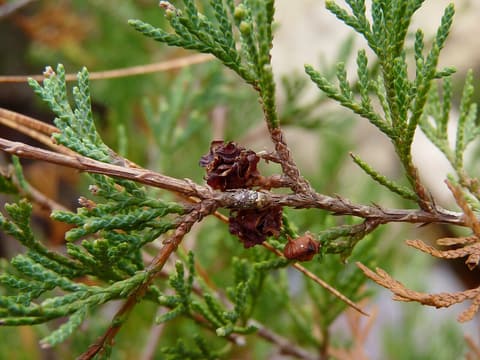
The only false cypress native to the eastern states, a narrow blue-green evergreen of coastal bogs that makes a year-round screen on wet, acidic ground.
The hardiest hickory and the fastest-growing, with sulfur-yellow winter buds and clear yellow fall color, on a tree nurseries seldom carry.
Broad white flower plates in June, purple-black berries in August, and a magnet for dozens of bird species.
Blazing scarlet fall color, superb bee forage, and one of the longest-lived hardwoods in the East.
A tall southern hawthorn whose fruit wears a waxy blue bloom in late summer, with white spring flowers and brilliant orange and red fall color.
A southern white oak of river bluffs and bottomland edges that grows into a straight-trunked shade tree, and one most nurseries still do not carry.
A rare spicebush of southern seepage bogs, with thick leaves, pale yellow flowers before the leaves and bright red fruit on female plants.
A shade shrub that spreads into a broad mound and lifts white flower spikes up to a foot long in early summer, when few other shrubs bloom.
A thorny small tree of stream banks and limestone bluffs, with clusters of tiny white flowers in summer and black fruit that birds and squirrels eat.
A tough shade tree with the smallest leaves of any native elm, flowers in late summer and clear yellow fall color, for dry or soggy clay.
Acorns and seedlings from a single outstanding cherrybark oak on Wye Island, Maryland: tall, straight and fast growing.
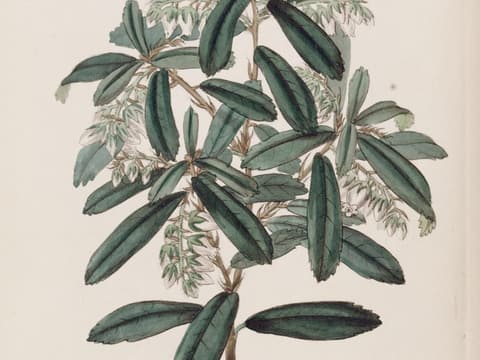
The only climbing heath in the country, an evergreen that runs up inside cypress bark and hangs white bells from winter into spring.
A rare swamp shrub whose wood is lighter than cork, forming thickets of slender stems in ground that stays wet or floods.
A native evergreen vine that climbs by sticky tendrils, with orange and yellow trumpet flowers that feed hummingbirds in early spring.
A huckleberry for sandy, acidic ground, damp or dry, that spreads into thickets hung with sweet blue berries in summer and turns orange in fall.
A post oak that tolerates wet feet, from the bottomlands of the lower Mississippi valley.
Two-foot heads of white flowers in August when little else blooms, then purple-black fruit for thrushes and waxwings, on a stem with leaves up to 5 feet long.
A southern white oak of creek bottoms and limestone bluffs, with pale bark that flakes away in papery scales and wavy leaves, often silvery beneath.
Tiny yellow flowers in the first week of spring, on a rare, slow shade shrub with bark you can tie in knots.
A colony-forming bayberry of southern bogs and swamps, with spicy-scented leaves and gray-white waxy fruit that feeds birds through the winter.
Sepals of pink, rose or white, as showy as a poinsettia's, light up this small tree of southern swamp edges for weeks in early summer.
A tall evergreen for shady stream banks, with arching stems, red new leaves and fragrant white bells hanging beneath the branches in spring.
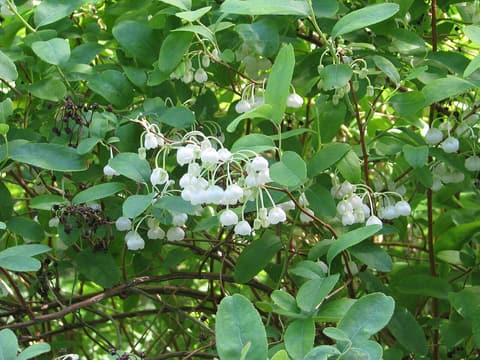
Anise-scented white bells, like an oversized lily of the valley, hang in May and June from a rare shrub of southern coastal plain bogs.
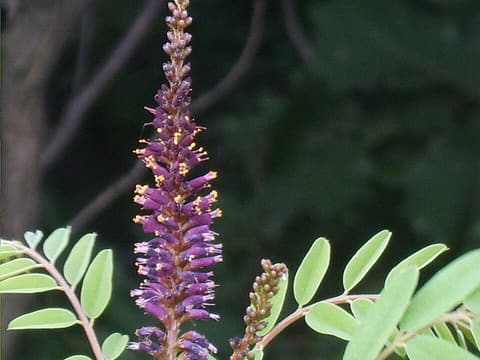
Purple flower spikes with orange stamens in June, on a nitrogen-fixing shrub for streambanks and hot dry edges.
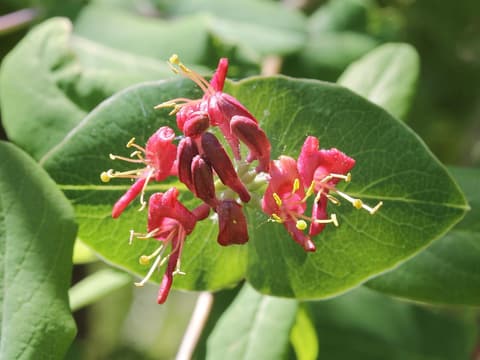
A low native honeysuckle that twines up a fence or sprawls as a shrub, with whorls of yellow to red flowers for hummingbirds and red berries for birds.
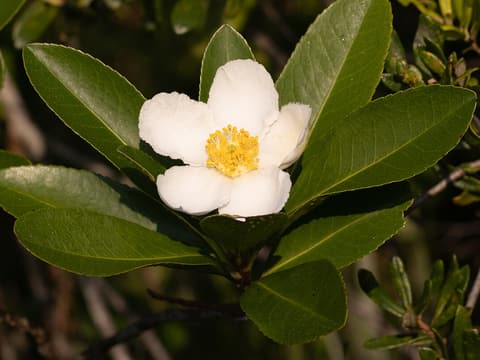
Fragrant white flowers like a camellia's from June into September, on a narrow evergreen tree of southern bays for wet, acidic ground.
A tough native heath of swamp edge and dry ridge, hung with white bells in June for four rare specialist bees, that almost no nursery grows.
A fast native willow of stream banks and wet meadows whose silky catkins open among the first flowers of spring, feeding emerging bees.
A big, adaptable viburnum with creamy flowers, edible blue-black fruit and wine-red fall color.
Northern-adapted pecan from the upper reaches of its range, ripening thin-shelled nuts in short seasons.
The rarest hickory, with leaves backed in silvery scales and sweet, thick-shelled nuts that look like nutmegs, from scattered stands across the South.
A fast bottomland red oak for heavy, wet clay, with acorns that feed ducks, deer and turkeys and leaves that turn deep red late in fall.
The tree behind tupelo honey, with tart red fruit known as Ogeechee lime on the females, for ground that floods or stays wet.
One of the rarest oaks in North America, with willow-like unlobed leaves and white-oak toughness.
A bottomland white oak that stands in floodwater for months and then takes a dry summer in stride, with acorns almost swallowed by their cups.
A small southern hawthorn with leaves cut fine as parsley, white flowers with red anthers in early spring, peeling bark and glossy scarlet fruit.
The largest native fruit in North America, custard-sweet and tropical, on an understory tree of rich bottomlands.
A pine for wet, acidic ground whose round cones can stay shut on the branches for years, until the heat of a fire opens them.
A rare, colony-forming spicebush of flooded woods and pond edges, with drooping, root-beer-scented leaves, early yellow flowers and red fruit.
A rare coastal plain shrub of pond and swamp edges, with zigzag twigs, small leathery leaves, yellow flowers before the leaves and red fruit.
A deciduous holly whose orange-red berries line the bare gray branches from September to March, feeding birds late in winter.
A glossy-leaved viburnum for wet ground whose berries turn pink, blue and purplish black, often all at once in the same cluster.
A tall, suckering shrub of bogs and swamps with white spring flowers, glossy red fruit that hangs into winter and blazing red fall leaves.
A fast birch for wet ground and southern heat, with salmon to cinnamon bark that peels in papery curls and shows all winter.
A hardy native grape vine that climbs by tendrils along streams and fences, with fragrant spring flowers and tart blue-black grapes for birds and jelly.
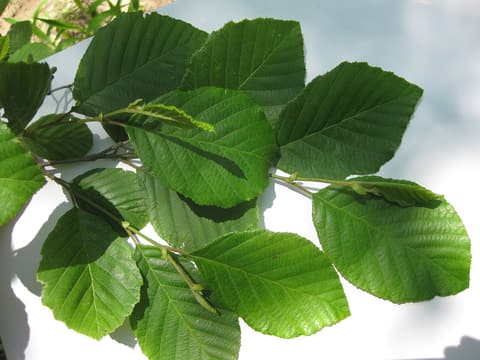
The one native alder that blooms in fall, hanging gold catkins in August and September on a rare shrub that stands in water and feeds its own soil.
A rare indigobush of southern stream banks and wooded slopes, with glossy leaflets and dark purple spikes lit by orange anthers in spring.
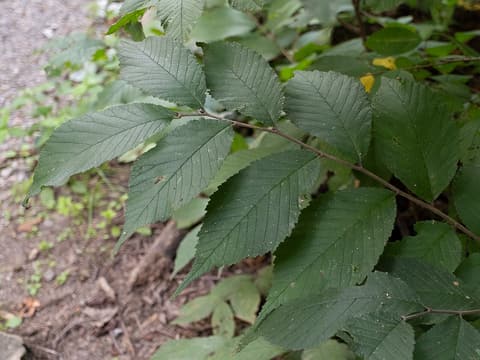
The elm of the slippery inner bark, a fast, shade-tolerant tree of moist slopes and bottomlands, best grown in a wild corner among trees of other kinds.
A nitrogen-fixing streambank shrub that holds soil, feeds woodcock and grouse, and thrives in standing water.
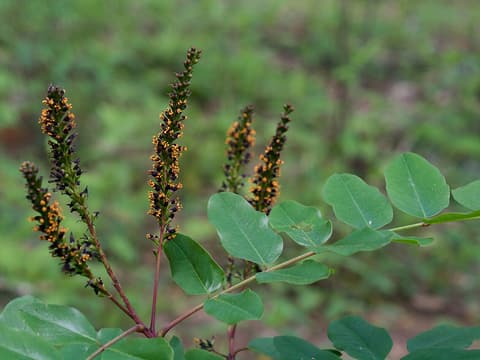
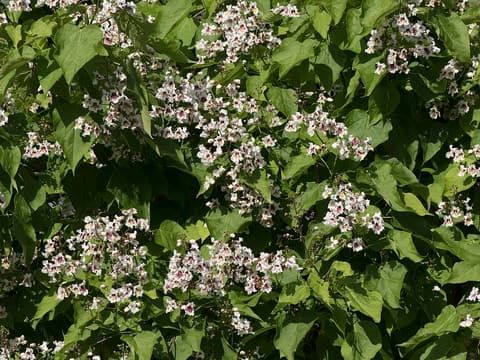
Upright clusters of white flowers spotted purple and yellow in May and June, then long bean-like pods, on the fast-growing catalpa native to the Gulf states.
Yellow flowers in March, spicy-scented leaves, red berries for thrushes and the host plant of the spicebush swallowtail.
A soft-needled pine of southern river bottoms, one of the few pines that grows in part shade, for moist ground or a tall screen.
Nodding clusters of white bells up to half an inch long on bare twigs in spring, then bright red leaves in fall, on a sandy-soil shrub.
Warty crimson capsules split open in fall to show orange-red seeds, on a slender woodland shrub with square green stems.
Sticky, clove-scented white flowers from May to July, one of the last wild azaleas to bloom, on a shrub that takes wet, acidic ground.
Huge, sweet acorns and clean chestnut-like foliage, collected from a superior parent tree.
A big poplar for swamps and sloughs, with heart-shaped leaves up to 8 inches long that open in white down, rare at the north end of its range.
Arching sprays of white bell flowers in May on a deciduous heath shrub for wet, acidic ground in sun or part shade.
A native of swamps and wet woods whose yellow flowers open on bare branches in early spring, followed on female trees by purple fruit that ducks eat.
A tupelo for southern swamps and pond edges, with a swollen base, red fall color and spring flowers that bees make into tupelo honey.
Spires of intensely fragrant white flowers in August, when almost nothing else is blooming, and bees know it.
A small understory tree with fluffy, fragrant cream flowers on its bare twigs in early spring and leaves with a faintly sweet taste.
A shrub for sun or deep shade whose maroon spring flowers smell of strawberry, pineapple and banana.
A thicket dogwood of the southern Coastal Plain for limy soils, with rough, hairy leaves, white spring flowers and pale blue berries.
White bells in spring and two-winged fruit in fall, on a small tree of southern floodplains that takes shade and wet ground.
Fragrant white flower spikes in June, red and gold fall leaves that hang on into winter, and roots that are happy in wet ground.
A small, low-crowned tree of southern swamps and river bottoms, with flaky bark and warty, nutlike fruit, for ground that floods.
The mayhaw of the Gulf states, a thorny hawthorn of wet river bottoms that blooms white in February and ripens red fruit for jelly in May.
Clouds of fragrant white fringe in May, then blue fruit for the birds, on a small tree for any yard.
A fast, long-lived red oak with narrow leaves like a willow's, for moist ground and city streets, that bears small acorns nearly every year.
Bare winter branches lined with scarlet berries, on a deciduous holly that loves wet ground.
A bog huckleberry of the Gulf coast whose twigs, flowers and sweet black berries all bristle with long, glandular hairs.
A low, suckering shrub for shady stream banks and moist woods, with leaves like celery that turn yellow and reddish purple in fall.
A wetland shrub of southern ponds and stream banks that grows into dense thickets of needle-like leaves and small yellow flowers.
A Florida Panhandle shrub that grows like a small tree, with corky, peeling bark, needle-like leaves and yellow summer flowers.
A rare thorny buckthorn of limestone swamps in the Deep South, with mildly fragrant white flowers in late spring and small black fruit for wildlife.
One of the rarest shrubs of the South, a low indigobush of sandy pinelands whose dark purple spring spikes bristle with orange-tipped stamens.
Ask what is ready: put the first 12 on my request list.
The finder answers as you choose and has a height limit. The shop lists the same trees and shrubs, with a search box and a native state filter: see these in the shop.
The address follows your filters, so the link saves this list.
Narrow the list to 12 or fewer and we can email you when any of them is ready to order.
Be first
One email per plant you tick, when it is priced, and nothing else. Each carries a code for 10% off the plants in that order, not shipping or tax. Or ask, and we reply with what is ready now.
While you wait, ask what is ready now.
In the finder's list the best fit comes first: trees and shrubs whose pages list your sun and soil outright, then those that only tolerate them. Within each group, those with your zone in the middle of their range come before those at its edge.
No: the finder lists native trees and shrubs to plant, matched to your zone, size, sun and soil. To name a tree you found, use the tree identification tool, which names it from a photo of a leaf, the bark, a twig, fruit or a flower.
Set the finder's height limit to the room you have: it matches the top of each species' typical mature height. Our article on small trees for a small yard says how far each one goes from a house.
Within 15 feet of the wires, the International Society of Arboriculture says a tree should mature at 20 feet or lower. Virginia Cooperative Extension allows trees to 25 feet within 20 feet of the wires, and suggests large shrubs under 15 feet directly under them.
Divide the hedge's length by the spacing, round down and add one, since a straight row has one at each end: a 40-foot hedge at 4 feet apart takes 11. On its Hedge or screen list, the finder gives each species the spacing its own page sets.
The address carries every choice, so a copied link opens the same list. The page draws that list before any script runs, so a shared link and the page's Markdown copy show the trees and shrubs themselves. These are its keys:
Each tree's facts come from its own page: its zones, mature height, sun, soil, labels and hedge spacing. The 20 and 40 ft height steps are the International Society of Arboriculture's zones by overhead wires (Avoiding Tree & Utility Conflicts (PDF), 2021). Within 15 feet of distribution wires, the species chosen "should have a mature height of 20 feet (6 meters) or lower". From 15 to 50 feet out, it should have "a potential mature height of 40 feet (12 meters) or lower". The planting-site check follows the same zones. The 30 ft step is the small-tree ceiling the growth estimator uses for its generic small tree. Virginia Cooperative Extension draws the low zone wider, to 20 feet from the line, where "trees in the low zone should not exceed 25 feet at maturity" (Selecting and Managing Trees to Avoid Conflicts with Overhead Utility Lines, 2024). Under the line itself it suggests large shrubs with "a mature height of less than 15 feet", the limit's first step. A ZIP code's zone is the 2023 USDA Plant Hardiness Zone Map's ZIP code listing, prepared by the PRISM Climate Group at Oregon State University.
When nothing fits, the site is usually the problem rather than the catalog: tell us the zone, soil, sun and what the tree needs to do, and we will suggest something.
The address carries the tree finder's inputs, so a link opens it filled in, and Copy link on a result writes one: zone (a whole number from 2 to 10), size (shrub, small-tree, medium-tree or large-tree), height (a mature height to stay under: 15, 20, 30, 40 or 60 feet, or 60-plus), sun (full, part or shade), moisture (dry, average or wet), want (one or more of flowers, fall-color, winter-interest, wildlife, honey, edible, evergreen, rare, early-bearing, screening, nitrogen-fixing, salt, street-tree, erosion-control, shade, wet-tolerant or drought, joined by commas), hedge (a hedge or screen length in feet, for a plant count), sort (featured, name, price-asc, price-desc, height, hardy or fast), compare (the slugs of the plants to compare, joined by commas). For example, /tools/tree-finder/?zone=6&size=small-tree&sun=part&moisture=average&want=fall-color.