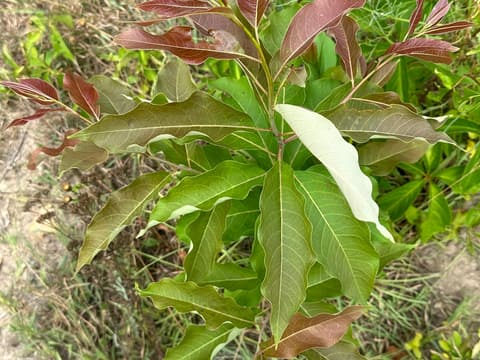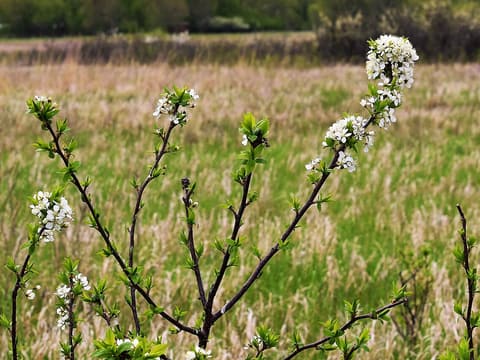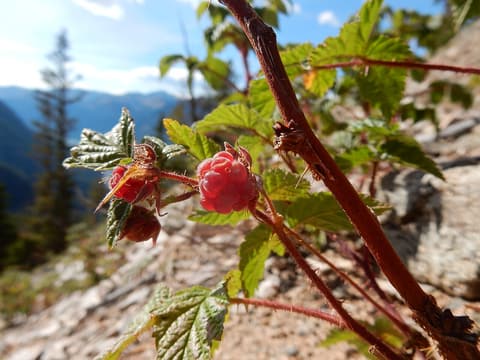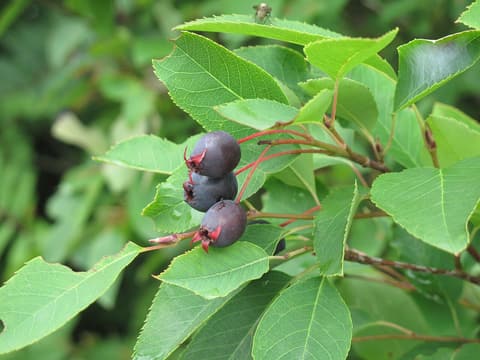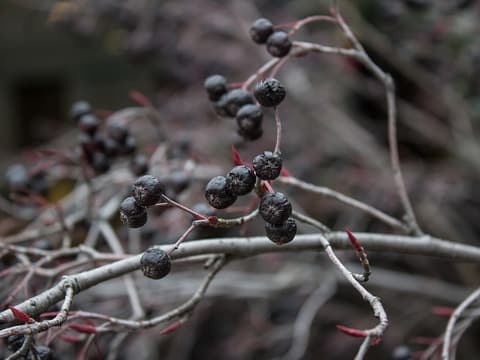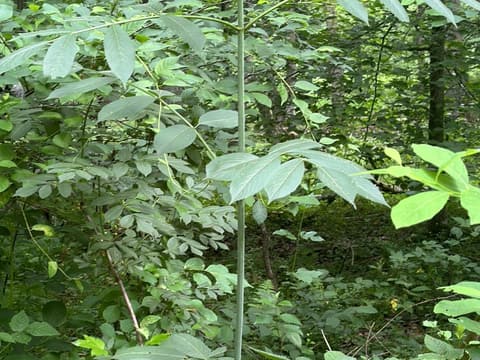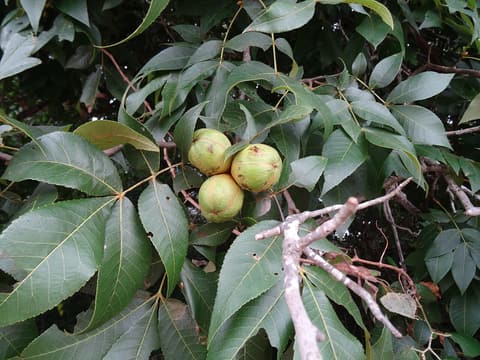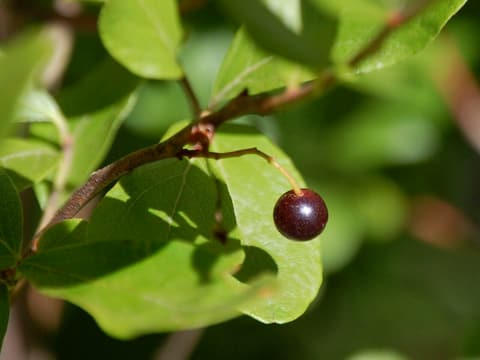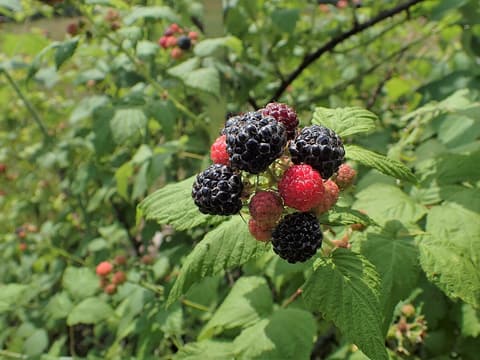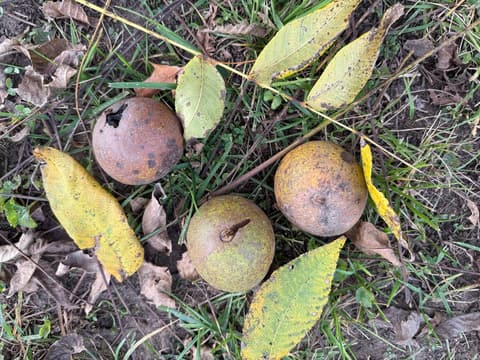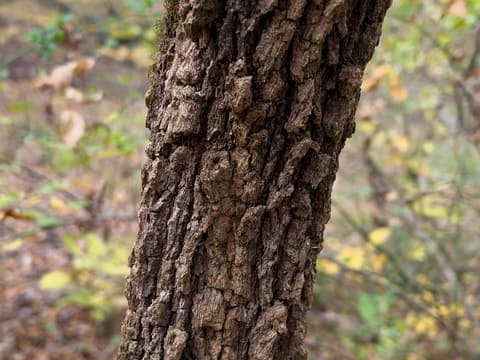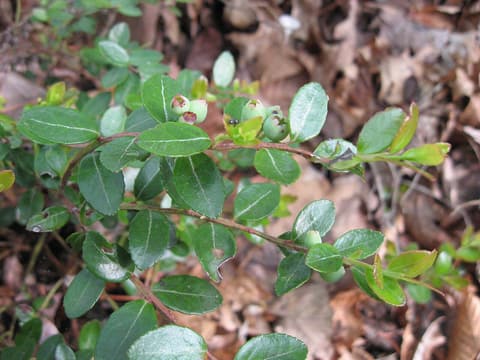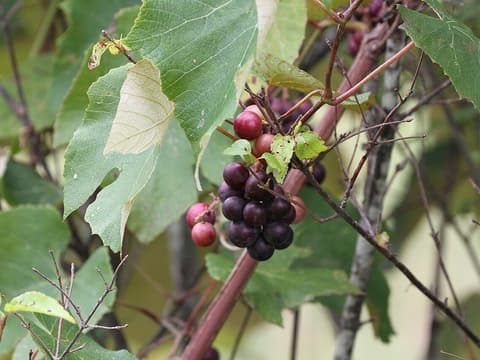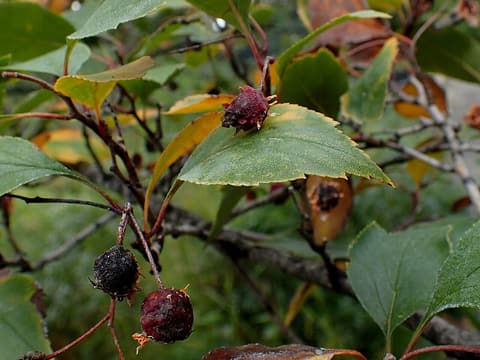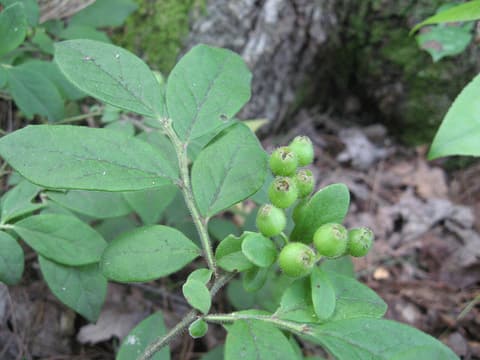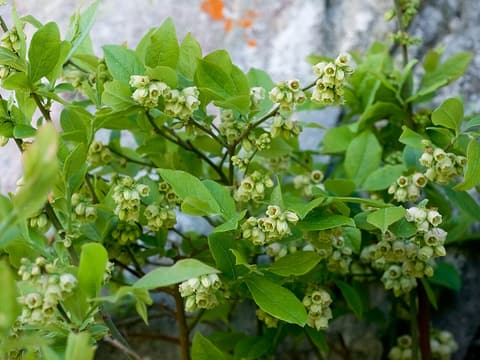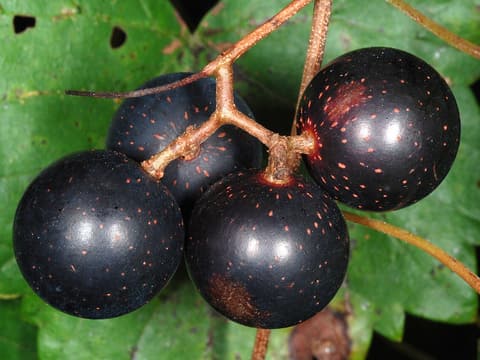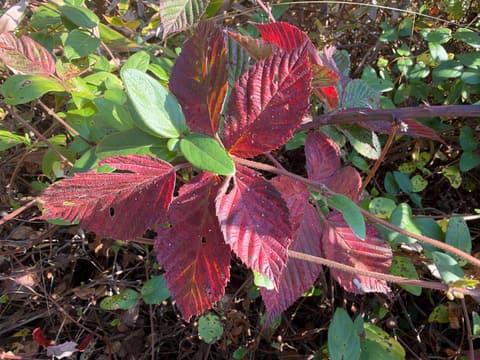
Allegheny Blackberry
Rubus allegheniensisShrubZones 3–83–8 ft
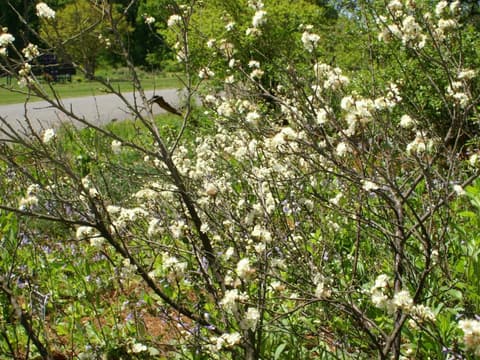
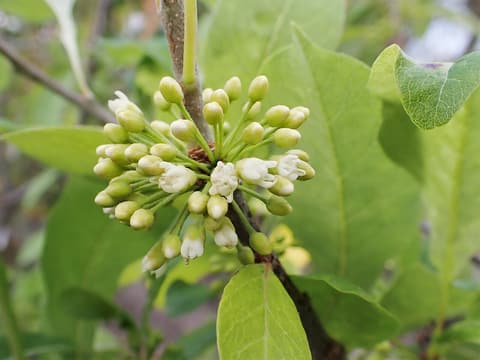
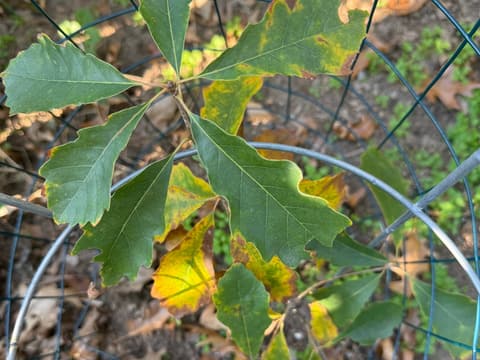
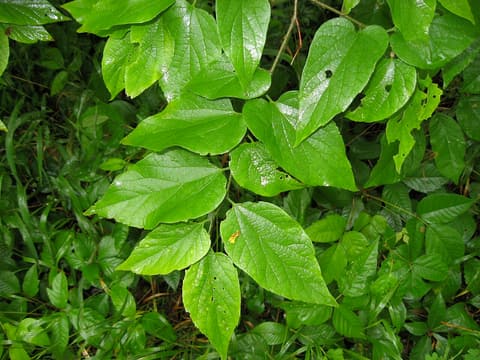
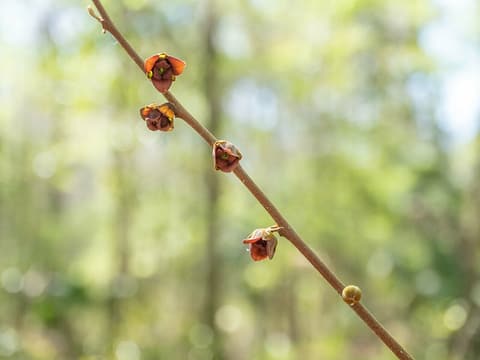
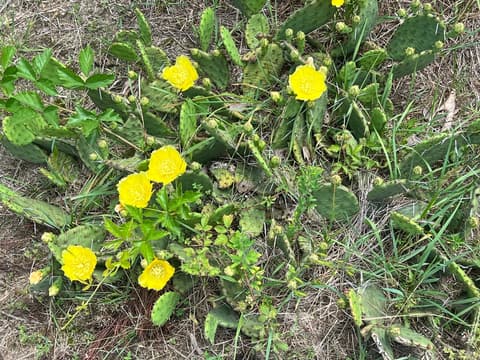
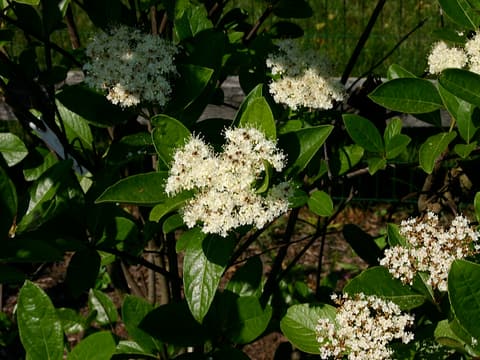
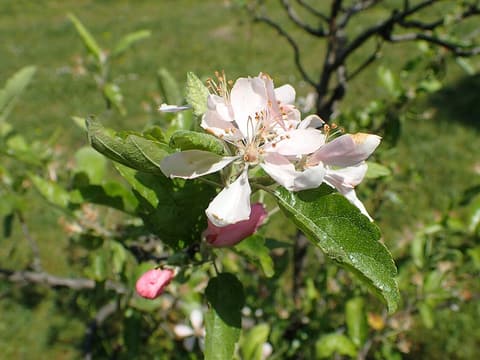
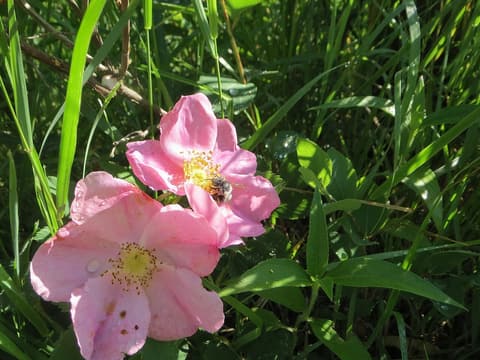
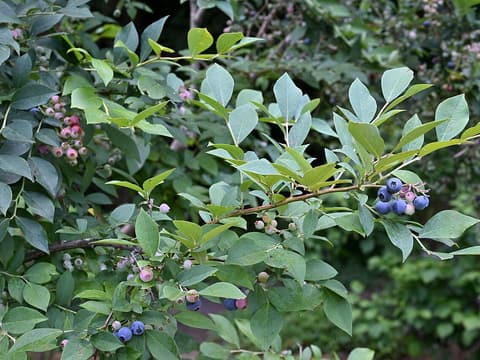
The common wild blackberry of eastern woods edges and old fields, a thorny thicket of arching canes with sweet black berries in midsummer.
Find the right native tree or shrub for your site by filtering on USDA hardiness zone, mature size, sun, soil moisture and what you want from each species. The list narrows as you set each filter. Every result is a tree or shrub we grow from seed, so anything it shows can be requested now and ordered once it is priced.
Still a long list. or set a height limit.
Want one of these? Email me when it is ready to order. Notify me
The common wild blackberry of eastern woods edges and old fields, a thorny thicket of arching canes with sweet black berries in midsummer.
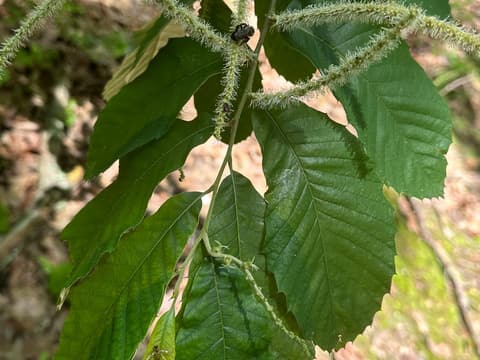
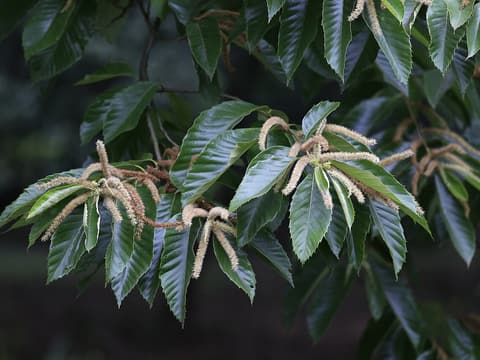
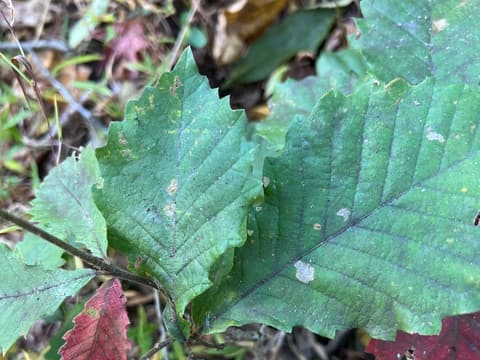
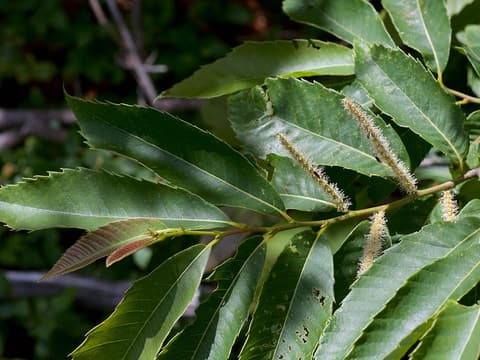
A shrubby native cousin of the American chestnut, Allegheny chinquapin ripens one sweet nut per small bur and bears within a few years of planting.
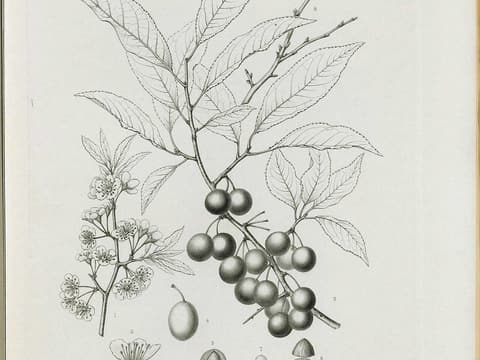
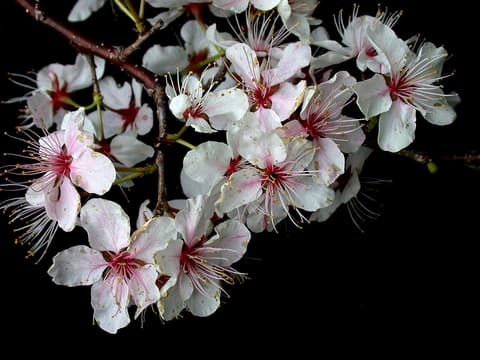
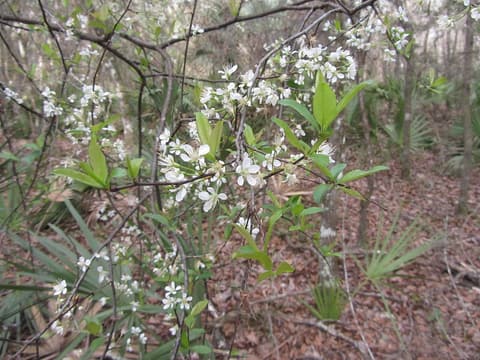
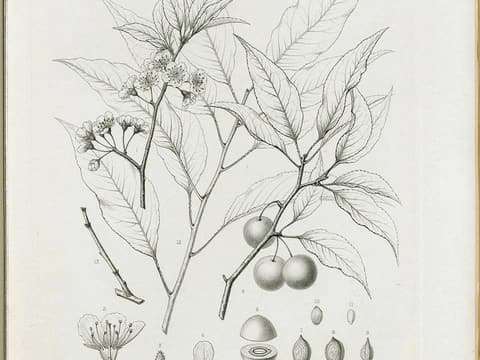
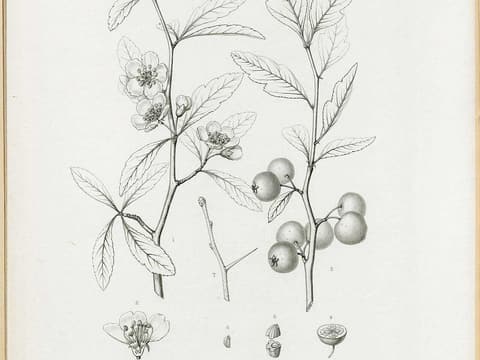
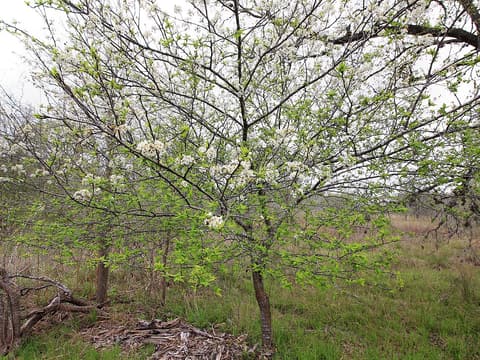
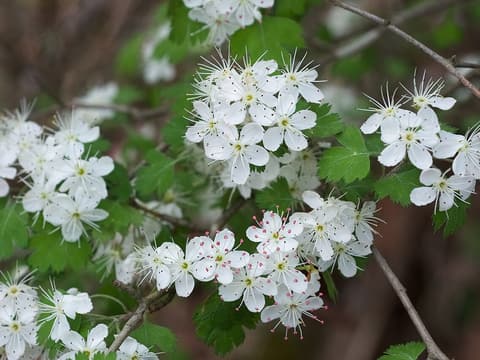
A rare thicket plum of the Appalachians, with white flowers that fade to pink and small dark purple plums under a blue bloom.
Bronze-purple new leaves under white flowers, and the sweetest fruit of the serviceberries.
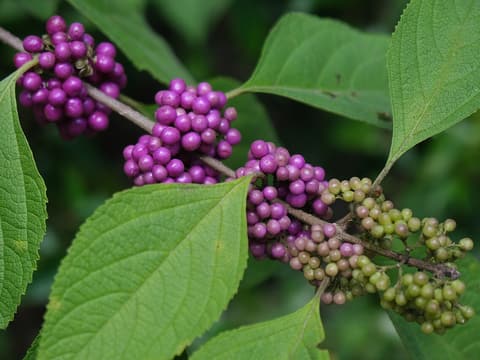
Glossy violet berries ring every stem in fall and feed mockingbirds and thrushes into winter. A fast, easy native shrub for sun or light shade.
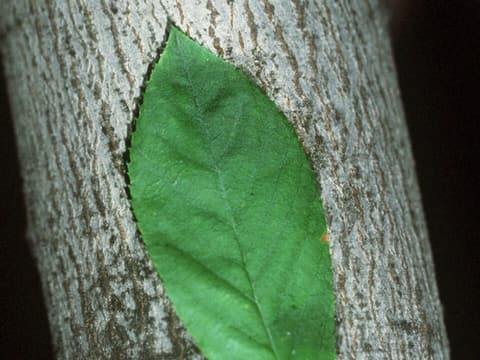
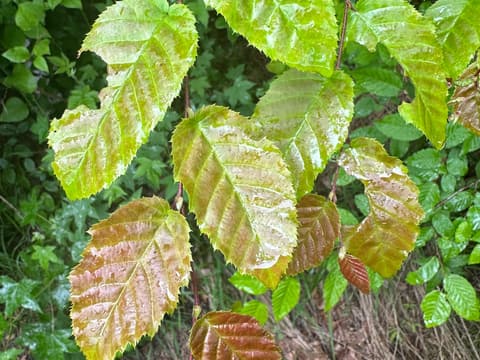
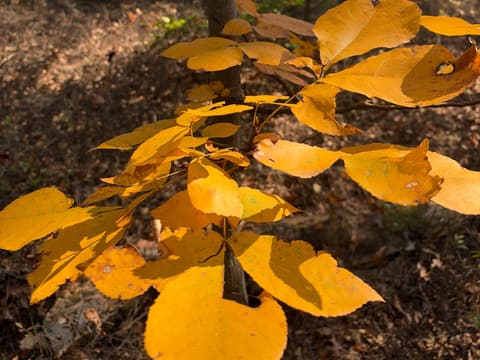
A smooth, silver-gray tree of eastern forests, with triangular nuts that feed wildlife and copper fall leaves that cling through winter.
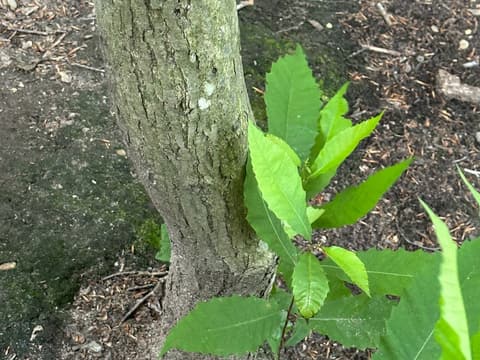
Once a dominant tree of the eastern forests, with sweet nuts for people and wildlife, now held to sprouts by a blight that kills its stems but not its roots.
Fragrant pink-white blossoms in May and hard green fruit that makes exceptional jelly.
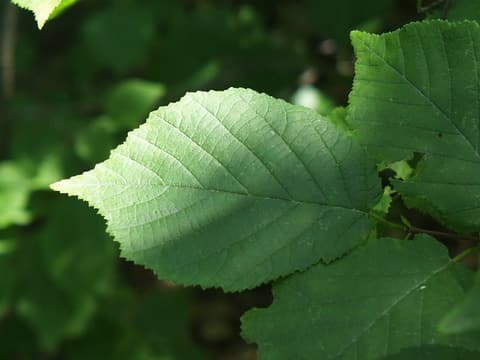
Sweet native filberts in late summer on a dense, easy hedgerow shrub.
Sweet orange fruit after frost, blocky alligator bark and a tree that grows nearly anywhere.
A thicket-forming wild plum for dry banks and wet ground alike, with fragrant white spring bloom and tart red-yellow fruit for jelly and wildlife.
The native red raspberry of northern woods and mountain clearings, a bristly, suckering bramble with soft, sweet red berries in midsummer.
The most northern of the eastern serviceberries, a low shrub of cool bogs and mountain woods with white flowers and pear-shaped purple fruit.
The dune plum of the Atlantic coast: salt-proof, drought-proof and covered in white bloom each May.
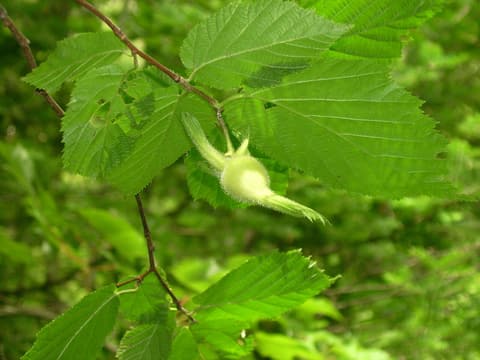
A small, suckering native hazel of northern and mountain woods, whose tasty nuts ripen inside bristly husks drawn out into a long beak.
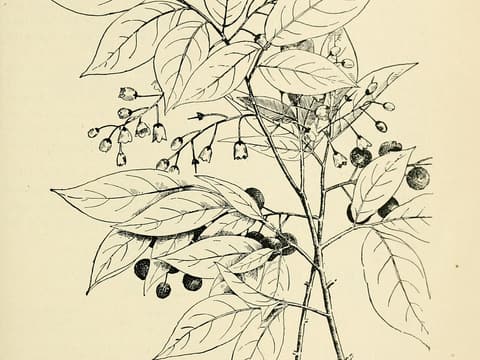
A colony-forming huckleberry of southern Appalachian oak and pine woods, with greenish bells in May, glossy black berries and fall color.
The largest native cherry, a fast-growing tree with drooping spikes of white flowers in spring and black cherries in summer for birds, bears and jelly.
White spring flowers, glossy black antioxidant-rich berries and some of the best red fall color of any shrub.
Broad white flower plates in June, purple-black berries in August, and a magnet for dozens of bird species.
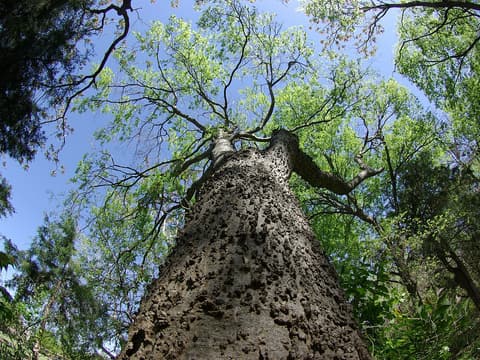
A hickory of dry, rocky hills, with near-black, deeply furrowed bark, rusty-scaled buds and small, sweet nuts.
A low, colony-forming shrub of dry acidic woods with sweet, seedy black berries and crimson fall leaves.
The eastern native blackcap, with arching canes dusted white and sweet purple-black berries in early summer for jam, pies and the birds.
Rich, strong-flavored nuts and the most valuable timber in the East, on a fast-growing tree for big spaces.
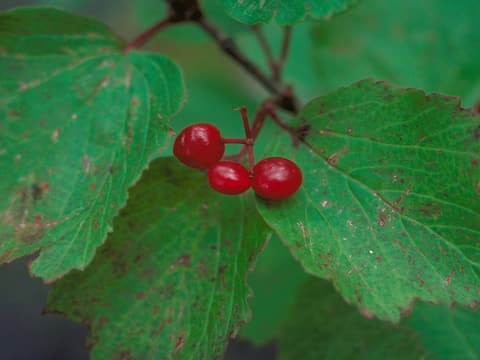
A tough, tree-like viburnum with white spring flowers, purple-red fall color and sweet blue fruit.
A foot-high evergreen ground cover with glossy leaves, pink-white bells in May and sweet blue berries, from a shrub whose wild patches live for centuries.
A thorny small tree of stream banks and limestone bluffs, with clusters of tiny white flowers in summer and black fruit that birds and squirrels eat.
A massive, drought-hardy oak of the prairie edge, with corky bark, a broad crown and the biggest acorns of any native oak in fringed, mossy cups.
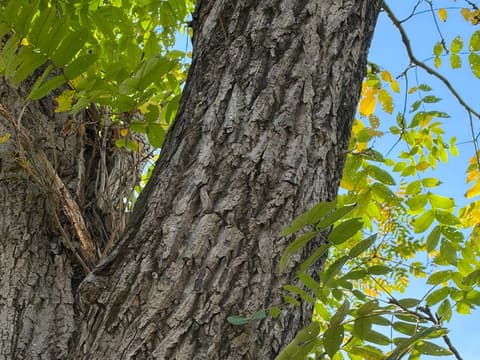
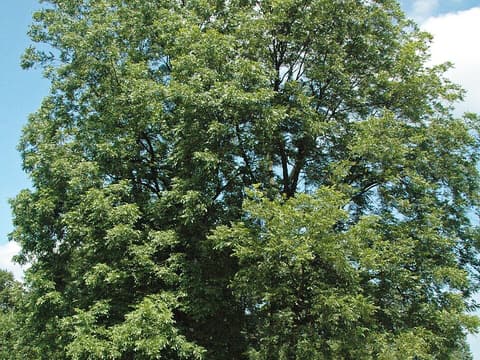
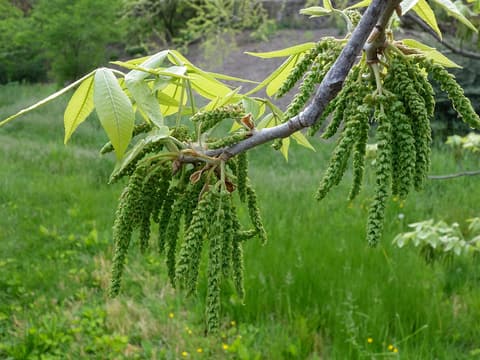
The native white walnut, with sweet, oily nuts and ash-gray bark, now dying across its range from butternut canker.
The northernmost native plum, a hardy small tree with fragrant white flowers that blush pink as they age and red to yellow plums for jam.
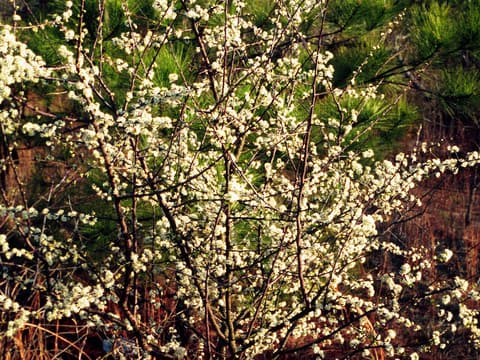
A thicket-forming wild plum that flowers white in late winter, before its leaves, and ripens tart red or yellow plums for jelly in early summer.
Blight-resistant chestnuts for the home orchard: large sweet nuts on a spreading, drought-tolerant tree.
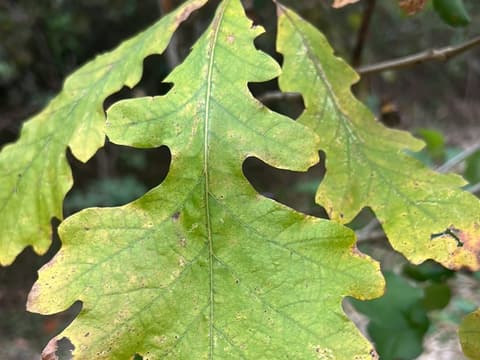
The white oak of limestone bluffs and glades, at home in alkaline soil, with glossy chestnut-like leaves and sweet acorns that wildlife and people eat.
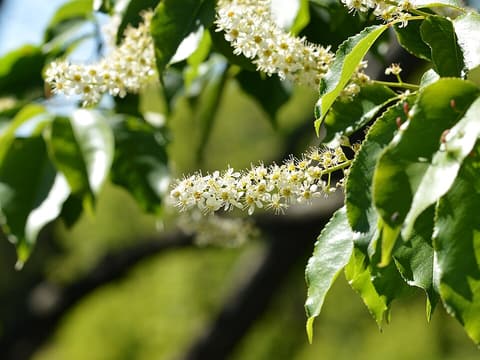
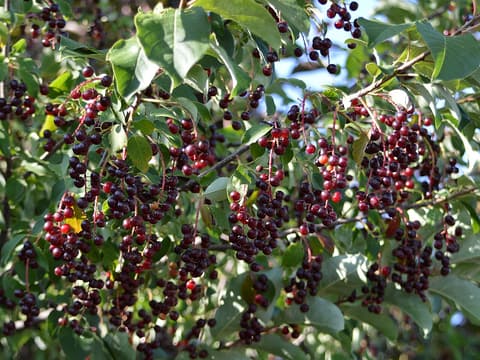
A tough, thicket-forming native cherry with fragrant white flower spikes in spring and dark red to black cherries for jelly, syrup and birds.
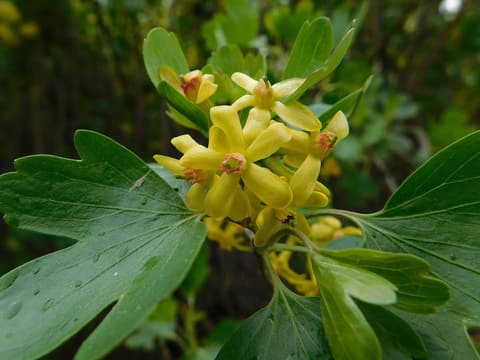
A thornless Plains currant whose golden yellow spring flowers smell of cloves, followed by sweet black berries for jam, jelly and pie.
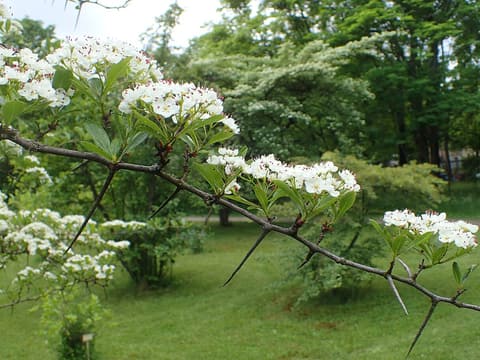
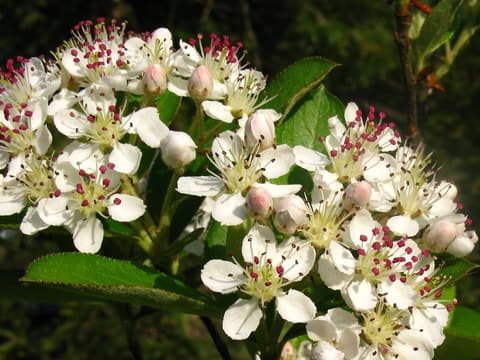
A flat-topped native hawthorn with thorns 2 to 3 inches long, white flowers in May and June, and dull red haws that often hang on until January.
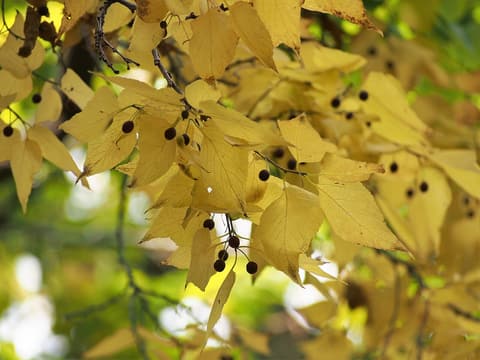
Sole host of the hackberry emperor and American snout, with sweet fruit held for waxwings and bluebirds until March. A tough tree for dry or city ground.
An evergreen blueberry that creeps into a mat under a foot or so tall, with pink bells in April, black berries in summer and bronze new growth.
A huckleberry for sandy, acidic ground, damp or dry, that spreads into thickets hung with sweet blue berries in summer and turns orange in fall.
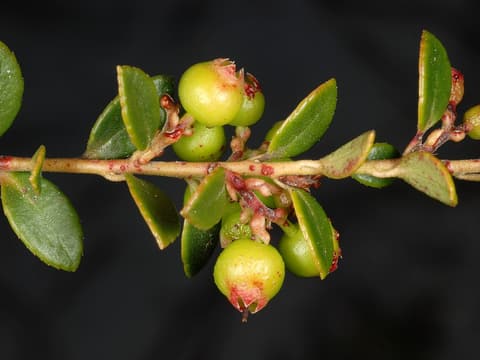
A low evergreen blueberry of Gulf Coast pine flatwoods, with tiny blue-green leaves under a silvery bloom, pink-tinged bells and edible blue berries.
Missouri's state flower, a broad native hawthorn that blooms early in spring, with soft, downy leaves and red haws up to an inch across.
First to bloom in the woods, first fruit of summer, and orange-red fall color. A four-season small tree.
A true shrub oak that starts dropping sweet, low-tannin acorns within a few years of planting.
A small, twisting hackberry for dry, rocky ground, with sweet orange fruit for birds and leaves that feed hackberry emperor caterpillars.
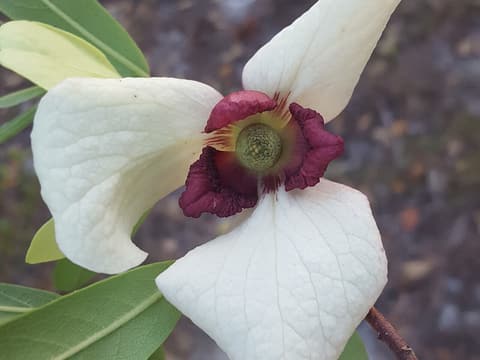
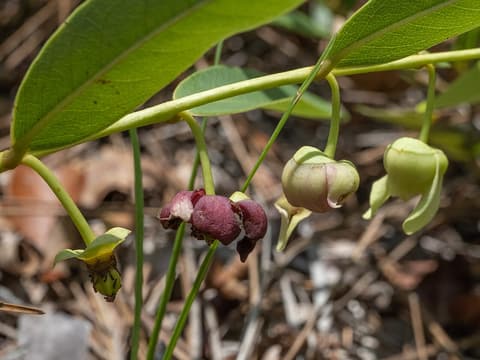
A pawpaw in miniature for dry southern woods, with maroon spring flowers, small sweet fruit and leaves that feed zebra swallowtail caterpillars.
The one cactus native across the East, a low mat of flat pads with big yellow flowers in early summer and edible fruit, for the driest, sunniest ground.
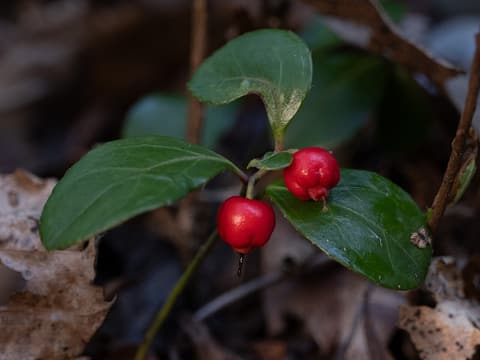
An evergreen groundcover for acidic shade, with glossy leaves that smell of wintergreen and red berries that often hang on through the winter.
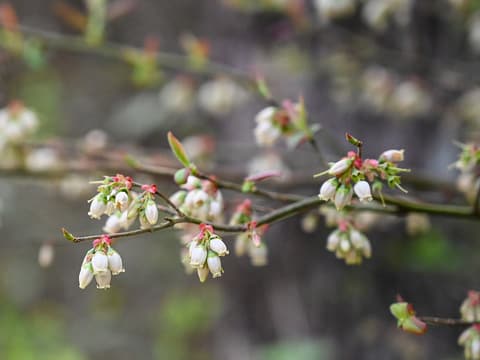
A wild southern blueberry that hangs white bells on bare twigs before its leaves, ripens sweet black berries by early summer and turns scarlet in fall.
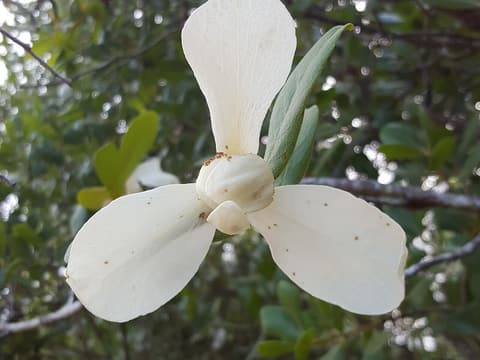
A Florida pawpaw of sand ridges and scrub, with large lemon-scented white flowers from late winter and green fruit that people and wildlife eat.
A small, single-trunked southern plum that clouds over with white bloom before its leaves, then ripens tart to sweet purple plums for jelly and wildlife.
The eastern wild grape behind Concord, a climbing vine whose large, musky, slip-skin grapes ripen in early fall for jelly, juice and wildlife.
A southern bottomland hawthorn, often with few thorns, that bears white flowers in spring and small red fruit that holds on well into winter.
A low, colony-forming blueberry of the southern Appalachians, hairy in every part, down to its sweet, fuzzy, blue-black berries.
A low wild blueberry of dry, rocky hillsides that spreads into colonies, with sweet blue berries in summer and scarlet leaves in fall.
A wild plum that grows as a single small tree rather than a thicket, with white spring flowers and red or yellow plums about an inch across in late summer.
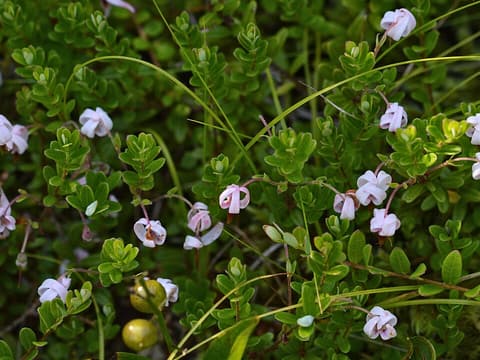
A low evergreen mat of wiry runners, with pink crane-like flowers in early summer and red fall berries, the wild parent of the cultivated cranberry.
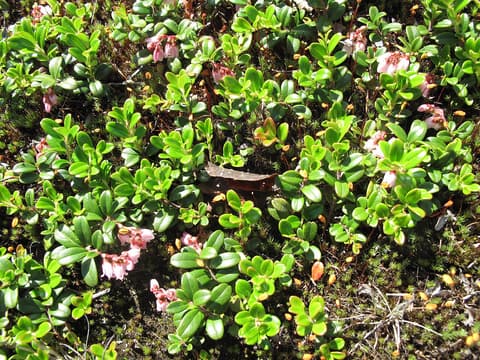
A low evergreen of northern rocks and bogs, with pink bell flowers and tart red berries for sauce and jam, for gardens with cold winters.
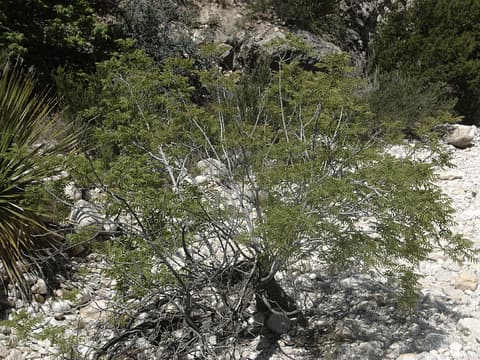
The smallest of the walnuts, a drought-hardy tree of Texas and the southern Plains with fine, narrow leaflets and marble-sized nuts.
A thorny native hawthorn of southern swamps that flowers white in late winter and ripens tart red fruit in May, the fruit of mayhaw jelly.
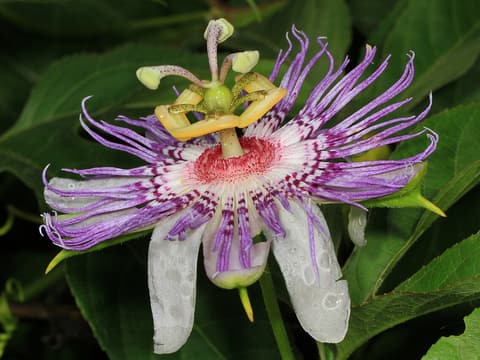
The hardiest native passionflower, a vine with fringed lavender flowers all summer and egg-sized fruits that pop when you step on them.
A single-trunked wild plum that does not sucker, with fragrant white bloom before the leaves and purple plums for eating fresh or for jelly.
A squirrel's preferred mast, with citrus-scented leaves, fat furry winter buds and clear gold fall color, on a hickory the trade seldom sells.
A small native shrub of northern bogs and wet woods, a wild relative of the haskap, with paired pale yellow flowers and edible blue berries.
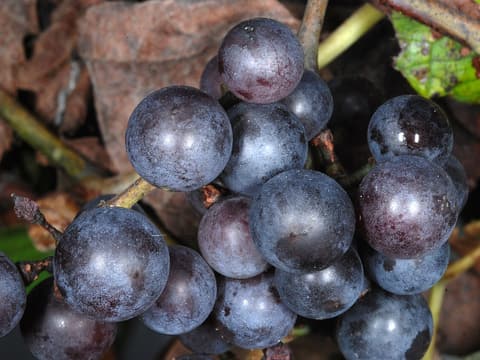
The South's native grape vine, with thick-skinned purple-black or bronze grapes in late summer and fall for eating fresh, jelly, wine and wildlife.
A big, adaptable viburnum with creamy flowers, edible blue-black fruit and wine-red fall color.
A rare, low serviceberry of the sandy Atlantic coast that spreads into a colony: white flowers in May and edible blue berries by July.
A low Florida pawpaw of flatwoods and scrub, with fragrant white flowers banded dark purple inside from winter into spring, and edible fruit.
Northern-adapted pecan from the upper reaches of its range, ripening thin-shelled nuts in short seasons.
The rarest hickory, with leaves backed in silvery scales and sweet, thick-shelled nuts that look like nutmegs, from scattered stands across the South.
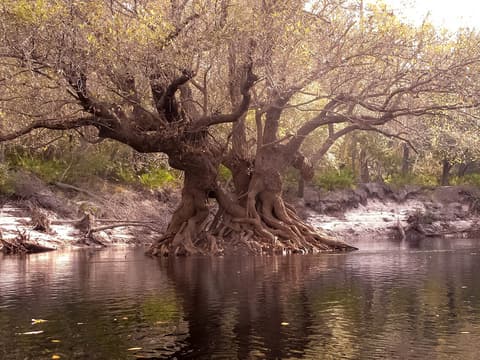
The tree behind tupelo honey, with tart red fruit known as Ogeechee lime on the females, for ground that floods or stays wet.
The Ozarks' own chestnut, once a tree of 60 feet with sweet nuts for people and wildlife, now rare because chestnut blight kills its stems to the ground.
A small southern hawthorn with leaves cut fine as parsley, white flowers with red anthers in early spring, peeling bark and glossy scarlet fruit.
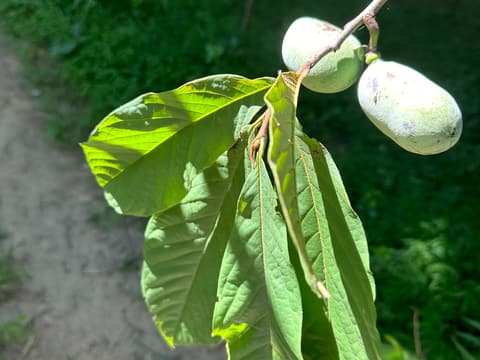
The largest native fruit in North America, custard-sweet and tropical, on an understory tree of rich bottomlands.
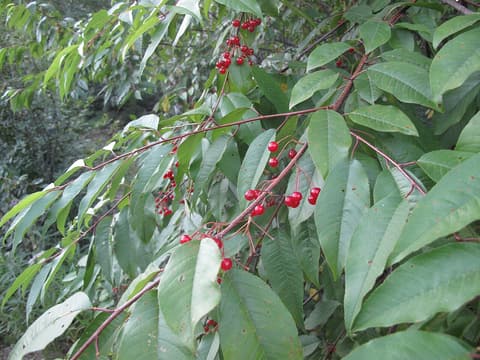
A fast pioneer cherry that springs up after fire, with white spring flowers, shiny red-brown bark and sour red cherries for dozens of birds.
A glossy-leaved viburnum for wet ground whose berries turn pink, blue and purplish black, often all at once in the same cluster.
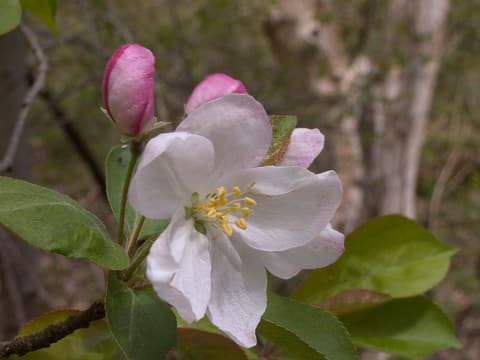
The wild crabapple of the Midwest prairies, whose pink buds open to fragrant blossoms in spring before waxy green apples ripen for jelly and wildlife.
The wild rose of the northern forests, a thicket of bristly stems with fragrant pink flowers in early summer and red hips that last the winter.
The tall blueberry of Southern gardens, with white or pink bells in spring and sweet blue berries through summer, tougher in heat and drought than highbush.
A tall, suckering shrub of bogs and swamps with white spring flowers, glossy red fruit that hangs into winter and blazing red fall leaves.
An upland hickory with sweet nuts, leafstalks often tinged red and gray bark that turns slightly shaggy with age.
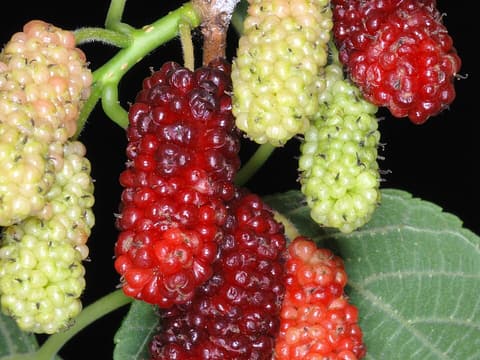
The native mulberry, with big sandpapery leaves and long, sweet, dark fruit that birds and people fight over.
A hardy native grape vine that climbs by tendrils along streams and fences, with fragrant spring flowers and tart blue-black grapes for birds and jelly.
A shrub of rocky slopes and sandy woods with nearly round leaves, white spring flowers and sweet dark purple fruit, rare at the edges of its range.
A low serviceberry that spreads by runners into thickets on rocky ground, with white flowers in spring and purple-black fruit for birds in summer.
Glossy, leathery leaves that turn deep red in fall, white flower clusters in spring and sweet blue fruit, on a small southern tree.
A low, tough shrub of dunes, beaches and sandy prairies, with white spring flowers and purple-black cherries for jam from its second or third year.
A hickory of dry, sandy woods and ridges, with silvery scales beneath its leaves and small, sweet nuts.
A suckering shrub of the northern Plains and the West, with fragrant white flowers in spring and sweet purple-black berries for pies and jam.
A small hickory of Florida's dry scrub sand, with sweet, hard-shelled nuts and rusty scales beneath its leaves.
A clump-forming serviceberry of swamps and wet thickets, with upright white flower clusters in early spring and sweet purple-black berries by June.
Peeling plated bark, golden fall color and the sweetest wild nut in the eastern forest.
The largest hickory nut, sweet and thick shelled, on a shaggy-barked tree of river bottoms that stands spring floods. Rare in the wild and rarer in nurseries.
A pawpaw of southern sandhills and pine savannas with long, slim leaves, nodding white fragrant flowers in spring and summer, and edible fruit.
A southern wild crabapple whose pink blossoms smell of violets in spring, followed by small, sour, yellow-green apples for jelly and wildlife.
A pawpaw only a foot or two tall, of Florida and Georgia flatwoods, with maroon flowers in spring and fruit that gopher tortoises eat.
A northern viburnum with lobed leaves that turn brilliant red in fall and sour red fruit for jam, for cool, moist woods and stream banks.
The hackberry of southern bottomlands, a fast shade tree for wet or dry ground, with warty gray bark and sweet fruit that birds eat into winter.
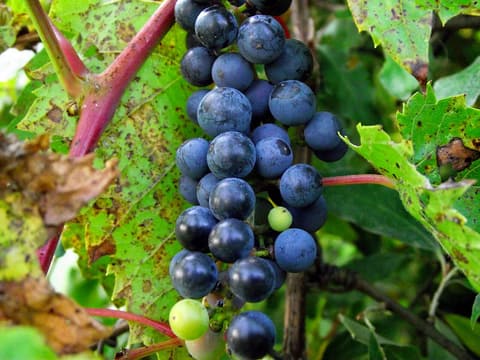
An eastern native grape of dry upland woods that climbs by tendrils into the treetops, with clusters of small blue-black grapes from late summer.
Huge, sweet acorns and clean chestnut-like foliage, collected from a superior parent tree.
A white oak for wet ground, with peeling bark, two-toned leaves that flash silver in the wind and acorns that hang on long, slender stalks.
A low wild blueberry of the North with softly hairy leaves that turn red in fall and sweet, tart blue berries from July into September.
The mayhaw of the Gulf states, a thorny hawthorn of wet river bottoms that blooms white in February and ripens red fruit for jelly in May.
The great white oak of eastern woods, a broad shade tree that can live 600 years, with wine-red fall color and sweet acorns that wildlife seek out.
A thornless currant of moist woods and stream banks, with drooping yellow-green flowers in spring, black berries in summer and gold and crimson fall leaves.
A bog huckleberry of the Gulf coast whose twigs, flowers and sweet black berries all bristle with long, glandular hairs.
A Florida and Georgia pawpaw of sandhills and old fields, with soft woolly leaves, creamy white flowers in spring and edible fruit.
A thorny wild plum that suckers into thickets along streams, with fragrant white flowers before the leaves and red or yellow plums in late summer.
The shagbark of the southern Piedmont, with sweet nuts, golden fall color and shaggy gray bark.
Ask what is ready: put the first 12 on my request list.
The finder answers as you choose and has a height limit. The shop lists the same trees and shrubs, with a search box and a native state filter: see these in the shop.
The address follows your filters, so the link saves this list.
Narrow the list to 12 or fewer and we can email you when any of them is ready to order.
Be first
One email per plant you tick, when it is priced, and nothing else. Each carries a code for 10% off the plants in that order, not shipping or tax. Or ask, and we reply with what is ready now.
While you wait, ask what is ready now.
In the finder's list the best fit comes first: trees and shrubs whose pages list your sun and soil outright, then those that only tolerate them. Within each group, those with your zone in the middle of their range come before those at its edge.
No: the finder lists native trees and shrubs to plant, matched to your zone, size, sun and soil. To name a tree you found, use the tree identification tool, which names it from a photo of a leaf, the bark, a twig, fruit or a flower.
Set the finder's height limit to the room you have: it matches the top of each species' typical mature height. Our article on small trees for a small yard says how far each one goes from a house.
Within 15 feet of the wires, the International Society of Arboriculture says a tree should mature at 20 feet or lower. Virginia Cooperative Extension allows trees to 25 feet within 20 feet of the wires, and suggests large shrubs under 15 feet directly under them.
Divide the hedge's length by the spacing, round down and add one, since a straight row has one at each end: a 40-foot hedge at 4 feet apart takes 11. On its Hedge or screen list, the finder gives each species the spacing its own page sets.
The address carries every choice, so a copied link opens the same list. The page draws that list before any script runs, so a shared link and the page's Markdown copy show the trees and shrubs themselves. These are its keys:
Each tree's facts come from its own page: its zones, mature height, sun, soil, labels and hedge spacing. The 20 and 40 ft height steps are the International Society of Arboriculture's zones by overhead wires (Avoiding Tree & Utility Conflicts (PDF), 2021). Within 15 feet of distribution wires, the species chosen "should have a mature height of 20 feet (6 meters) or lower". From 15 to 50 feet out, it should have "a potential mature height of 40 feet (12 meters) or lower". The planting-site check follows the same zones. The 30 ft step is the small-tree ceiling the growth estimator uses for its generic small tree. Virginia Cooperative Extension draws the low zone wider, to 20 feet from the line, where "trees in the low zone should not exceed 25 feet at maturity" (Selecting and Managing Trees to Avoid Conflicts with Overhead Utility Lines, 2024). Under the line itself it suggests large shrubs with "a mature height of less than 15 feet", the limit's first step. A ZIP code's zone is the 2023 USDA Plant Hardiness Zone Map's ZIP code listing, prepared by the PRISM Climate Group at Oregon State University.
When nothing fits, the site is usually the problem rather than the catalog: tell us the zone, soil, sun and what the tree needs to do, and we will suggest something.
The address carries the tree finder's inputs, so a link opens it filled in, and Copy link on a result writes one: zone (a whole number from 2 to 10), size (shrub, small-tree, medium-tree or large-tree), height (a mature height to stay under: 15, 20, 30, 40 or 60 feet, or 60-plus), sun (full, part or shade), moisture (dry, average or wet), want (one or more of flowers, fall-color, winter-interest, wildlife, honey, edible, evergreen, rare, early-bearing, screening, nitrogen-fixing, salt, street-tree, erosion-control, shade, wet-tolerant or drought, joined by commas), hedge (a hedge or screen length in feet, for a plant count), sort (featured, name, price-asc, price-desc, height, hardy or fast), compare (the slugs of the plants to compare, joined by commas). For example, /tools/tree-finder/?zone=6&size=small-tree&sun=part&moisture=average&want=fall-color.