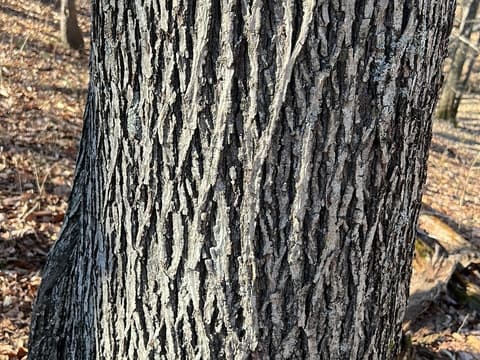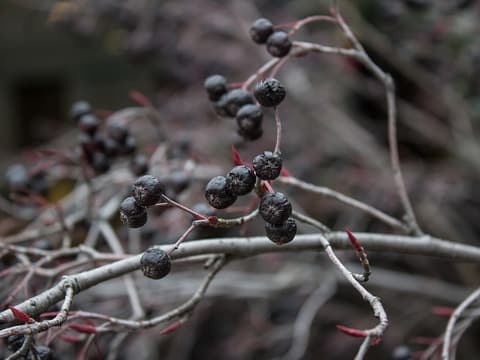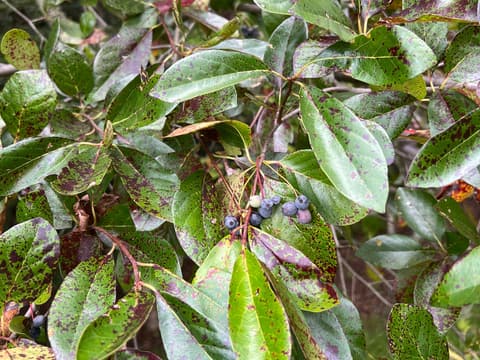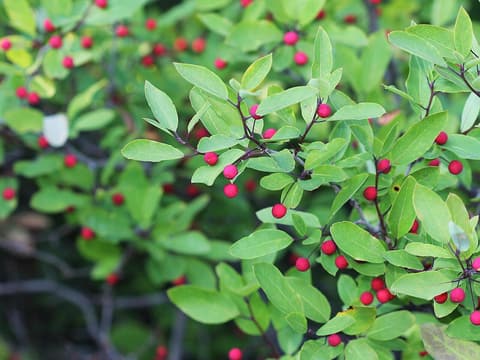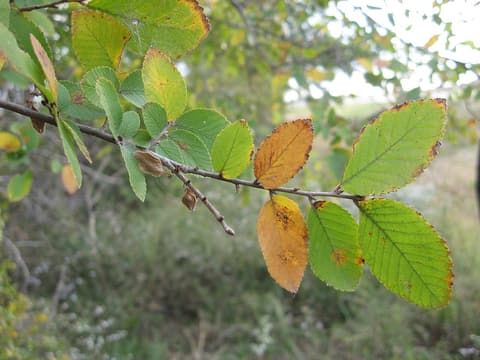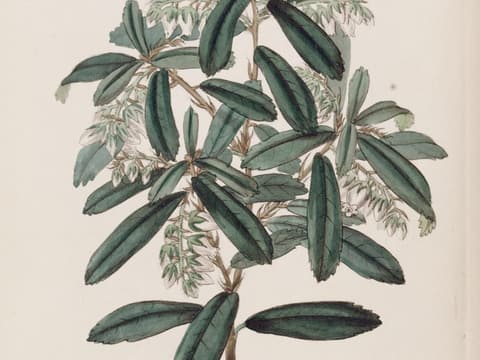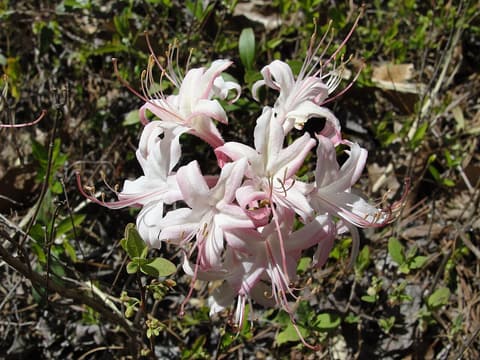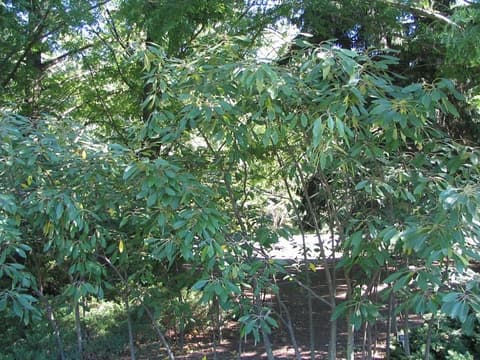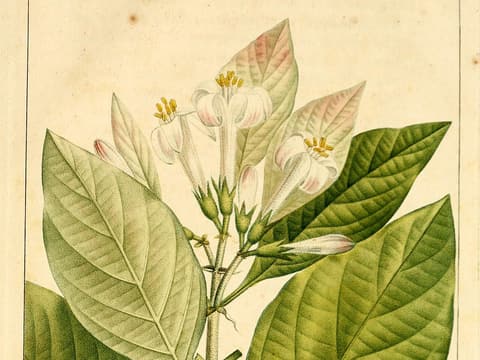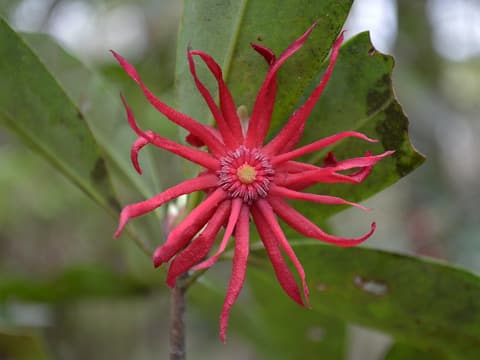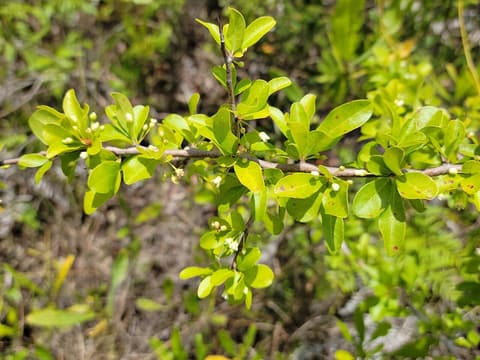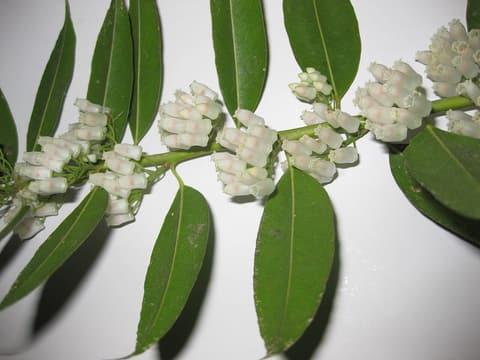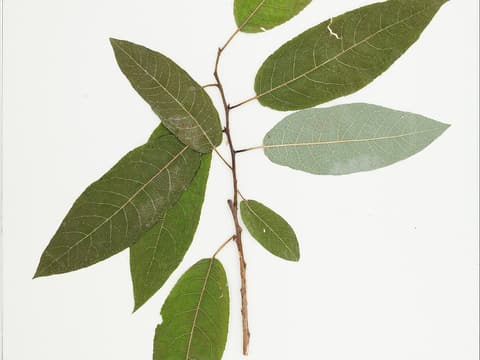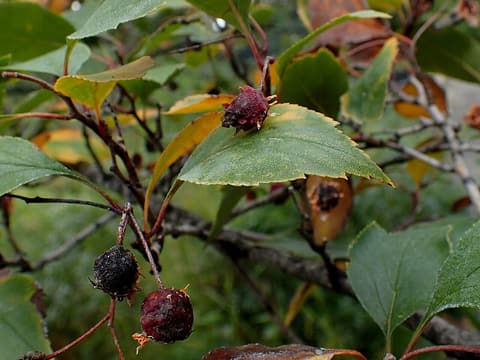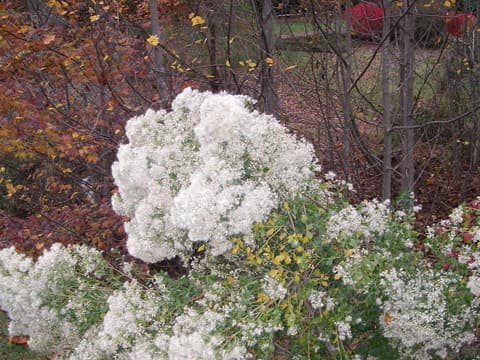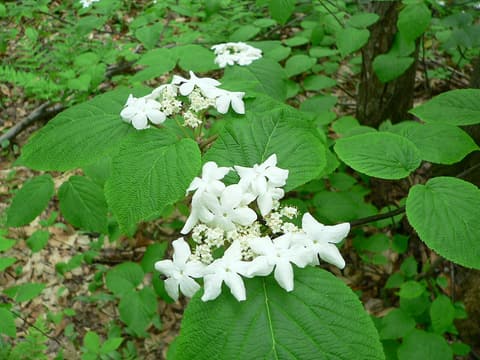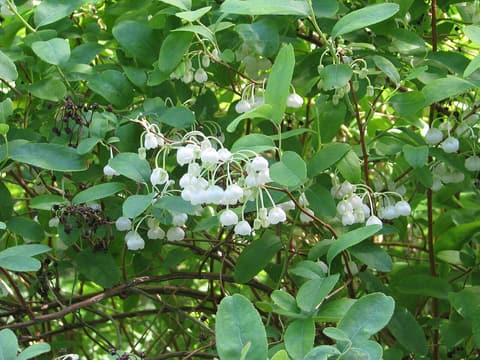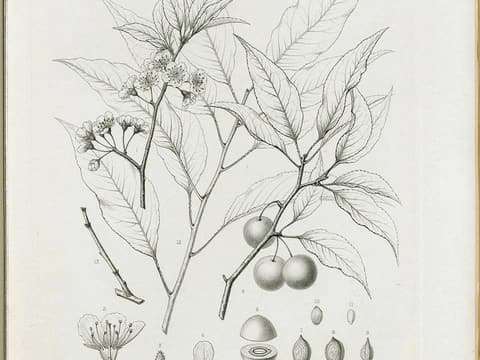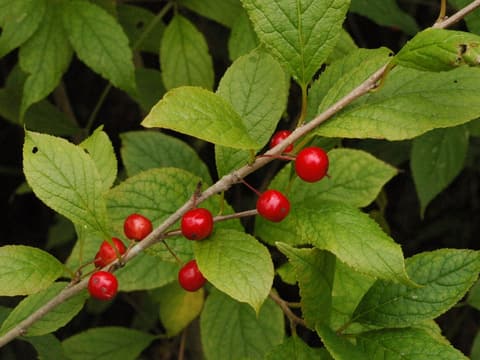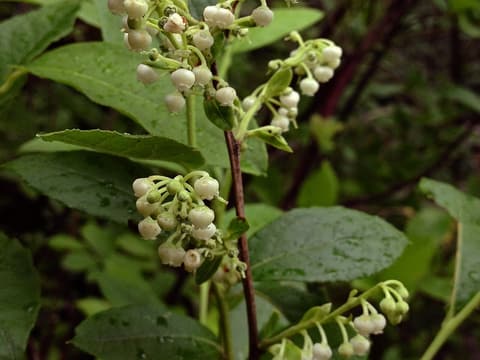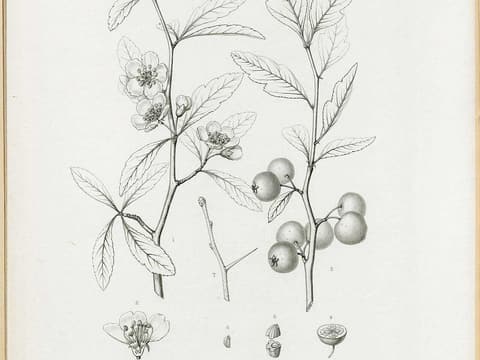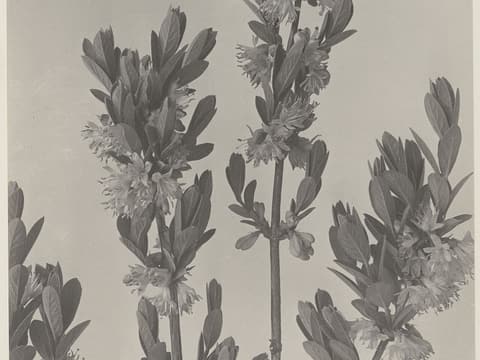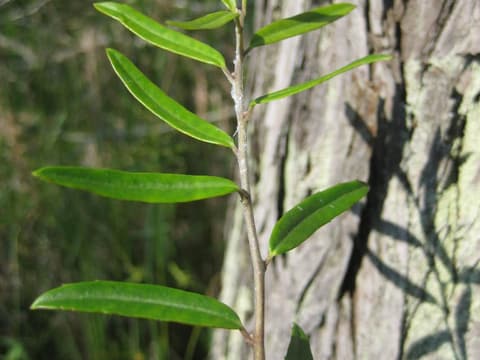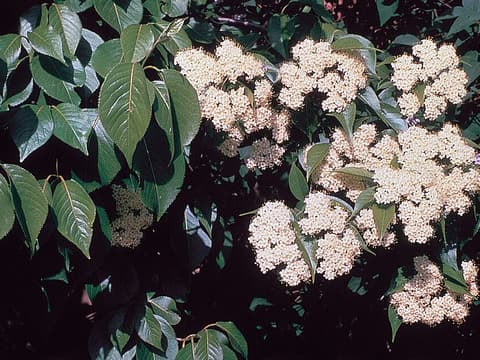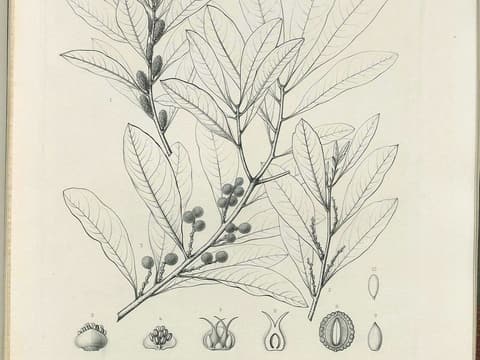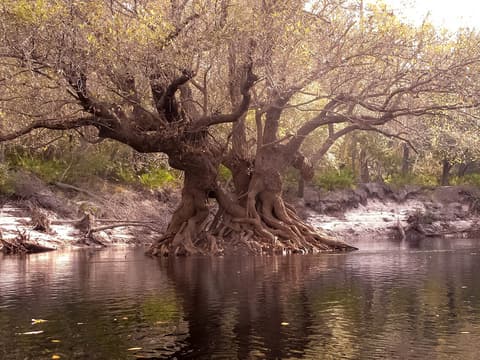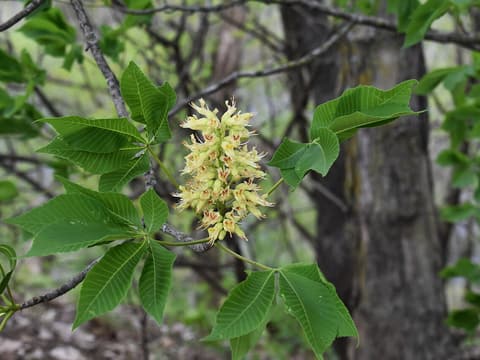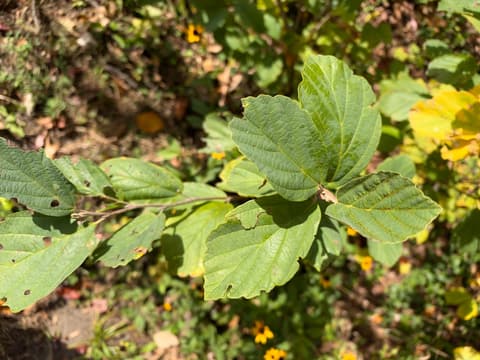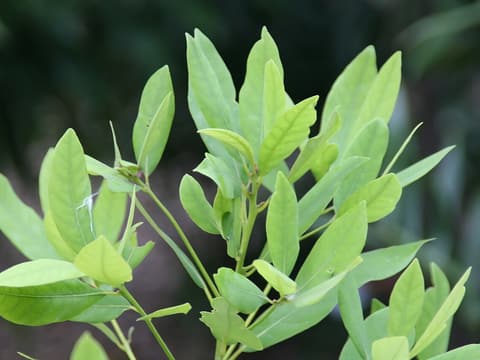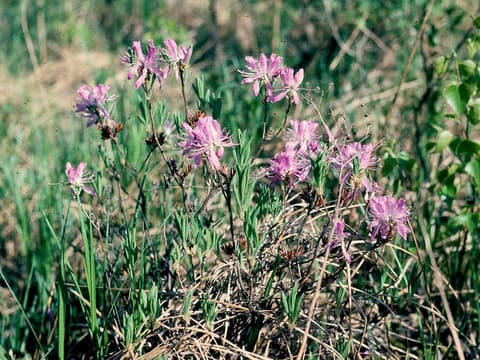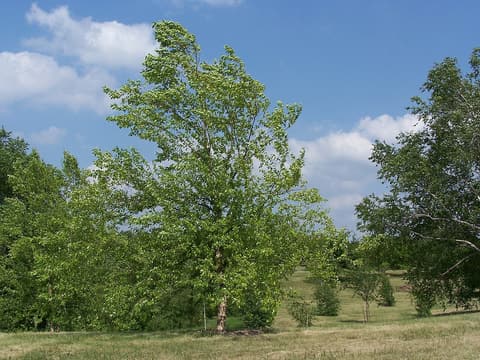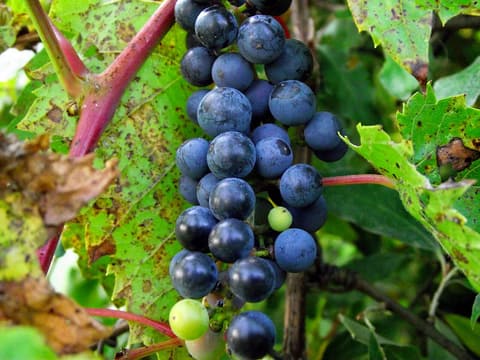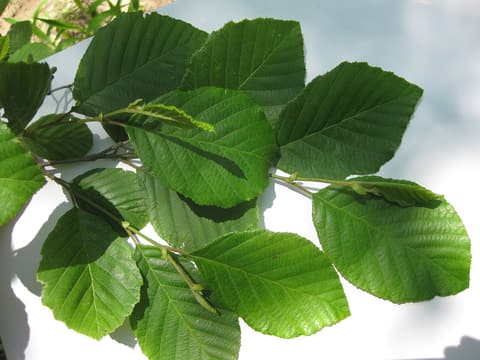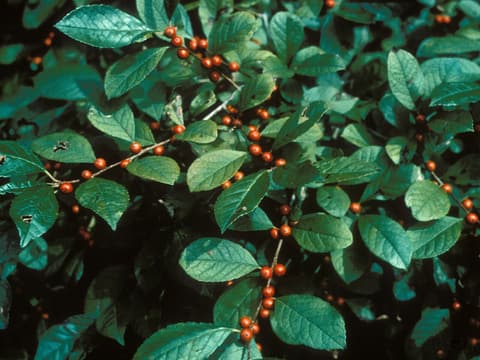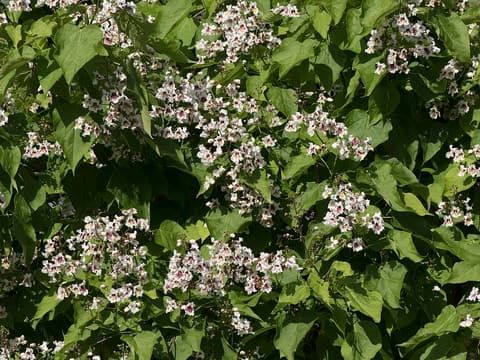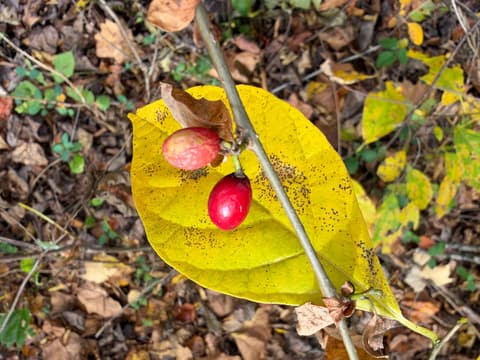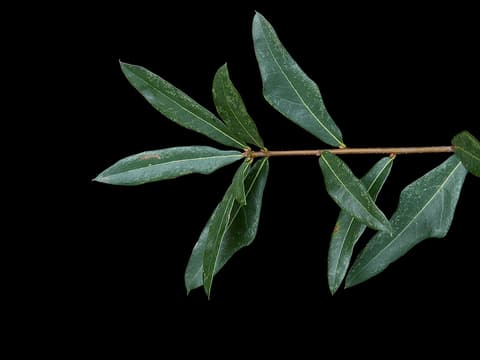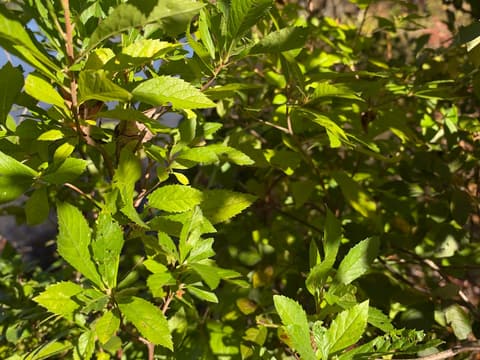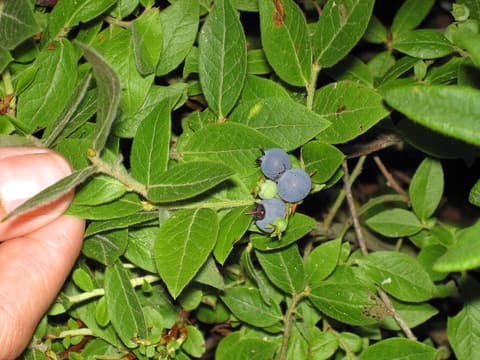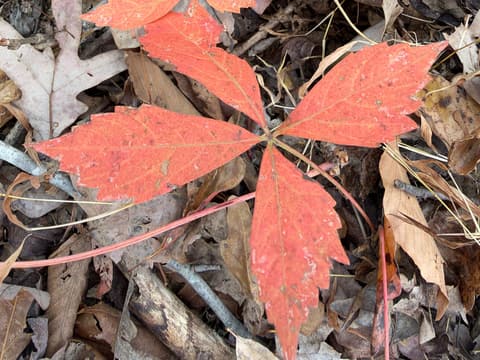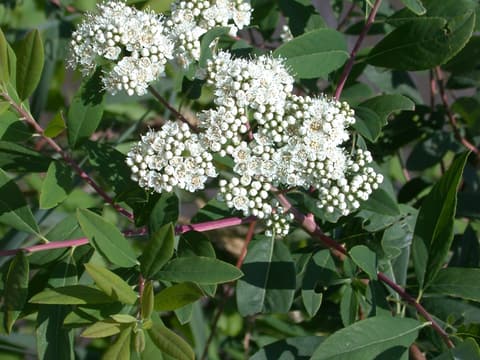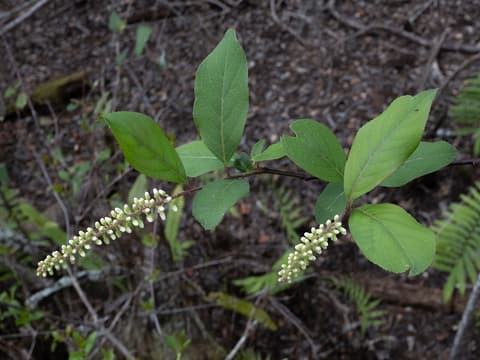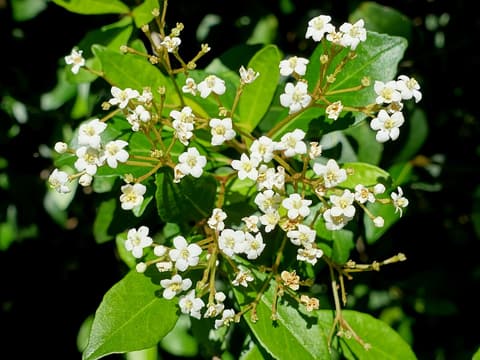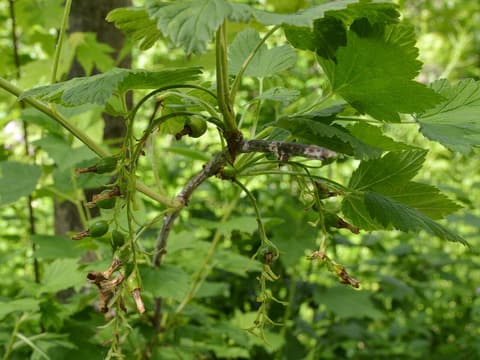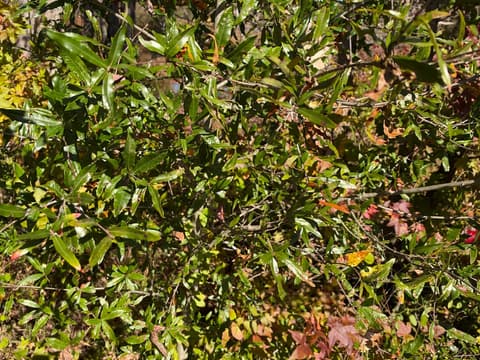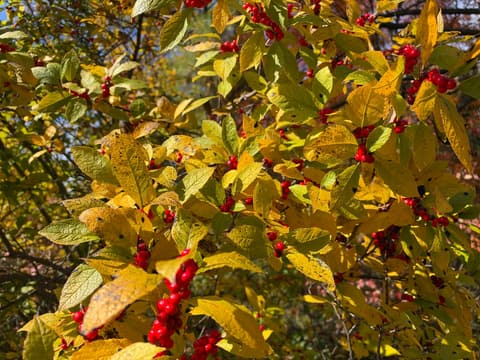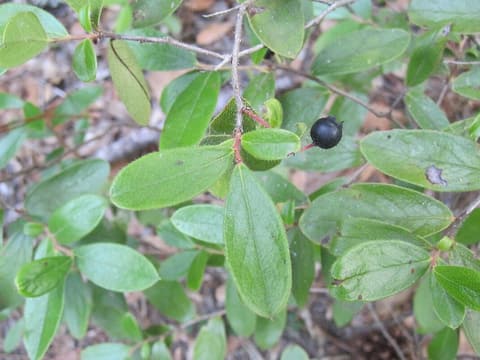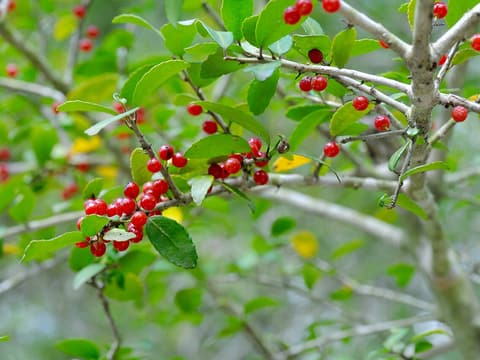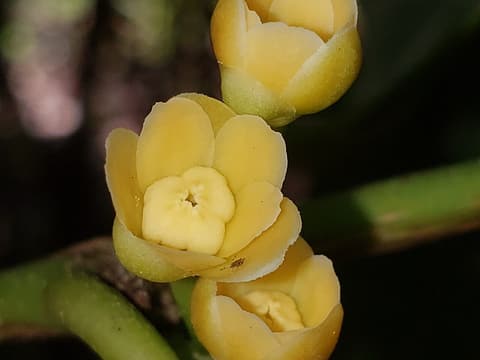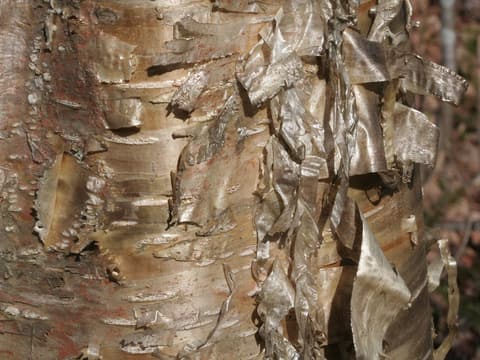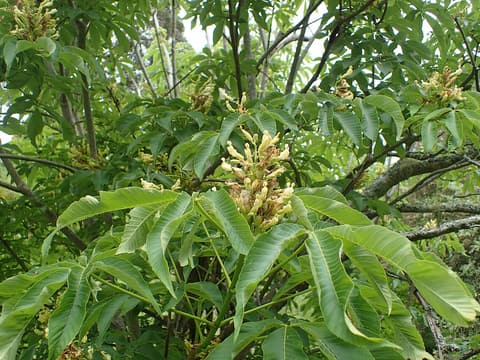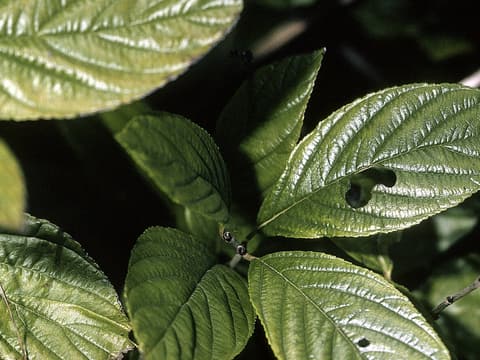
Alderleaf Buckthorn
Rhamnus alnifoliaShrubZones 3–72–5 ft
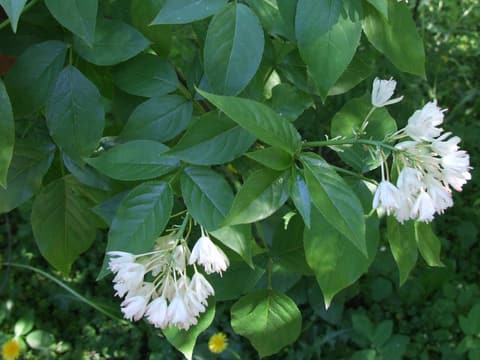
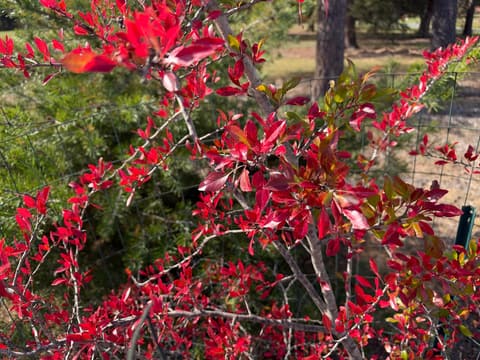
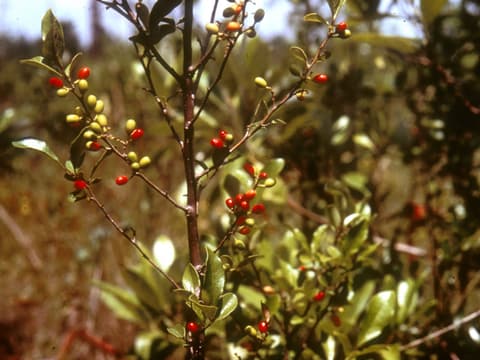
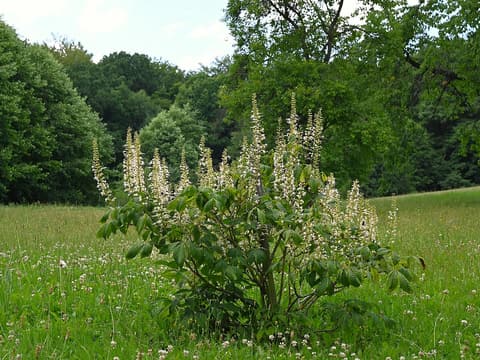
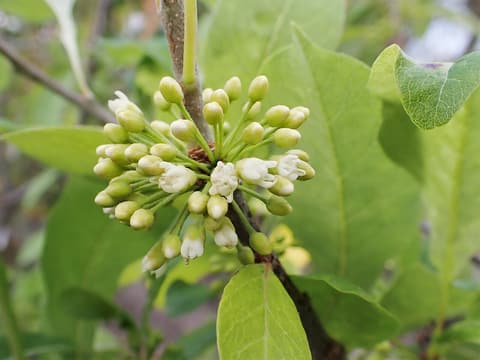
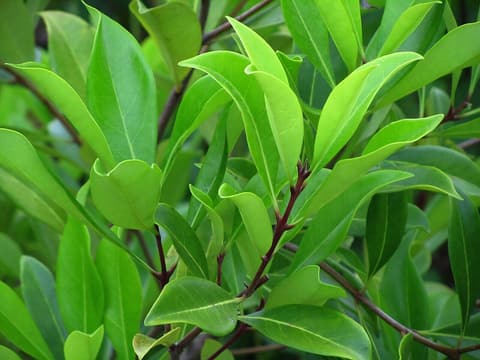
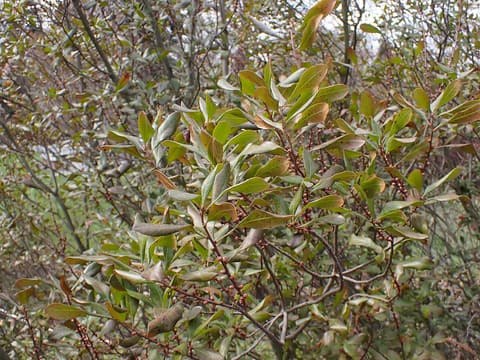
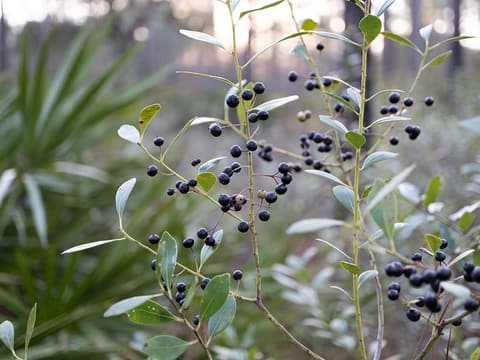
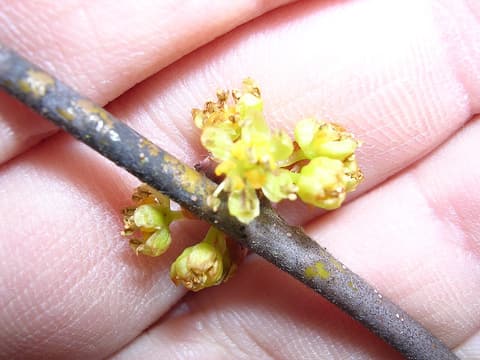
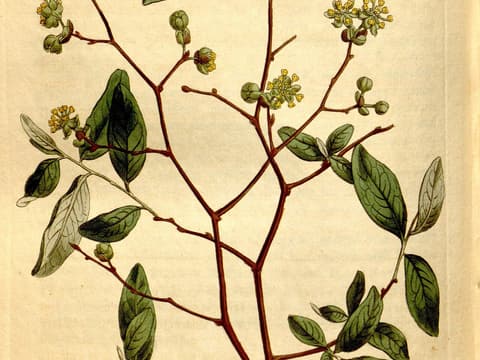
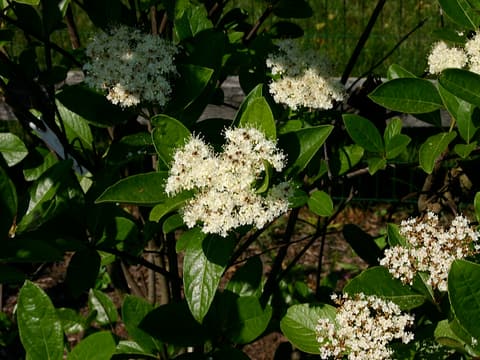
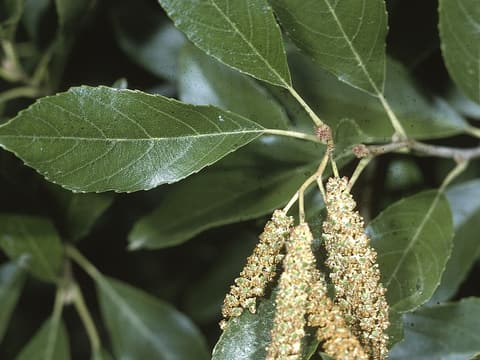
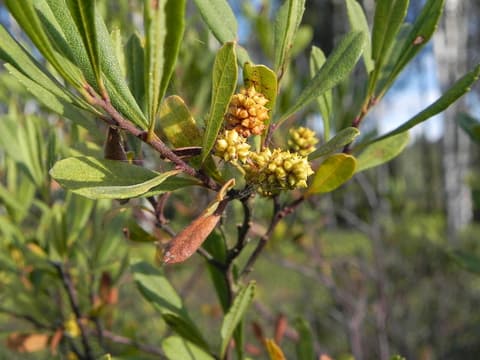
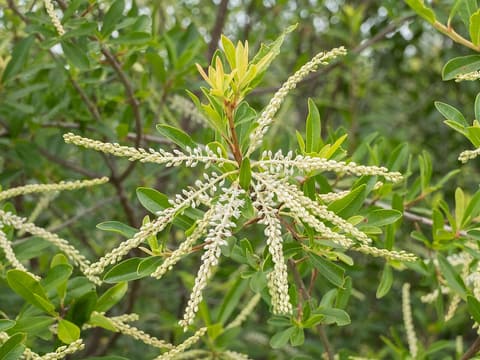
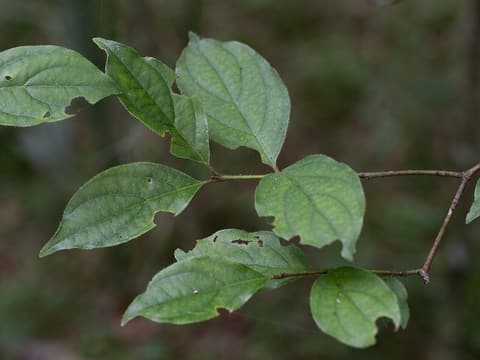
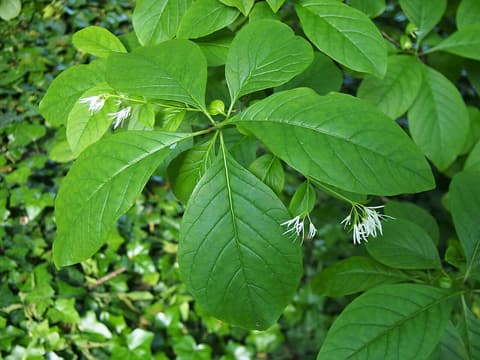
A low native buckthorn of fens, swamps and wet thickets, with alder-like leaves and black fruit for birds, at home in cold, limy wetlands.
Find the right native tree or shrub for your site by filtering on USDA hardiness zone, mature size, sun, soil moisture and what you want from each species. The list narrows as you set each filter. Every result is a tree or shrub we grow from seed, so anything it shows can be requested now and ordered once it is priced.
Best fits first: those that list your sun and soil outright, then those that only tolerate them.
Still a long list. or set a height limit.
Want one of these? Email me when it is ready to order. Notify me
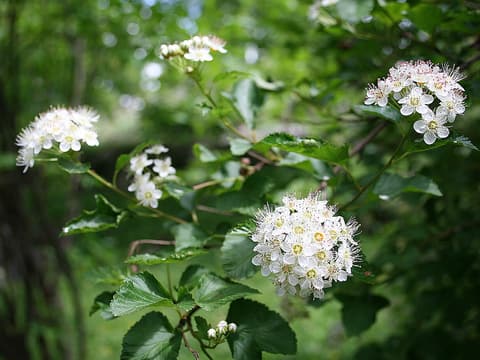
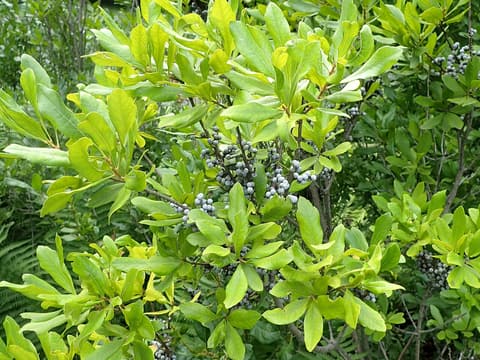
A low native buckthorn of fens, swamps and wet thickets, with alder-like leaves and black fruit for birds, at home in cold, limy wetlands.
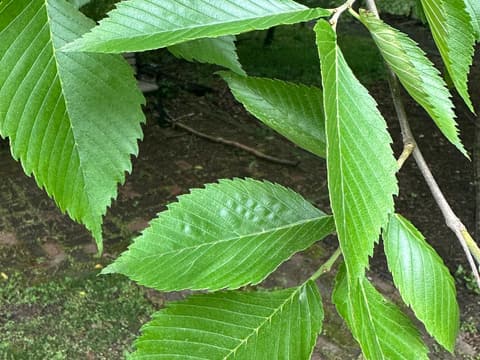
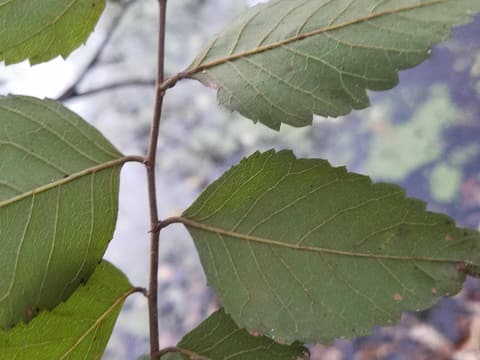
The great vase-shaped elm of old American streets, a fast shade tree for wet or dry ground, now best planted alone among trees of other kinds.
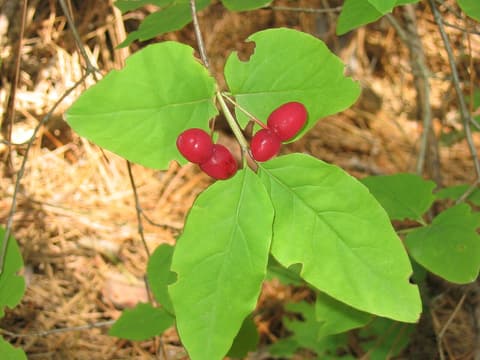
A native woodland honeysuckle of moist northern and mountain forests, with yellow flowers in pairs and twin red berries for birds.
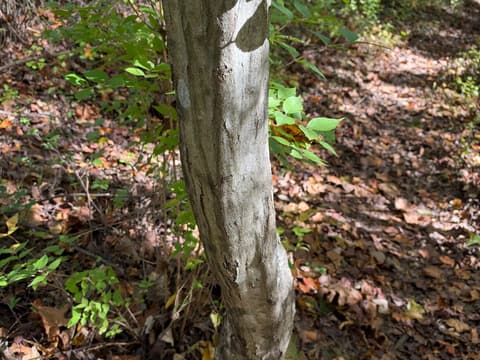
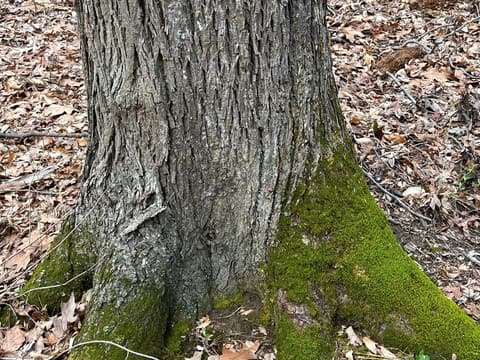
Smooth, sinewy gray trunks, orange-red fall color and complete comfort in shade and damp soil.
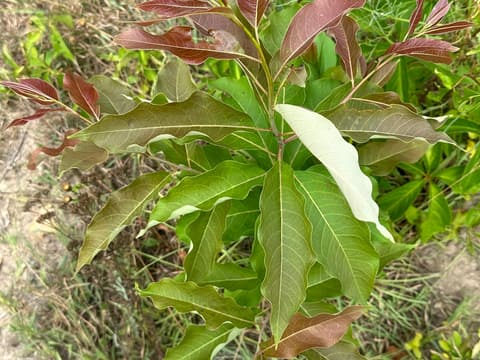
Sweet orange fruit after frost, blocky alligator bark and a tree that grows nearly anywhere.
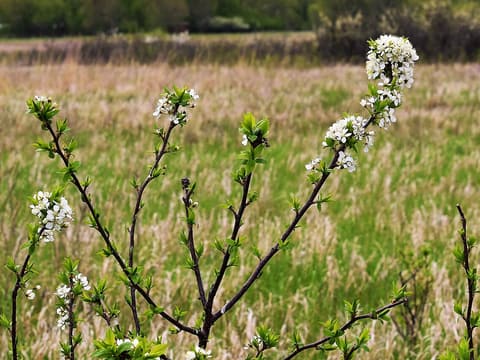
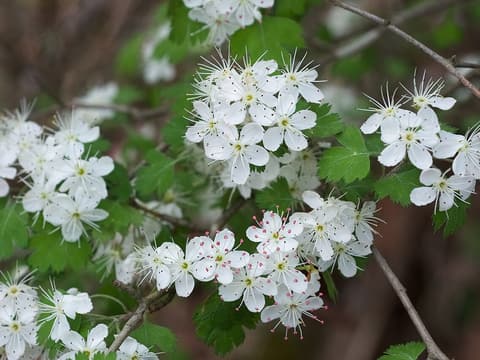
A thicket-forming wild plum for dry banks and wet ground alike, with fragrant white spring bloom and tart red-yellow fruit for jelly and wildlife.
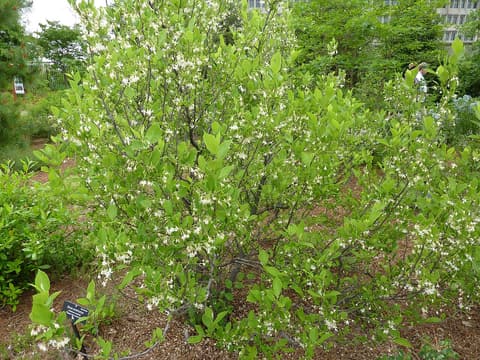
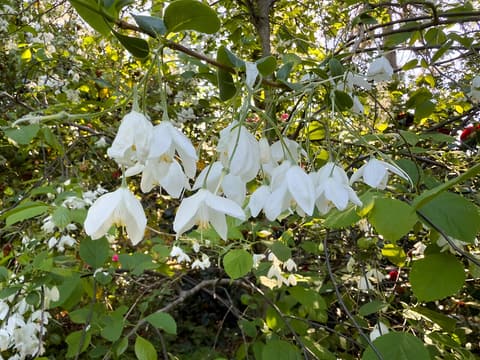
Fragrant white bells with swept-back petals cover a slender native shrub in spring, for wet woods, pond edges and shady, acid ground.
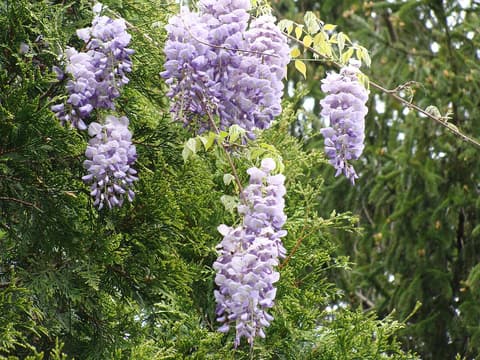
A native wisteria whose purple flower clusters open after its leaves unfold, much tamer than the invasive Asian wisterias it resembles.
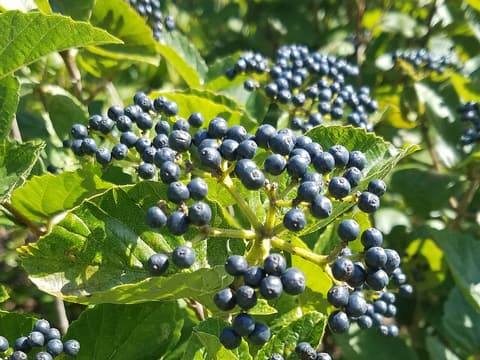
Blue-black berries nearly half fat by dry weight ripen from August for robins, bluebirds and catbirds, after flat white flower heads in May for the bees.
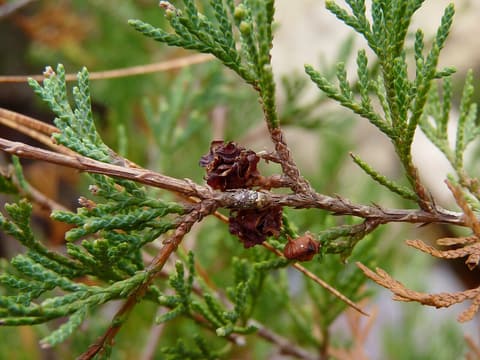
The only false cypress native to the eastern states, a narrow blue-green evergreen of coastal bogs that makes a year-round screen on wet, acid ground.
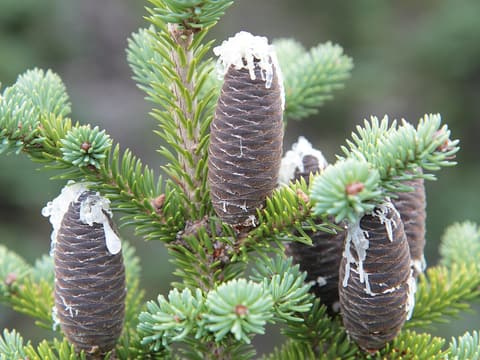
The fragrant Christmas-tree fir of the North Woods, with flat, dark needles of strong balsam scent, upright purple cones and a narrow spire of a crown.
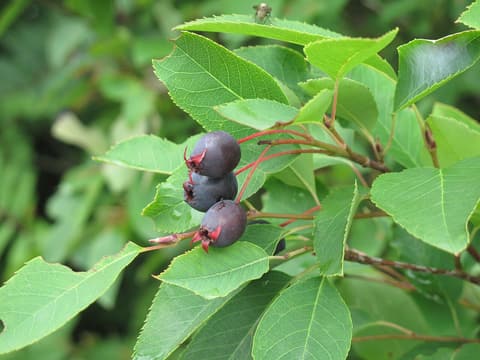
The most northern of the eastern serviceberries, a low shrub of cool bogs and mountain woods with white flowers and pear-shaped purple fruit.
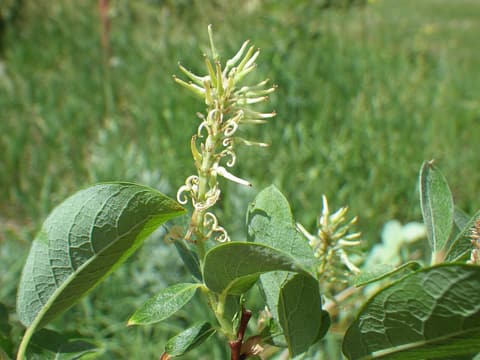
A northern willow of streams and wet meadows, the main source of carved diamond willow, with spring catkins and twigs that moose and deer browse.
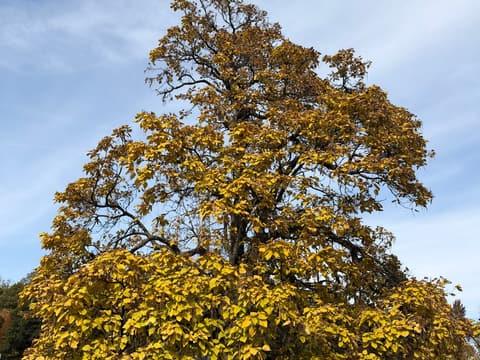
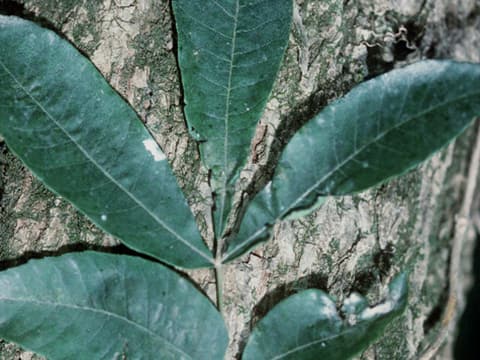
The hardiest hickory and the fastest-growing, with sulfur-yellow winter buds and clear yellow fall color, on a tree nurseries seldom carry.
White spring flowers, glossy black antioxidant-rich berries and some of the best red fall color of any shrub.
Broad white flower plates in June, purple-black berries in August, and a magnet for dozens of bird species.
Blazing scarlet fall color, superb bee forage, and one of the longest-lived hardwoods in the East.
Drooping white bell flowers in May and papery inflated seed pods that rattle in the fall wind.
A tall southern hawthorn whose fruit wears a waxy blue bloom in late summer, with white spring flowers and brilliant orange and red fall color.
A rare spicebush of southern seepage bogs, with thick leaves, pale yellow flowers before the leaves and bright red fruit on female plants.
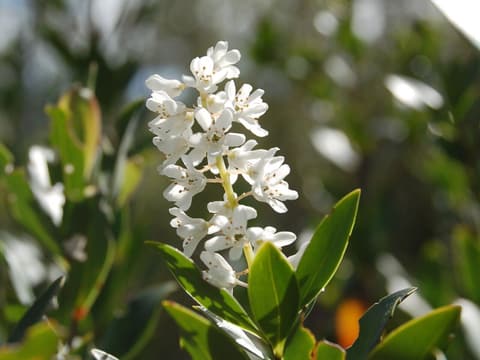
A shade shrub that spreads into a broad mound and lifts white flower spikes up to a foot long in early summer, when few other shrubs bloom.
A thorny small tree of stream banks and limestone bluffs, with clusters of tiny white flowers in summer and black fruit that birds and squirrels eat.
An evergreen of southern bogs whose fragrant spring flowers feed honeybees, followed by winged fruits shaped like buckwheat grains.
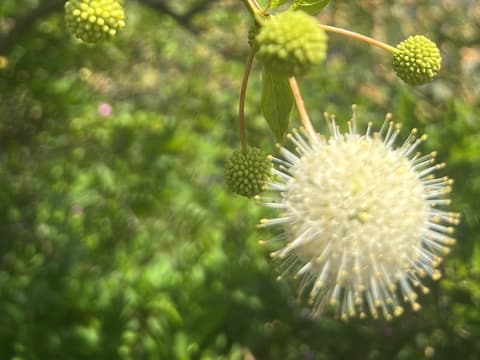
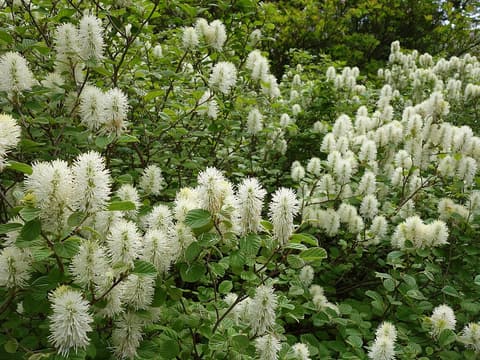
A wetland shrub for pond edges and rain gardens, with round white pincushion flowers in summer that draw bees, butterflies and hummingbirds.
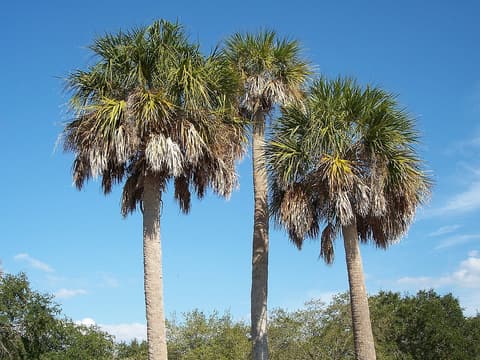
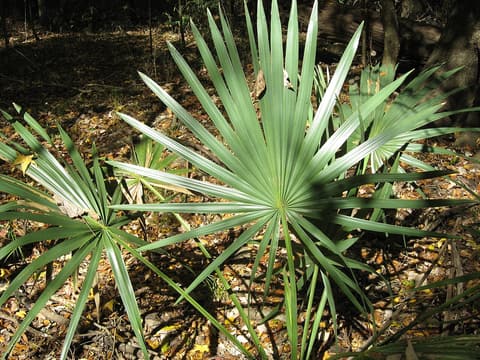
The native tree palm of the Southeast coast, evergreen and salt-hardy, with fragrant summer flowers for bees and black fruit for wildlife.
A low, sprawling evergreen for deep shade whose branches root as they spread, with bright red, berry-like fruit that birds eat.
Clusters of small pink cups ringed in red in April and May, on a low evergreen laurel of Southern bogs and wet pine savannas.
A native evergreen vine that twines up a fence or arbor and covers itself in fragrant yellow trumpets from late winter into spring.
The common small willow of southern swamps and stream banks, fast on wet ground, with early yellow catkins for bees and leaves that feed viceroys.
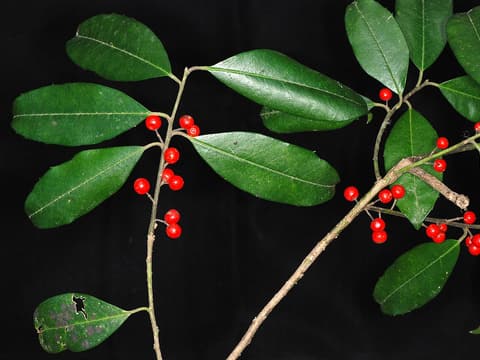
A deciduous holly of northern bogs and lakeshores, with red summer berries on thread-like stalks and leaves that feed Columbia silkmoth caterpillars.
A tough shade tree with the smallest leaves of any native elm, flowers in late summer and clear yellow fall color, for dry or soggy clay.
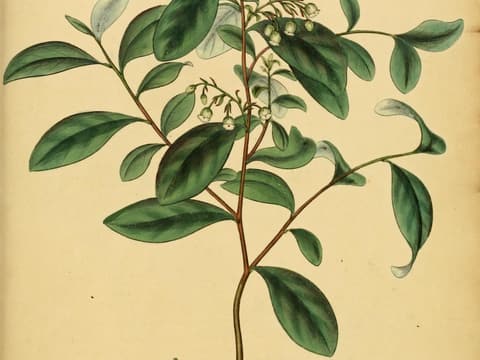
The only climbing heath in the country, an evergreen that runs up inside cypress bark and hangs white bells from winter into spring.
Sweet, musky white flowers flushed pink open on knee-high stems in April and May, on a wild azalea that spreads by runners into drifts.
A rare swamp shrub whose wood is lighter than cork, forming thickets of slender stems in ground that stays wet or floods.
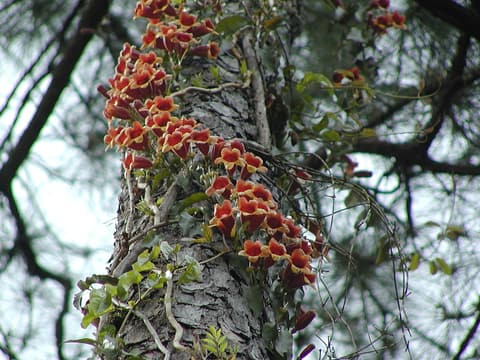
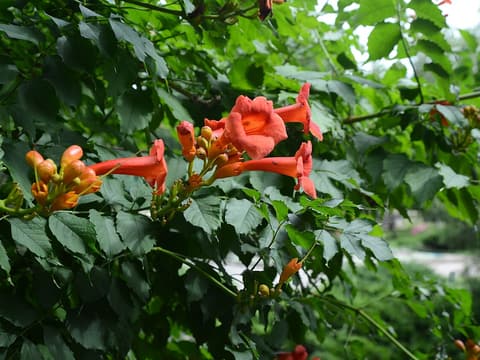
A native evergreen vine that climbs by sticky tendrils, with orange and yellow trumpet flowers that feed hummingbirds in early spring.
An evergreen holly of southern swamps with glossy, nearly spineless leaves and, on female trees, bright red berries through fall and winter.
A huckleberry for sandy, acid ground, damp or dry, that spreads into thickets hung with sweet blue berries in summer and turns orange in fall.
A post oak that tolerates wet feet, from the bottomlands of the lower Mississippi valley.
Two-foot heads of white flowers in August when little else blooms, then purple-black fruit for thrushes and waxwings, on a stem with leaves up to 5 feet long.
A native evergreen of the olive family for screens in sun or shade, with fragrant spring flowers and, on female trees, dark blue fruit for birds.
Missouri's state flower, a broad native hawthorn that blooms early in spring, with soft, downy leaves and red haws up to an inch across.
A hardy palm for wet shade whose trunk stays underground, sending up evergreen fans up to 5 feet across and tall stalks of fragrant flowers.
A small shrub of coastal plain bogs with honey-scented white bottlebrush flowers before the leaves in spring, and red, orange and yellow fall color.
Tiny yellow flowers in the first week of spring, on a rare, slow shade shrub with bark you can tie in knots.
A colony-forming bayberry of southern bogs and swamps, with spicy-scented leaves and gray-white waxy fruit that feeds birds through the winter.
Sepals of pink, rose or white, as showy as a poinsettia's, light up this small tree of southern swamp edges for weeks in early summer.
A fast-growing evergreen for shade and wet ground, with leaves that smell of anise when crushed and nodding, dark red spring flowers.
A thorny shrub of floodplain woods and wet pinelands in the Deep South, with tiny white spring flowers and small black berries that birds eat.
A tall evergreen for shady stream banks, with arching stems, red new leaves and fragrant white bells hanging beneath the branches in spring.
A rare willow of Southern spring runs and wet, limy woods, with broad leaves glossy above and whitish beneath and catkins in late winter.
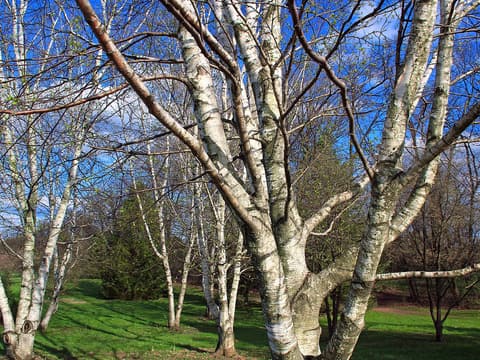
A fast, small birch with chalky white bark that does not peel, often growing as a clump of slender trunks on poor, sandy ground.
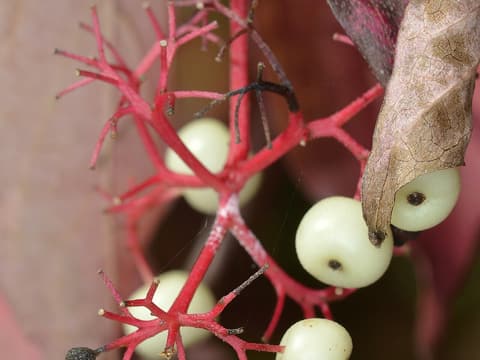
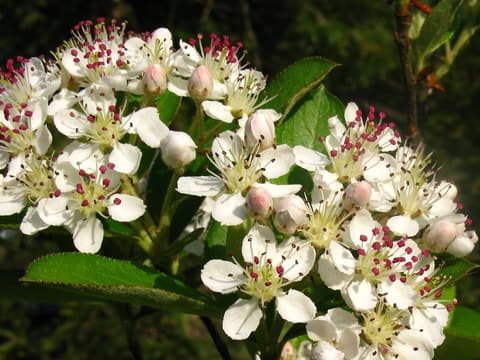
White berries on red stalks, about a third fat, feed migrating warblers and sparrows in September. A thicket shrub for dry or wet ground, sun or shade.
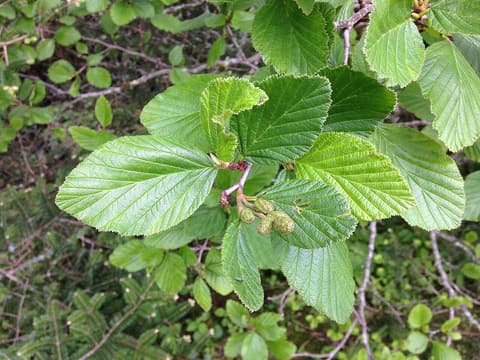
The alder of the far North, a spreading, nitrogen-fixing shrub for stream banks and poor, gravelly ground, with catkins that open with the leaves.
A southern bottomland hawthorn, often with few thorns, that bears white flowers in spring and small red fruit that holds on well into winter.
A fast native shrub for salt spray and wet ground on the coast, whose female plants turn silvery in fall with plumed seeds.
A shade shrub of cool northern woods with lacy white flower heads in spring and big heart-shaped leaves that turn bronze-red and purple in fall.
Anise-scented white bells, like an oversized lily of the valley, hang in May and June from a rare shrub of southern coastal plain bogs.
A wild plum that grows as a single small tree rather than a thicket, with white spring flowers and red or yellow plums about an inch across in late summer.
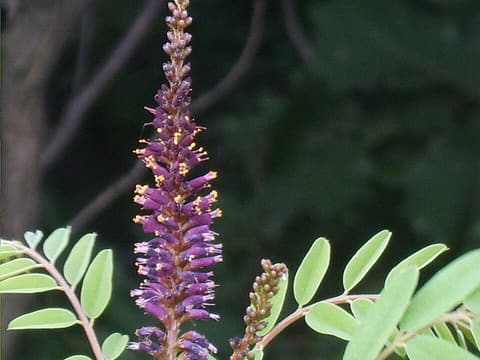
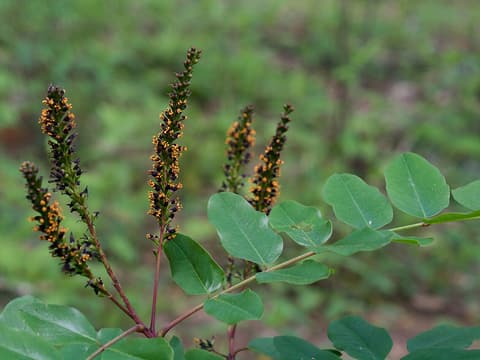
Purple flower spikes with orange stamens in June, on a nitrogen-fixing shrub for streambanks and hot dry edges.
An evergreen holly with glossy, spineless leaves for hedges and screens on damp, acid ground, and black berries all winter on female plants.
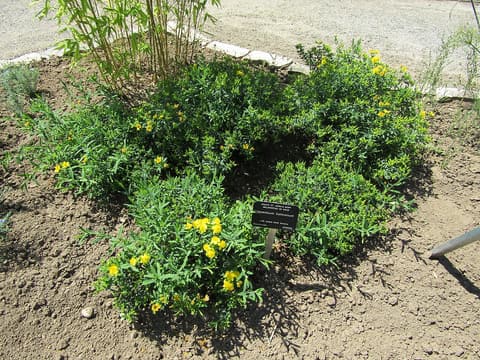
A dense, low shrub of Great Lakes shores with narrow, bluish-green leaves, covered for a month in midsummer with golden flowers.
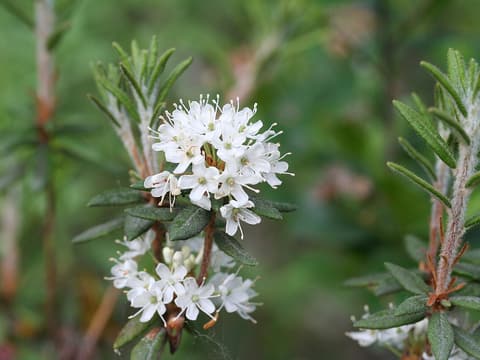
A low evergreen shrub of northern bogs, with rounded clusters of small white flowers and leathery, fragrant leaves felted rusty beneath.
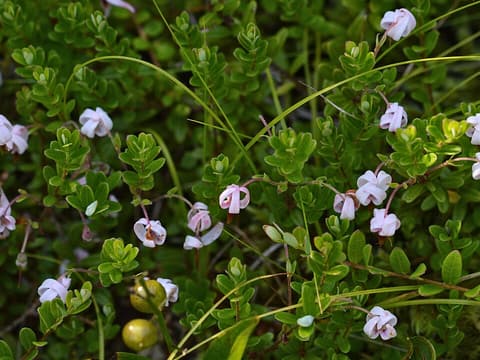
A low evergreen mat of wiry runners, with pink crane-like flowers in early summer and red fall berries, the wild parent of the cultivated cranberry.
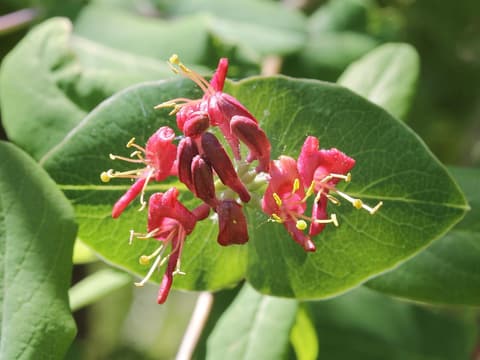
A low native honeysuckle that twines up a fence or sprawls as a shrub, with whorls of yellow to red flowers for hummingbirds and red berries for birds.
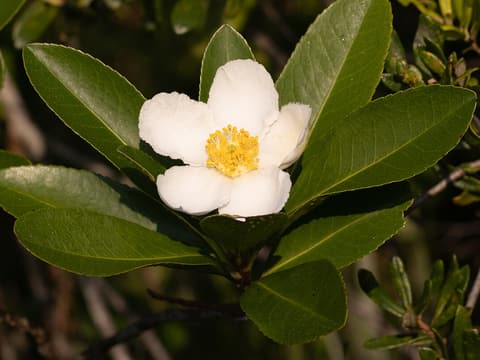
Fragrant white flowers like a camellia's from June into September, on a narrow evergreen tree of southern bays for wet, acid ground.
A rare deciduous holly of high Appalachian streams and bogs, with bright red berries that dangle on stalks up to an inch long.
A tough native heath of swamp edge and dry ridge, hung with white bells in June for four rare specialist bees, that almost no nursery grows.
A thorny native hawthorn of southern swamps that flowers white in late winter and ripens tart red fruit in May, the fruit of mayhaw jelly.
Arching evergreen stems hung with sprays of waxy white bells in spring, from the thicket shrub of southern Appalachian stream banks.
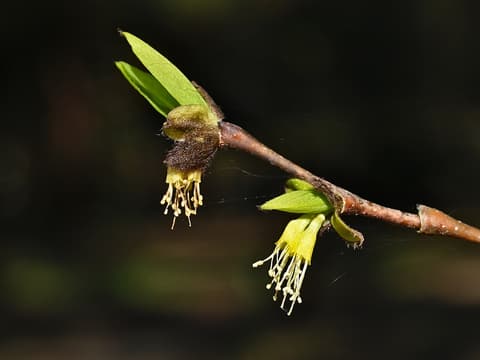
A small native shrub of northern bogs and wet woods, a wild relative of the haskap, with paired pale yellow flowers and edible blue berries.
A small-leaved evergreen holly of southern swamp edges, with thick, shiny leaves like a myrtle's and red berries that last into spring.
A big, adaptable viburnum with creamy flowers, edible blue-black fruit and wine-red fall color.
One of the hardiest palms, a trunkless clump of glossy fans up to 30 inches across, guarded at the base by long black needles.
Peeling bark, white flower balls in June, and a constitution that shrugs off drought, flood and cold.
Waxy gray berries hold above the snow all winter for yellow-rumped warblers, tree swallows and quail. A salt-tolerant shrub that fixes its own nitrogen.
Orchid-like white flowers in June, giant heart-shaped leaves and a tolerance for almost any soil.
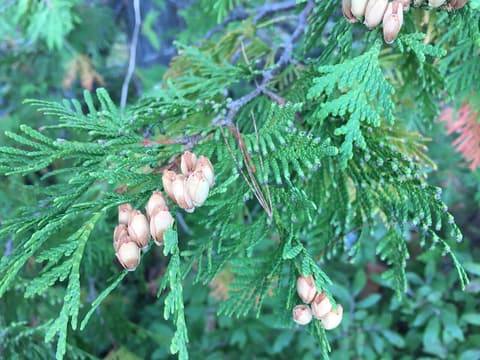
The wild arborvitae, a narrow, fragrant evergreen of northern cedar swamps and limestone cliffs that makes a dense screen.
An evergreen bayberry of Gulf Coast swamps and bayheads whose leathery leaves, unlike those of other bayberries, have no scent when crushed.
The tree behind tupelo honey, with tart red fruit known as Ogeechee lime on the females, for ground that floods or stays wet.
Ohio's state tree, among the first to leaf out, with upright clusters of greenish yellow flowers and glossy brown buckeyes in prickly husks.
Fragrant red, orange or yellow flowers on bare branches from January into March, the first bloom of the year, on a shrub that takes floods.
A small southern hawthorn with leaves cut fine as parsley, white flowers with red anthers in early spring, peeling bark and glossy scarlet fruit.
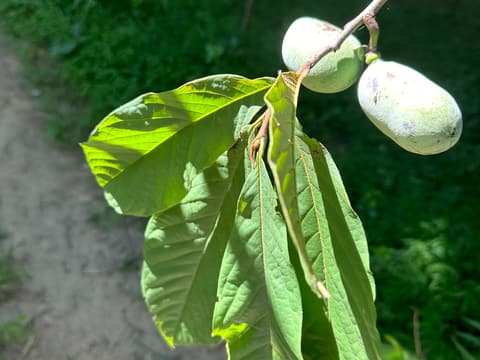
The largest native fruit in North America, custard-sweet and tropical, on an understory tree of rich bottomlands.
The tallest native willow of the prairie states, a fast tree for stream banks and wet ground with peach-like leaves that are whitish beneath.
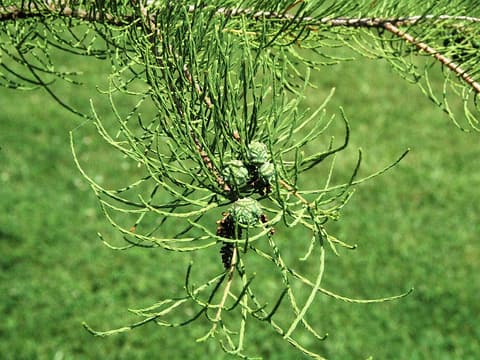
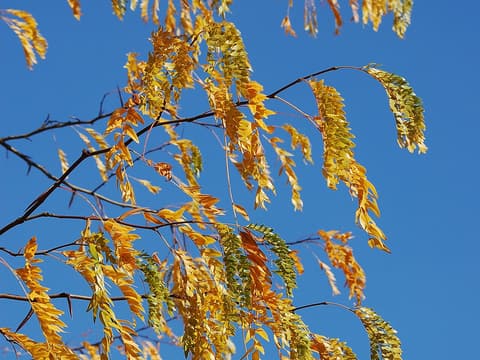
A slim cousin of bald cypress whose skyward shoots turn orange-brown in fall, at home in standing water or on a dry lawn.
A pine for wet, acid ground whose round cones can stay shut on the branches for years, until the heat of a fire opens them.
A rare, colony-forming spicebush of flooded woods and pond edges, with drooping, root-beer-scented leaves, early yellow flowers and red fruit.
A rare coastal plain shrub of pond and swamp edges, with zigzag twigs, small leathery leaves, yellow flowers before the leaves and red fruit.
A deciduous holly whose orange-red berries line the bare gray branches from September to March, feeding birds late in winter.
A glossy-leaved viburnum for wet ground whose berries turn pink, blue and purplish black, often all at once in the same cluster.
A tall, suckering shrub of bogs and swamps with white spring flowers, glossy red fruit that hangs into winter and blazing red fall leaves.
An upland hickory with sweet nuts, leafstalks often tinged red and gray bark that turns slightly shaggy with age.
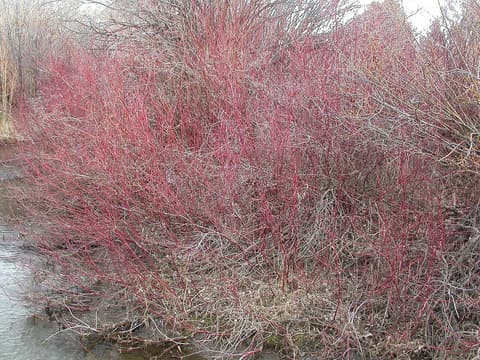
A fast, thicket-forming shrub of wet ground whose young stems turn bright red after the leaves fall and glow against snow all winter.
A spicy-leaved evergreen of the southern coast, with dark blue fruit for birds, now dying across much of its range from laurel wilt.
Rose-purple, two-lipped azalea flowers on bare twigs in May, lighting up the bogs and wet woods of the Northeast before the leaves.
A fast birch for wet ground and southern heat, with salmon to cinnamon bark that peels in papery curls and shows all winter.
A hardy native grape vine that climbs by tendrils along streams and fences, with fragrant spring flowers and tart blue-black grapes for birds and jelly.
The great evergreen rhododendron of Appalachian stream valleys, with pink-white trusses in July.
A fast thicket dogwood for dry or wet ground, with creamy flowers in late spring and white berries that dozens of kinds of birds eat.
A low, creeping palm with stiff fans on saw-toothed stalks, fragrant flowers for bees and fruit for bears, deer and birds.
The one native alder that blooms in fall, hanging gold catkins in August and September on a rare shrub that stands in water and feeds its own soil.
A clump-forming serviceberry of swamps and wet thickets, with upright white flower clusters in early spring and sweet purple-black berries by June.
A low evergreen shrub of northern bogs and barrens, with rose-pink flowers ringing the stems in early summer. Every part is poisonous to livestock.
The largest hickory nut, sweet and thick shelled, on a shaggy-barked tree of river bottoms that stands spring floods. Rare in the wild and rarer in nurseries.
A red oak with long, glossy leaves that have no lobes at all, turning russet in fall and clinging to the branches through winter.
A rare indigobush of southern stream banks and wooded slopes, with glossy leaflets and dark purple spikes lit by orange anthers in spring.
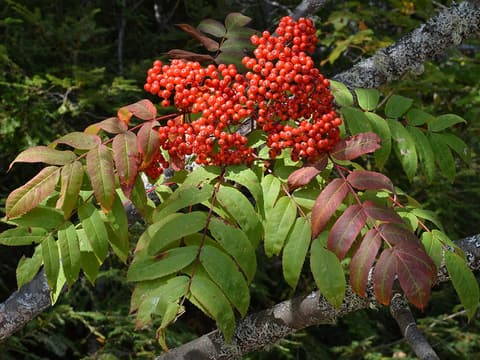
A small tree of the far North, with flat clusters of white flowers and heavy bunches of scarlet berries that bend the branches and feed birds.
Creamy flower clusters in June, porcelain-blue berries in September and purple-red winter stems for wet spots.
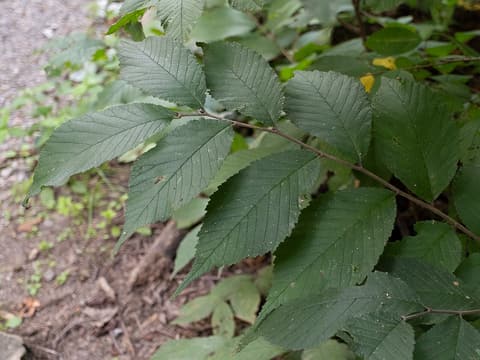
The elm of the slippery inner bark, a fast, shade-tolerant tree of moist slopes and bottomlands, best grown in a wild corner among trees of other kinds.
A nitrogen-fixing streambank shrub that holds soil, feeds woodcock and grouse, and thrives in standing water.
A deciduous holly of East Coast swamps with glossy leaves that turn yellow in fall and orange-red berries that feed birds through winter.
Upright clusters of white flowers spotted purple and yellow in May and June, then long bean-like pods, on the fast-growing catalpa native to the Gulf states.
Yellow flowers in March, spicy-scented leaves, red berries for thrushes and the host plant of the spicebush swallowtail.
A soft-needled pine of southern river bottoms, one of the few pines that grows in part shade, for moist ground or a tall screen.
A northern viburnum with lobed leaves that turn brilliant red in fall and sour red fruit for jam, for cool, moist woods and stream banks.
Nodding clusters of white bells up to half an inch long on bare twigs in spring, then bright red leaves in fall, on a sandy-soil shrub.
Warty crimson capsules split open in fall to show orange-red seeds, on a slender woodland shrub with square green stems.
The hackberry of southern bottomlands, a fast shade tree for wet or dry ground, with warty gray bark and sweet fruit that birds eat into winter.
Sticky, clove-scented white flowers from May to July, one of the last wild azaleas to bloom, on a shrub that takes wet, acid ground.
Arching sprays of white bell flowers in May on a deciduous heath shrub for wet, acid ground in sun or part shade.
A fast red oak for wet southern ground, with glossy leaves that are often diamond-shaped and big acorn crops that turkeys and deer seek out.
A native of swamps and wet woods whose yellow flowers open on bare branches in early spring, followed on female trees by purple fruit that ducks eat.
A tupelo for southern swamps and pond edges, with a swollen base, red fall color and spring flowers that bees make into tupelo honey.
Very fragrant white flowers with red stamens in late spring and early summer, among the last wild azaleas to bloom.
A fragrant shrub of northern bogs and lake shores, with resin-dotted leaves that smell sweet when crushed and roots that fix their own nitrogen.
Spires of intensely fragrant white flowers in August, when almost nothing else is blooming, and bees know it.
Lemon-scented white flowers from May into summer, silver-backed leaves, and a love of wet ground.
A small understory tree with fluffy, fragrant cream flowers on its bare twigs in early spring and leaves with a faintly sweet taste.
A shrub for sun or deep shade whose maroon spring flowers smell of strawberry, pineapple and banana.
Fragrant white flower sprays in early summer and orange-red leaves in fall, on a thicket-forming shrub of southern swamps whose flowers give a dark honey.
A thicket dogwood of the southern Coastal Plain for limy soils, with rough, hairy leaves, white spring flowers and pale blue berries.
A fast native vine whose orange-red trumpets draw hummingbirds all summer, for a sturdy arbor or fence where its root suckers can be kept in check.
White bells in spring and two-winged fruit in fall, on a small tree of southern floodplains that takes shade and wet ground.
A low wild blueberry of the North with softly hairy leaves that turn red in fall and sweet, tart blue berries from July into September.
A fast native vine that climbs by sticky pads, turns crimson early in fall and feeds birds through the winter with blue-black berries.
A rare Appalachian streambank shrub with arching stems and flat clusters of tiny cream-white flowers in early summer, spreading into thickets.
Fragrant white flower spikes in June, red and gold fall leaves that hang on into winter, and roots that are happy in wet ground.
A fast, dense southern viburnum with small, glossy leaves and clusters of white flowers that open in late winter.
A small, low-crowned tree of southern swamps and river bottoms, with flaky bark and warty, nutlike fruit, for ground that floods.
A bottomland hickory for southern clay that floods in spring and can crack dry in summer, with bitter nuts that wood ducks and mallards swallow whole.
A thorny swamp cousin of honeylocust for floodplains that stay under water for long spells, with small, flat pods holding one to three seeds.
A long-lived tree of southern river swamps, with a bottle-shaped base, that stands in floodwater for months and feeds bees in spring.
The mayhaw of the Gulf states, a thorny hawthorn of wet river bottoms that blooms white in February and ripens red fruit for jelly in May.
Clouds of fragrant white fringe in May, then blue fruit for the birds, on a small tree for any yard.
Creamy white cups banded in red in early June and scarlet leaves in fall, on the one deciduous cousin of mountain laurel, from Carolina bogs.
A thornless currant of moist woods and stream banks, with drooping yellow-green flowers in spring, black berries in summer and gold and crimson fall leaves.
A fast, long-lived red oak with narrow leaves like a willow's, for moist ground and city streets, that bears small acorns nearly every year.
Bare winter branches lined with scarlet berries, on a deciduous holly that loves wet ground.
A bog huckleberry of the Gulf coast whose twigs, flowers and sweet black berries all bristle with long, glandular hairs.
A native evergreen holly for hedges and screens, with glossy leaves and, on female trees, red berries that birds take in late winter.
A rare Florida evergreen for shade and wet ground, with olive green leaves that smell of licorice when crushed and nodding pale yellow flowers.
A long-lived shade tree for cool, moist ground, with shiny golden bronze bark that peels in thin curls and bright yellow leaves in fall.
A tall buckeye for big spaces, with upright clusters of yellow flowers that draw hummingbirds and bees in spring.
A wetland shrub of southern ponds and stream banks that grows into dense thickets of needle-like leaves and small yellow flowers.
A Florida Panhandle shrub that grows like a small tree, with corky, peeling bark, needle-like leaves and yellow summer flowers.
A rare, shrubby tupelo found only in the Florida panhandle, with small leathery leaves, round black fruit and stems that sprout back after fire.
A rare thorny buckthorn of limestone swamps in the Deep South, with mildly fragrant white flowers in late spring and small black fruit for wildlife.
One of the rarest shrubs of the South, a low indigobush of sandy pinelands whose dark purple spring spikes bristle with orange-tipped stamens.
A rare deciduous holly of southern swamps and stream banks, with soft, dull leaves and velvety rose-red berries that last into spring.
A Florida Panhandle rarity for pond edges, with silvery bark that peels like a birch's and bright yellow flowers from May until frost.
Ask what is ready: put the first 12 on my request list.
The finder answers as you choose and has a height limit. The shop lists the same trees and shrubs, with a search box and a native state filter: see these in the shop.
The address follows your filters, so the link saves this list.
Narrow the list to 12 or fewer and we can email you when any of them is ready to order.
Be first
One email per plant you tick, when it is priced, and nothing else. Each carries a code for 10% off the plants in that order, not shipping or tax. Or ask, and we reply with what is ready now.
While you wait, ask what is ready now.
In the finder's list the best fit comes first: trees and shrubs whose pages list your sun and soil outright, then those that only tolerate them. Within each group, those with your zone in the middle of their range come before those at its edge.
No: the finder lists native trees and shrubs to plant, matched to your zone, size, sun and soil. To name a tree you found, use the tree identification tool, which names it from a photo of a leaf, the bark, a twig, fruit or a flower.
Set the finder's height limit to the room you have: it matches the top of each species' typical mature height. Our article on small trees for a small yard says how far each one goes from a house.
Within 15 feet of the wires, the International Society of Arboriculture says a tree should mature at 20 feet or lower. Virginia Cooperative Extension allows trees to 25 feet within 20 feet of the wires, and suggests large shrubs under 15 feet directly under them.
Divide the hedge's length by the spacing, round down and add one, since a straight row has one at each end: a 40-foot hedge at 4 feet apart takes 11. On its Hedge or screen list, the finder gives each species the spacing its own page sets.
The address carries every choice, so a copied link opens the same list. The page draws that list before any script runs, so a shared link and the page's Markdown copy show the trees and shrubs themselves. These are its keys:
Each tree's facts come from its own page: its zones, mature height, sun, soil, labels and hedge spacing. The 20 and 40 ft height steps are the International Society of Arboriculture's zones by overhead wires (Avoiding Tree & Utility Conflicts, 2021). Within 15 feet of distribution wires, the species chosen "should have a mature height of 20 feet (6 meters) or lower". From 15 to 50 feet out, it should have "a potential mature height of 40 feet (12 meters) or lower". The planting-site check follows the same zones. The 30 ft step is the small-tree ceiling the growth estimator uses for its generic small tree. Virginia Cooperative Extension draws the low zone wider, to 20 feet from the line, where "trees in the low zone should not exceed 25 feet at maturity" (Selecting and Managing Trees to Avoid Conflicts with Overhead Utility Lines, 2024). Under the line itself it suggests large shrubs with "a mature height of less than 15 feet", the limit's first step. A ZIP code's zone is the 2023 USDA Plant Hardiness Zone Map's ZIP code listing, prepared by the PRISM Climate Group at Oregon State University.
When nothing fits, the site is usually the problem rather than the catalog: tell us the zone, soil, sun and what the tree needs to do, and we will suggest something.
The address carries the tree finder's inputs, so a link opens it filled in, and Copy link on a result writes one: zone (a whole number from 2 to 10), size (shrub, small-tree, medium-tree or large-tree), height (a mature height to stay under: 15, 20, 30, 40 or 60 feet, or 60-plus), sun (full, part or shade), moisture (dry, average or wet), want (one or more of flowers, fall-color, winter-interest, wildlife, honey, edible, evergreen, rare, early-bearing, screening, nitrogen-fixing, salt, street-tree, erosion-control, shade, wet-tolerant or drought, joined by commas), hedge (a hedge or screen length in feet, for a plant count), sort (featured, name, price-asc, price-desc, height, hardy or fast), compare (the slugs of the plants to compare, joined by commas). For example, /tools/tree-finder/?zone=6&size=small-tree&sun=part&moisture=average&want=fall-color.