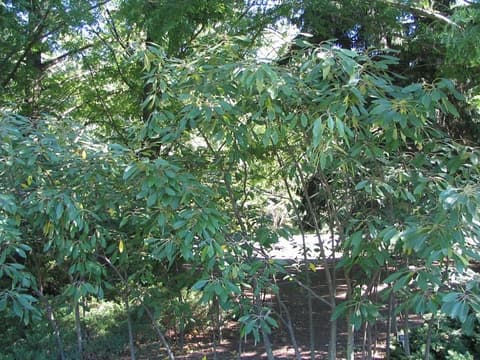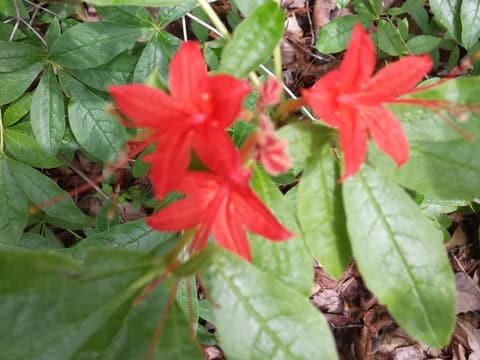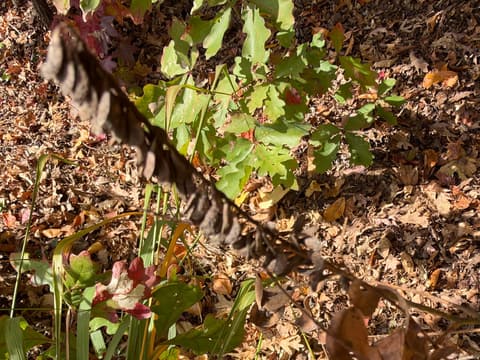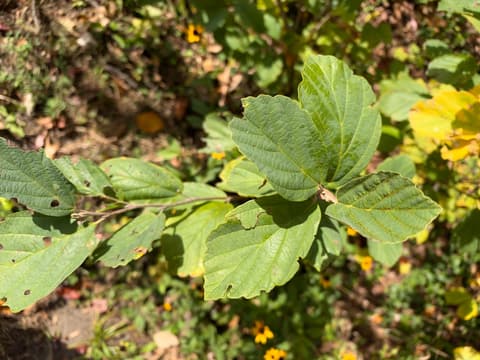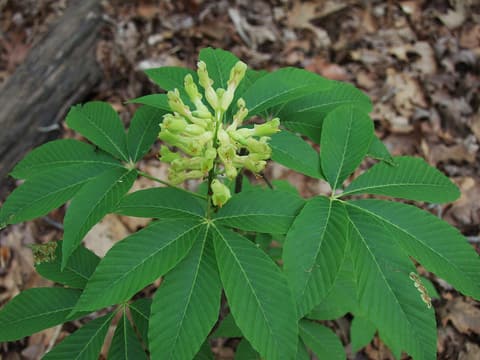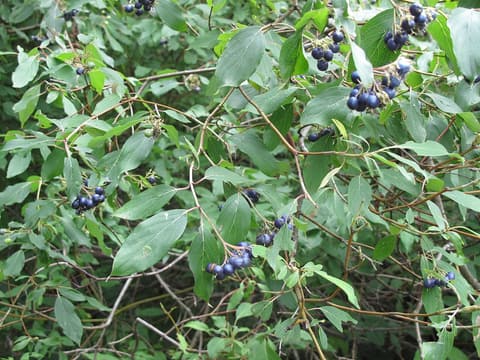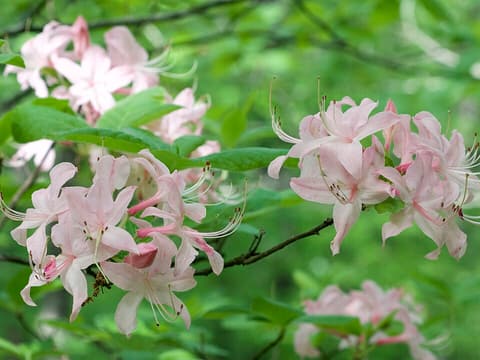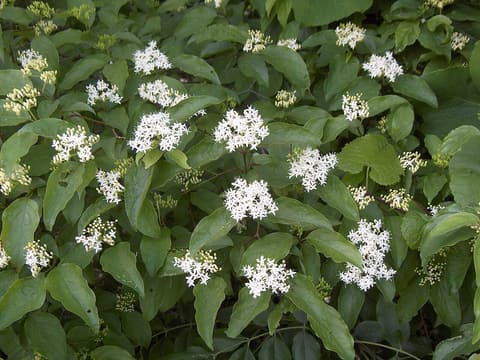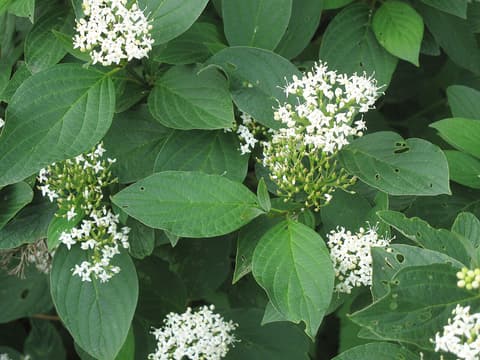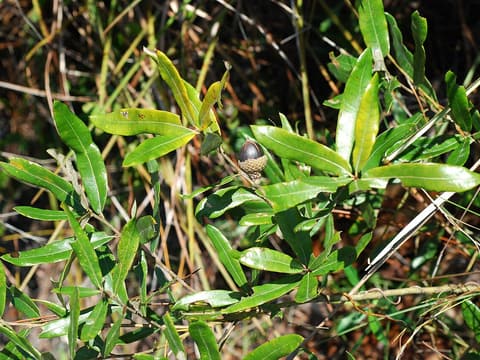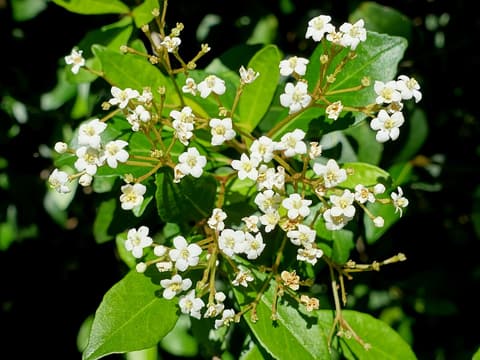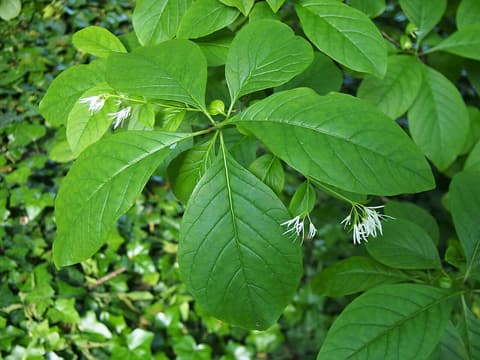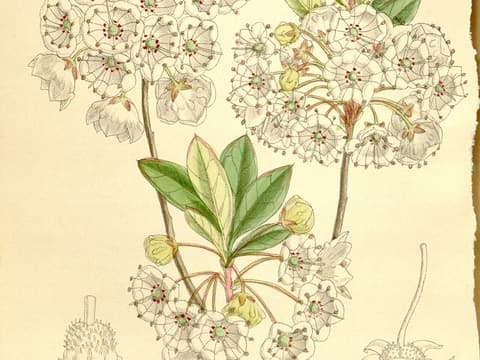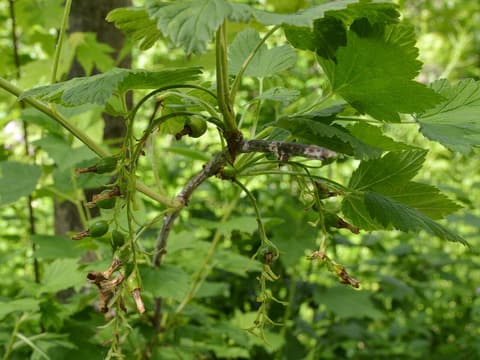
Alabama Azalea
Rhododendron alabamenseShrubZones 6–94–6 ft
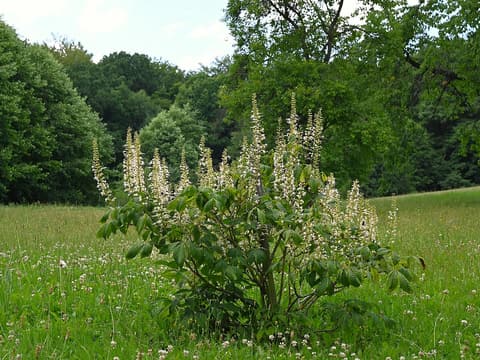
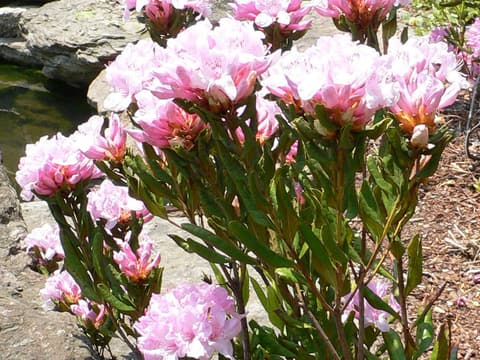
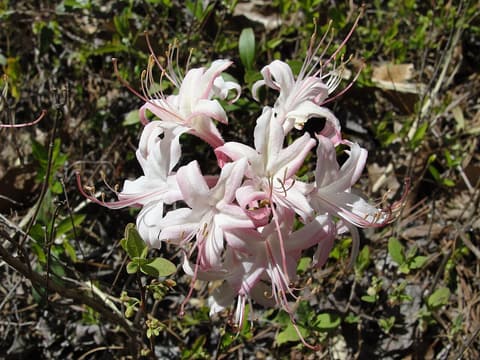
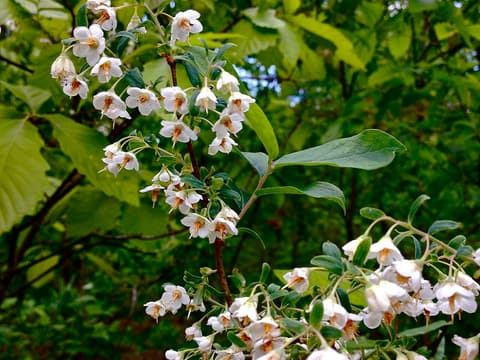
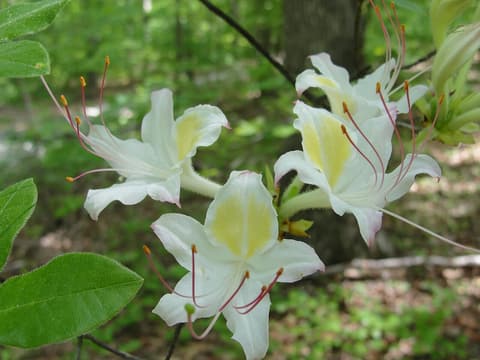
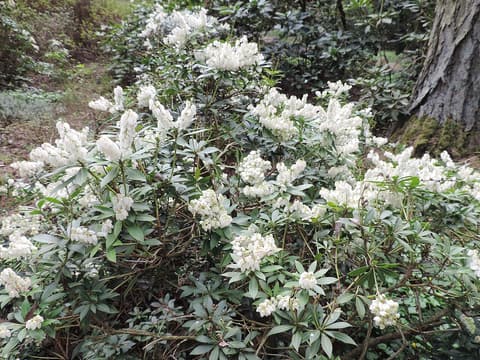
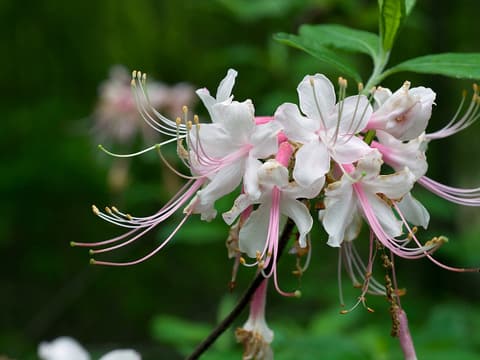
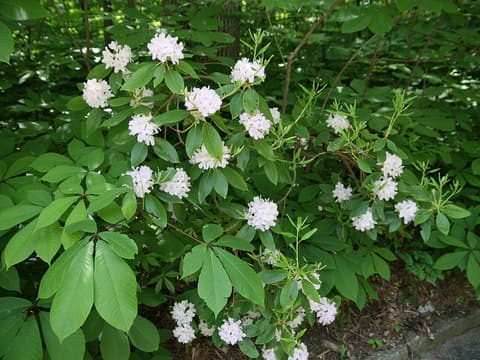
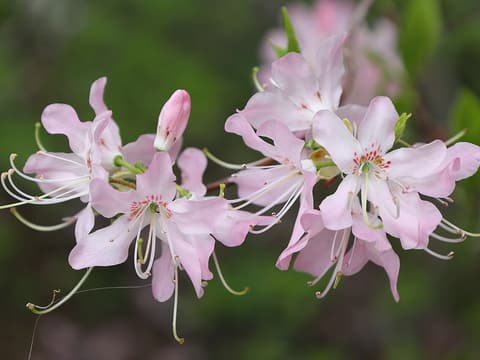
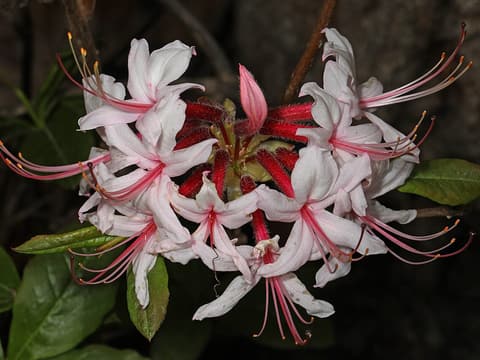
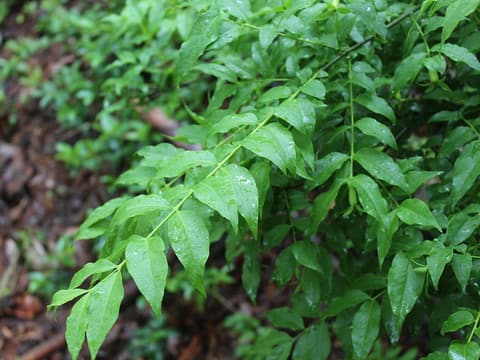
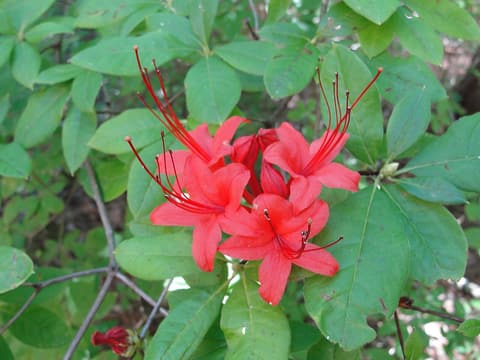
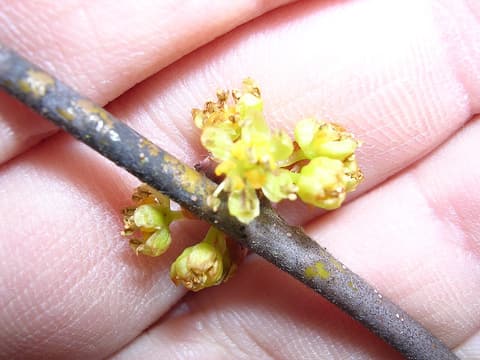
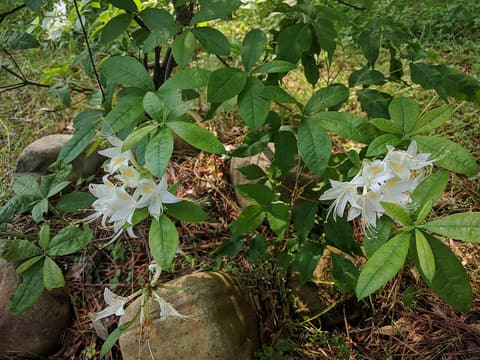
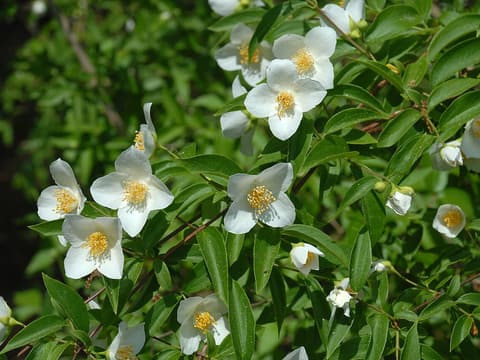
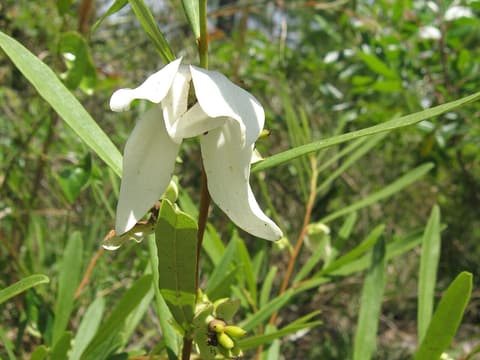
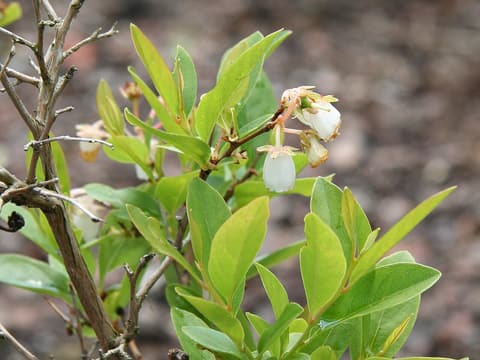
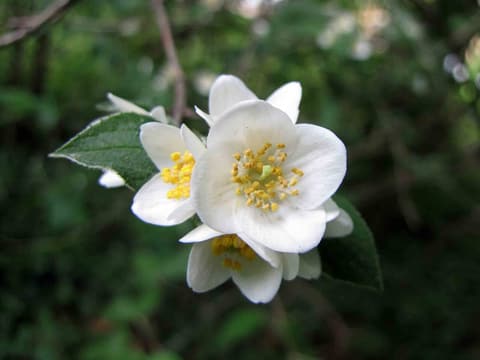
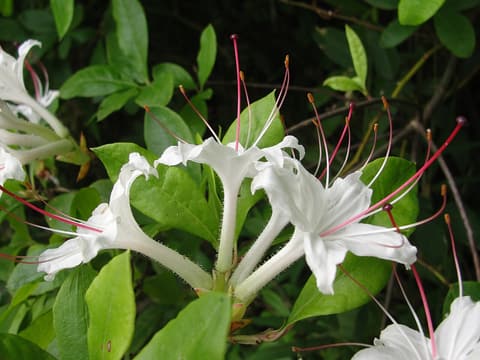
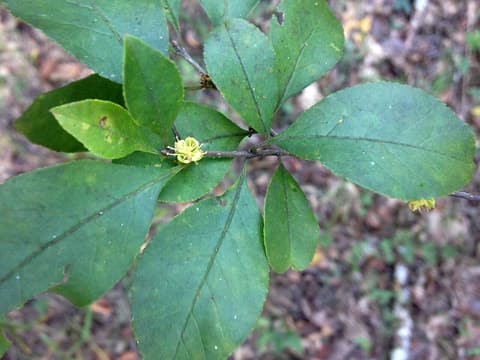
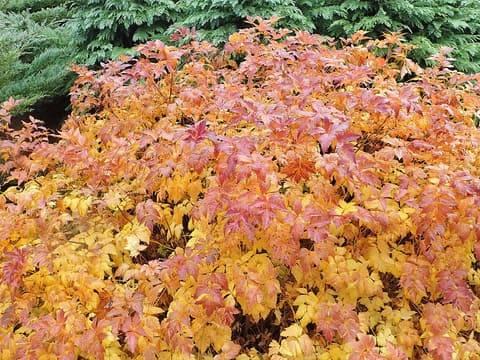
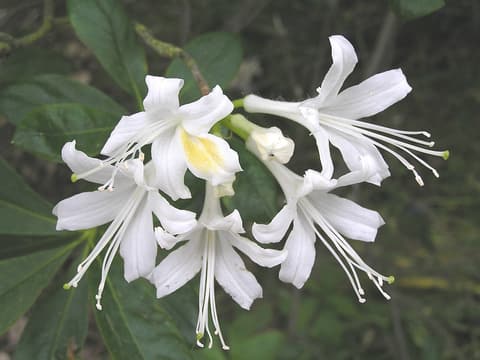
White flowers with a lemon-yellow blotch and a lemon scent in April and May, on what may be the most fragrant of the wild azaleas.
Find the right native tree or shrub for your site by filtering on USDA hardiness zone, mature size, sun, soil moisture and what you want from each species. The list narrows as you set each filter. Every result is a tree or shrub we grow from seed, so anything it shows can be requested now and ordered once it is priced.
Still a long list. or set a height limit.
Want one of these? Email me when it is ready to order. Notify me
White flowers with a lemon-yellow blotch and a lemon scent in April and May, on what may be the most fragrant of the wild azaleas.
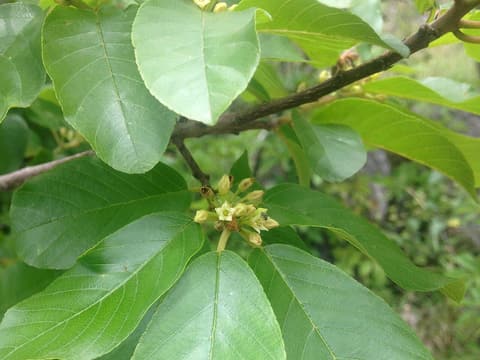
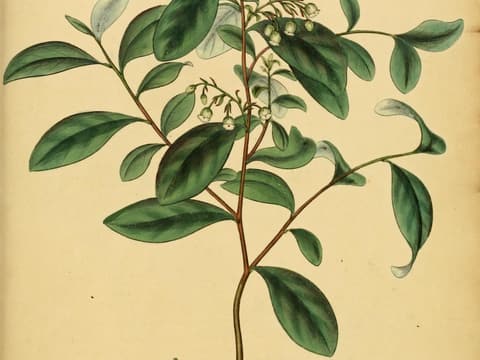
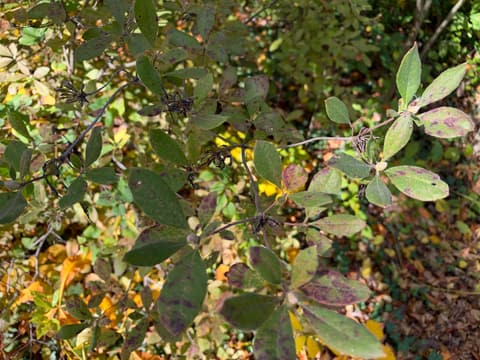
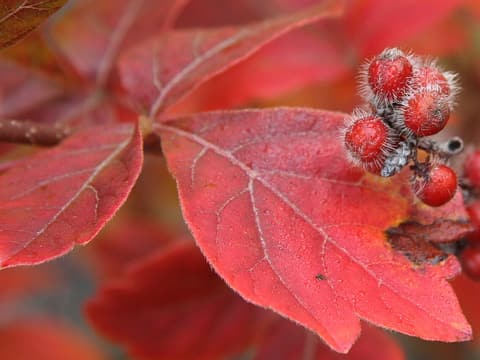
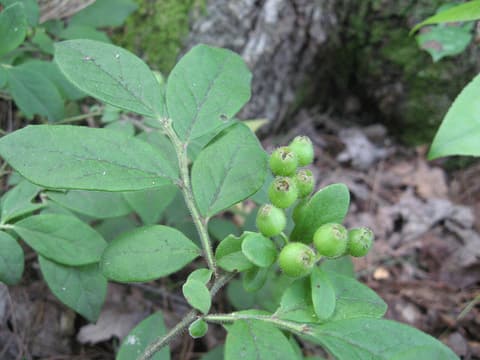
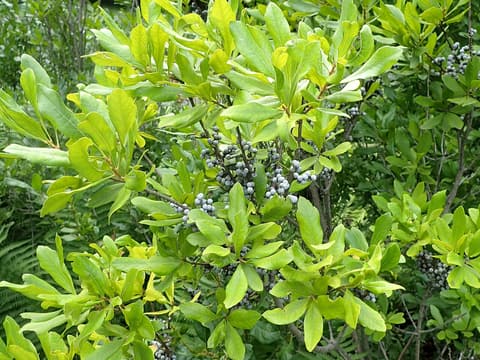
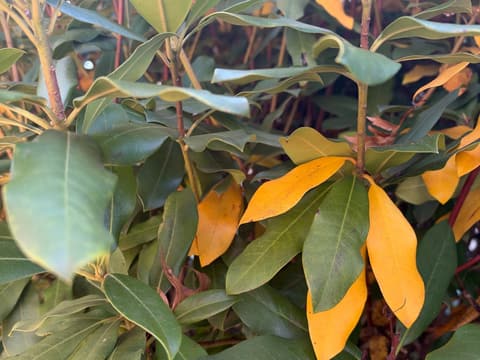
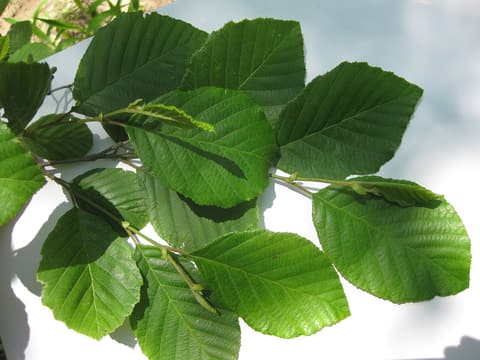
One of the rarest shrubs in the country, its apple-scented leaves silver beneath and its oldest leaves pumpkin orange in fall.
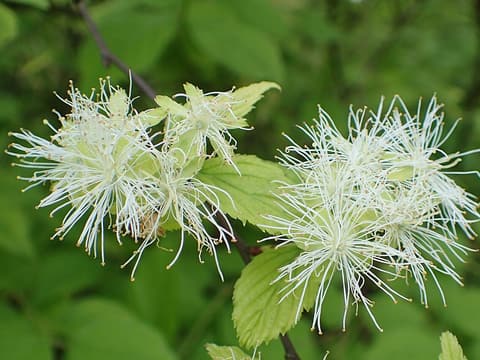
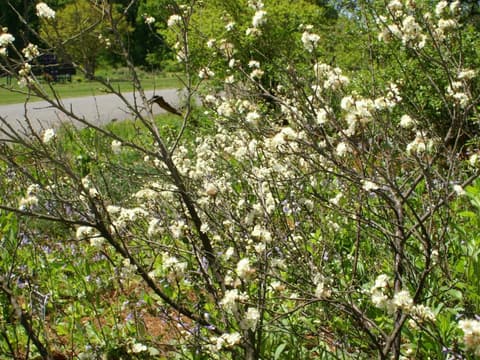
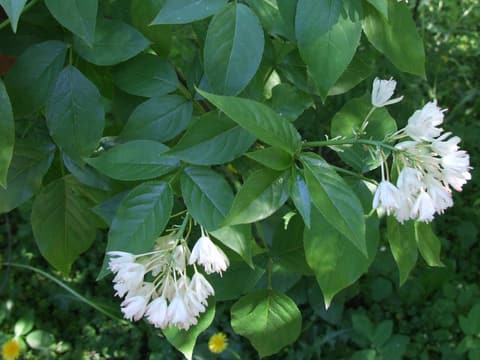
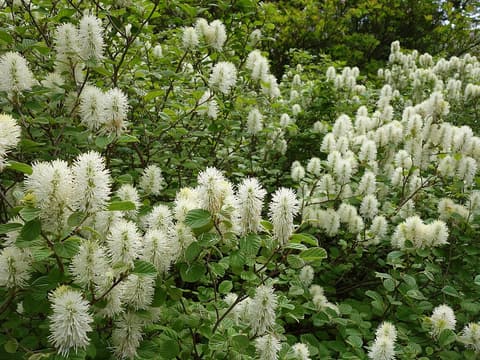
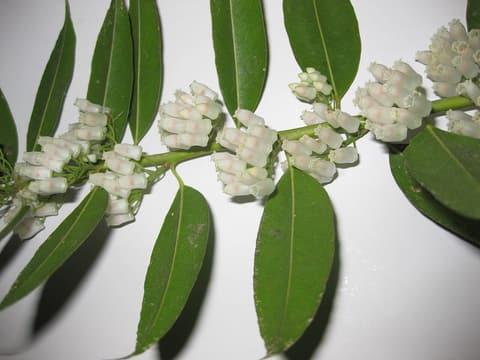
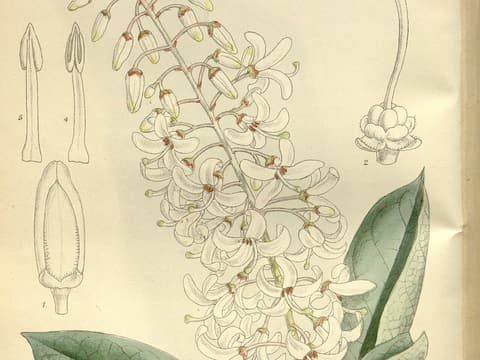
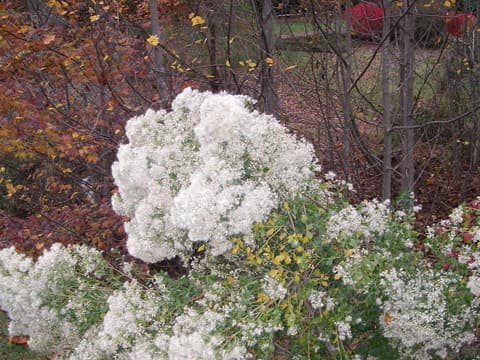
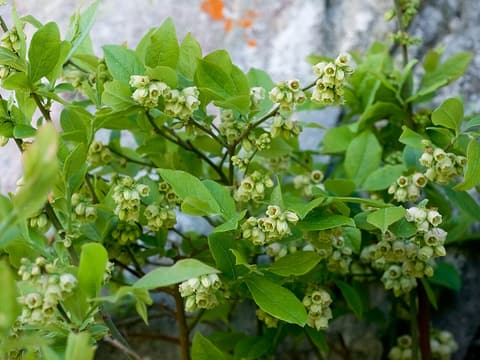
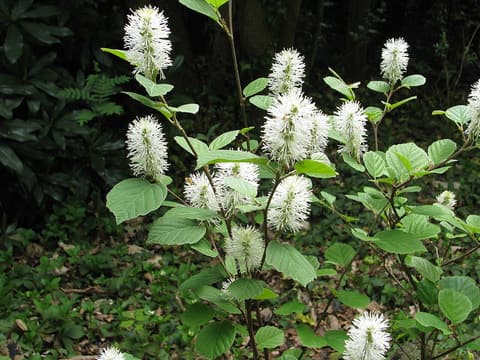
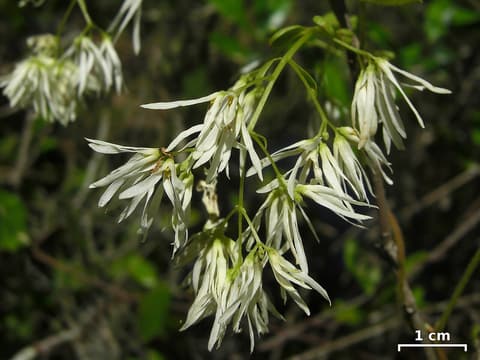
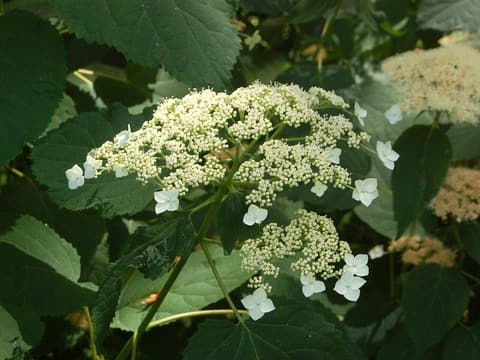
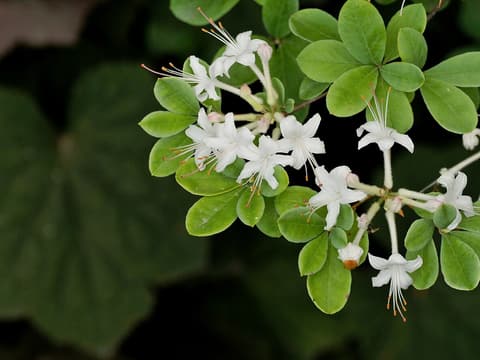
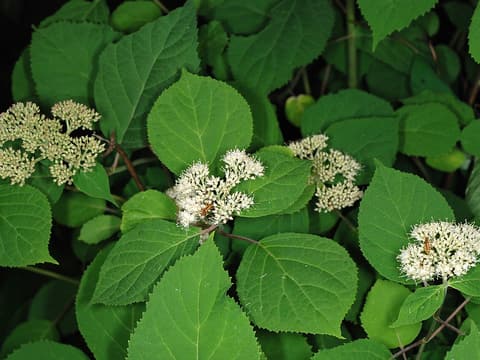
A rare southern shrub whose arching stems carry puffs of white flowers with no petals in spring, for a shady border or woodland edge.
A low native buckthorn of fens, swamps and wet thickets, with alder-like leaves and black fruit for birds, at home in cold, limy wetlands.
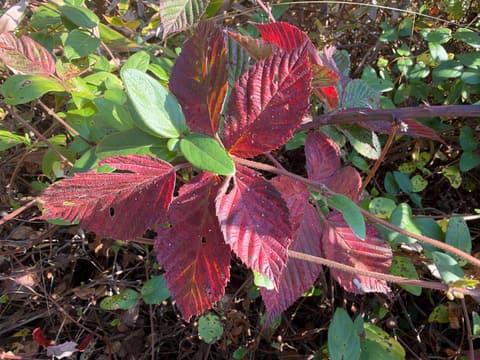
The common wild blackberry of eastern woods edges and old fields, a thorny thicket of arching canes with sweet black berries in midsummer.
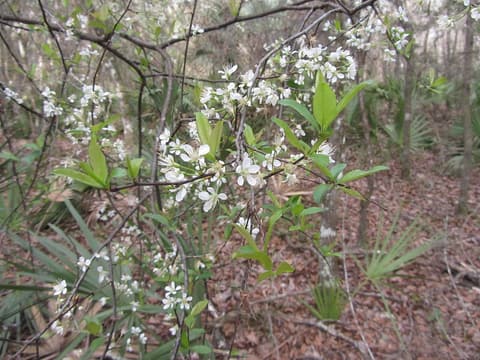
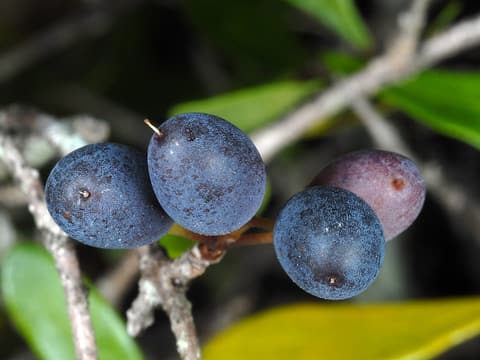
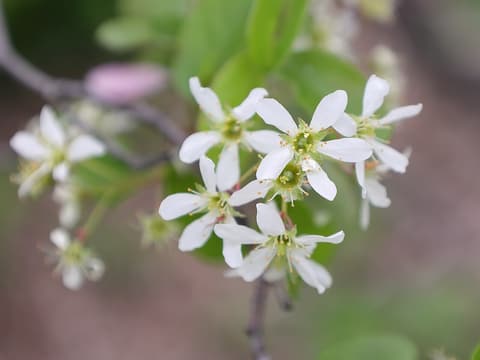
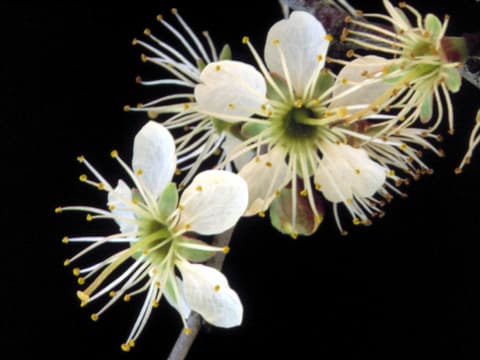
A rare thicket plum of the Appalachians, with white flowers that fade to pink and small dark purple plums under a blue bloom.
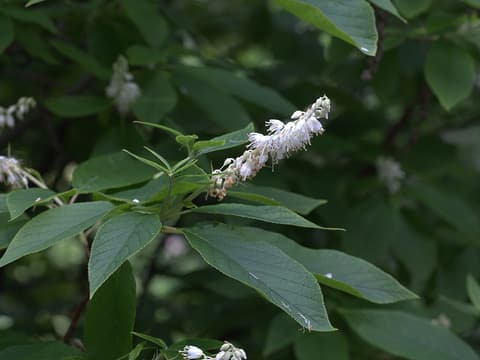
The native pachysandra of the Southeast, a slow, low ground cover for shade with mottled leaves and fragrant white flower spikes in early spring.
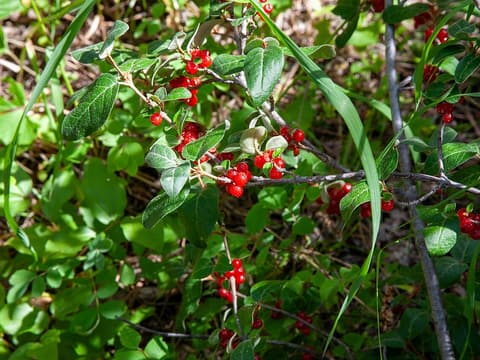
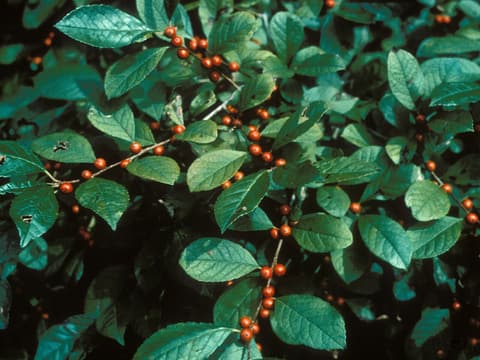
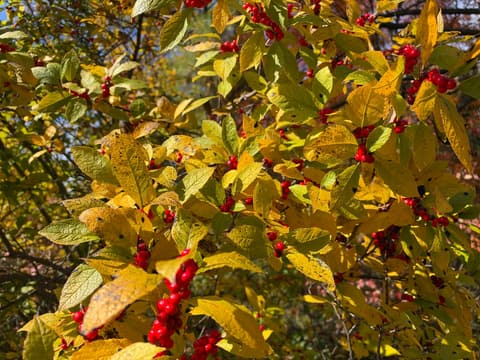
Glossy violet berries ring every stem in fall and feed mockingbirds and thrushes into winter. A fast, easy native shrub for sun or light shade.
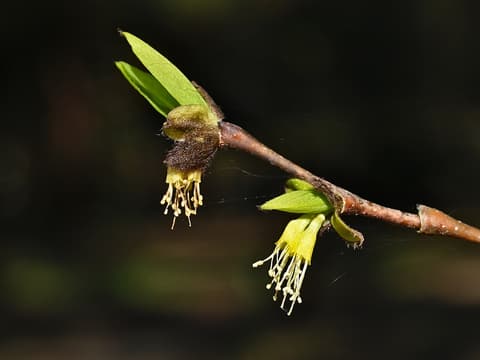
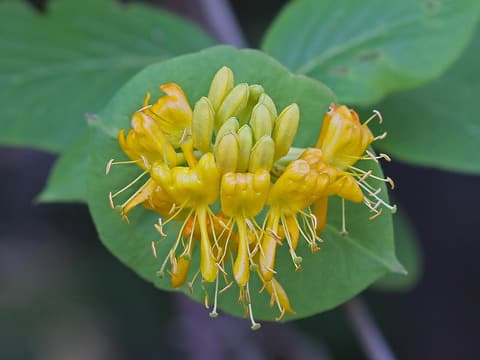
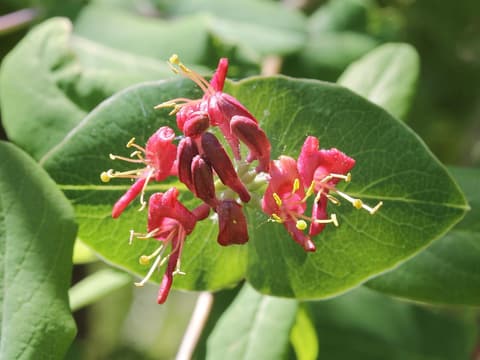
A native woodland honeysuckle of moist northern and mountain forests, with yellow flowers in pairs and twin red berries for birds.
Sweet native filberts in late summer on a dense, easy hedgerow shrub.
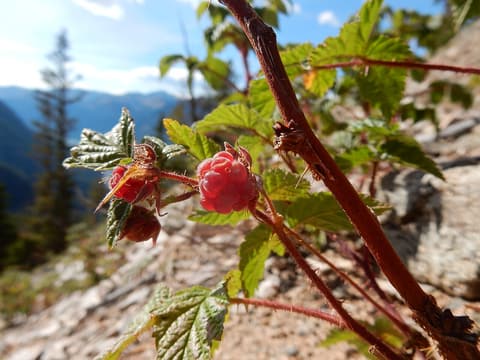
The native red raspberry of northern woods and mountain clearings, a bristly, suckering bramble with soft, sweet red berries in midsummer.
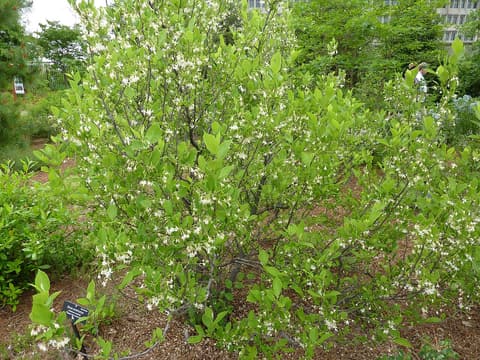
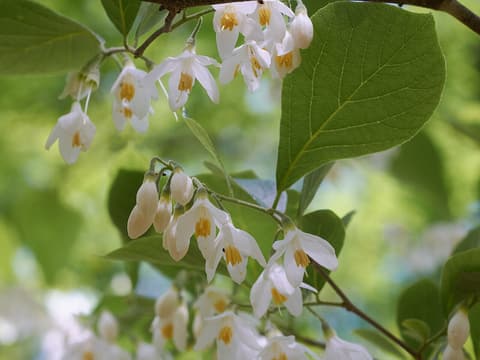
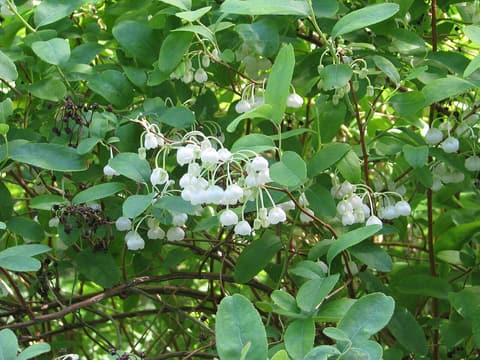
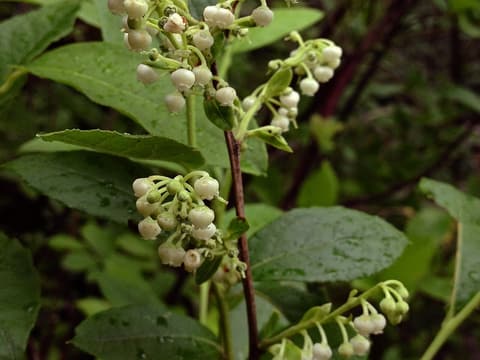
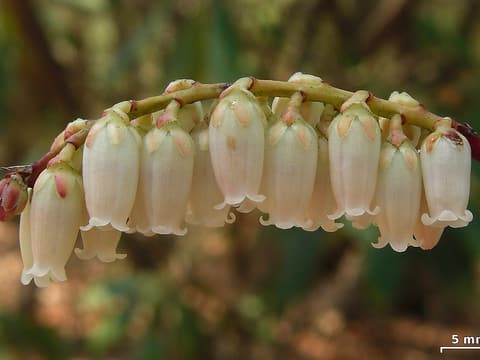
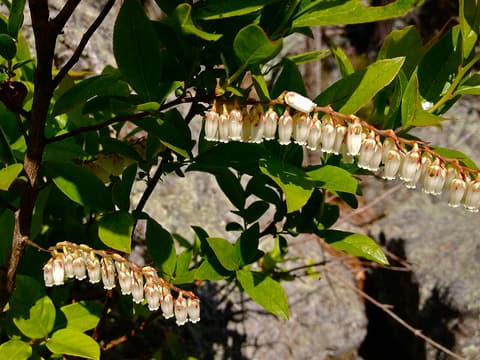
Fragrant white bells with swept-back petals cover a slender native shrub in spring, for wet woods, pond edges and shady, acidic ground.
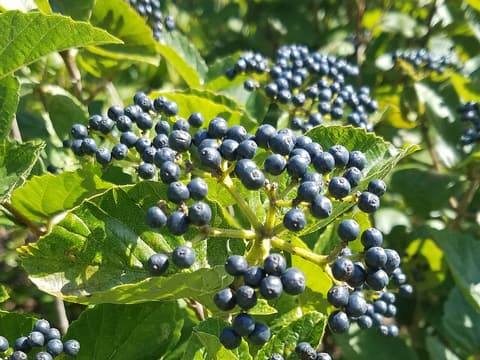
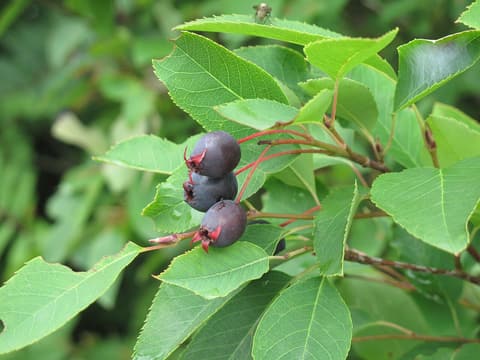
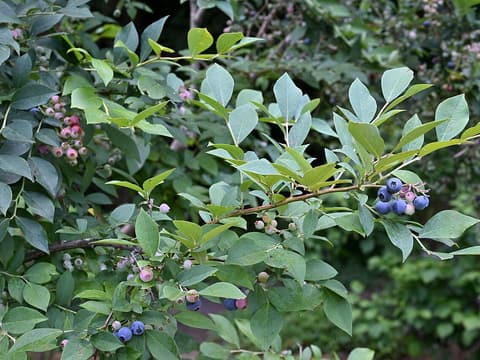
Blue-black berries nearly half fat by dry weight ripen from August for robins, bluebirds and catbirds, after flat white flower heads in May for the bees.
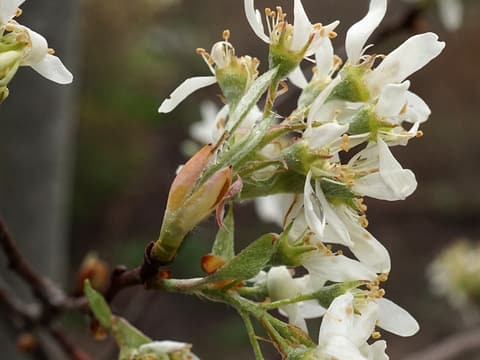
The most northern of the eastern serviceberries, a low shrub of cool bogs and mountain woods with white flowers and pear-shaped purple fruit.
The dune plum of the Atlantic coast: salt-proof, drought-proof and covered in white bloom each May.
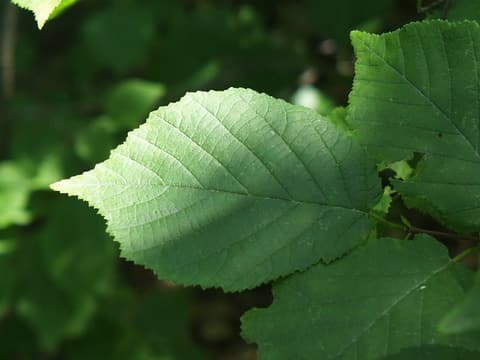
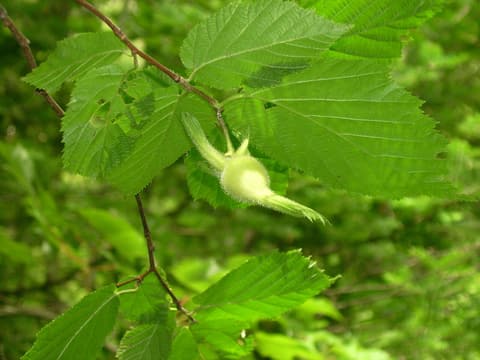
A small, suckering native hazel of northern and mountain woods, whose tasty nuts ripen inside bristly husks drawn out into a long beak.
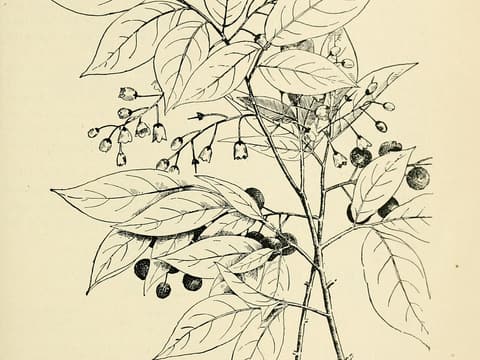
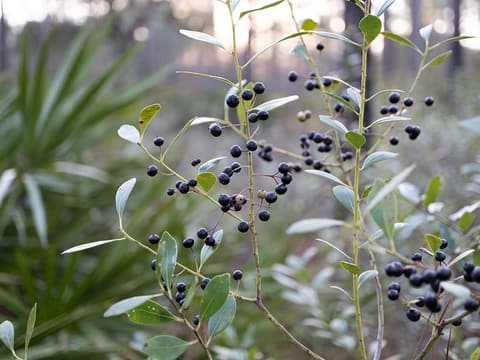
A colony-forming huckleberry of southern Appalachian oak and pine woods, with greenish bells in May, glossy black berries and fall color.
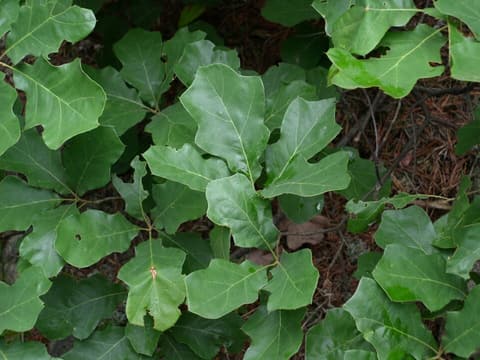
The scrub oak of pine barrens and ridgetops: tough, fire-adapted and a powerhouse host for moths and butterflies.
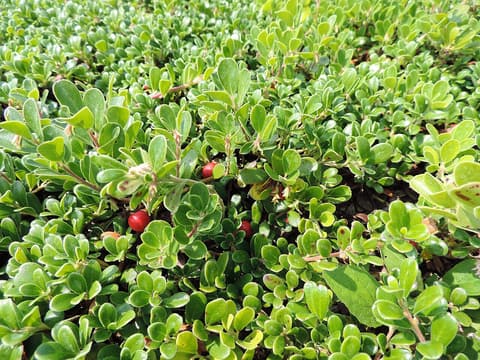
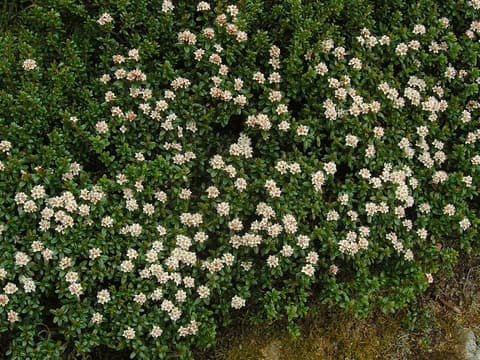
A slow, flat evergreen mat for sun and sand, with leathery leaves that bronze in winter and red berries that feed birds and bears.
Leaves up to 8 inches long and sprays of fragrant white bells in April and May, on a native shrub for shady, well-drained woods.
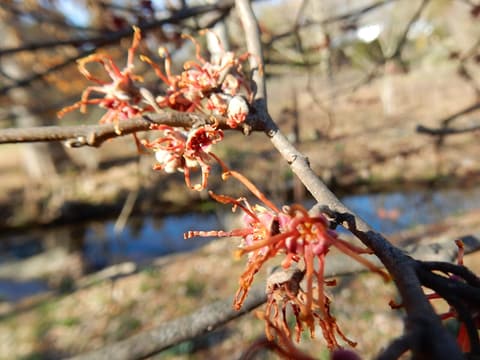
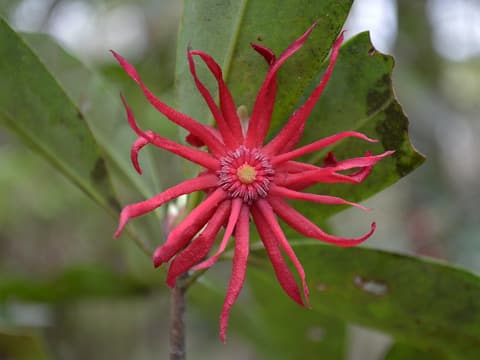
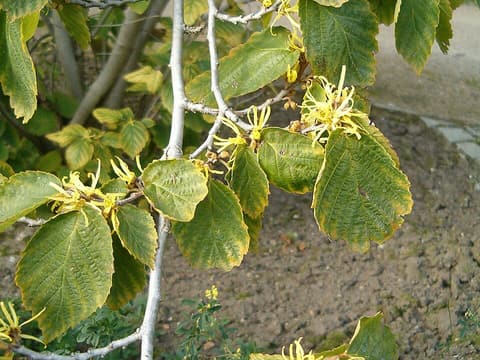
Wine-red, scarlet or rose flowers from late December into February, on a colony-forming witch hazel with the largest leaves of any, first described in 2006.
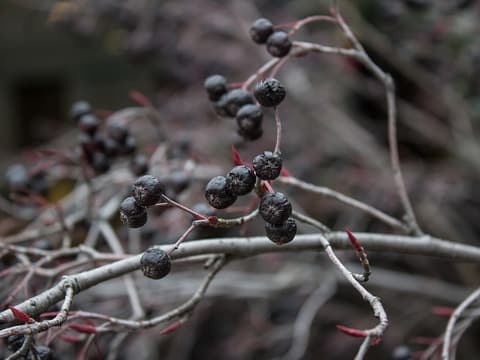
White spring flowers, glossy black antioxidant-rich berries and some of the best red fall color of any shrub.
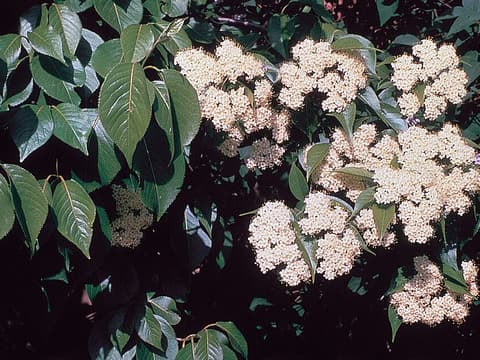
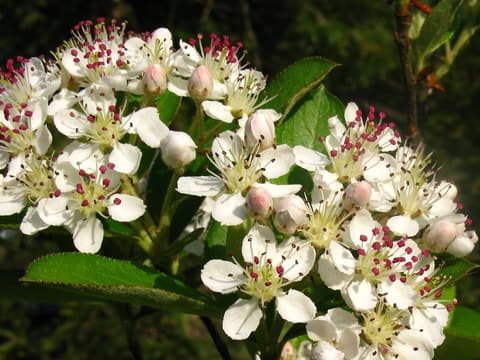
Broad white flower plates in June, purple-black berries in August, and a magnet for dozens of bird species.
A low, colony-forming shrub of dry acidic woods with sweet, seedy black berries and crimson fall leaves.
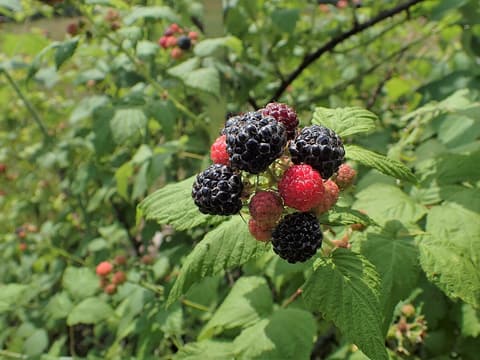
The eastern native blackcap, with arching canes dusted white and sweet purple-black berries in early summer for jam, pies and the birds.
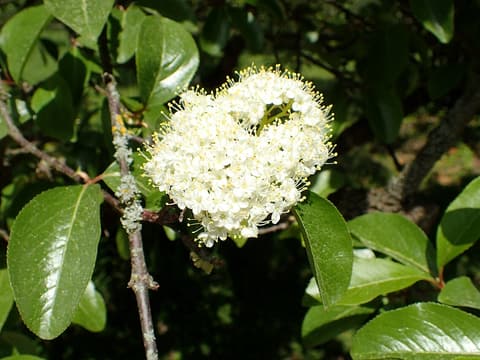
A tough, tree-like viburnum with white spring flowers, purple-red fall color and sweet blue fruit.
Drooping white bell flowers in May and papery inflated seed pods that rattle in the fall wind.
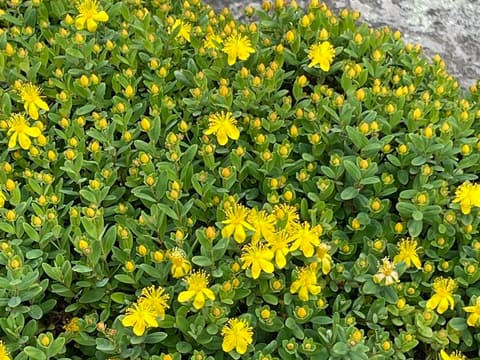
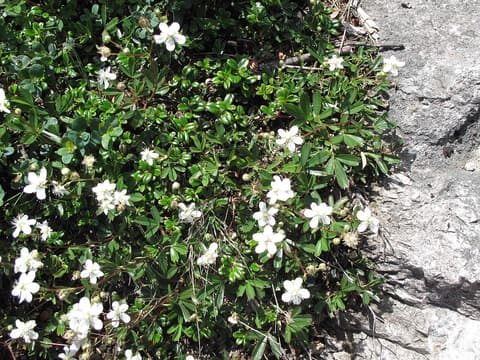
A low mat of small leaves and inch-wide golden flowers for a sunny rock garden, from the high peaks of the southern Blue Ridge.
A rare spicebush of southern seepage bogs, with thick leaves, pale yellow flowers before the leaves and bright red fruit on female plants.
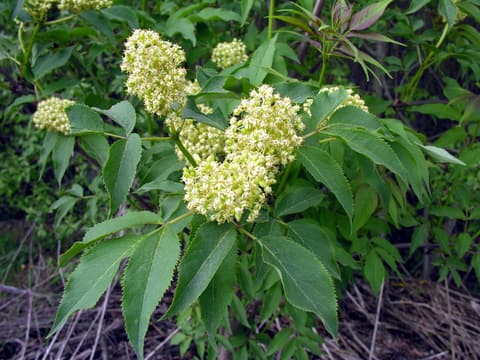
A shade shrub that spreads into a broad mound and lifts white flower spikes up to a foot long in early summer, when few other shrubs bloom.
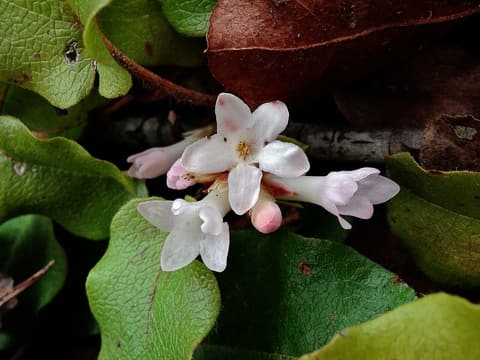
A foot-high evergreen ground cover with glossy leaves, pink-white bells in May and sweet blue berries, from a shrub whose wild patches live for centuries.
A critically endangered white oak that stays low and shrubby, spreading from underground stems into colonies on sandstone and deep sand.
A rare arrowwood of southern limestone bluffs, with flat clusters of white flowers in spring and oval blue-black fruit for birds.
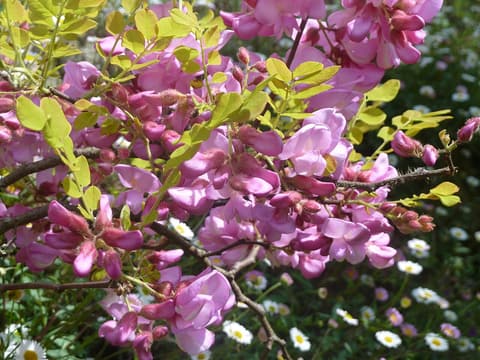
Rose-pink wisteria-like flowers in May on a suckering, nitrogen-fixing shrub for dry banks.
A low evergreen heath of sand barrens and rocky summits, with needle-fine leaves and tufts of purple flowers at the shoot tips in spring.
An evergreen of southern bogs whose fragrant spring flowers feed honeybees, followed by winged fruits shaped like buckwheat grains.
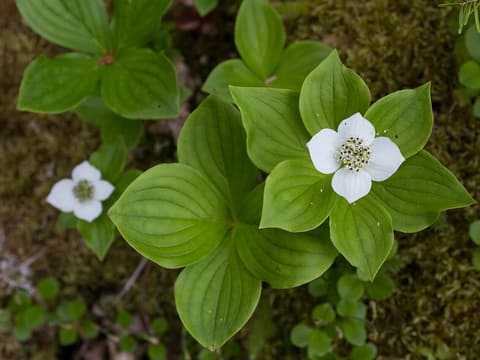
A dogwood only a few inches tall, with white four-bracted flowers in late spring, bunches of red berries in late summer and wine-red fall leaves.
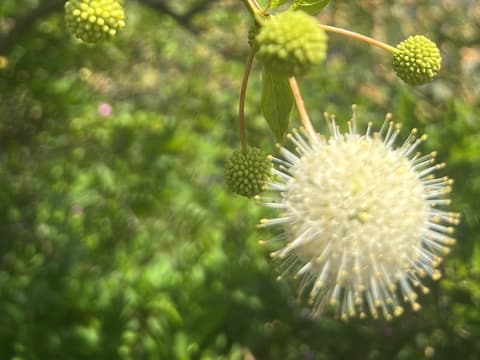
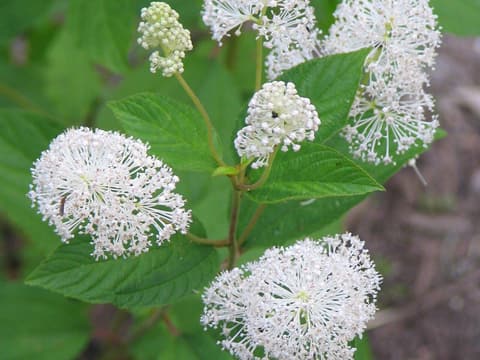
A wetland shrub for pond edges and rain gardens, with round white pincushion flowers in summer that draw bees, butterflies and hummingbirds.
A slow, thornless northern shrub that fixes its own nitrogen, with silvery, rust-flecked leaves and bitter red berries that bears and birds eat.
A low, sprawling evergreen for deep shade whose branches root as they spread, with bright red, berry-like fruit that birds eat.
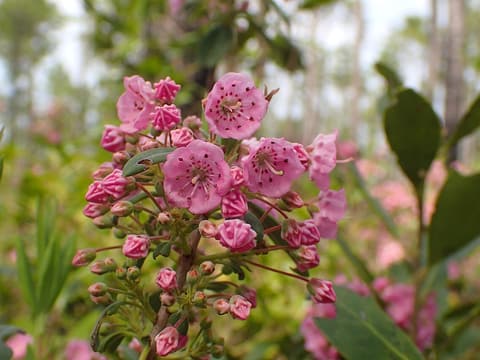
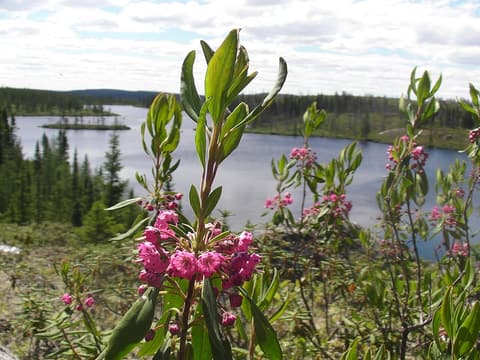
Clusters of small pink cups ringed in red in April and May, on a low evergreen laurel of Southern bogs and wet pine savannas.
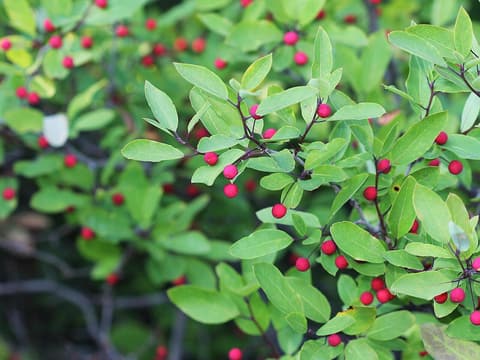
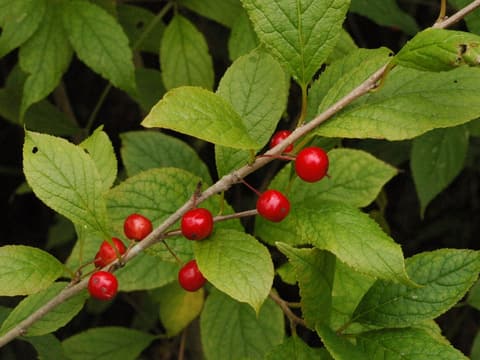
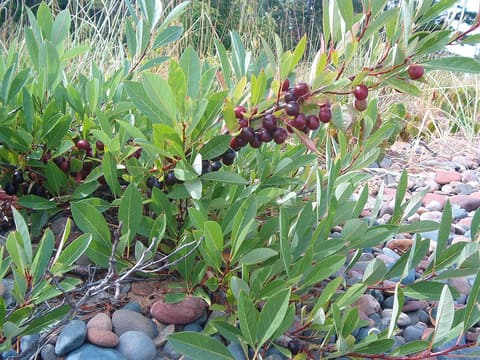
Glossy leaves, red-to-black berries and yellow fall color on a native buckthorn that is nothing like the invasive ones.
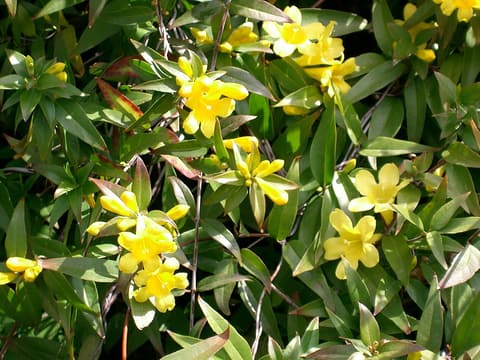
A native evergreen vine that twines up a fence or arbor and covers itself in fragrant yellow trumpets from late winter into spring.
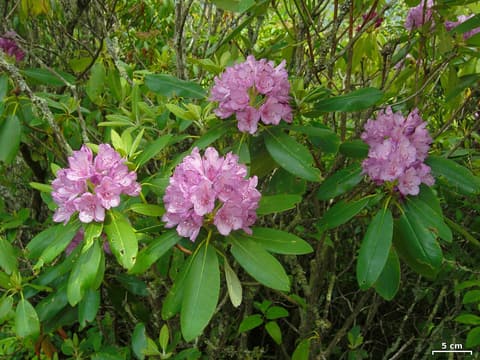
Lilac-purple trusses of 15 to 20 flowers open in late spring on an evergreen shrub of Appalachian ridges, parent of the hardy garden rhododendrons.
A deciduous holly of northern bogs and lakeshores, with red summer berries on thread-like stalks and leaves that feed Columbia silkmoth caterpillars.
An evergreen rhododendron that stands Deep South heat, with rose-pink flower clusters in early spring, wild only in a few counties of north Florida.
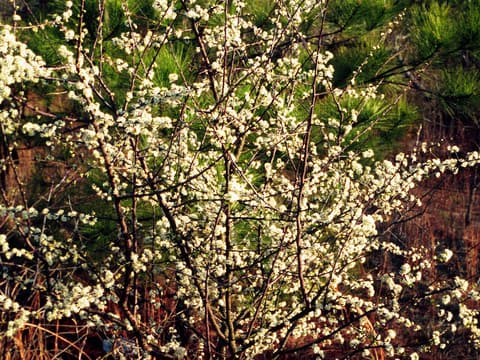
A thicket-forming wild plum that flowers white in late winter, before its leaves, and ripens tart red or yellow plums for jelly in early summer.
Peeling cinnamon-red bark and drooping spikes of spicy, fragrant white flowers in summer, on a tall shrub of Appalachian mountain slopes.
The only climbing heath in the country, an evergreen that runs up inside cypress bark and hangs white bells from winter into spring.
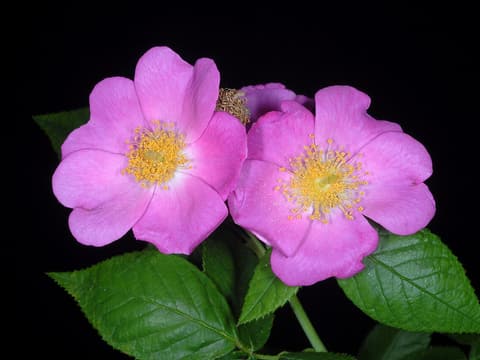
A native rose with long arching canes, rose-pink flowers that fade toward white in early summer, red hips for birds and bright fall leaves.
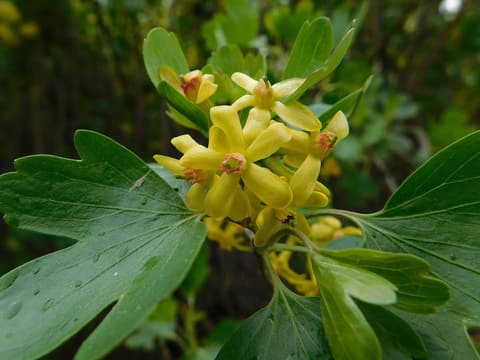
A thornless Plains currant whose golden yellow spring flowers smell of cloves, followed by sweet black berries for jam, jelly and pie.
A low indigobush of southern sandhills whose clustered white to violet flower spikes feed native bees in early summer.
Sweet, musky white flowers flushed pink open on knee-high stems in April and May, on a wild azalea that spreads by runners into drifts.
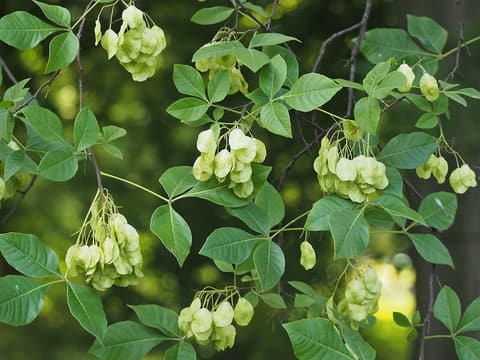
A small citrus-family tree for shade or dry rock, one of only two native giant swallowtail hosts in the Northeast. Papery wafer fruit hangs all winter.
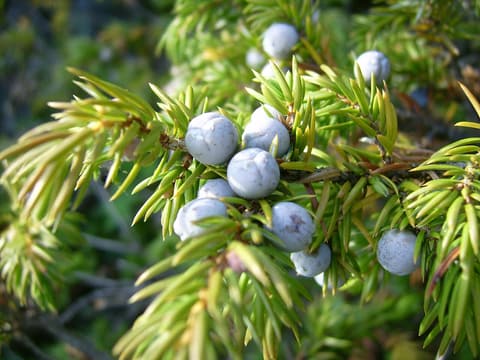
A hardy, spreading evergreen shrub with sharp, silver-banded needles in threes and blue berrylike cones, for poor, dry, sunny ground.
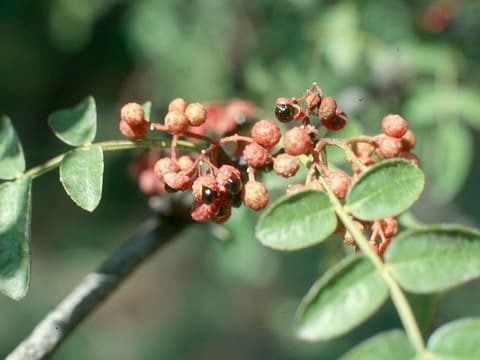
A thorny citrus-family thicket shrub, the giant swallowtail's other native host, with lemon-scented leaves and red capsules of shiny black seed.
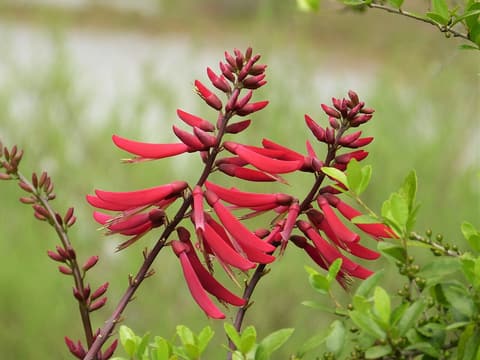
Spikes of scarlet, tubular flowers on bare stems in spring draw hummingbirds, followed by black pods that split to show red seeds.
A rare swamp shrub whose wood is lighter than cork, forming thickets of slender stems in ground that stays wet or floods.
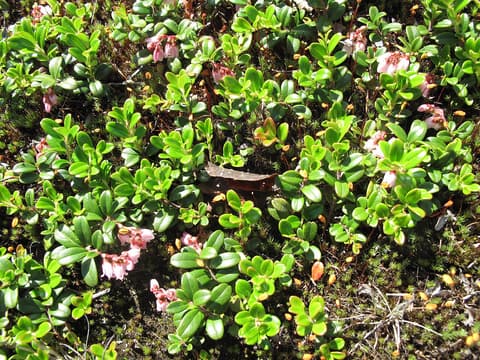
An evergreen blueberry that creeps into a mat under a foot or so tall, with pink bells in April, black berries in summer and bronze new growth.
A slow, mat-forming evergreen of northern dunes, rocky shores and prairie slopes, with blue-green scale leaves that turn purplish in winter.
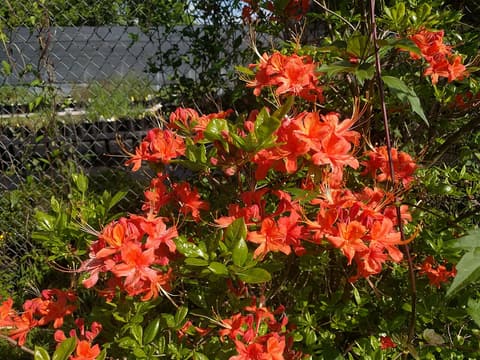
Red to orange flowers in June and July, after the leaves are out, from a low wild azalea of the Cumberland Plateau and nearby mountains.
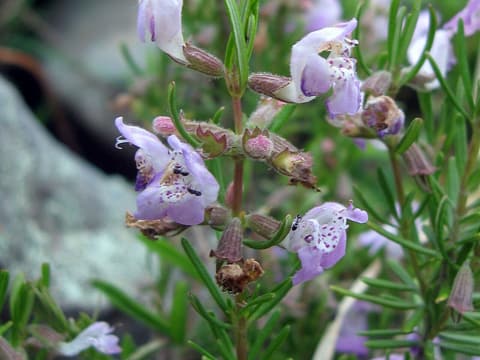
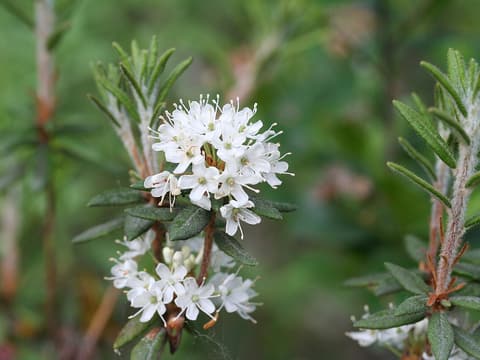
A federally threatened mint of Cumberland Plateau river bars, a low evergreen mat with rosemary-scented leaves and lavender-pink spring flowers.
A huckleberry for sandy, acidic ground, damp or dry, that spreads into thickets hung with sweet blue berries in summer and turns orange in fall.
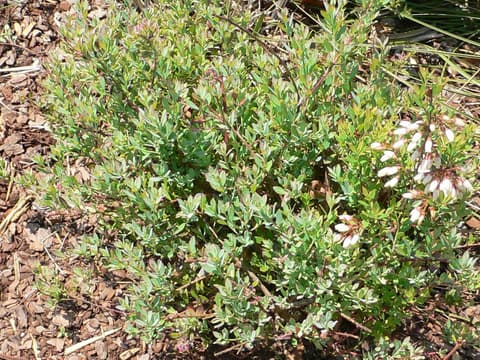
A low evergreen blueberry of Gulf Coast pine flatwoods, with tiny blue-green leaves under a silvery bloom, pink-tinged bells and edible blue berries.
Open white bells with yellow stamens in May, then dangling green to purple berries for grouse, turkeys and bears. The blueberry of dry sandy woods.
Two-foot heads of white flowers in August when little else blooms, then purple-black fruit for thrushes and waxwings, on a stem with leaves up to 5 feet long.
A small arrowwood for dry, shady woods, with flat white flower clusters in late spring, dark fruit for birds and purplish red fall leaves.
A true shrub oak that starts dropping sweet, low-tannin acorns within a few years of planting.
A knee-high live oak that spreads from underground stems into evergreen patches and can bear acorns just three years from seed.
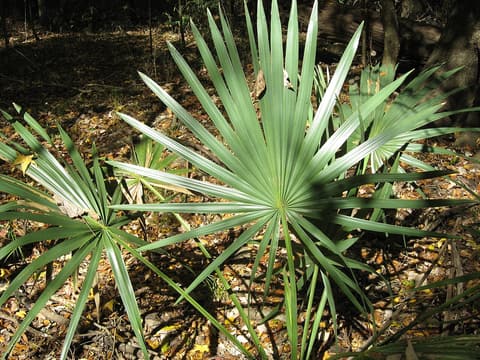
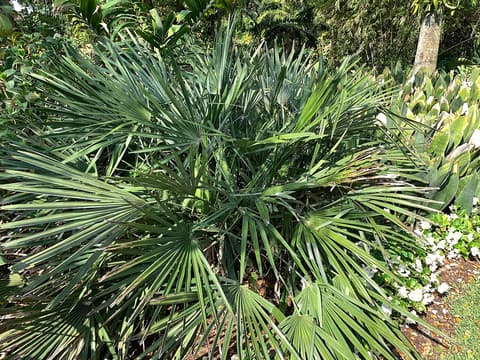
A hardy palm for wet shade whose trunk stays underground, sending up evergreen fans up to 5 feet across and tall stalks of fragrant flowers.
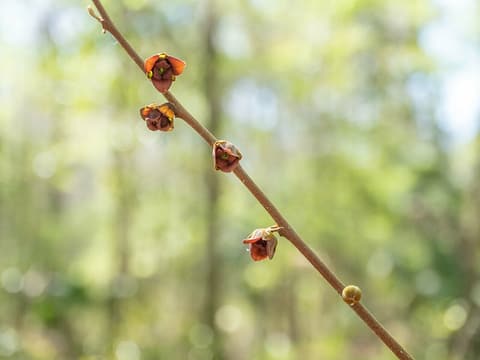
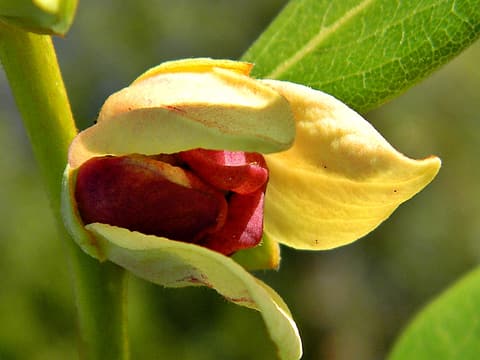
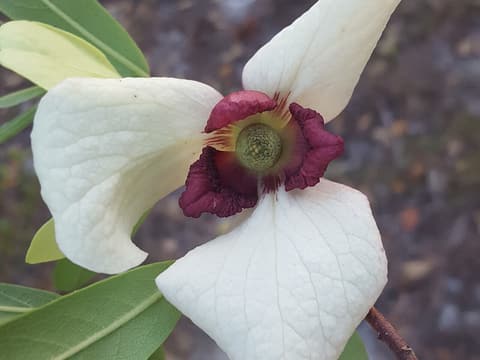
A pawpaw in miniature for dry southern woods, with maroon spring flowers, small sweet fruit and leaves that feed zebra swallowtail caterpillars.
A small shrub of coastal plain bogs with honey-scented white bottlebrush flowers before the leaves in spring, and red, orange and yellow fall color.
Tiny yellow flowers in the first week of spring, on a rare, slow shade shrub with bark you can tie in knots.
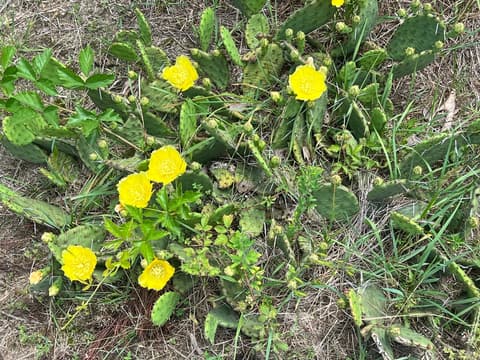
The one cactus native across the East, a low mat of flat pads with big yellow flowers in early summer and edible fruit, for the driest, sunniest ground.
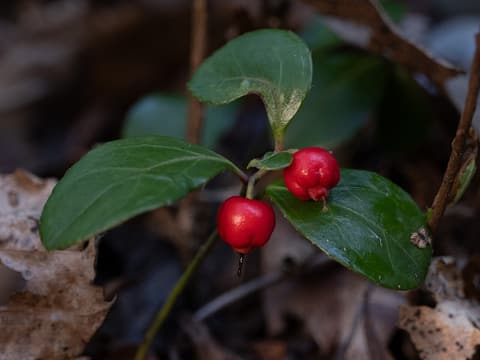
An evergreen groundcover for acidic shade, with glossy leaves that smell of wintergreen and red berries that often hang on through the winter.
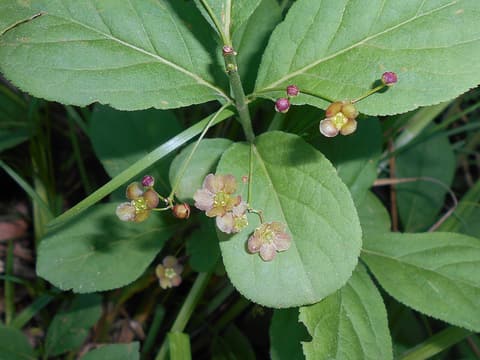
A native shrub or small tree of rich woods and stream banks, with dark purple flowers, yellow to red fall leaves and pink capsules that open on scarlet seeds.
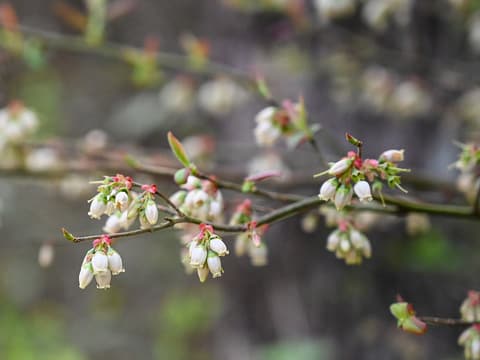
A wild southern blueberry that hangs white bells on bare twigs before its leaves, ripens sweet black berries by early summer and turns scarlet in fall.
A colony-forming bayberry of southern bogs and swamps, with spicy-scented leaves and gray-white waxy fruit that feeds birds through the winter.
Sepals of pink, rose or white, as showy as a poinsettia's, light up this small tree of southern swamp edges for weeks in early summer.
A Florida pawpaw of sand ridges and scrub, with large lemon-scented white flowers from late winter and green fruit that people and wildlife eat.
Clusters of yellow, orange or scarlet funnels with long stamens in May and June, from one of the showiest shrubs of the southern Appalachians.
A small, single-trunked southern plum that clouds over with white bloom before its leaves, then ripens tart to sweet purple plums for jelly and wildlife.
A fast-growing evergreen for shade and wet ground, with leaves that smell of anise when crushed and nodding, dark red spring flowers.
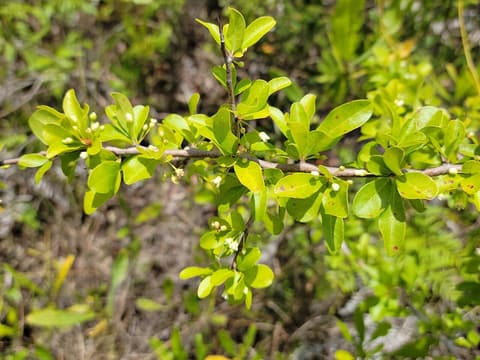
A thorny shrub of floodplain woods and wet pinelands in the Deep South, with tiny white spring flowers and small black berries that birds eat.
Yellow to orange flowers with long stamens in March and April, from a rare wild azalea of the Florida Panhandle.
A tall evergreen for shady stream banks, with arching stems, red new leaves and fragrant white bells hanging beneath the branches in spring.
A tough native shrub of southeastern coasts that shrugs off salt wind and drought, with blue-black fruit that ripens early for songbirds.
A rare willow of Southern spring runs and wet, limy woods, with broad leaves glossy above and whitish beneath and catkins in late winter.
A rare pawpaw of Florida's coastal sand pine scrub, with nodding flowers that open cream and turn maroon, and fruit that smells of bananas.
A low, thicket-forming sumac for dry banks, with lemon-scented leaves, fuzzy red fruit for birds and orange to red fall color.
Upright plumes of white flowers in midsummer and bright red leaves in fall, on a rare small tree found wild only in Georgia.
A low evergreen mat of needle-fine leaves that turns bright yellow with flowers in late spring, on the sand barrens of the Northeast.
A rounded shrub of limestone glades with blue-green leaves and golden flowers up to 1.75 inches across, each a brush of stamens, in June and July.
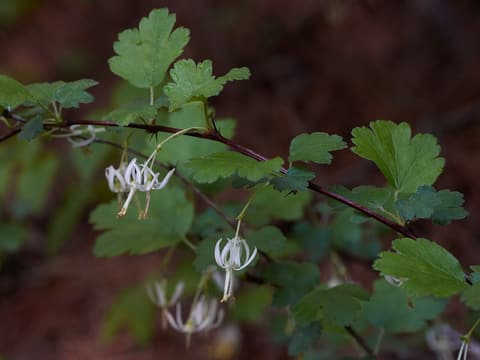
A rare gooseberry of rocky Southern woods, a low spiny shrub whose arching stems root into a patch, with hanging white flowers in spring.
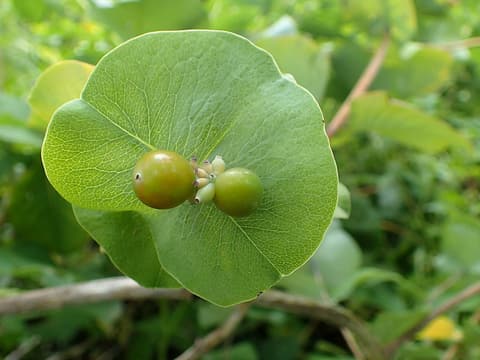
A native midwestern honeysuckle with round, blue-green leaves, whorls of pale yellow flowers in late spring and clusters of red berries in fall.
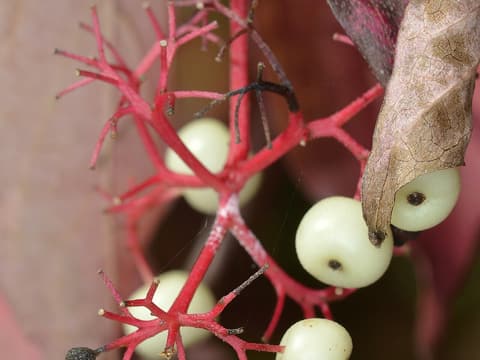
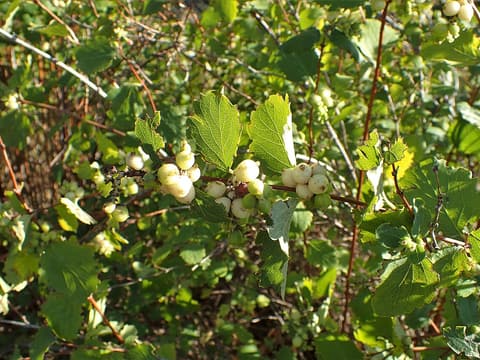
White berries on red stalks, about a third fat, feed migrating warblers and sparrows in September. A thicket shrub for dry or wet ground, sun or shade.
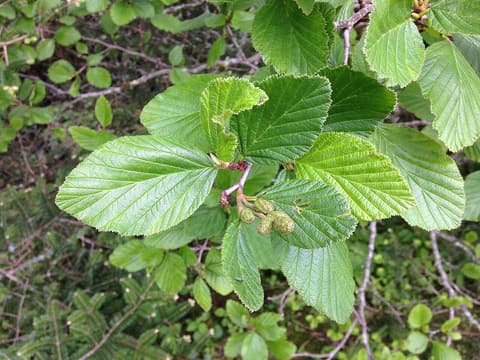
The alder of the far North, a spreading, nitrogen-fixing shrub for stream banks and poor, gravelly ground, with catkins that open with the leaves.
A fast native shrub for salt spray and wet ground on the coast, whose female plants turn silvery in fall with plumed seeds.
A low, colony-forming blueberry of the southern Appalachians, hairy in every part, down to its sweet, fuzzy, blue-black berries.
A native twining vine for cold northern gardens, with whorls of yellow flowers in early summer and orange-red berries in fall.
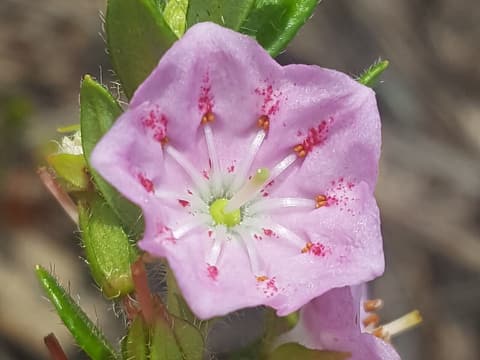
A knee-high evergreen laurel of Southern sandhills, bristly in every part, with pink saucers spotted in red from May into July.
A low wild blueberry of dry, rocky hillsides that spreads into colonies, with sweet blue berries in summer and scarlet leaves in fall.
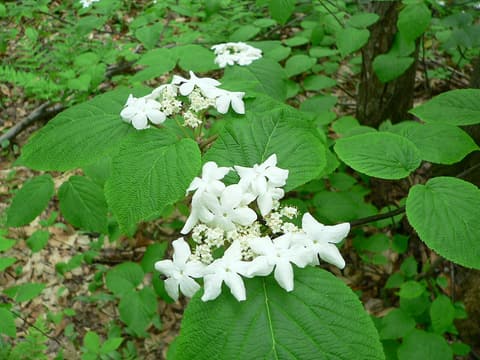
A shade shrub of cool northern woods with lacy white flower heads in spring and big heart-shaped leaves that turn bronze-red and purple in fall.
Anise-scented white bells, like an oversized lily of the valley, hang in May and June from a rare shrub of southern coastal plain bogs.
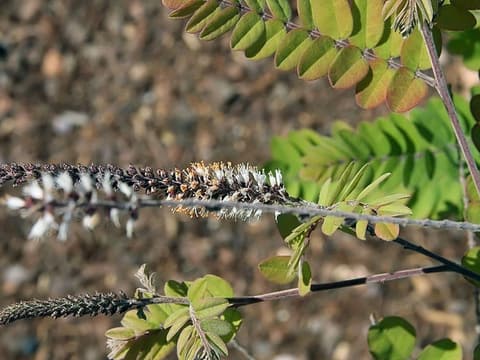
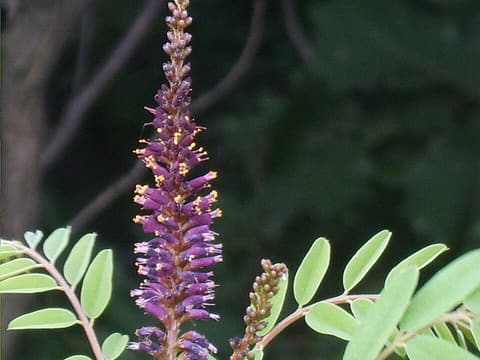
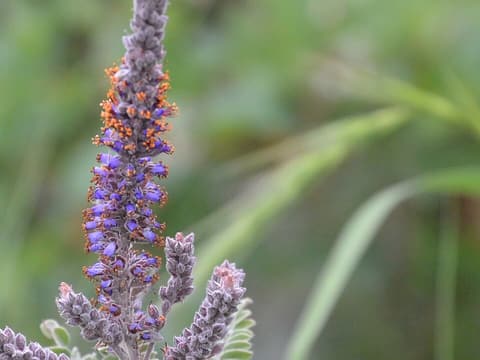
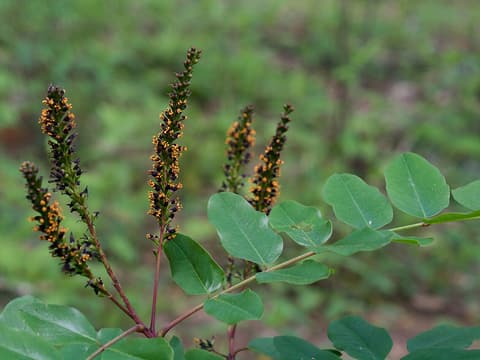
Purple flower spikes with orange stamens in June, on a nitrogen-fixing shrub for streambanks and hot dry edges.
An evergreen holly with glossy, spineless leaves for hedges and screens on damp, acidic ground, and black berries all winter on female plants.
A dense, low shrub of Great Lakes shores with narrow, bluish-green leaves, covered for a month in midsummer with golden flowers.
A low evergreen shrub of northern bogs, with rounded clusters of small white flowers and leathery, fragrant leaves felted rusty beneath.
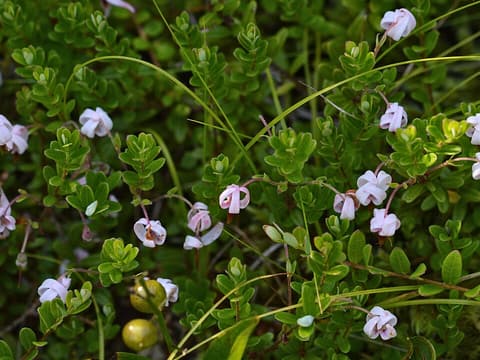
A low evergreen mat of wiry runners, with pink crane-like flowers in early summer and red fall berries, the wild parent of the cultivated cranberry.
A prairie sub-shrub with silver leaves and purple summer spikes, rooted deep against drought.
A low native honeysuckle that twines up a fence or sprawls as a shrub, with whorls of yellow to red flowers for hummingbirds and red berries for birds.
A low evergreen of northern rocks and bogs, with pink bell flowers and tart red berries for sauce and jam, for gardens with cold winters.
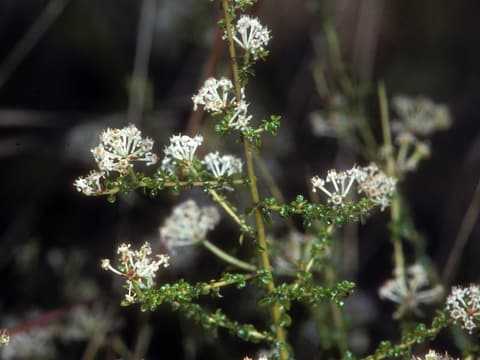
A foot-high cousin of New Jersey tea for dry, sandy pinelands of the Deep South, with leaves under half an inch and white flower clusters in spring.
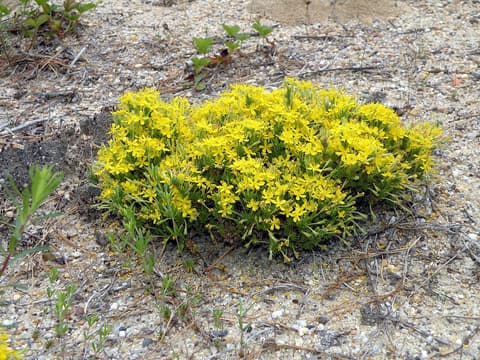
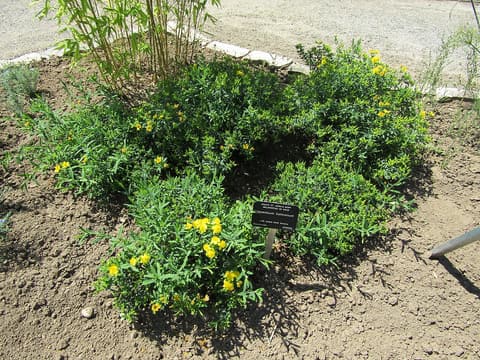
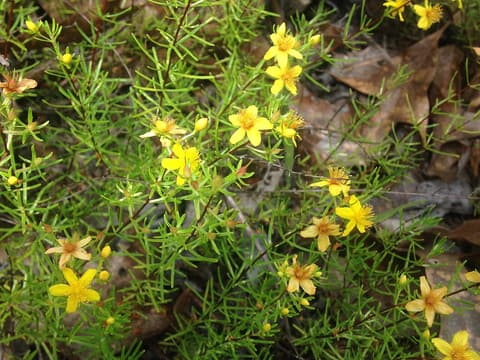
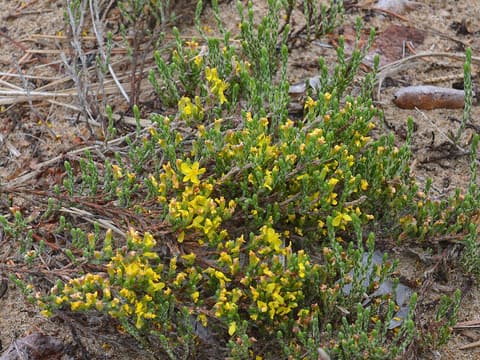
A low, spreading shrub of sandhills and granite outcrops, with fragrant, needle-like leaves and golden flowers from June into September.
A rare deciduous holly of high Appalachian streams and bogs, with bright red berries that dangle on stalks up to an inch long.
A tough native heath of swamp edge and dry ridge, hung with white bells in June for four rare specialist bees, that almost no nursery grows.
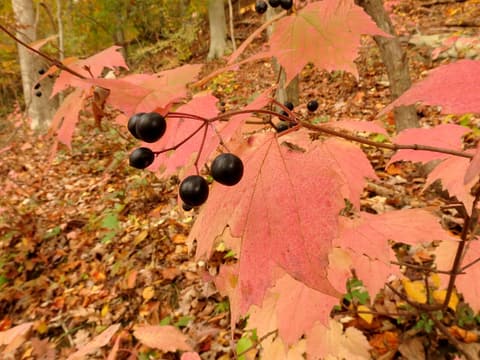
A small viburnum for shade, with maple-shaped leaves that turn pink, magenta and purple in fall and blue-black berries for birds.
Fragrant white flowers with a yellow blotch open in May and June, after the leaves, on a rare wild azalea found only in South Carolina.
A federally threatened gooseberry of rich Southern woods, a low spiny shrub whose leaves drop in summer and return in fall, with spiny berries in spring.
A rare, low sumac of sandy and rocky open woods in North Carolina, Virginia and Georgia, densely hairy all over, with red fruit on female plants.
Small nodding bells of greenish white flushed with red in late spring, on an upright mountain shrub with hairy leaves and shreddy bark.
A fast native willow of stream banks and wet meadows whose silky catkins open among the first flowers of spring, feeding emerging bees.
A rare, colony-forming shrub of southern Appalachian bluffs, with clusters of pale yellow summer flowers, hairy leaves and yellow and red fall color.
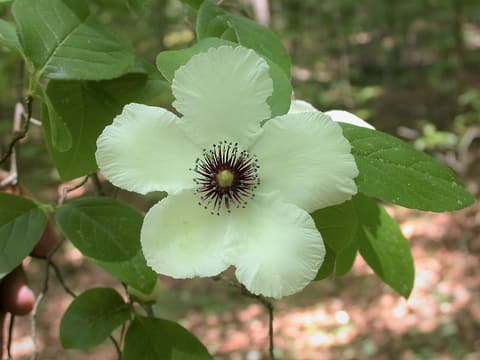
Large white camellia-like flowers in July on a rare Appalachian small tree with orange-red fall color.
Arching evergreen stems hung with sprays of waxy white bells in spring, from the thicket shrub of southern Appalachian stream banks.
A compact evergreen of southern Appalachian balds, with upright clusters of fragrant white bells in spring from buds that show all winter.
A small native shrub of northern bogs and wet woods, a wild relative of the haskap, with paired pale yellow flowers and edible blue berries.
A smooth-leaved indigobush of Appalachian ridges and slopes, 3 to 6 feet tall, with purple flower spikes and golden anthers in early summer.
Native evergreen with clusters of origami-like pink and white flowers in June and twisted, sculptural trunks.
Arching sprays of white bells on bare red twigs in spring and red leaves in fall, on a deciduous mountain shrub of the southern Appalachians.
Honey-scented white bottlebrush flowers in April and leaves that turn yellow, orange and red in fall, on a rare shrub of southern mountains.
A big, adaptable viburnum with creamy flowers, edible blue-black fruit and wine-red fall color.
A rare, low serviceberry of the sandy Atlantic coast that spreads into a colony: white flowers in May and edible blue berries by July.
One of the hardiest palms, a trunkless clump of glossy fans up to 30 inches across, guarded at the base by long black needles.
A low Florida pawpaw of flatwoods and scrub, with fragrant white flowers banded dark purple inside from winter into spring, and edible fruit.
A knee-high shrub for dry, poor ground, with fragrant white flower clusters in June that feed azures, hairstreaks and two bees that use almost nothing else.
Peeling bark, white flower balls in June, and a constitution that shrugs off drought, flood and cold.
Waxy gray berries hold above the snow all winter for yellow-rumped warblers, tree swallows and quail. A salt-tolerant shrub that fixes its own nitrogen.
A tough native shrub of the northern prairies that spreads into low thickets, with pink summer flowers and greenish-white berries that hang on into winter.
Scarlet, orange-red or orange flowers in April and May, among the brightest of all American azaleas, on a heat-tolerant shrub of Georgia and South Carolina.
An evergreen bayberry of Gulf Coast swamps and bayheads whose leathery leaves, unlike those of other bayberries, have no scent when crushed.
A rare indigobush of the Ouachita Mountains, 3 to 6 feet tall, with slender purple flower spikes up to 8 inches long in late spring.
Fragrant red, orange or yellow flowers on bare branches from January into March, the first bloom of the year, on a shrub that takes floods.
A small buckeye for part shade, with upright flower clusters in yellow, cream or pink that feed hummingbirds on their spring migration.
A spreading dogwood for wet, sunny ground, with sweetly fragrant creamy flowers in early summer and blue fruit that birds take in fall.
A trailing evergreen an inch or two high, whose paired white flowers join to make one red berry that often lasts the winter.
Fragrant pink flowers with long, upcurved stamens in early spring, from the most common wild azalea of the Southeast.
One of the smaller evergreen rhododendrons, with trusses of pink to white flowers in spring and a heat tolerance few rhododendrons match.
Wide-open pink flowers on bare spring twigs, from a rare azalea that grows wild only in the mountains of North Carolina.
Fragrant pink trumpets open on bare branches in April for bumble bees, hummingbirds and swallowtails. The deciduous wild azalea of Mid-Atlantic woods.
A rare shrub of Southern Appalachian slopes that draws on the roots of hemlock and other trees, with leaves in two flat rows and yellow-orange fruit.
Orange-red to red azalea flowers in July and August, after most wild azaleas are done, on a rare shrub of Georgia and Alabama ravines.
A rare, colony-forming spicebush of flooded woods and pond edges, with drooping, root-beer-scented leaves, early yellow flowers and red fruit.
A rare coastal plain shrub of pond and swamp edges, with zigzag twigs, small leathery leaves, yellow flowers before the leaves and red fruit.
A deciduous holly whose orange-red berries line the bare gray branches from September to March, feeding birds late in winter.
A glossy-leaved viburnum for wet ground whose berries turn pink, blue and purplish black, often all at once in the same cluster.
A knee-high prairie shrub for dry, limy ground, with round clusters of white flowers in spring that feed bees and butterflies, and roots that fix nitrogen.
A low, prickly rose of the Plains whose stems often die back to near the ground, with clusters of pink flowers in early summer and orange-red hips into winter.
A small willow for dry, sunny ground, whose silky catkins open before the leaves and feed bees at the very start of spring.
The wild rose of the northern forests, a thicket of bristly stems with fragrant pink flowers in early summer and red hips that last the winter.
A thornless bramble for part shade, with fragrant rose-purple flowers 2 inches across all summer over big, maple-like leaves.
A rare dwarf fringetree from the sand ridges of central Florida, with showy clusters of fragrant white flowers in early spring and inch-long fruit.
The tall blueberry of Southern gardens, with white or pink bells in spring and sweet blue berries through summer, tougher in heat and drought than highbush.
A tall, suckering shrub of bogs and swamps with white spring flowers, glossy red fruit that hangs into winter and blazing red fall leaves.
Cone-shaped white flowers in May and glowing red berries by June, the earliest berry crop for birds.
Fragrant white or pink azalea flowers in May, after the leaves are out, on a rare wild shrub of the Red Hills of Alabama and Georgia.
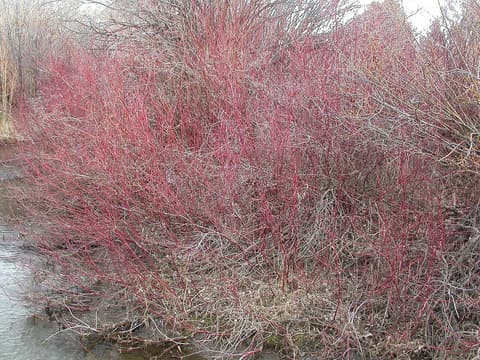
A fast, thicket-forming shrub of wet ground whose young stems turn bright red after the leaves fall and glow against snow all winter.
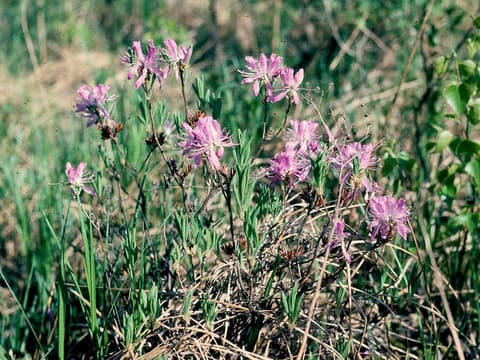
Rose-purple, two-lipped azalea flowers on bare twigs in May, lighting up the bogs and wet woods of the Northeast before the leaves.
The great evergreen rhododendron of Appalachian stream valleys, with pink-white trusses in July.
Bright pink, clove-scented flower clusters in spring on a wild azalea hardy enough to grow from southern Quebec to the Ozarks.
A fast thicket dogwood for dry or wet ground, with creamy flowers in late spring and white berries that dozens of kinds of birds eat.
A shade-tolerant northern dogwood with nearly round, wrinkled leaves, flat clusters of white flowers and pale blue berries on red stalks.
A shrub oak for the poorest, driest sand, spreading by underground runners into broad, low thickets that feed and shelter wildlife.
A low serviceberry that spreads by runners into thickets on rocky ground, with white flowers in spring and purple-black fruit for birds in summer.
A trailing woodland ground cover whose stems root as they creep, with warty pink capsules that split in fall to show orange-scarlet seeds.
Glossy, leathery leaves that turn deep red in fall, white flower clusters in spring and sweet blue fruit, on a small southern tree.
A low, tough shrub of dunes, beaches and sandy prairies, with white spring flowers and purple-black cherries for jam from its second or third year.
A low, dense evergreen with tiny glossy leaves that turn bronze in winter, smothered in pink buds and white starry flowers in spring.
An evergreen shrub oak found wild only in peninsular Florida, whose leathery leaves stand upright on the stems, their edges rolled under.
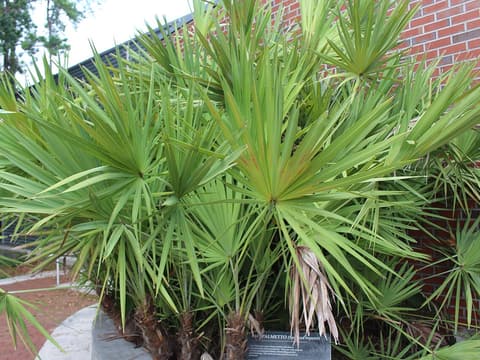
A low, creeping palm with stiff fans on saw-toothed stalks, fragrant flowers for bees and fruit for bears, deer and birds.
A tall, arching southern shrub that covers itself in big white four-petaled flowers in spring, easy in sun or part shade and tolerant of drought.
A rare, gnarled shrub of Florida scrub with zig-zag, spine-tipped branches, white flowers on bare twigs in winter and small reddish plums in spring.
A low evergreen shrub of northern bogs and barrens, with rose-pink flowers ringing the stems in early summer. Every part is poisonous to livestock.
A rare indigobush of southern stream banks and wooded slopes, with glossy leaflets and dark purple spikes lit by orange anthers in spring.
A low, rounded native shrub of northern fens and rocky shores whose bright yellow flowers open from June until frost.
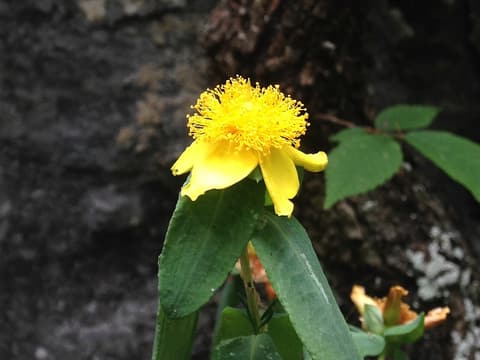
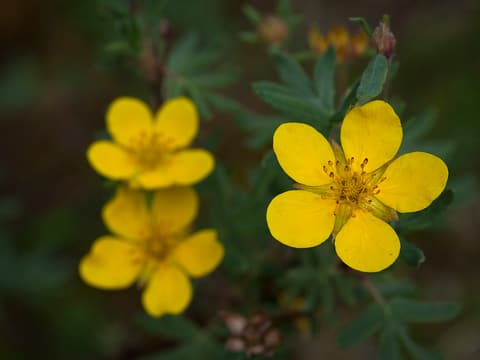
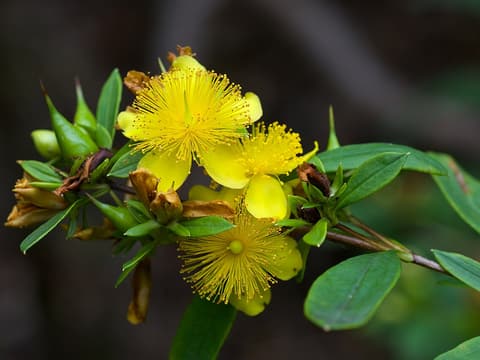
A dense, rounded shrub whose golden summer flowers each hold a brush of up to 500 stamens, above bark that peels to orange-brown.
White flowers about 3 inches across, with purple stamens and blue anthers, on a rare shrub of southern coastal plain woods.
Creamy flower clusters in June, porcelain-blue berries in September and purple-red winter stems for wet spots.
A fast shrub willow for wet, sunny ground, with narrow leaves silky white beneath and spring catkins that native bees and honey bees visit.
White lacecap flowers from May into July over leaves that flash silver in the wind, on a woodland shrub of the southern Blue Ridge.
A pawpaw of southern sandhills and pine savannas with long, slim leaves, nodding white fragrant flowers in spring and summer, and edible fruit.
A nitrogen-fixing streambank shrub that holds soil, feeds woodcock and grouse, and thrives in standing water.
A deciduous holly of East Coast swamps with glossy leaves that turn yellow in fall and orange-red berries that feed birds through winter.
A rare arrowwood of wooded limestone bluffs, with loose, peeling bark on its older stems and flat clusters of white flowers in May and June.
A tough, suckering native shrub of southern mountain balds and rocky slopes, with clusters of sulfur-yellow summer flowers for bumble bees.
A pawpaw only a foot or two tall, of Florida and Georgia flatwoods, with maroon flowers in spring and fruit that gopher tortoises eat.
A coastal yucca whose sword-shaped leaves rise in time on a woody trunk, crowned by tall spikes of nodding, creamy white bells.
Yellow flowers in March, spicy-scented leaves, red berries for thrushes and the host plant of the spicebush swallowtail.
A northern viburnum with lobed leaves that turn brilliant red in fall and sour red fruit for jam, for cool, moist woods and stream banks.
Nodding clusters of white bells up to half an inch long on bare twigs in spring, then bright red leaves in fall, on a sandy-soil shrub.
Warty crimson capsules split open in fall to show orange-red seeds, on a slender woodland shrub with square green stems.
A thin, arching southern shrub of rocky bluffs and stream banks, with white spring flowers and leaves that are white and hairy beneath.
Sticky, clove-scented white flowers from May to July, one of the last wild azaleas to bloom, on a shrub that takes wet, acidic ground.
Arching sprays of white bell flowers in May on a deciduous heath shrub for wet, acidic ground in sun or part shade.
Very fragrant white flowers with red stamens in late spring and early summer, among the last wild azaleas to bloom.
A fragrant shrub of northern bogs and lake shores, with resin-dotted leaves that smell sweet when crushed and roots that fix their own nitrogen.
Spires of intensely fragrant white flowers in August, when almost nothing else is blooming, and bees know it.
A shrub for sun or deep shade whose maroon spring flowers smell of strawberry, pineapple and banana.
A rare southern hawthorn with white flowers as big as a wild rose's, often three to a cluster in spring, and round red haws with juicy orange flesh.
A low evergreen mat of mountaintops and rocky shores, with glossy three-part leaves that turn wine-red in fall and white flowers in summer.
A thicket dogwood of the southern Coastal Plain for limy soils, with rough, hairy leaves, white spring flowers and pale blue berries.
A creeping evergreen only inches high whose sweetly scented pink and white flowers open in early spring, the mayflower of New England woods.
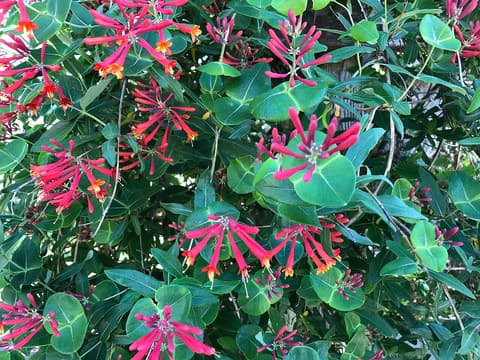
A native twining vine whose red trumpet flowers draw hummingbirds from spring into summer, followed by red berries for birds.
A shrub of the limestone glades and rocky woods of the Southeast, with gray-green leaves, summer flowers and blue-black fruit in early fall.
A low wild blueberry of the North with softly hairy leaves that turn red in fall and sweet, tart blue berries from July into September.
A rare Appalachian streambank shrub with arching stems and flat clusters of tiny cream-white flowers in early summer, spreading into thickets.
Fragrant white flower spikes in June, red and gold fall leaves that hang on into winter, and roots that are happy in wet ground.
A fast, dense southern viburnum with small, glossy leaves and clusters of white flowers that open in late winter.
Clouds of fragrant white fringe in May, then blue fruit for the birds, on a small tree for any yard.
Creamy white cups banded in red in early June and scarlet leaves in fall, on the one deciduous cousin of mountain laurel, from Carolina bogs.
A thornless currant of moist woods and stream banks, with drooping yellow-green flowers in spring, black berries in summer and gold and crimson fall leaves.
A woodland shrub that blooms on new stems even when cut to the ground each winter, with broad heads of creamy white flowers in early summer.
Bare winter branches lined with scarlet berries, on a deciduous holly that loves wet ground.
The last flower of the year: ribbon-like yellow blooms in November as the golden leaves fall.
A gray, woolly evergreen mat of dunes and sand barrens that covers itself in tiny yellow flowers from May into July.
A bog huckleberry of the Gulf coast whose twigs, flowers and sweet black berries all bristle with long, glandular hairs.
A Florida and Georgia pawpaw of sandhills and old fields, with soft woolly leaves, creamy white flowers in spring and edible fruit.
A rare Florida evergreen for shade and wet ground, with olive green leaves that smell of licorice when crushed and nodding pale yellow flowers.
A native twining vine with fragrant yellow flowers that darken to orange in spring, one of the most beautiful American honeysuckles.
A low, suckering shrub for shady stream banks and moist woods, with leaves like celery that turn yellow and reddish purple in fall.
A wetland shrub of southern ponds and stream banks that grows into dense thickets of needle-like leaves and small yellow flowers.
A Florida Panhandle shrub that grows like a small tree, with corky, peeling bark, needle-like leaves and yellow summer flowers.
A rare low shrub of dry southern oak and pine woods that draws on the roots of the plants around it and spreads into large colonies.
A rare, shrubby tupelo found only in the Florida panhandle, with small leathery leaves, round black fruit and stems that sprout back after fire.
A rare thorny buckthorn of limestone swamps in the Deep South, with mildly fragrant white flowers in late spring and small black fruit for wildlife.
One of the rarest shrubs of the South, a low indigobush of sandy pinelands whose dark purple spring spikes bristle with orange-tipped stamens.
A rare native privet of wooded limestone bluffs and shell mounds, whose golden flower clusters open in midwinter, earlier than any other native privet.
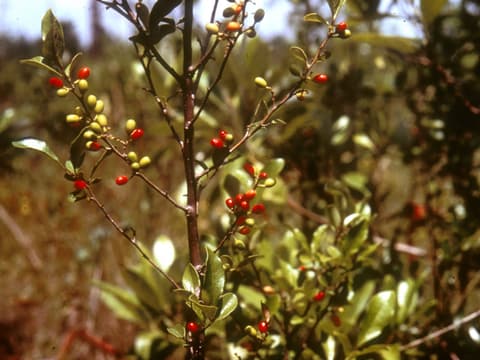
A native buckthorn of limestone glades and bluffs, a slender shrub with glossy leaves and small black fruit for birds, and not the invasive kind.
A bushy indigobush of rocky Piedmont hills, with purple flower spikes bristling with golden stamens from April into June.
A Florida Panhandle rarity for pond edges, with silvery bark that peels like a birch's and bright yellow flowers from May until frost.
Ask what is ready: put the first 12 on my request list.
The finder answers as you choose and has a height limit. The shop lists the same trees and shrubs, with a search box and a native state filter: see these in the shop.
The address follows your filters, so the link saves this list.
Narrow the list to 12 or fewer and we can email you when any of them is ready to order.
Be first
One email per plant you tick, when it is priced, and nothing else. Each carries a code for 10% off the plants in that order, not shipping or tax. Or ask, and we reply with what is ready now.
While you wait, ask what is ready now.
In the finder's list the best fit comes first: trees and shrubs whose pages list your sun and soil outright, then those that only tolerate them. Within each group, those with your zone in the middle of their range come before those at its edge.
No: the finder lists native trees and shrubs to plant, matched to your zone, size, sun and soil. To name a tree you found, use the tree identification tool, which names it from a photo of a leaf, the bark, a twig, fruit or a flower.
Set the finder's height limit to the room you have: it matches the top of each species' typical mature height. Our article on small trees for a small yard says how far each one goes from a house.
Within 15 feet of the wires, the International Society of Arboriculture says a tree should mature at 20 feet or lower. Virginia Cooperative Extension allows trees to 25 feet within 20 feet of the wires, and suggests large shrubs under 15 feet directly under them.
Divide the hedge's length by the spacing, round down and add one, since a straight row has one at each end: a 40-foot hedge at 4 feet apart takes 11. On its Hedge or screen list, the finder gives each species the spacing its own page sets.
The address carries every choice, so a copied link opens the same list. The page draws that list before any script runs, so a shared link and the page's Markdown copy show the trees and shrubs themselves. These are its keys:
Each tree's facts come from its own page: its zones, mature height, sun, soil, labels and hedge spacing. The 20 and 40 ft height steps are the International Society of Arboriculture's zones by overhead wires (Avoiding Tree & Utility Conflicts (PDF), 2021). Within 15 feet of distribution wires, the species chosen "should have a mature height of 20 feet (6 meters) or lower". From 15 to 50 feet out, it should have "a potential mature height of 40 feet (12 meters) or lower". The planting-site check follows the same zones. The 30 ft step is the small-tree ceiling the growth estimator uses for its generic small tree. Virginia Cooperative Extension draws the low zone wider, to 20 feet from the line, where "trees in the low zone should not exceed 25 feet at maturity" (Selecting and Managing Trees to Avoid Conflicts with Overhead Utility Lines, 2024). Under the line itself it suggests large shrubs with "a mature height of less than 15 feet", the limit's first step. A ZIP code's zone is the 2023 USDA Plant Hardiness Zone Map's ZIP code listing, prepared by the PRISM Climate Group at Oregon State University.
When nothing fits, the site is usually the problem rather than the catalog: tell us the zone, soil, sun and what the tree needs to do, and we will suggest something.
The address carries the tree finder's inputs, so a link opens it filled in, and Copy link on a result writes one: zone (a whole number from 2 to 10), size (shrub, small-tree, medium-tree or large-tree), height (a mature height to stay under: 15, 20, 30, 40 or 60 feet, or 60-plus), sun (full, part or shade), moisture (dry, average or wet), want (one or more of flowers, fall-color, winter-interest, wildlife, honey, edible, evergreen, rare, early-bearing, screening, nitrogen-fixing, salt, street-tree, erosion-control, shade, wet-tolerant or drought, joined by commas), hedge (a hedge or screen length in feet, for a plant count), sort (featured, name, price-asc, price-desc, height, hardy or fast), compare (the slugs of the plants to compare, joined by commas). For example, /tools/tree-finder/?zone=6&size=small-tree&sun=part&moisture=average&want=fall-color.