Alabama Azalea
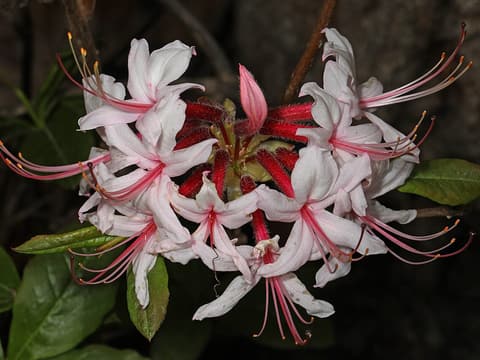
Rhododendron alabamenseShrubZones 6–94–6 ft
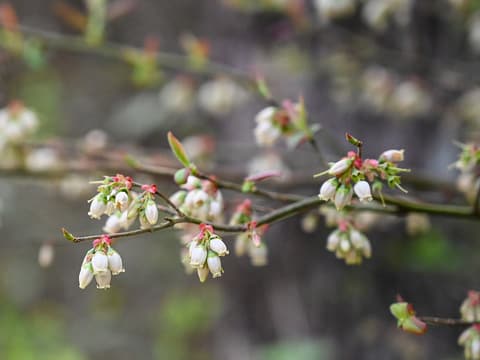
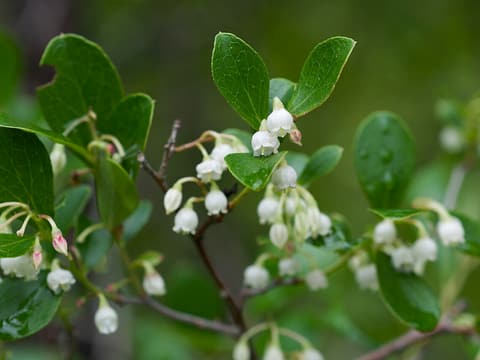
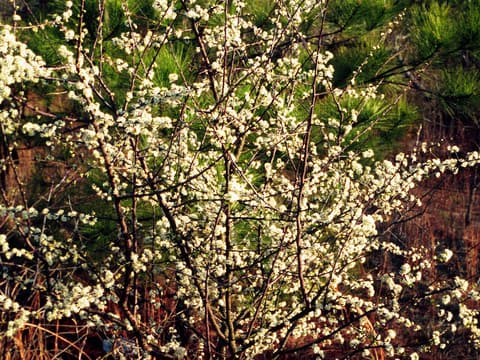
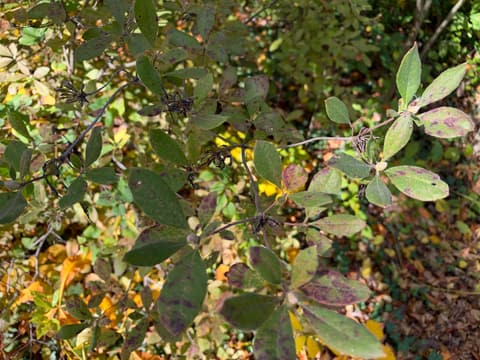
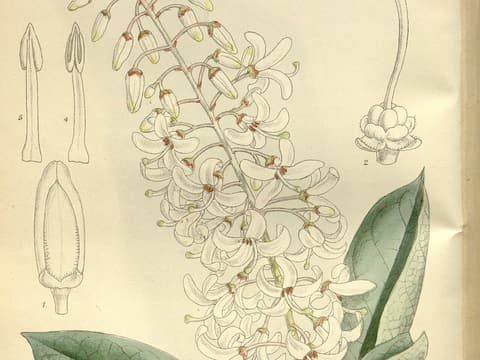
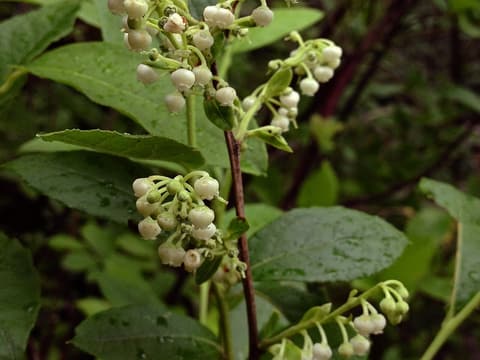
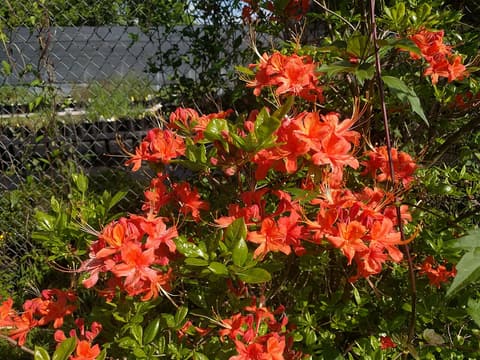
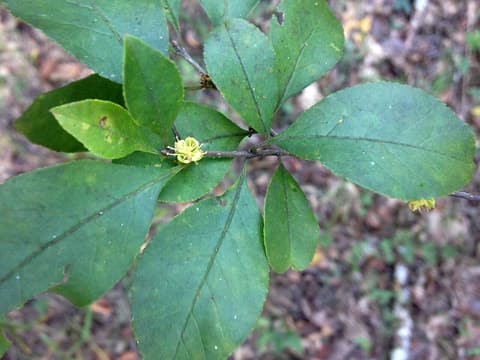
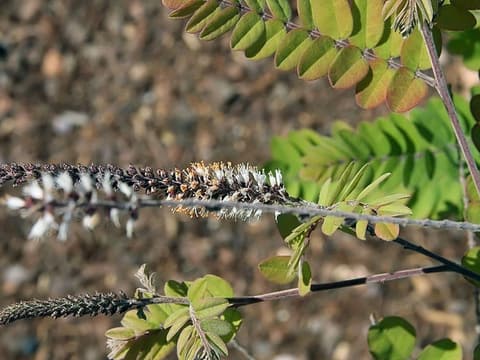
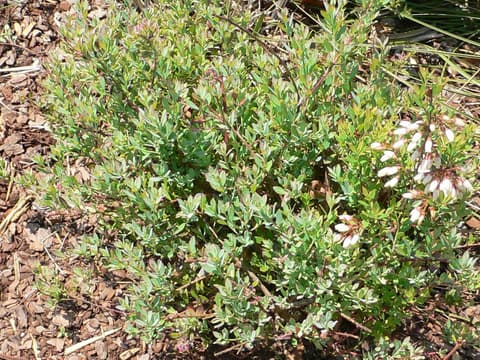
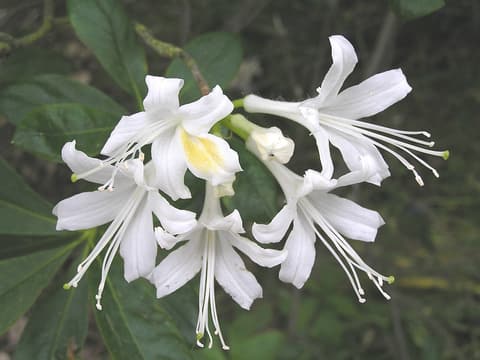
White flowers with a lemon-yellow blotch and a lemon scent in April and May, on what may be the most fragrant of the wild azaleas.
Find the right native tree or shrub for your site by filtering on USDA hardiness zone, mature size, sun, soil moisture and what you want from each species. The list narrows as you set each filter. Every result is a tree or shrub we grow from seed, so anything it shows can be requested now and ordered once it is priced.
Best fits first: those that list your soil outright, then those that only tolerate it.
Still a long list. or set a height limit.
Want one of these? Email me when it is ready to order. Notify me
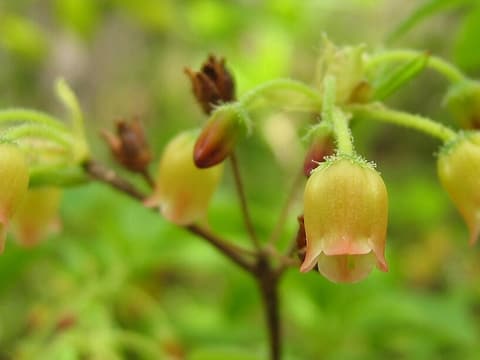
White flowers with a lemon-yellow blotch and a lemon scent in April and May, on what may be the most fragrant of the wild azaleas.
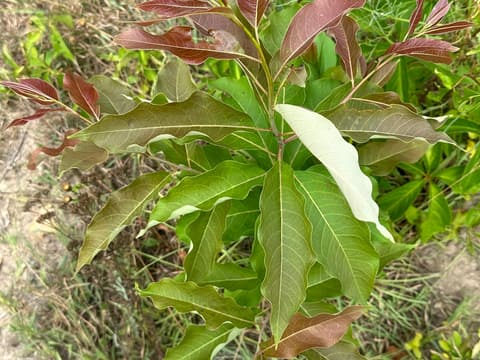
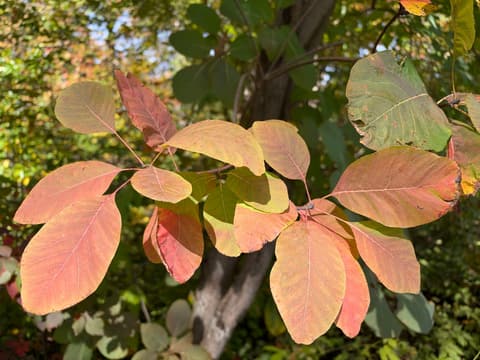
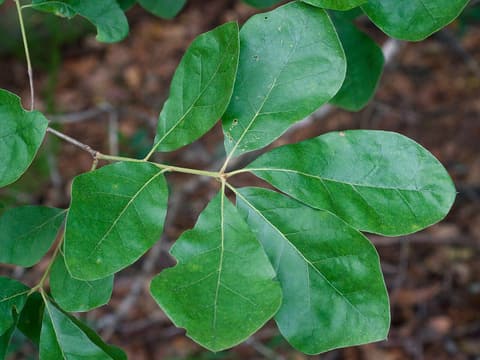
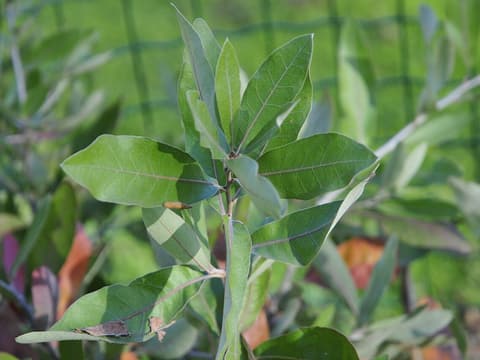
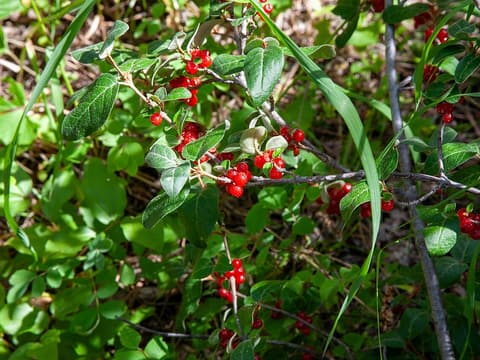
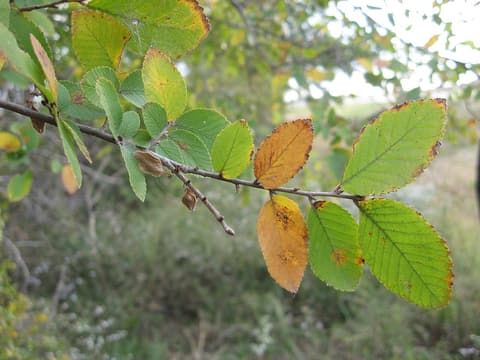
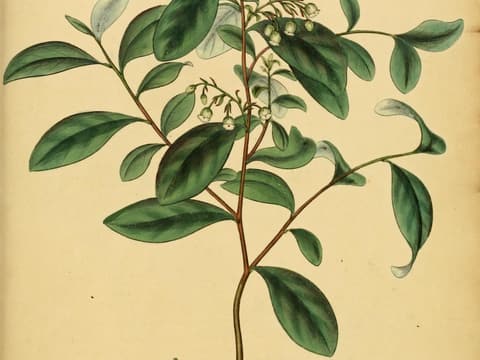
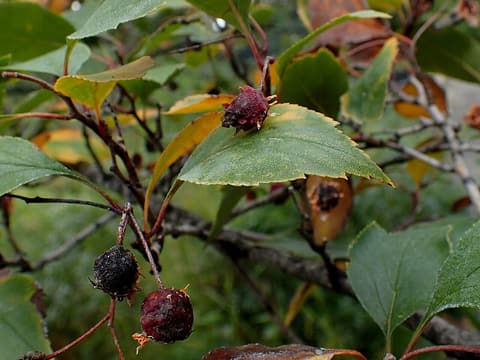
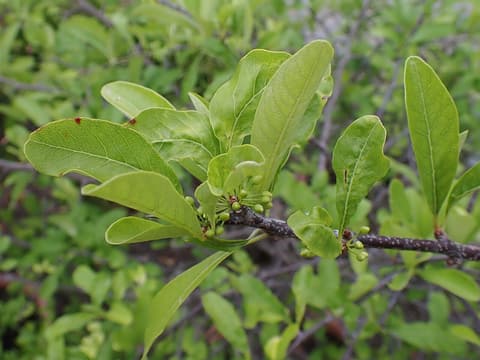
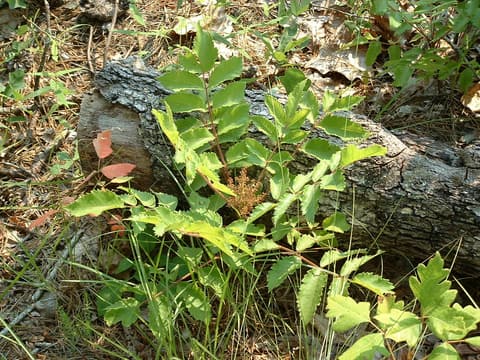
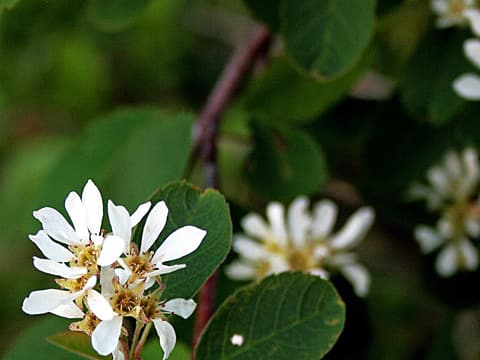
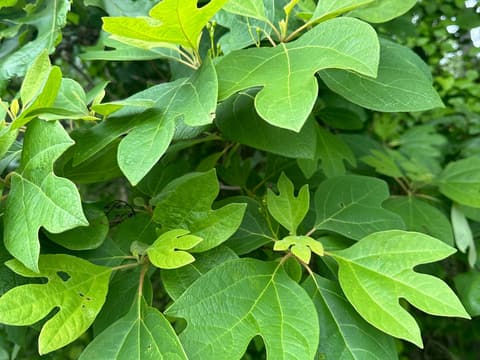
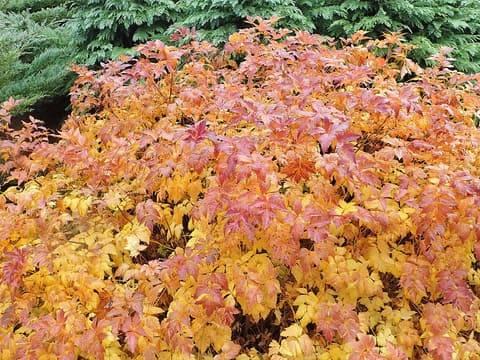
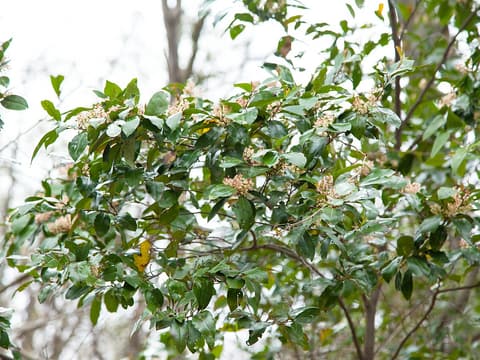
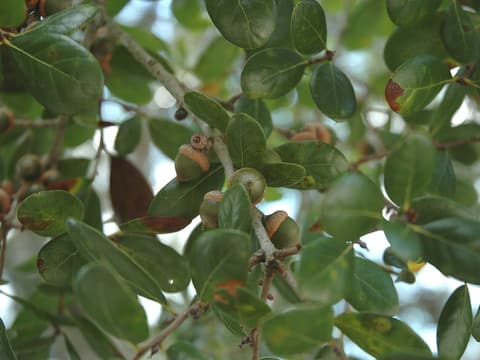
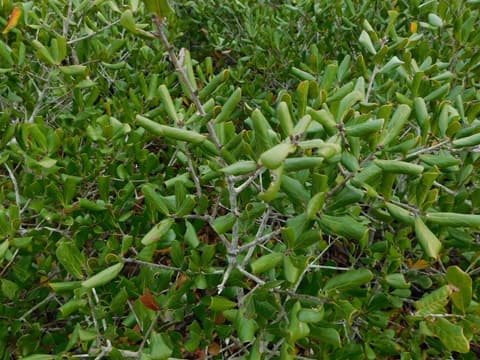
One of the rarest shrubs in the country, its apple-scented leaves silver beneath and its oldest leaves pumpkin orange in fall.
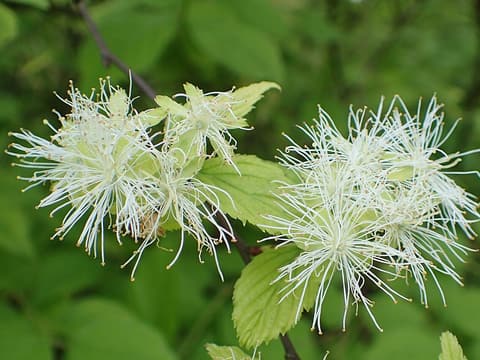
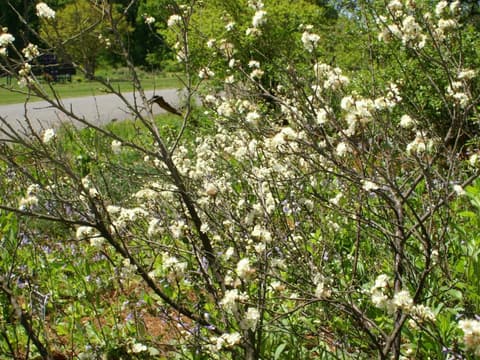
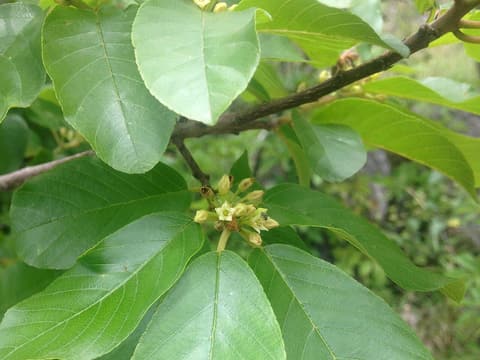
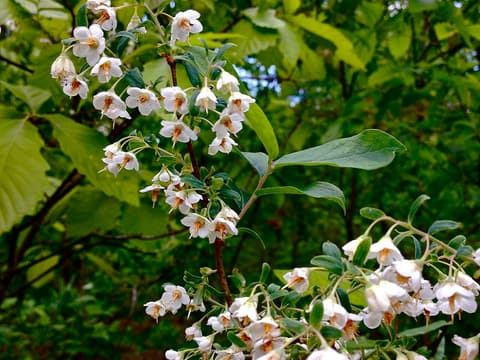
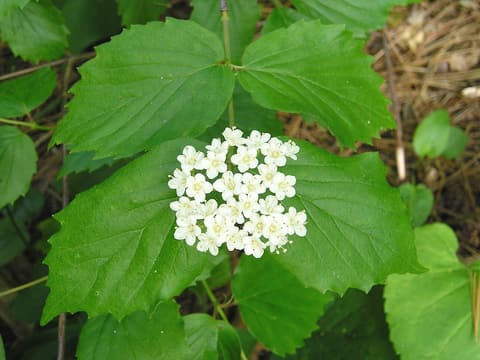
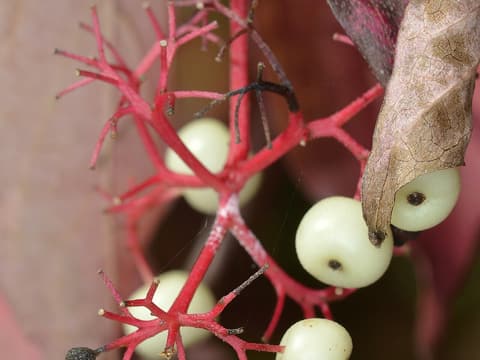
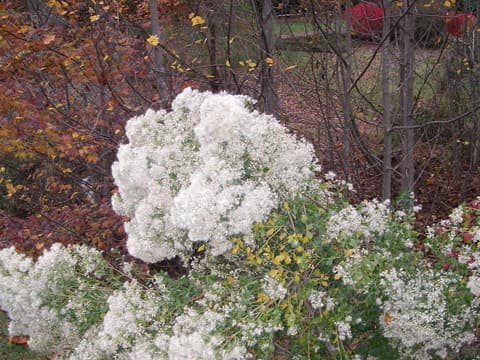
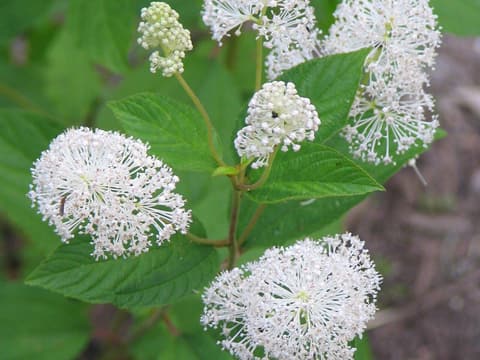
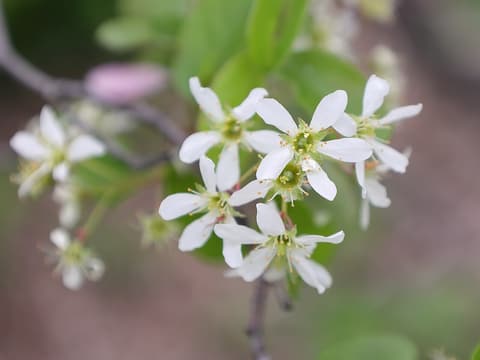
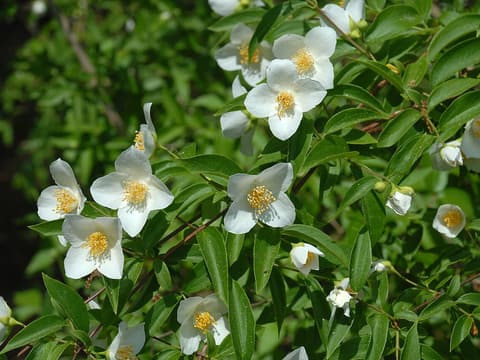
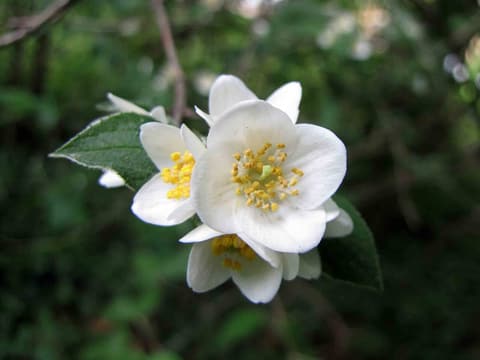
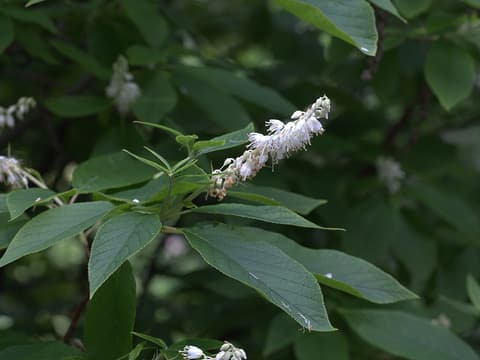
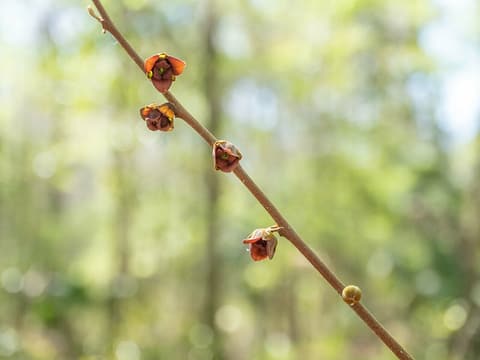
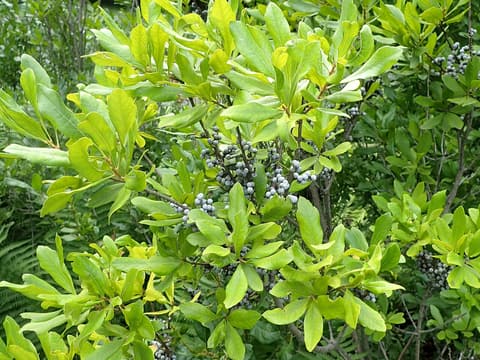
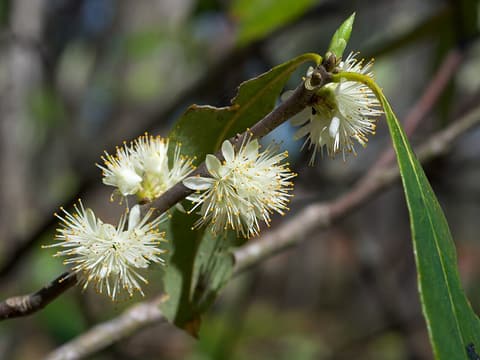
A rare southern shrub whose arching stems carry puffs of white flowers with no petals in spring, for a shady border or woodland edge.
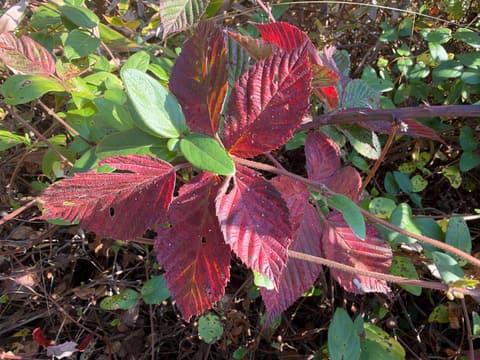
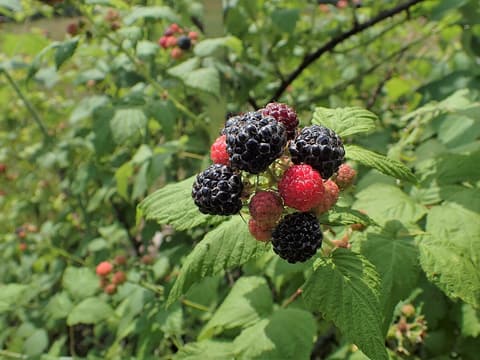
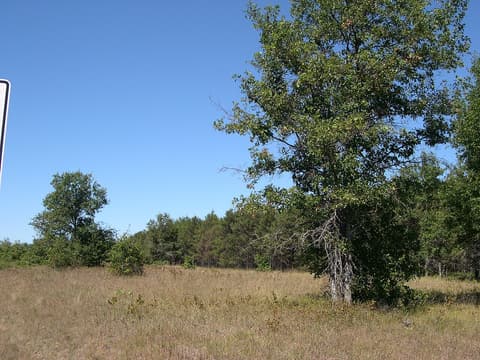
The common wild blackberry of eastern woods edges and old fields, a thorny thicket of arching canes with sweet black berries in midsummer.
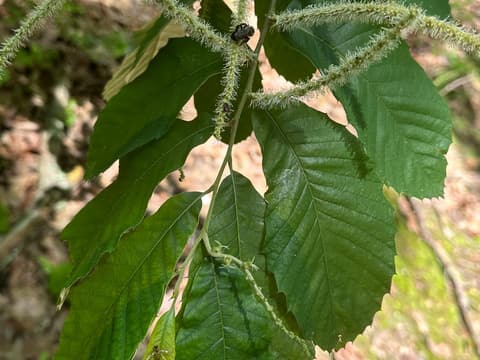
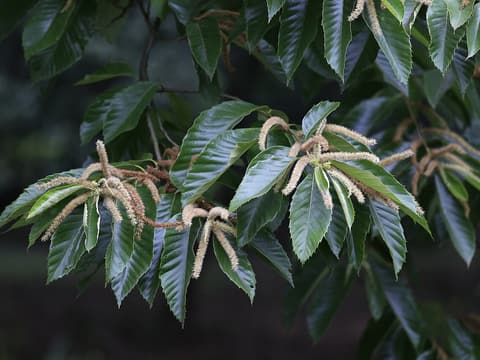
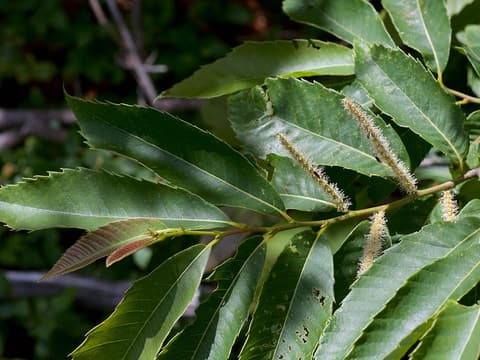
A shrubby native cousin of the American chestnut, Allegheny chinquapin ripens one sweet nut per small bur and bears within a few years of planting.
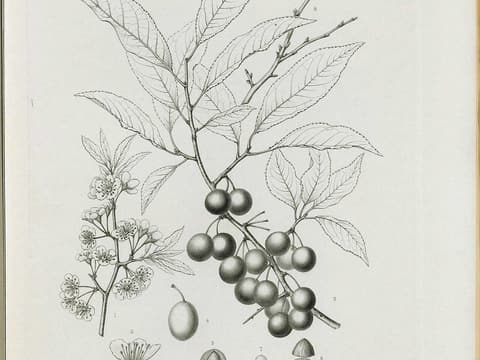
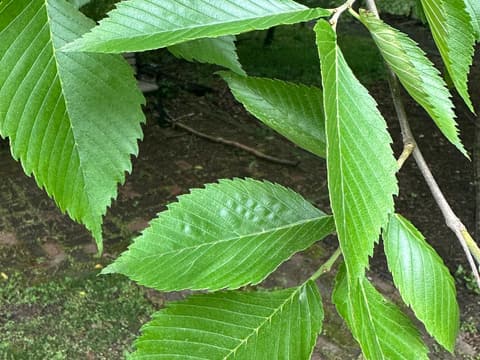
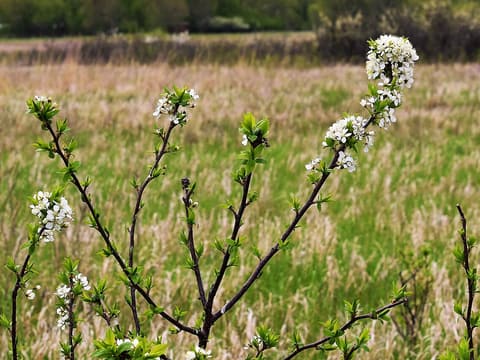
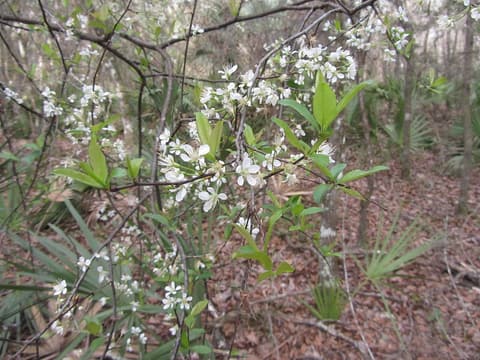
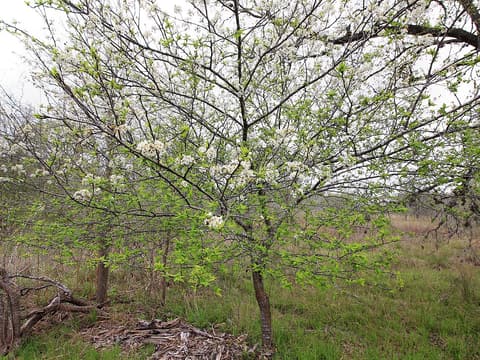
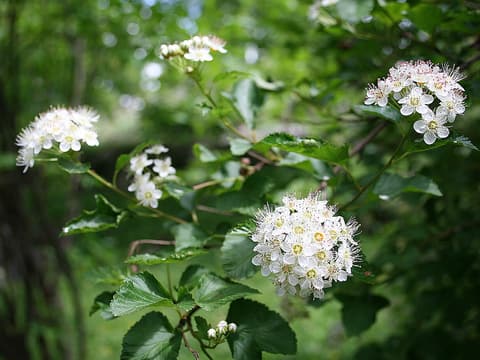
A rare thicket plum of the Appalachians, with white flowers that fade to pink and small dark purple plums under a blue bloom.
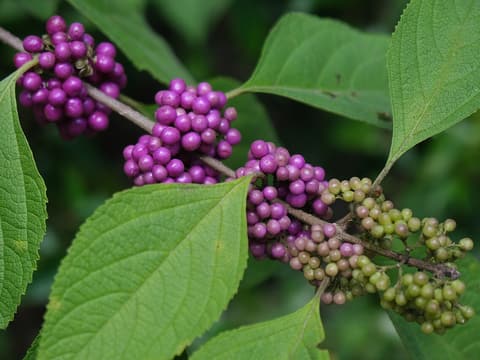
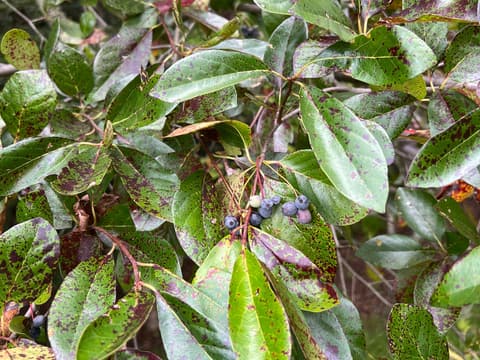
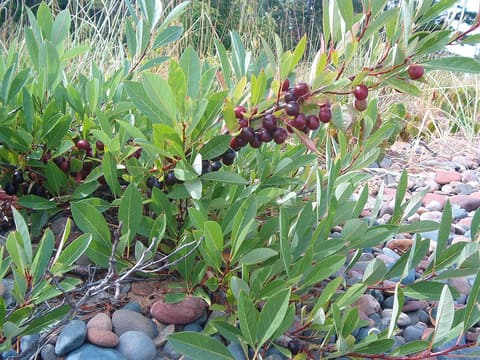
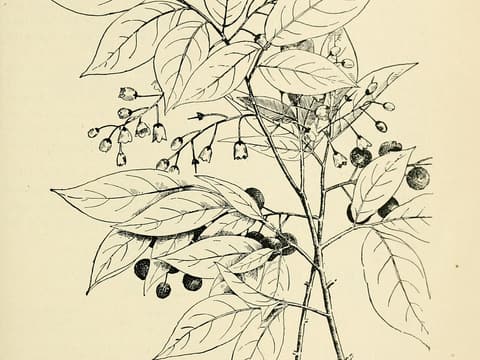
Glossy violet berries ring every stem in fall and feed mockingbirds and thrushes into winter. A fast, easy native shrub for sun or light shade.
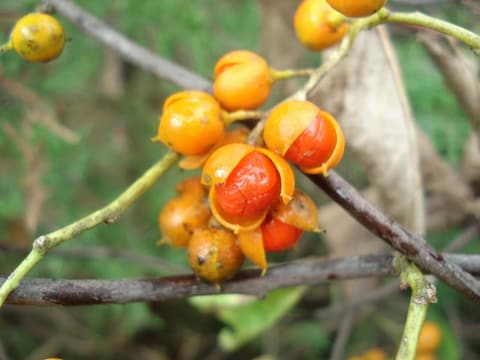
A native twining vine whose orange capsules split in fall to reveal scarlet seeds that stay showy on the vine into winter.
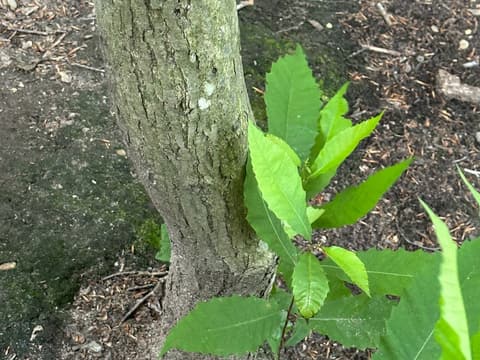
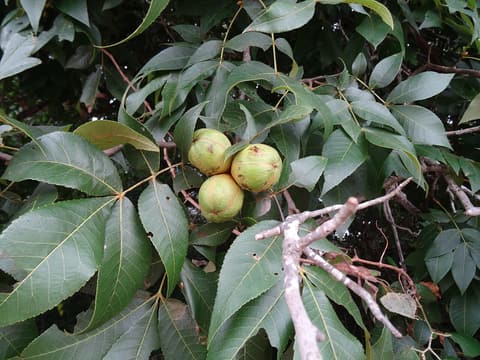
Once a dominant tree of the eastern forests, with sweet nuts for people and wildlife, now held to sprouts by a blight that kills its stems but not its roots.
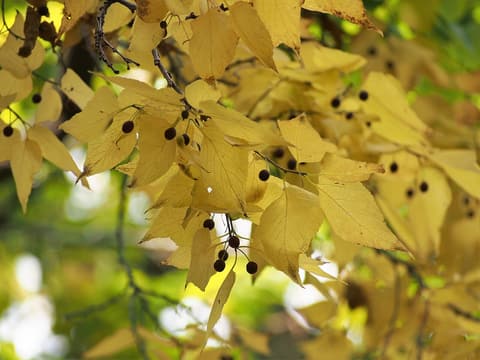
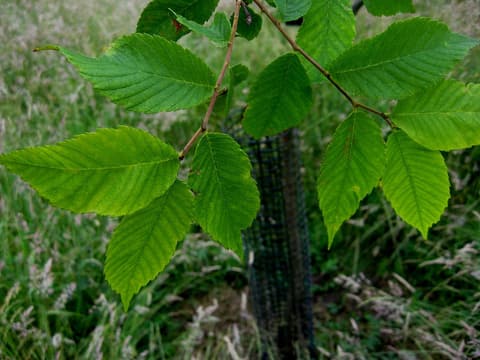
The great vase-shaped elm of old American streets, a fast shade tree for wet or dry ground, now best planted alone among trees of other kinds.
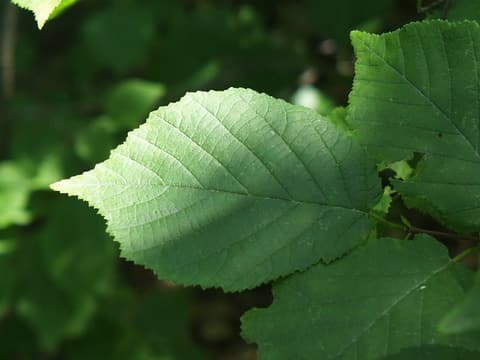
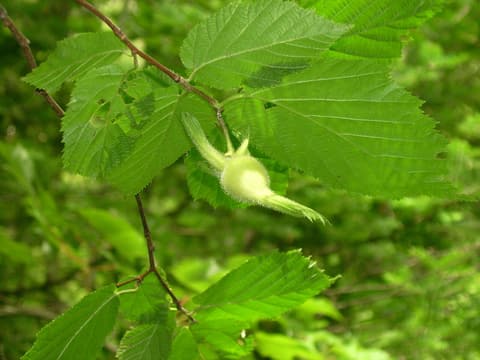
Sweet native filberts in late summer on a dense, easy hedgerow shrub.
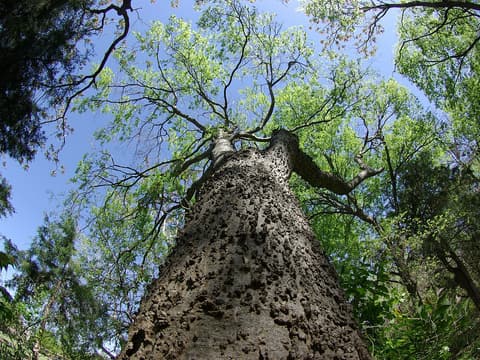
Sweet orange fruit after frost, blocky alligator bark and a tree that grows nearly anywhere.
A thicket-forming wild plum for dry banks and wet ground alike, with fragrant white spring bloom and tart red-yellow fruit for jelly and wildlife.
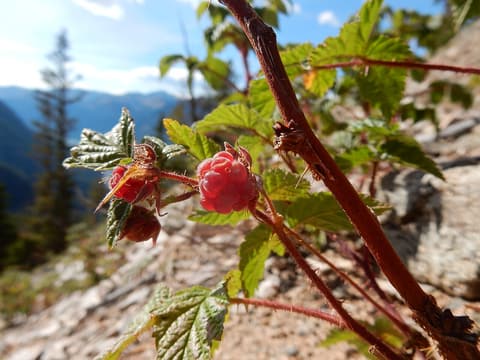
The native red raspberry of northern woods and mountain clearings, a bristly, suckering bramble with soft, sweet red berries in midsummer.
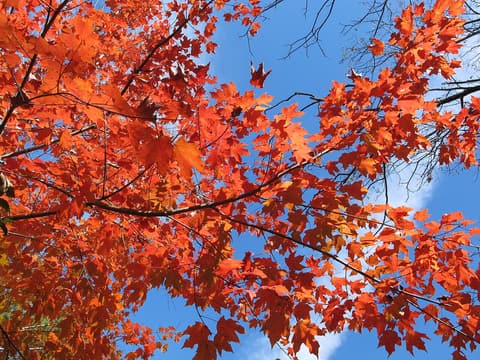
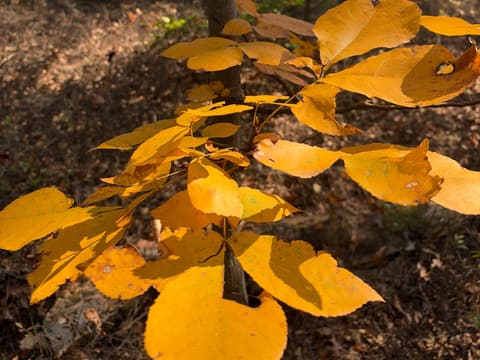
Perhaps the best fall color of any native tree, on a small, drought-proof limestone specialist.
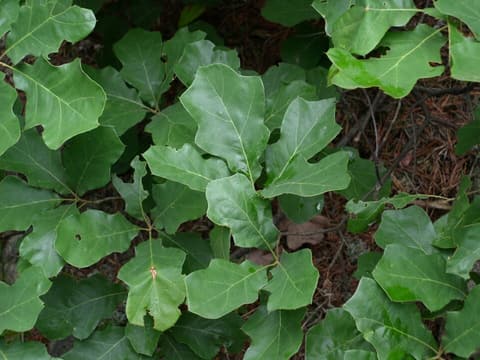
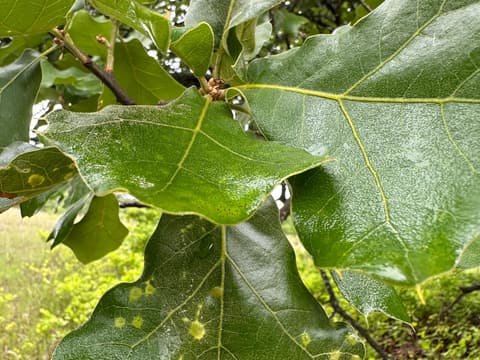
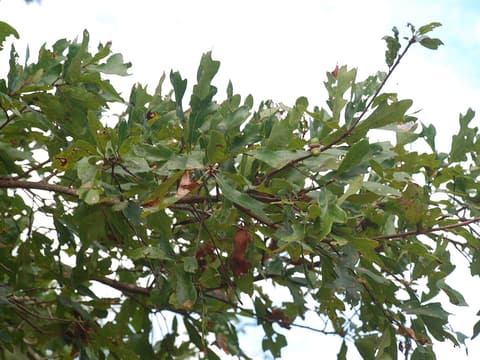
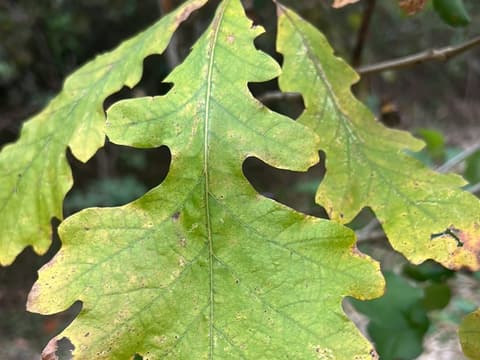
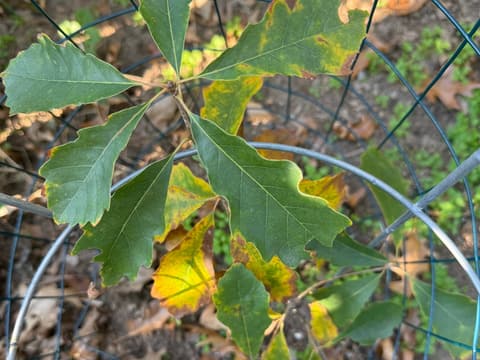
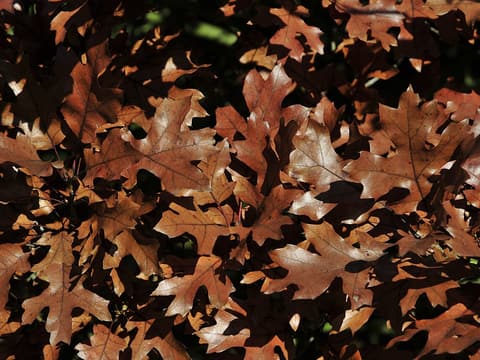
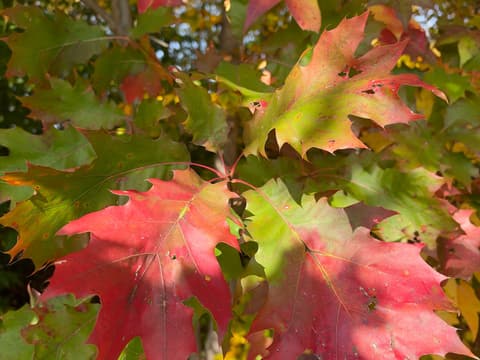
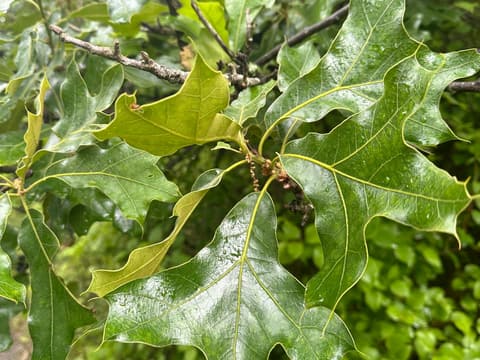
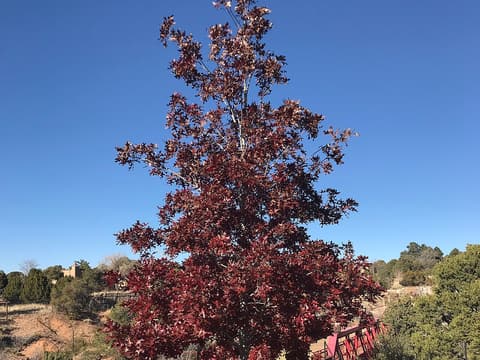
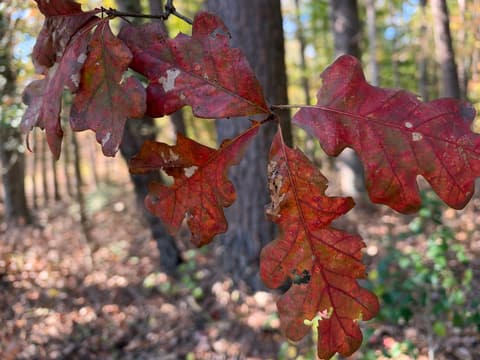
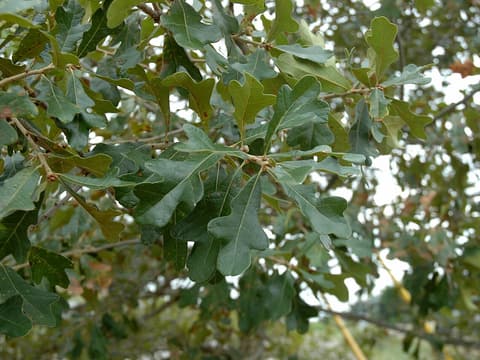
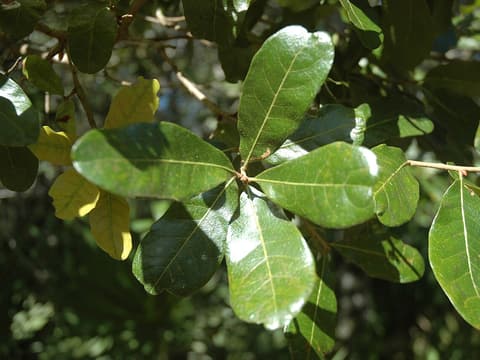
A rare red oak of the Gulf Coastal Plain, a slender tree with broad, round-tipped leaves, and one that Florida lists as threatened.
Blue-black berries nearly half fat by dry weight ripen from August for robins, bluebirds and catbirds, after flat white flower heads in May for the bees.
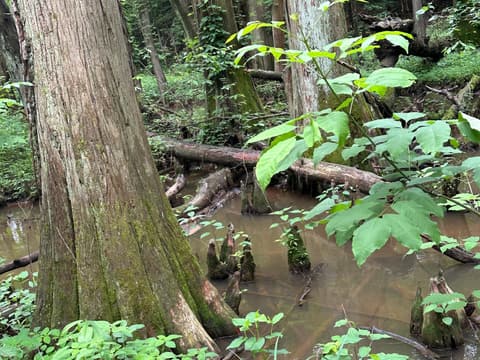
The swamp conifer that also thrives on dry lawns, with feathery foliage that turns rust-orange in fall.
The dune plum of the Atlantic coast: salt-proof, drought-proof and covered in white bloom each May.
A small, suckering native hazel of northern and mountain woods, whose tasty nuts ripen inside bristly husks drawn out into a long beak.
The scrub oak of pine barrens and ridgetops: tough, fire-adapted and a powerhouse host for moths and butterflies.
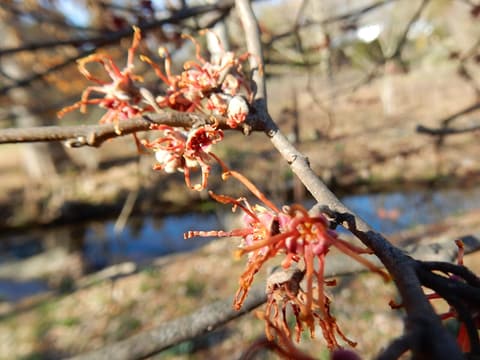
Wine-red, scarlet or rose flowers from late December into February, on a colony-forming witch hazel with the largest leaves of any, first described in 2006.
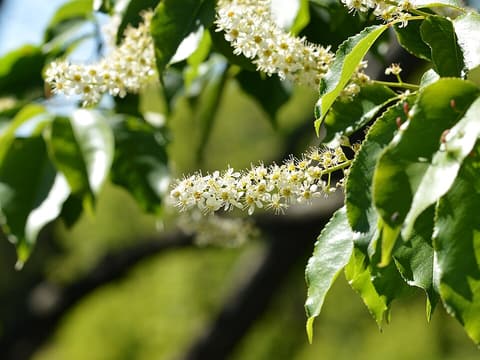
The largest native cherry, a fast-growing tree with drooping spikes of white flowers in spring and black cherries in summer for birds, bears and jelly.
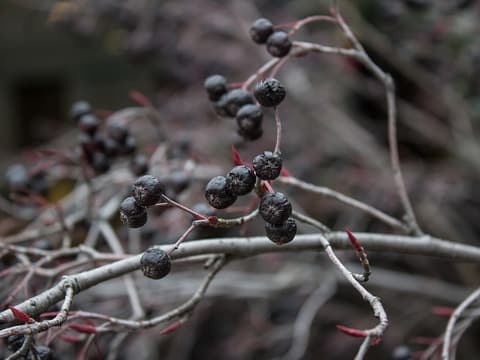
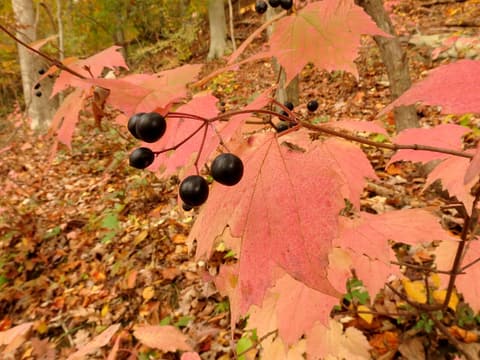
White spring flowers, glossy black antioxidant-rich berries and some of the best red fall color of any shrub.
Blazing scarlet fall color, superb bee forage, and one of the longest-lived hardwoods in the East.
A hickory of dry, rocky hills, with near-black, deeply furrowed bark, rusty-scaled buds and small, sweet nuts.
Fragrant white flower clusters in May, the source of the lightest and most prized honey in the East.
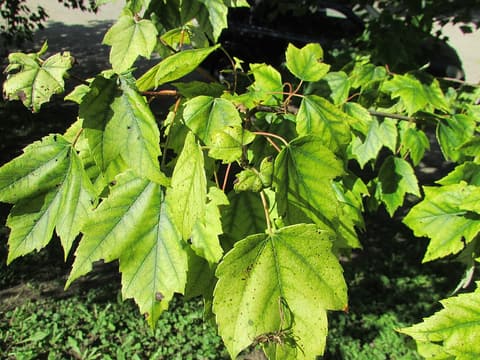
A sugar maple for warmer, drier ground, with a dense rounded crown, nearly black furrowed bark and sap that boils down to syrup.
A tough red oak of dry ridges, sand and rocky slopes, with yellow inner bark once used for dye and acorns that feed turkeys and deer.
The eastern native blackcap, with arching canes dusted white and sweet purple-black berries in early summer for jam, pies and the birds.
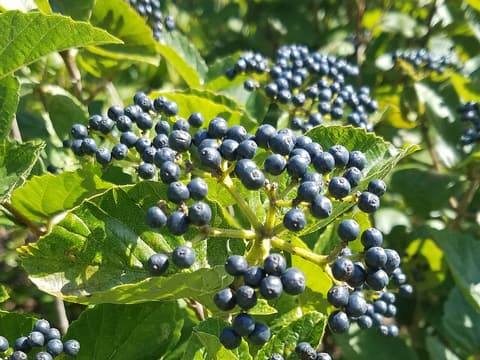
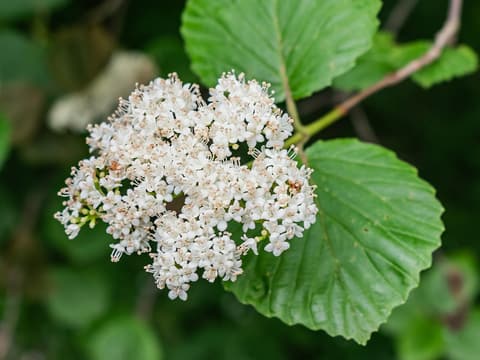
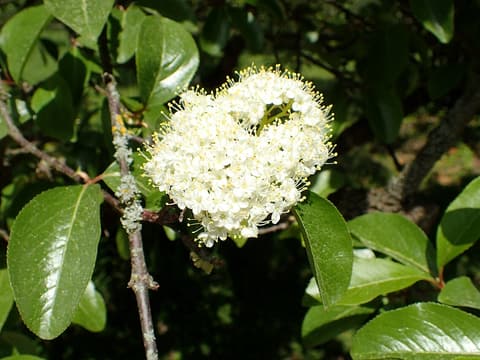
A tough, tree-like viburnum with white spring flowers, purple-red fall color and sweet blue fruit.
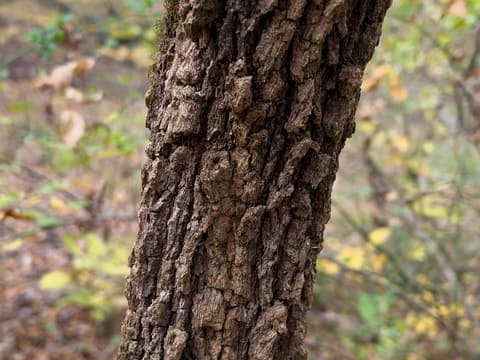
A tough red oak for poor, dry sand and clay, with leathery, bell-shaped leaves and near-black bark broken into blocks like alligator hide.
The one ash worth planting: square twigs, limestone-loving roots and real tolerance of emerald ash borer.
A small red oak of southern sandhills with narrow blue-green leaves, gray-felted beneath, that often hang on into winter.
A southern white oak of river bluffs and bottomland edges that grows into a straight-trunked shade tree, and one most nurseries still do not carry.
A foot-high evergreen ground cover with glossy leaves, pink-white bells in May and sweet blue berries, from a shrub whose wild patches live for centuries.
A rare arrowwood of southern limestone bluffs, with flat clusters of white flowers in spring and oval blue-black fruit for birds.
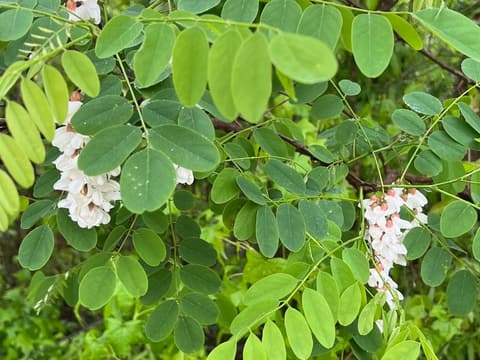
Rose-pink wisteria-like flowers in May on a suckering, nitrogen-fixing shrub for dry banks.
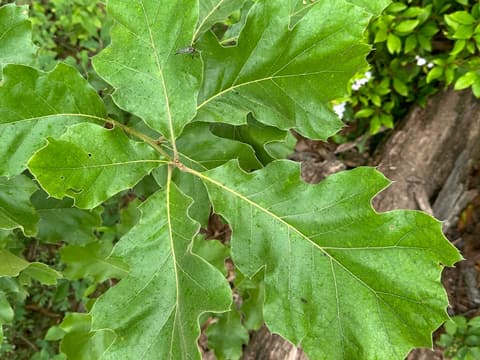
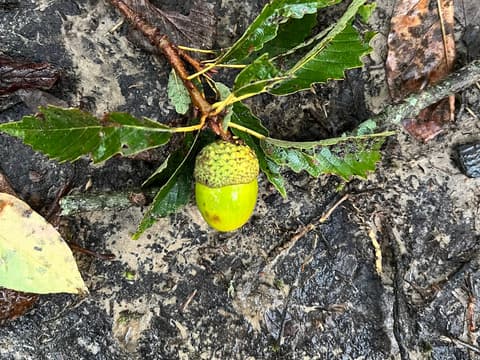
A massive, drought-hardy oak of the prairie edge, with corky bark, a broad crown and the biggest acorns of any native oak in fringed, mossy cups.
A slow, thornless northern shrub that fixes its own nitrogen, with silvery, rust-flecked leaves and bitter red berries that bears and birds eat.
Glossy leaves, red-to-black berries and yellow fall color on a native buckthorn that is nothing like the invasive ones.
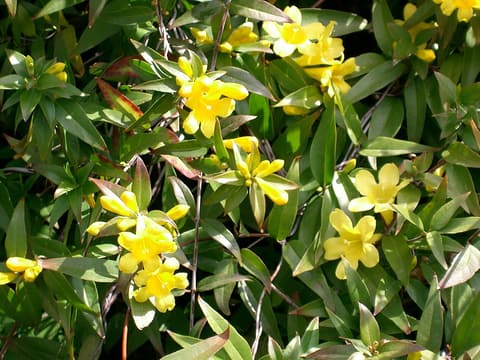
A native evergreen vine that twines up a fence or arbor and covers itself in fragrant yellow trumpets from late winter into spring.
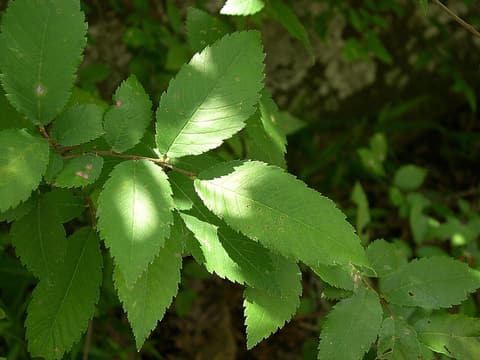
A tough shade tree with the smallest leaves of any native elm, flowers in late summer and clear yellow fall color, for dry or soggy clay.
A small maple with chalky white bark and fall color from yellow to deep red, at home in sun or deep shade and on dry, rocky ground.
The white oak of dry, rocky Appalachian ridges, with deeply ridged dark bark, chestnut-like leaves and big, sweet acorns that fall early.
A thicket-forming wild plum that flowers white in late winter, before its leaves, and ripens tart red or yellow plums for jelly in early summer.
Blight-resistant chestnuts for the home orchard: large sweet nuts on a spreading, drought-tolerant tree.
The white oak of limestone bluffs and glades, at home in alkaline soil, with glossy chestnut-like leaves and sweet acorns that wildlife and people eat.
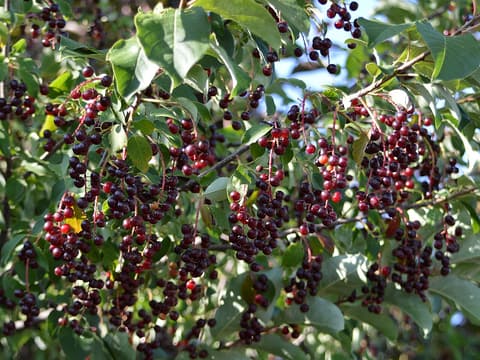
A tough, thicket-forming native cherry with fragrant white flower spikes in spring and dark red to black cherries for jelly, syrup and birds.
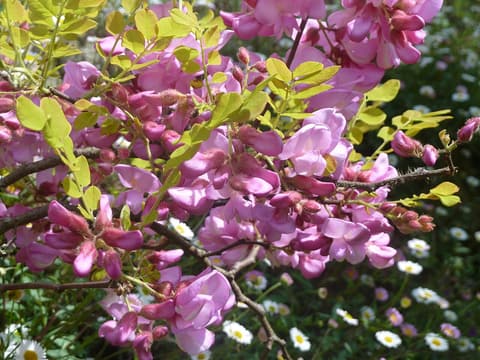
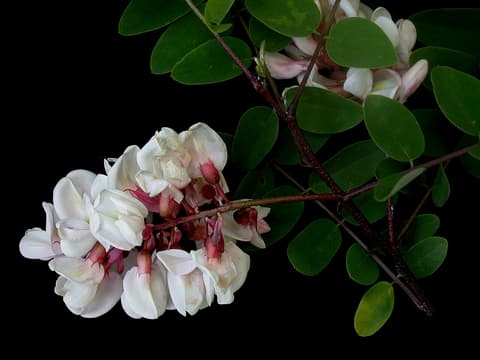
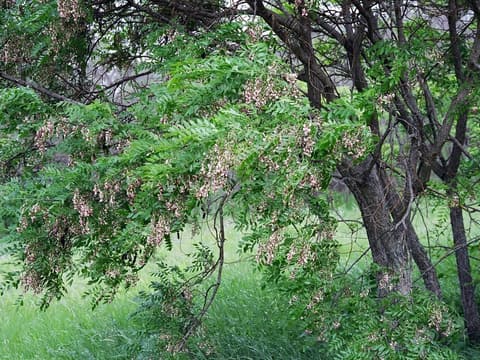
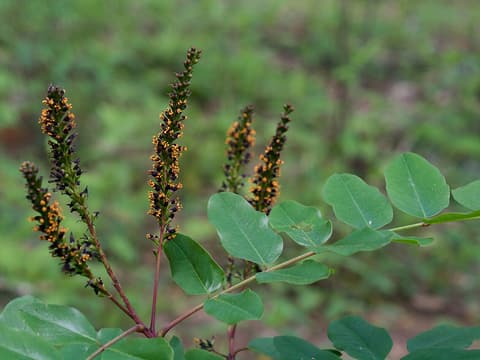
A rare southern Appalachian locust with clusters of pale rose flowers in spring and sticky glands on its twigs, leaf stalks and pods.
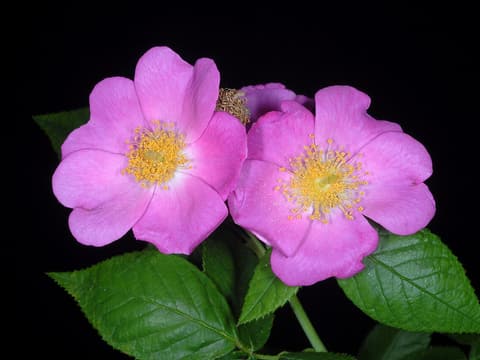
A native rose with long arching canes, rose-pink flowers that fade toward white in early summer, red hips for birds and bright fall leaves.
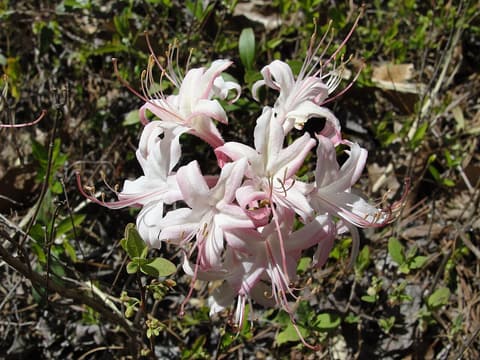
Sweet, musky white flowers flushed pink open on knee-high stems in April and May, on a wild azalea that spreads by runners into drifts.
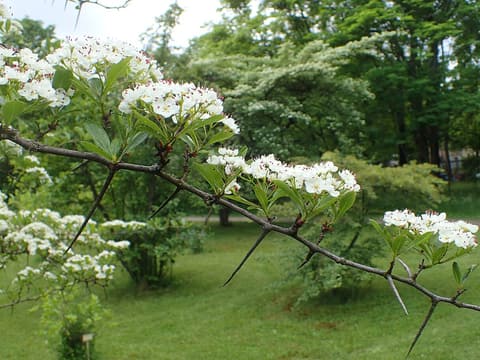
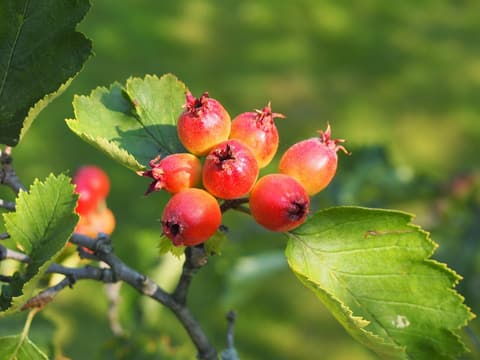
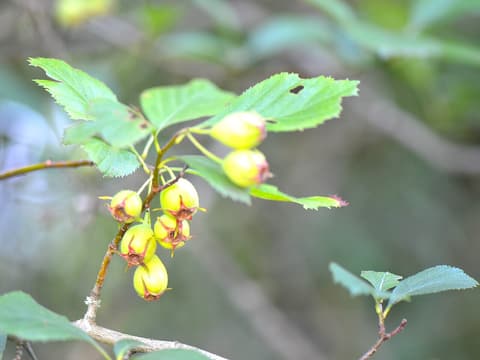
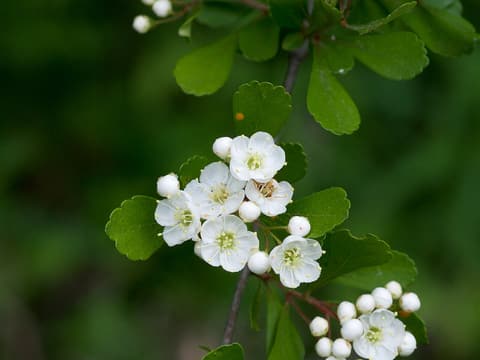
A flat-topped native hawthorn with thorns 2 to 3 inches long, white flowers in May and June, and dull red haws that often hang on until January.
Sole host of the hackberry emperor and American snout, with sweet fruit held for waxwings and bluebirds until March. A tough tree for dry or city ground.
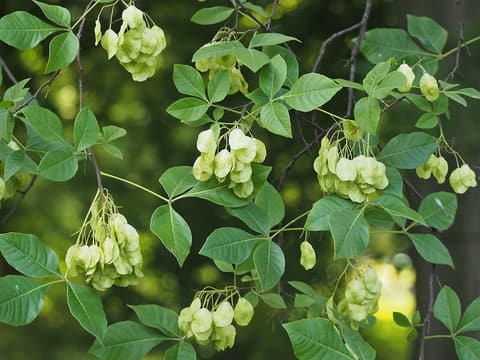
A small citrus-family tree for shade or dry rock, one of only two native giant swallowtail hosts in the Northeast. Papery wafer fruit hangs all winter.
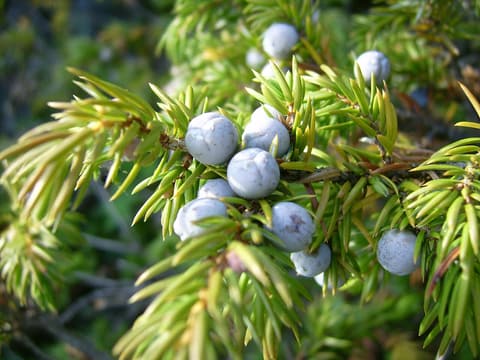
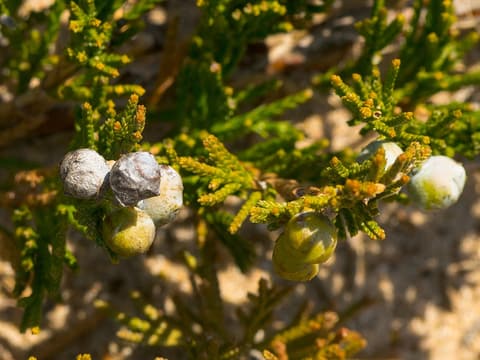
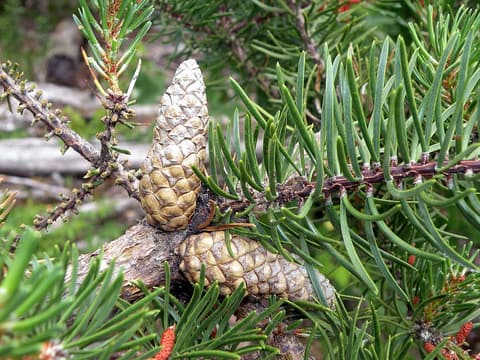
A hardy, spreading evergreen shrub with sharp, silver-banded needles in threes and blue berrylike cones, for poor, dry, sunny ground.
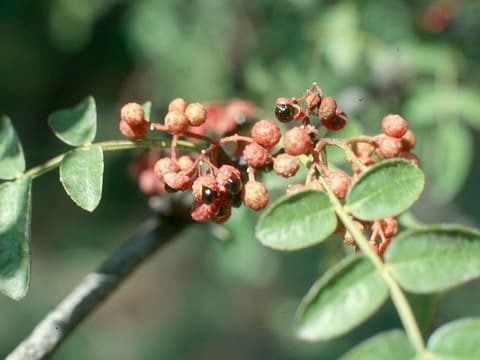
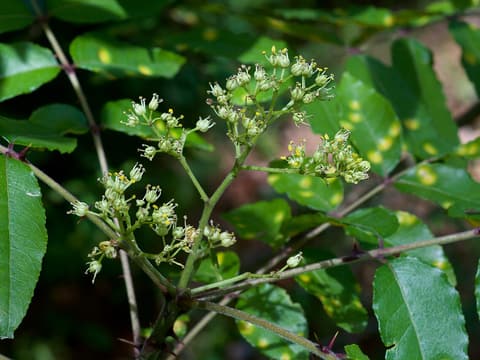
A thorny citrus-family thicket shrub, the giant swallowtail's other native host, with lemon-scented leaves and red capsules of shiny black seed.
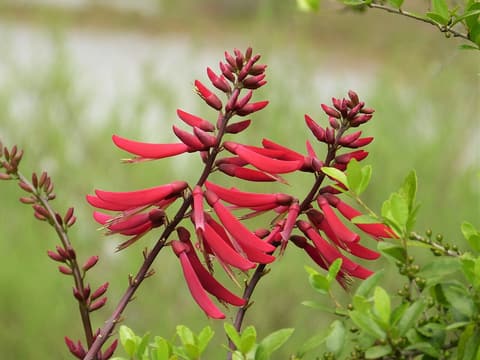
Spikes of scarlet, tubular flowers on bare stems in spring draw hummingbirds, followed by black pods that split to show red seeds.
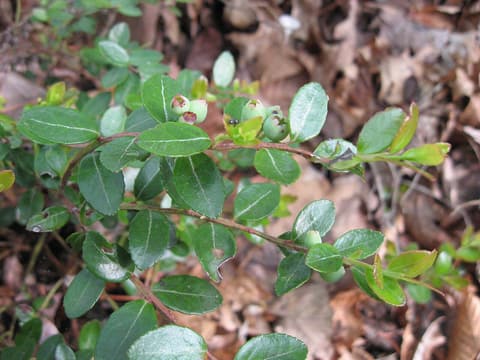
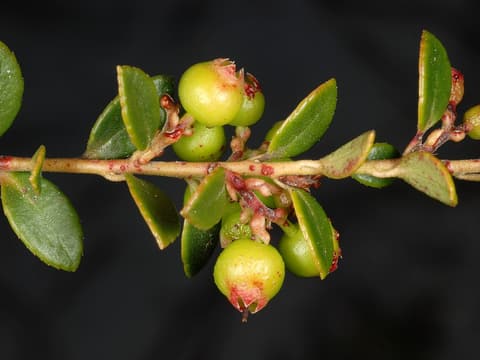
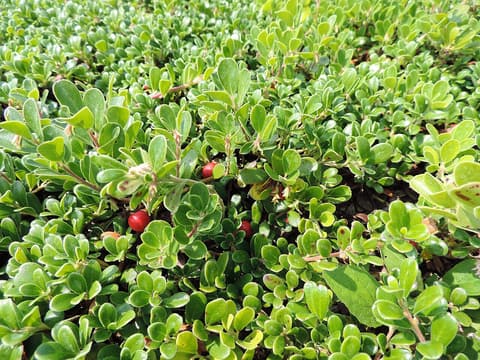
An evergreen blueberry that creeps into a mat under a foot or so tall, with pink bells in April, black berries in summer and bronze new growth.
A slow, mat-forming evergreen of northern dunes, rocky shores and prairie slopes, with blue-green scale leaves that turn purplish in winter.
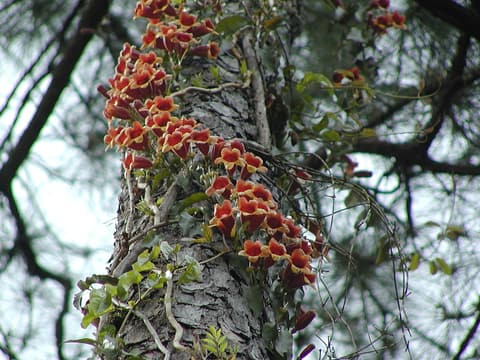
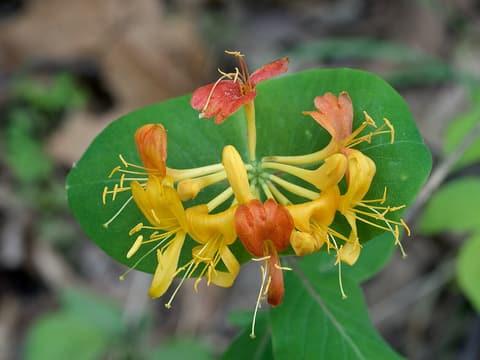
A native evergreen vine that climbs by sticky tendrils, with orange and yellow trumpet flowers that feed hummingbirds in early spring.
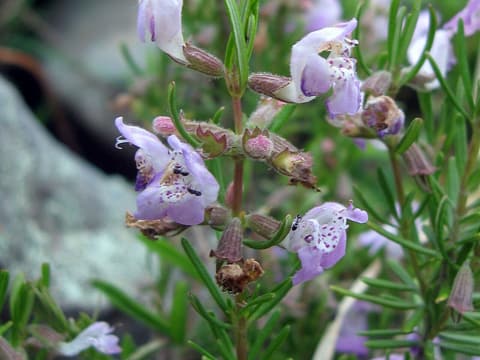
A federally threatened mint of Cumberland Plateau river bars, a low evergreen mat with rosemary-scented leaves and lavender-pink spring flowers.
A huckleberry for sandy, acidic ground, damp or dry, that spreads into thickets hung with sweet blue berries in summer and turns orange in fall.
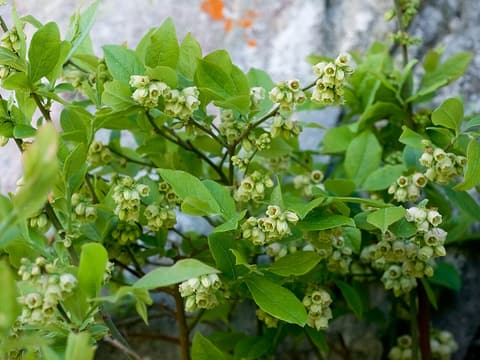
Open white bells with yellow stamens in May, then dangling green to purple berries for grouse, turkeys and bears. The blueberry of dry sandy woods.
A native evergreen of the olive family for screens in sun or shade, with fragrant spring flowers and, on female trees, dark blue fruit for birds.
A small arrowwood for dry, shady woods, with flat white flower clusters in late spring, dark fruit for birds and purplish red fall leaves.
Missouri's state flower, a broad native hawthorn that blooms early in spring, with soft, downy leaves and red haws up to an inch across.
A true shrub oak that starts dropping sweet, low-tannin acorns within a few years of planting.
A small, twisting hackberry for dry, rocky ground, with sweet orange fruit for birds and leaves that feed hackberry emperor caterpillars.
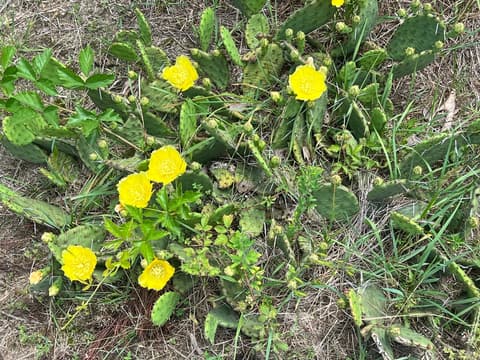
The one cactus native across the East, a low mat of flat pads with big yellow flowers in early summer and edible fruit, for the driest, sunniest ground.
A tough evergreen for windbreaks and screens on dry, poor ground, whose frosted blue cones on female trees feed cedar waxwings and other birds all winter.
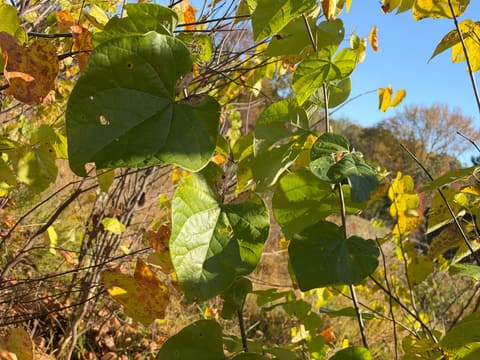
Magenta flowers on bare branches in early spring, heart-shaped leaves and a graceful spreading crown.
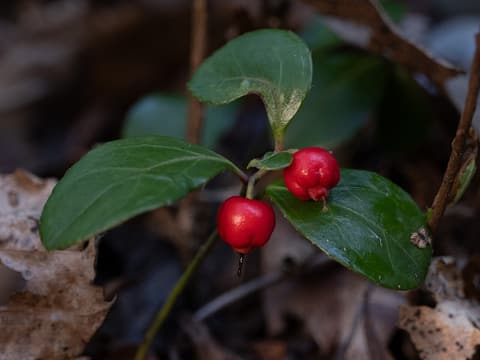
An evergreen groundcover for acidic shade, with glossy leaves that smell of wintergreen and red berries that often hang on through the winter.
A wild southern blueberry that hangs white bells on bare twigs before its leaves, ripens sweet black berries by early summer and turns scarlet in fall.
The tree of the blueberry genus, with fragrant white bells in spring, glossy leaves that redden in fall and black berries that hang into winter.
A small, single-trunked southern plum that clouds over with white bloom before its leaves, then ripens tart to sweet purple plums for jelly and wildlife.
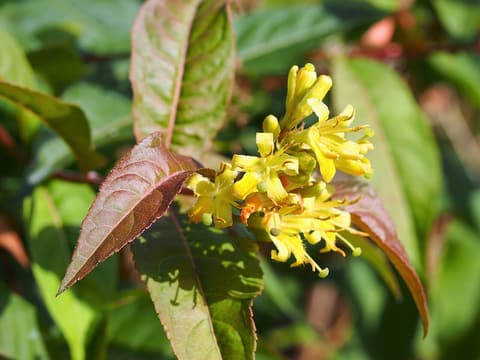
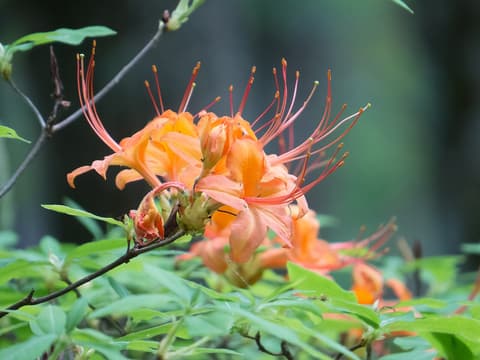
Yellow to orange flowers with long stamens in March and April, from a rare wild azalea of the Florida Panhandle.
A southern cousin of sugar maple, at home in heat and humidity, with yellow to orange fall color and a rounded crown for shade.
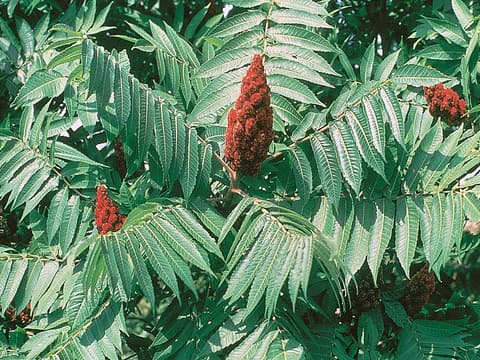
A low, thicket-forming sumac for dry banks, with lemon-scented leaves, fuzzy red fruit for birds and orange to red fall color.
A rare red oak from the granite outcrops of Georgia and Alabama, with glossy lobed leaves that turn red in fall and hang on into winter.
Upright plumes of white flowers in midsummer and bright red leaves in fall, on a rare small tree found wild only in Georgia.
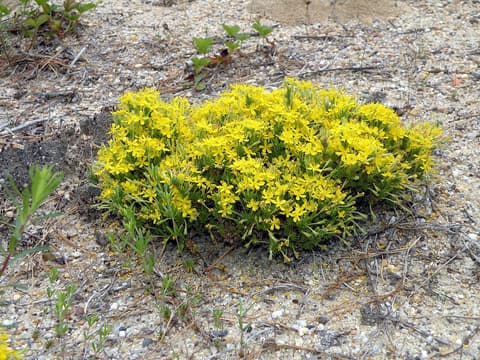
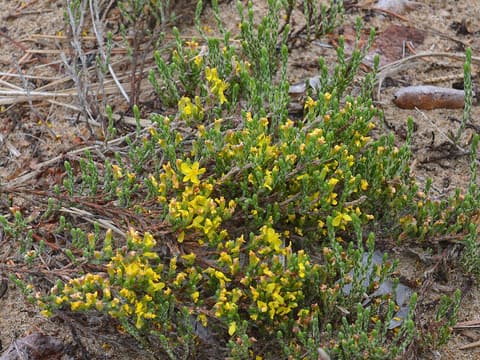
A low evergreen mat of needle-fine leaves that turns bright yellow with flowers in late spring, on the sand barrens of the Northeast.
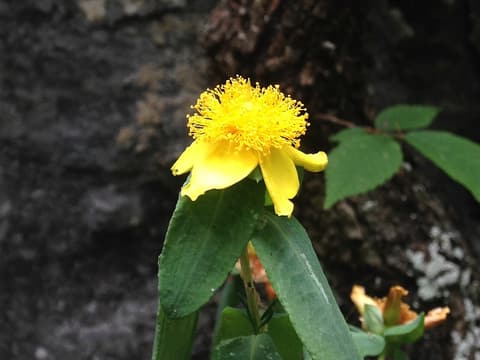
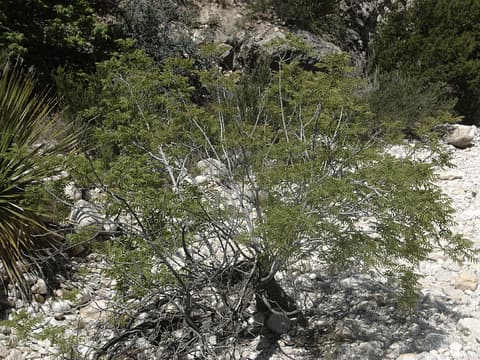
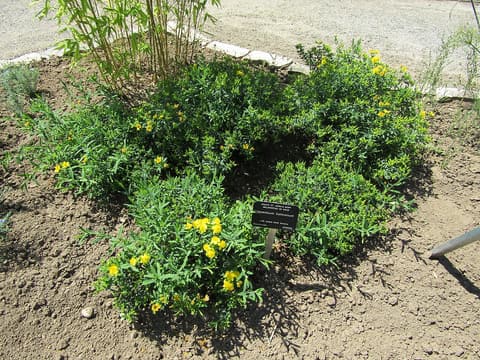
A rounded shrub of limestone glades with blue-green leaves and golden flowers up to 1.75 inches across, each a brush of stamens, in June and July.
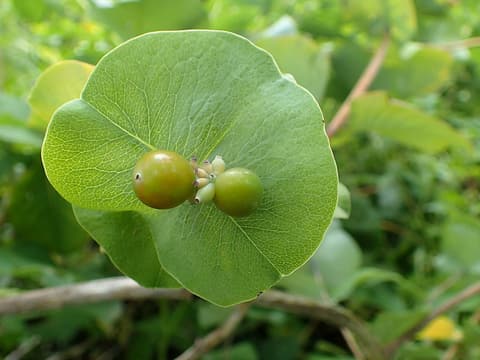
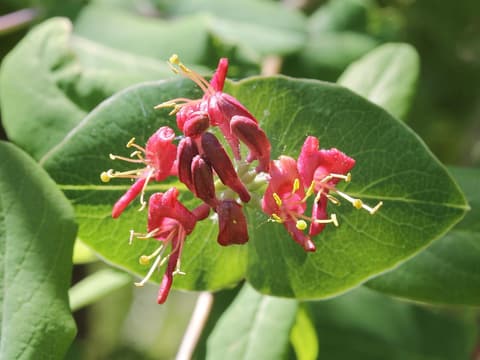
A native midwestern honeysuckle with round, blue-green leaves, whorls of pale yellow flowers in late spring and clusters of red berries in fall.
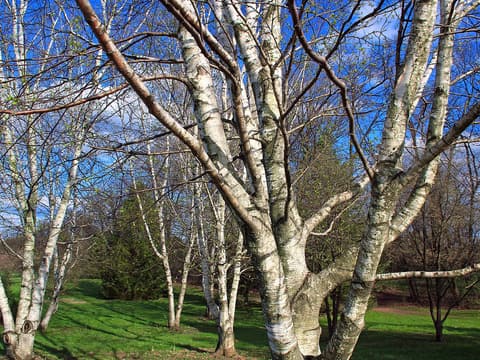
A fast, small birch with chalky white bark that does not peel, often growing as a clump of slender trunks on poor, sandy ground.
White berries on red stalks, about a third fat, feed migrating warblers and sparrows in September. A thicket shrub for dry or wet ground, sun or shade.
A southern bottomland hawthorn, often with few thorns, that bears white flowers in spring and small red fruit that holds on well into winter.
A fast native shrub for salt spray and wet ground on the coast, whose female plants turn silvery in fall with plumed seeds.
A thorny native tree for dry, rocky ground, with fragrant white flowers in early summer and shiny black fruit that birds eat into winter.
One of the rarest trees in the United States, a Tennessee hawthorn with white flowers about an inch across in May and orange-red haws in fall.
A spiny little tree of the southern coastal plain, its trunk studded with corky knobs, its leaves able to numb the tongue and feed giant swallowtails.
A low wild blueberry of dry, rocky hillsides that spreads into colonies, with sweet blue berries in summer and scarlet leaves in fall.
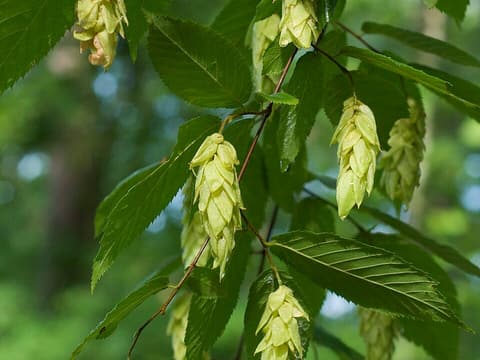
A tough, shade-tolerant tree of dry upland woods with shreddy bark and hop-like seed clusters.
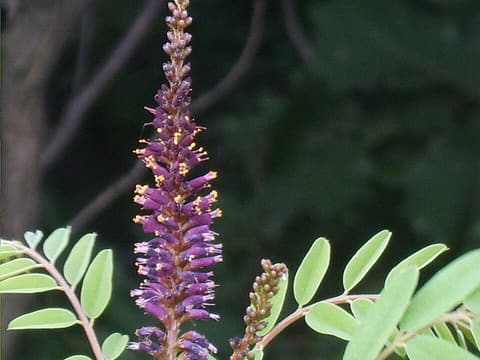
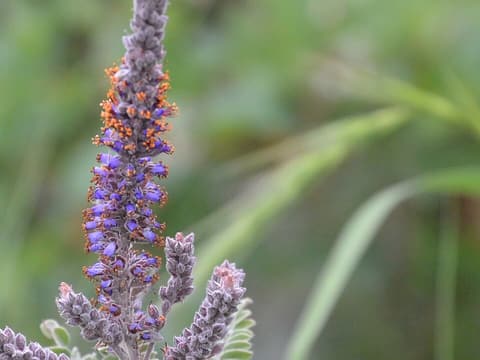
Purple flower spikes with orange stamens in June, on a nitrogen-fixing shrub for streambanks and hot dry edges.
Bold, coarse and nearly indestructible: a rare native shade tree for tough sites and cold climates.
A fast, nearly evergreen red oak of southern sandhills and stream banks, whose glossy leaves hang on until the new ones open in spring.
A prairie sub-shrub with silver leaves and purple summer spikes, rooted deep against drought.
A low native honeysuckle that twines up a fence or sprawls as a shrub, with whorls of yellow to red flowers for hummingbirds and red berries for birds.
The smallest of the walnuts, a drought-hardy tree of Texas and the southern Plains with fine, narrow leaflets and marble-sized nuts.
A slow, small tree prized for its peeling bark of gray, orange, olive and brown, with tiny spoon-shaped leaves, white spring flowers and red haws.
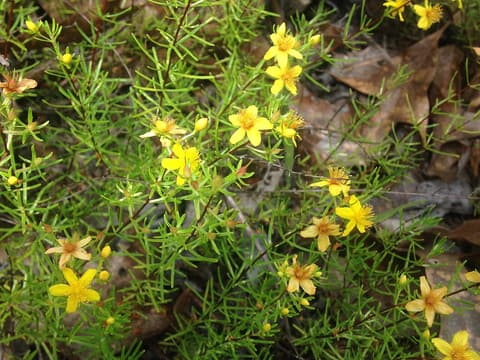
A low, spreading shrub of sandhills and granite outcrops, with fragrant, needle-like leaves and golden flowers from June into September.
A tough native heath of swamp edge and dry ridge, hung with white bells in June for four rare specialist bees, that almost no nursery grows.
A rare red oak of a few Arkansas mountaintops, with broad leaves shaped like a sugar maple's that turn red in fall.
A small viburnum for shade, with maple-shaped leaves that turn pink, magenta and purple in fall and blue-black berries for birds.
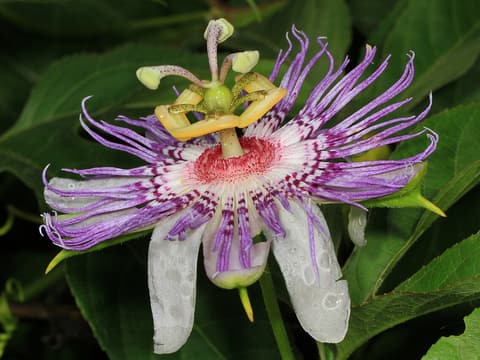
The hardiest native passionflower, a vine with fringed lavender flowers all summer and egg-sized fruits that pop when you step on them.
A single-trunked wild plum that does not sucker, with fragrant white bloom before the leaves and purple plums for eating fresh or for jelly.
A rare, low sumac of sandy and rocky open woods in North Carolina, Virginia and Georgia, densely hairy all over, with red fruit on female plants.
A squirrel's preferred mast, with citrus-scented leaves, fat furry winter buds and clear gold fall color, on a hickory the trade seldom sells.
A smooth-leaved indigobush of Appalachian ridges and slopes, 3 to 6 feet tall, with purple flower spikes and golden anthers in early summer.
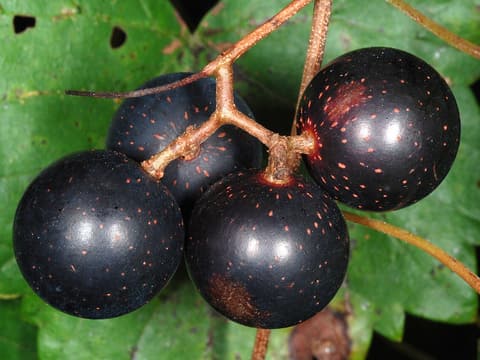
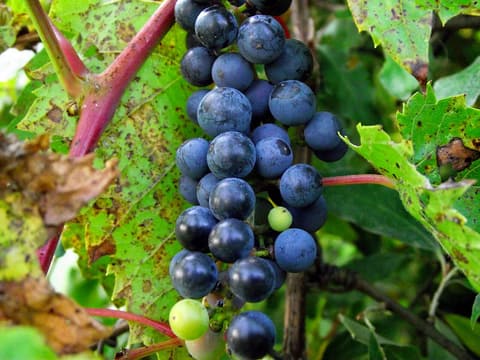
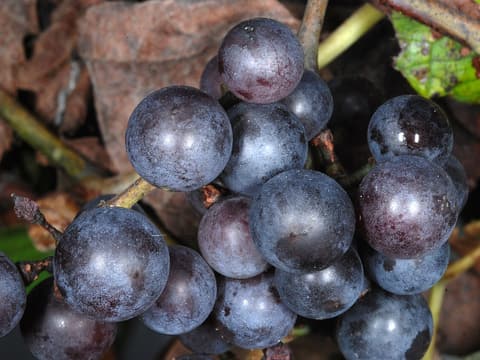
The South's native grape vine, with thick-skinned purple-black or bronze grapes in late summer and fall for eating fresh, jelly, wine and wildlife.
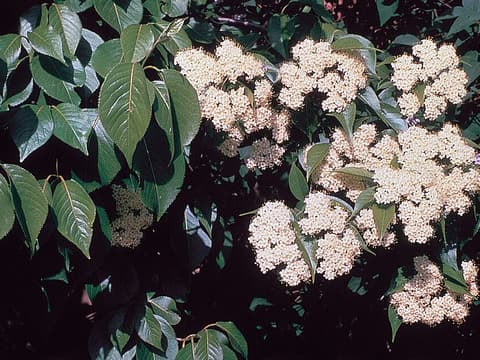
A big, adaptable viburnum with creamy flowers, edible blue-black fruit and wine-red fall color.
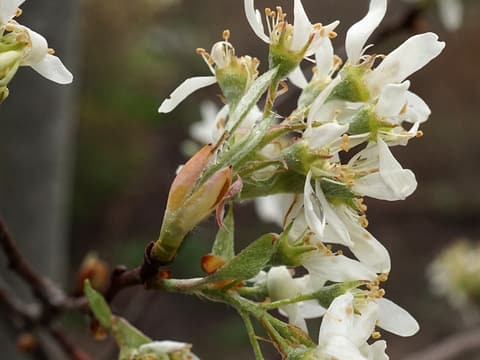
A rare, low serviceberry of the sandy Atlantic coast that spreads into a colony: white flowers in May and edible blue berries by July.
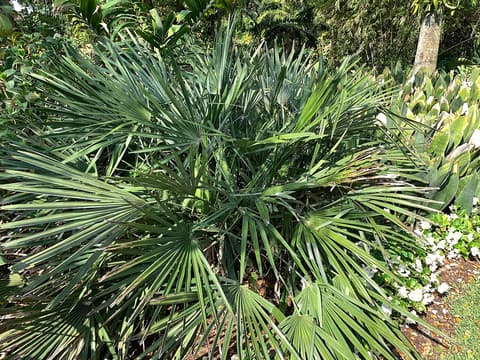
One of the hardiest palms, a trunkless clump of glossy fans up to 30 inches across, guarded at the base by long black needles.
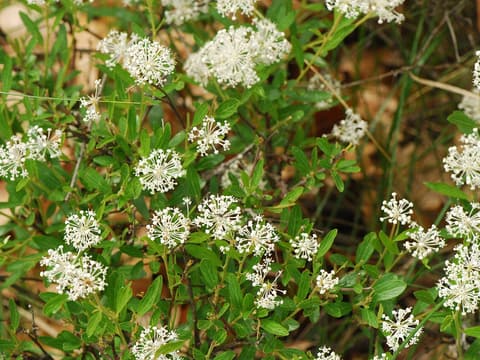
A knee-high shrub for dry, poor ground, with fragrant white flower clusters in June that feed azures, hairstreaks and two bees that use almost nothing else.
Peeling bark, white flower balls in June, and a constitution that shrugs off drought, flood and cold.
Orchid-like white flowers in June, giant heart-shaped leaves and a tolerance for almost any soil.
A fast, long-lived red oak with big, bristle-tipped leaves that turn russet to bright red in fall and acorns that feed turkeys, bears and deer.
A fast bottomland red oak for heavy, wet clay, with acorns that feed ducks, deer and turkeys and leaves that turn deep red late in fall.
Scarlet, orange-red or orange flowers in April and May, among the brightest of all American azaleas, on a heat-tolerant shrub of Georgia and South Carolina.
A rare indigobush of the Ouachita Mountains, 3 to 6 feet tall, with slender purple flower spikes up to 8 inches long in late spring.
A bottomland white oak that stands in floodwater for months and then takes a dry summer in stride, with acorns almost swallowed by their cups.
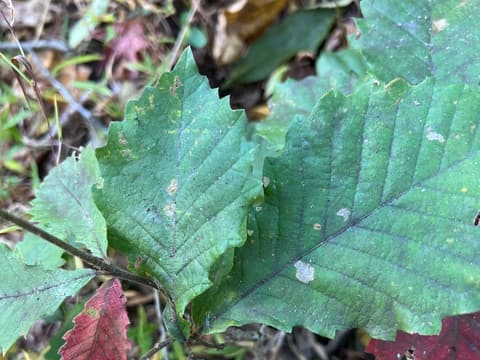
The Ozarks' own chestnut, once a tree of 60 feet with sweet nuts for people and wildlife, now rare because chestnut blight kills its stems to the ground.
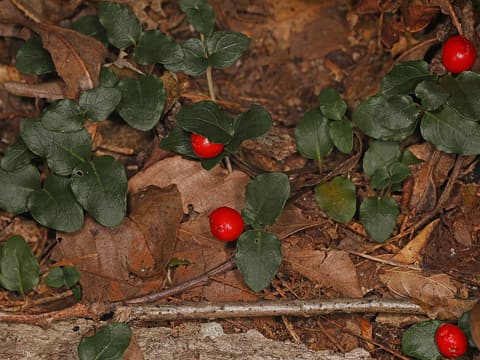
A trailing evergreen an inch or two high, whose paired white flowers join to make one red berry that often lasts the winter.
The everyday hickory of Appalachian ridges: tight gray bark, pear-shaped nuts that fox and gray squirrels live on through winter and rich gold fall color.
Fragrant pink trumpets open on bare branches in April for bumble bees, hummingbirds and swallowtails. The deciduous wild azalea of Mid-Atlantic woods.
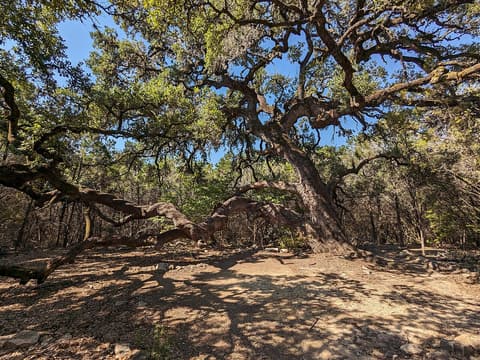
The common live oak of central Texas, green through the winter, with gnarled limbs that spread a great distance from a short trunk.
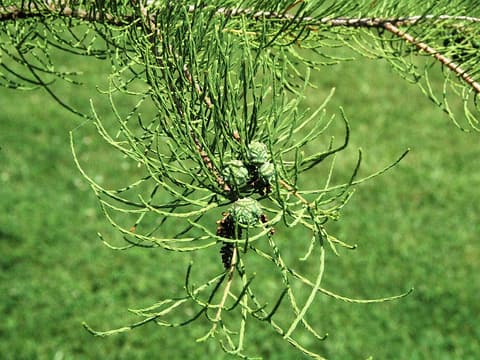
A slim cousin of bald cypress whose skyward shoots turn orange-brown in fall, at home in standing water or on a dry lawn.
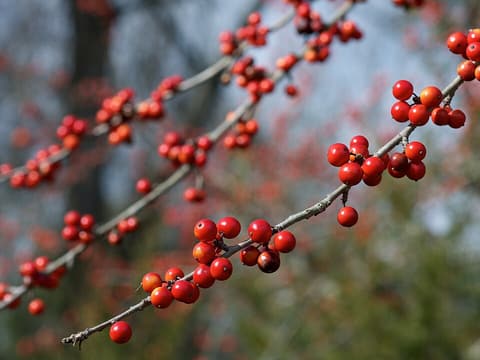
A deciduous holly whose orange-red berries line the bare gray branches from September to March, feeding birds late in winter.
A drought-hardy white oak of dry ridges and the Cross Timbers, with leathery, cross-shaped leaves, that can live 300 years or more.
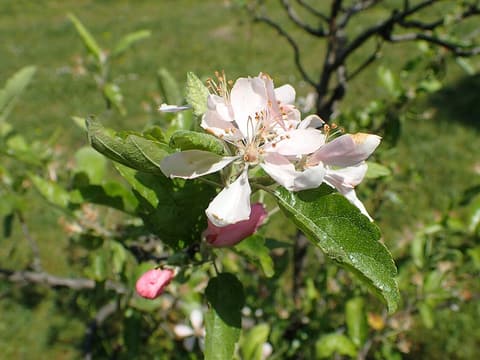
The wild crabapple of the Midwest prairies, whose pink buds open to fragrant blossoms in spring before waxy green apples ripen for jelly and wildlife.
A knee-high prairie shrub for dry, limy ground, with round clusters of white flowers in spring that feed bees and butterflies, and roots that fix nitrogen.
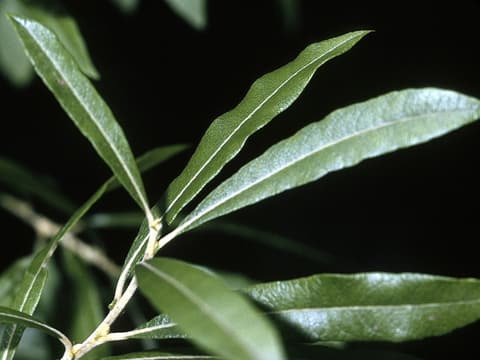
A small willow for dry, sunny ground, whose silky catkins open before the leaves and feed bees at the very start of spring.
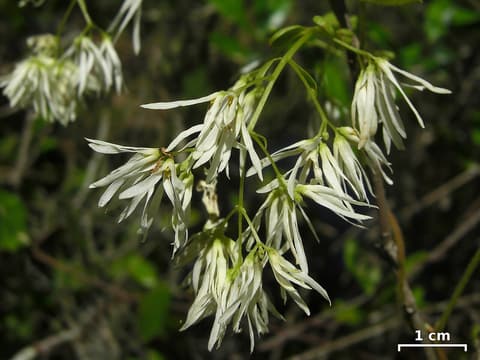
A rare dwarf fringetree from the sand ridges of central Florida, with showy clusters of fragrant white flowers in early spring and inch-long fruit.
An upland hickory with sweet nuts, leafstalks often tinged red and gray bark that turns slightly shaggy with age.
A hardy native grape vine that climbs by tendrils along streams and fences, with fragrant spring flowers and tart blue-black grapes for birds and jelly.
The elm with the hardest, strongest wood, a tall tree of limestone ridges and rich woods with corky-winged branches and seed that wildlife relish.
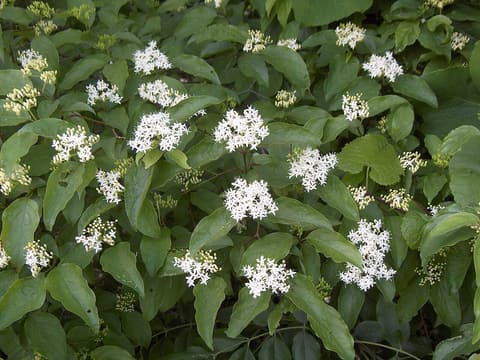
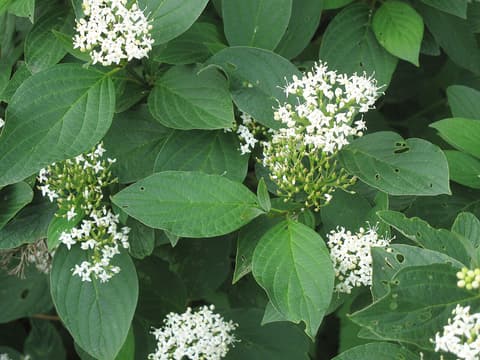
A fast thicket dogwood for dry or wet ground, with creamy flowers in late spring and white berries that dozens of kinds of birds eat.
A shade-tolerant northern dogwood with nearly round, wrinkled leaves, flat clusters of white flowers and pale blue berries on red stalks.
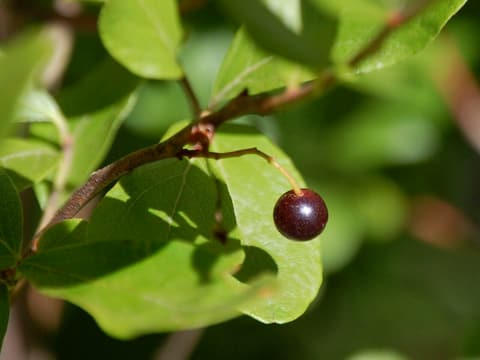
A shrub of rocky slopes and sandy woods with nearly round leaves, white spring flowers and sweet dark purple fruit, rare at the edges of its range.
A low serviceberry that spreads by runners into thickets on rocky ground, with white flowers in spring and purple-black fruit for birds in summer.
Glossy, leathery leaves that turn deep red in fall, white flower clusters in spring and sweet blue fruit, on a small southern tree.
A low, tough shrub of dunes, beaches and sandy prairies, with white spring flowers and purple-black cherries for jam from its second or third year.
A hickory of dry, sandy woods and ridges, with silvery scales beneath its leaves and small, sweet nuts.
A compact post oak of deep coastal-plain sands, built for drought and heat.
A suckering shrub of the northern Plains and the West, with fragrant white flowers in spring and sweet purple-black berries for pies and jam.
Mitten leaves, orange fall color and fat-rich blue berries on red stalks that thrushes and flycatchers strip in late summer. Host of the spicebush swallowtail.
A tall, arching southern shrub that covers itself in big white four-petaled flowers in spring, easy in sun or part shade and tolerant of drought.
A rare southern elm that blooms in September and ripens fringed seed by November, a fast-growing shade tree of limestone bluffs and stream sides.
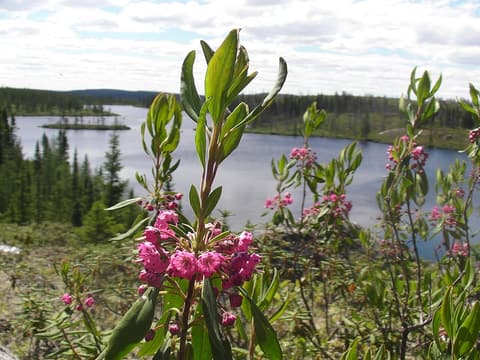
A low evergreen shrub of northern bogs and barrens, with rose-pink flowers ringing the stems in early summer. Every part is poisonous to livestock.
A red oak with long, glossy leaves that have no lobes at all, turning russet in fall and clinging to the branches through winter.
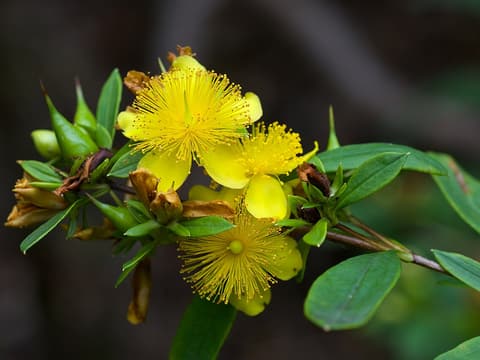
A dense, rounded shrub whose golden summer flowers each hold a brush of up to 500 stamens, above bark that peels to orange-brown.
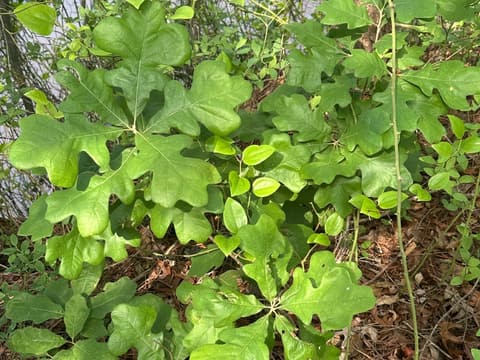
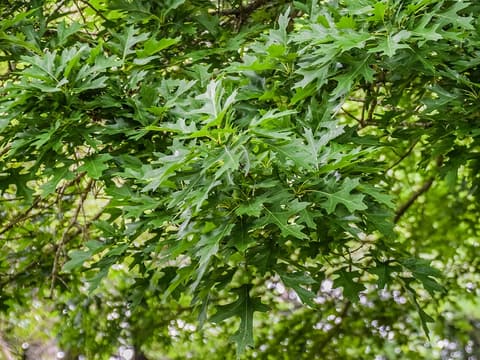
A big red oak for shade, with deeply cut leaves that turn red early in fall, at home on moist bottomland or on dry, limy ground.
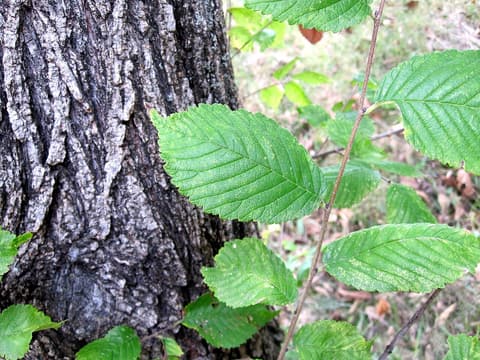
The elm of the slippery inner bark, a fast, shade-tolerant tree of moist slopes and bottomlands, best grown in a wild corner among trees of other kinds.
A tough, suckering native shrub of southern mountain balds and rocky slopes, with clusters of sulfur-yellow summer flowers for bumble bees.
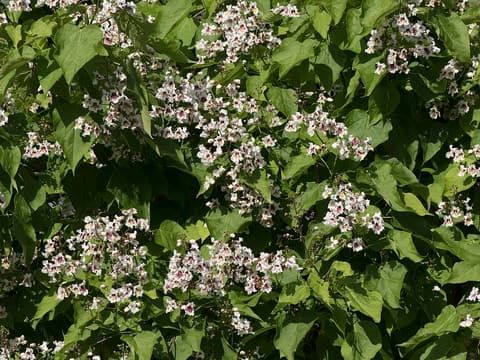
Upright clusters of white flowers spotted purple and yellow in May and June, then long bean-like pods, on the fast-growing catalpa native to the Gulf states.
A common upland red oak of the South, at home on poor, dry sand or clay, with long-lobed leaves and small acorns for wildlife.
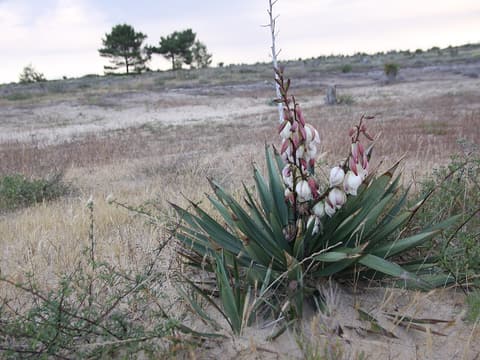
A coastal yucca whose sword-shaped leaves rise in time on a woody trunk, crowned by tall spikes of nodding, creamy white bells.
Fuzzy antler-like branches, fiery orange-red fall color and red fruit cones that feed birds through the winter.
A thin, arching southern shrub of rocky bluffs and stream banks, with white spring flowers and leaves that are white and hairy beneath.
The hackberry of southern bottomlands, a fast shade tree for wet or dry ground, with warty gray bark and sweet fruit that birds eat into winter.
An eastern native grape of dry upland woods that climbs by tendrils into the treetops, with clusters of small blue-black grapes from late summer.
A red oak of the limestone hills of central Texas and Oklahoma, with fall color from burgundy to scarlet on a tree small enough for a yard.
A low evergreen mat of mountaintops and rocky shores, with glossy three-part leaves that turn wine-red in fall and white flowers in summer.
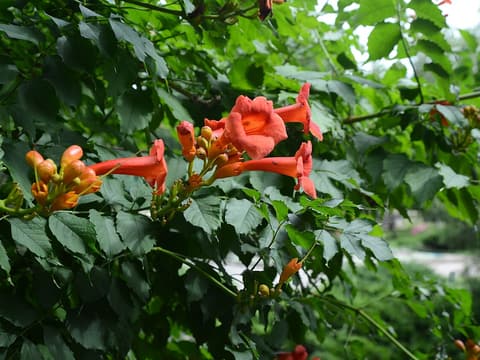
A fast native vine whose orange-red trumpets draw hummingbirds all summer, for a sturdy arbor or fence where its root suckers can be kept in check.
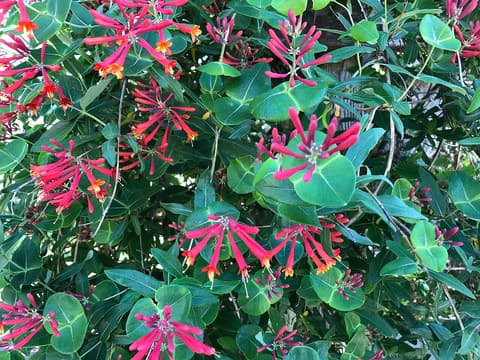
A native twining vine whose red trumpet flowers draw hummingbirds from spring into summer, followed by red berries for birds.
A shrub of the limestone glades and rocky woods of the Southeast, with gray-green leaves, summer flowers and blue-black fruit in early fall.
A fast native vine that climbs by sticky pads, turns crimson early in fall and feeds birds through the winter with blue-black berries.
White June flowers, glossy red fruit that hangs into winter, and a thorny crown that shelters nesting birds.
A tough tree of the southern Plains whose see-through golden berries lather like soap and hang on into winter, after yellow-gold fall color.
The great white oak of eastern woods, a broad shade tree that can live 600 years, with wine-red fall color and sweet acorns that wildlife seek out.
A tough, fast-growing southern elm with corky wings along its twigs, for dry rocky ridges, heavy clay and bottomland alike.
A gray, woolly evergreen mat of dunes and sand barrens that covers itself in tiny yellow flowers from May into July.
A native twining vine with fragrant yellow flowers that darken to orange in spring, one of the most beautiful American honeysuckles.
A low, suckering shrub for shady stream banks and moist woods, with leaves like celery that turn yellow and reddish purple in fall.
A native buckthorn of limestone glades and bluffs, a slender shrub with glossy leaves and small black fruit for birds, and not the invasive kind.
A colony-forming huckleberry of southern Appalachian oak and pine woods, with greenish bells in May, glossy black berries and fall color.
A slow, flat evergreen mat for sun and sand, with leathery leaves that bronze in winter and red berries that feed birds and bears.
A low, colony-forming shrub of dry acidic woods with sweet, seedy black berries and crimson fall leaves.
A critically endangered white oak that stays low and shrubby, spreading from underground stems into colonies on sandstone and deep sand.
A low evergreen heath of sand barrens and rocky summits, with needle-fine leaves and tufts of purple flowers at the shoot tips in spring.
The native white walnut, with sweet, oily nuts and ash-gray bark, now dying across its range from butternut canker.
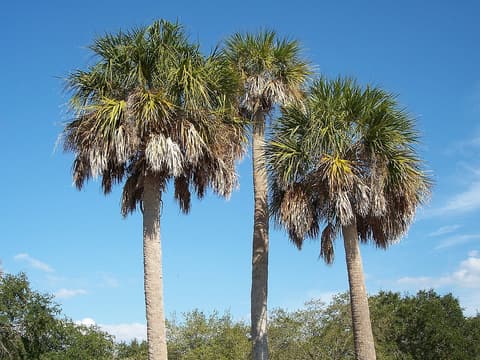
The native tree palm of the Southeast coast, evergreen and salt-hardy, with fragrant summer flowers for bees and black fruit for wildlife.
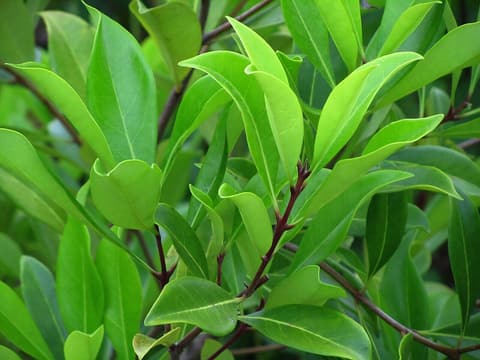
A fast native evergreen for screens and hedges, with glossy leaves, fragrant late-winter flowers and black fruit for birds.
A small white oak of the southern coast with glossy leaves that turn red and yellow into winter, and acorns low in tannin.
Peeling cinnamon-red bark and drooping spikes of spicy, fragrant white flowers in summer, on a tall shrub of Appalachian mountain slopes.
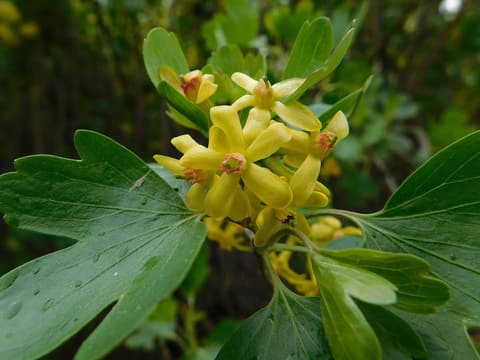
A thornless Plains currant whose golden yellow spring flowers smell of cloves, followed by sweet black berries for jam, jelly and pie.
A low indigobush of southern sandhills whose clustered white to violet flower spikes feed native bees in early summer.
A low evergreen blueberry of Gulf Coast pine flatwoods, with tiny blue-green leaves under a silvery bloom, pink-tinged bells and edible blue berries.
A knee-high live oak that spreads from underground stems into evergreen patches and can bear acorns just three years from seed.
A hardy palm for wet shade whose trunk stays underground, sending up evergreen fans up to 5 feet across and tall stalks of fragrant flowers.
A pawpaw in miniature for dry southern woods, with maroon spring flowers, small sweet fruit and leaves that feed zebra swallowtail caterpillars.
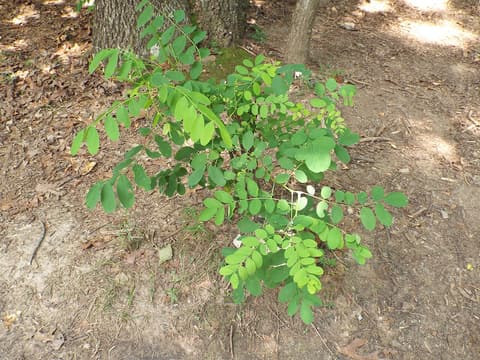
A small tree of limestone country with fragrant, rose-pink flowers like wisteria in spring and black pods like strings of beads, for dry, well-drained ground.
Clusters of yellow, orange or scarlet funnels with long stamens in May and June, from one of the showiest shrubs of the southern Appalachians.
A low, colony-forming blueberry of the southern Appalachians, hairy in every part, down to its sweet, fuzzy, blue-black berries.
The hardy pine of the far North, with short, twisted needles and curved cones sealed shut for years, for the poorest, driest sand.
A dense, low shrub of Great Lakes shores with narrow, bluish-green leaves, covered for a month in midsummer with golden flowers.
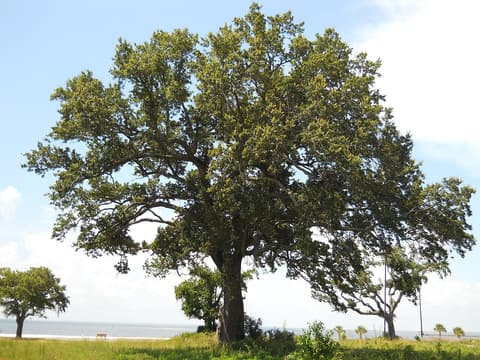
The evergreen oak of the southern coast, with a vast, low crown of sweeping limbs that stands salt spray and hurricanes and can live for centuries.
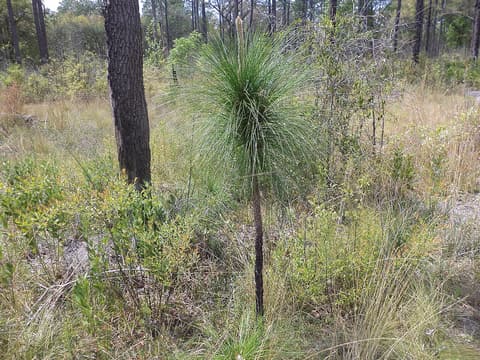
The great pine of the southern sandhills, with needles up to 18 inches long and a grass stage that hides it for years, for sun and dry, sandy ground.
Small nodding bells of greenish white flushed with red in late spring, on an upright mountain shrub with hairy leaves and shreddy bark.
An evergreen oak of the southern coastal scrub, with small, glossy leaves the year round, that takes dry sand, salt wind and drought.
Waxy gray berries hold above the snow all winter for yellow-rumped warblers, tree swallows and quail. A salt-tolerant shrub that fixes its own nitrogen.
The red oak of the Great Lakes sand plains, the most drought tolerant of its group, with deeply cut leaves that turn red in fall.
A tough native shrub of the northern prairies that spreads into low thickets, with pink summer flowers and greenish-white berries that hang on into winter.
A fast pioneer cherry that springs up after fire, with white spring flowers, shiny red-brown bark and sour red cherries for dozens of birds.
A rare shrub of Southern Appalachian slopes that draws on the roots of hemlock and other trees, with leaves in two flat rows and yellow-orange fruit.
A low, prickly rose of the Plains whose stems often die back to near the ground, with clusters of pink flowers in early summer and orange-red hips into winter.
The tall blueberry of Southern gardens, with white or pink bells in spring and sweet blue berries through summer, tougher in heat and drought than highbush.
A spicy-leaved evergreen of the southern coast, with dark blue fruit for birds, now dying across much of its range from laurel wilt.
A smaller, tougher cousin of live oak for deep, dry sand, evergreen and wind-firm, with acorns that often hang in pairs.
Florida's scrub pine, a leaning, bushy tree that stands salt spray and outgrows other pines on deep, dry sand.
An evergreen shrub oak found wild only in peninsular Florida, whose leathery leaves stand upright on the stems, their edges rolled under.
A rare indigobush of southern stream banks and wooded slopes, with glossy leaflets and dark purple spikes lit by orange anthers in spring.
A low, rounded native shrub of northern fens and rocky shores whose bright yellow flowers open from June until frost.
A small understory tree with fluffy, fragrant cream flowers on its bare twigs in early spring and leaves with a faintly sweet taste.
A gnarled Appalachian ridge pine that grows like a giant bonsai, its cones armed with hooked spines, for dry, rocky ground in full sun.
The oak of the southern sandhills, with deep-cut leaves shaped like a turkey's foot that turn red in fall and cling into winter.
A low wild blueberry of the North with softly hairy leaves that turn red in fall and sweet, tart blue berries from July into September.
A fast, dense southern viburnum with small, glossy leaves and clusters of white flowers that open in late winter.
A native evergreen holly for hedges and screens, with glossy leaves and, on female trees, red berries that birds take in late winter.
A rare low shrub of dry southern oak and pine woods that draws on the roots of the plants around it and spreads into large colonies.
A thorny wild plum that suckers into thickets along streams, with fragrant white flowers before the leaves and red or yellow plums in late summer.
A bushy indigobush of rocky Piedmont hills, with purple flower spikes bristling with golden stamens from April into June.
Ask what is ready: put the first 12 on my request list.
The finder answers as you choose and has a height limit. The shop lists the same trees and shrubs, with a search box and a native state filter: see these in the shop.
The address follows your filters, so the link saves this list.
Narrow the list to 12 or fewer and we can email you when any of them is ready to order.
Be first
One email per plant you tick, when it is priced, and nothing else. Each carries a code for 10% off the plants in that order, not shipping or tax. Or ask, and we reply with what is ready now.
While you wait, ask what is ready now.
In the finder's list the best fit comes first: trees and shrubs whose pages list your sun and soil outright, then those that only tolerate them. Within each group, those with your zone in the middle of their range come before those at its edge.
No: the finder lists native trees and shrubs to plant, matched to your zone, size, sun and soil. To name a tree you found, use the tree identification tool, which names it from a photo of a leaf, the bark, a twig, fruit or a flower.
Set the finder's height limit to the room you have: it matches the top of each species' typical mature height. Our article on small trees for a small yard says how far each one goes from a house.
Within 15 feet of the wires, the International Society of Arboriculture says a tree should mature at 20 feet or lower. Virginia Cooperative Extension allows trees to 25 feet within 20 feet of the wires, and suggests large shrubs under 15 feet directly under them.
Divide the hedge's length by the spacing, round down and add one, since a straight row has one at each end: a 40-foot hedge at 4 feet apart takes 11. On its Hedge or screen list, the finder gives each species the spacing its own page sets.
The address carries every choice, so a copied link opens the same list. The page draws that list before any script runs, so a shared link and the page's Markdown copy show the trees and shrubs themselves. These are its keys:
Each tree's facts come from its own page: its zones, mature height, sun, soil, labels and hedge spacing. The 20 and 40 ft height steps are the International Society of Arboriculture's zones by overhead wires (Avoiding Tree & Utility Conflicts (PDF), 2021). Within 15 feet of distribution wires, the species chosen "should have a mature height of 20 feet (6 meters) or lower". From 15 to 50 feet out, it should have "a potential mature height of 40 feet (12 meters) or lower". The planting-site check follows the same zones. The 30 ft step is the small-tree ceiling the growth estimator uses for its generic small tree. Virginia Cooperative Extension draws the low zone wider, to 20 feet from the line, where "trees in the low zone should not exceed 25 feet at maturity" (Selecting and Managing Trees to Avoid Conflicts with Overhead Utility Lines, 2024). Under the line itself it suggests large shrubs with "a mature height of less than 15 feet", the limit's first step. A ZIP code's zone is the 2023 USDA Plant Hardiness Zone Map's ZIP code listing, prepared by the PRISM Climate Group at Oregon State University.
When nothing fits, the site is usually the problem rather than the catalog: tell us the zone, soil, sun and what the tree needs to do, and we will suggest something.
The address carries the tree finder's inputs, so a link opens it filled in, and Copy link on a result writes one: zone (a whole number from 2 to 10), size (shrub, small-tree, medium-tree or large-tree), height (a mature height to stay under: 15, 20, 30, 40 or 60 feet, or 60-plus), sun (full, part or shade), moisture (dry, average or wet), want (one or more of flowers, fall-color, winter-interest, wildlife, honey, edible, evergreen, rare, early-bearing, screening, nitrogen-fixing, salt, street-tree, erosion-control, shade, wet-tolerant or drought, joined by commas), hedge (a hedge or screen length in feet, for a plant count), sort (featured, name, price-asc, price-desc, height, hardy or fast), compare (the slugs of the plants to compare, joined by commas). For example, /tools/tree-finder/?zone=6&size=small-tree&sun=part&moisture=average&want=fall-color.